What are the pilots actually doing while the passengers are boarding?

5 min read
Boarding: the usual queues in the aisle, bags going into overhead lockers, shuffling about as people get into their seats. For passengers, it’s busy but generally pretty orderly.
However, for the flight crew up front, boarding is a lot more intense. Well before the aircraft even pushes back, the pilots are juggling a stream of tasks that require focus, coordination and careful prioritisation.
What do pilots do before take-off? A step-by-step look inside the cockpit
Prior to the first passenger stepping onboard, pilots have already “checked in” for the flight. It’s usually 45 to 60 minutes before departure, depending on the airline.
They then receive a flight briefing pack or flight plan, which becomes their roadmap for everything ahead.
This bit is critical. Pilots review weather conditions not only at the destination but also along the route and at alternate airports. They also go through NOTAMs (Notices to Airmen), navigation warnings, and company-specific updates. If there’s something unusual like a runway closure or airspace restriction for instance, they’ll spot it here.
They also decide who will fly which leg. One pilot becomes the “Pilot Flying” (PF), responsible for controlling the aircraft, while the other is the “Pilot Monitoring” (PM), handling communications and cross-checking.
Pilots brief the cabin and prepare the cockpit
Next, the Captain will usually have a quick chat with the cabin crew to get everyone on the same page. They’ll run through how long the flight is expected to take, what the weather might have in store, and flag anything unusual, like a piece of cabin equipment that isn’t working as it should.
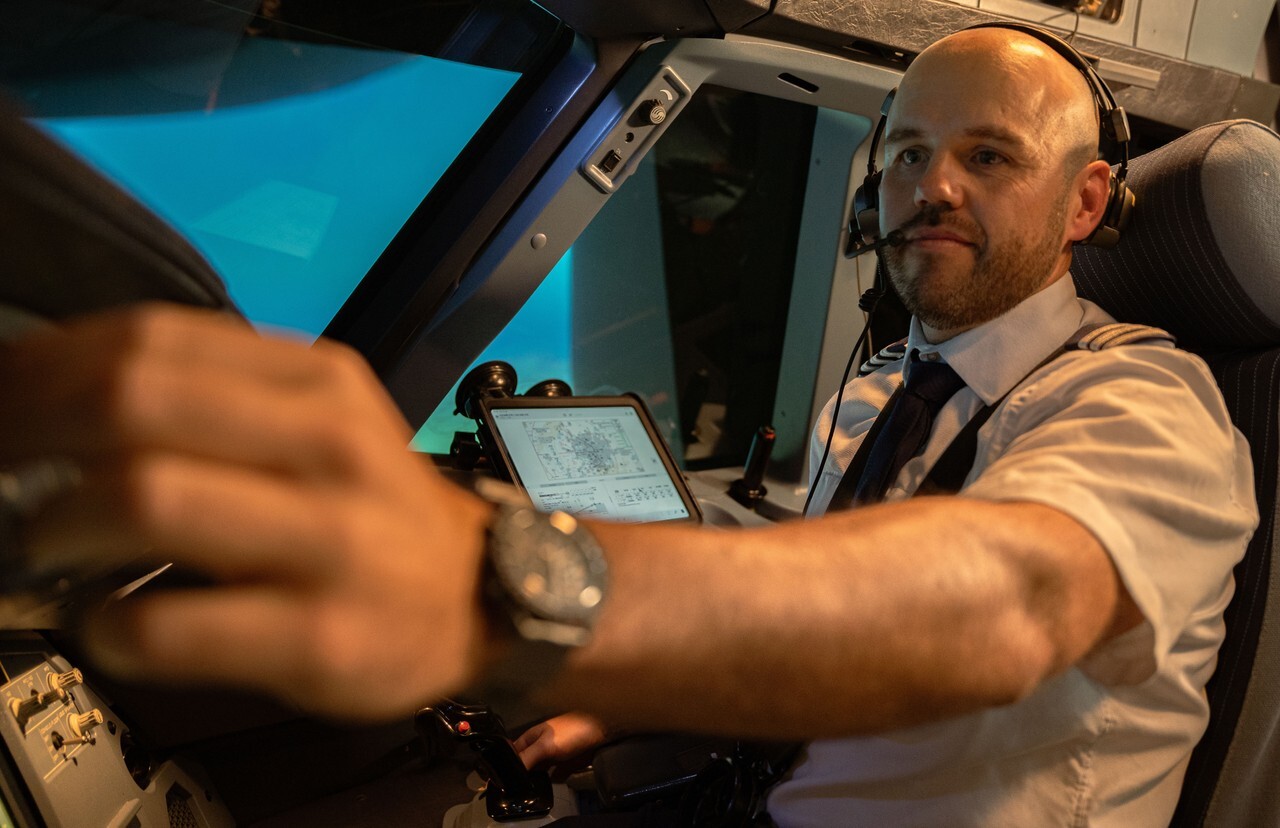
Once back in the flight deck, things start to pick up pace. The Pilot Monitoring gets into a flow of checks, making sure all the safety gear is in place and ready to go – oxygen masks, smoke hoods, fire extinguishers, even the escape rope. They’ll also do a quick security sweep and double-check the aircraft paperwork, including things like insurance.
At the same time, both pilots make sure their company iPads are fully up to date, with the latest manuals, charts and company information loaded and ready.
Aircraft checks before take-off: Technical log, MEL and performance planning
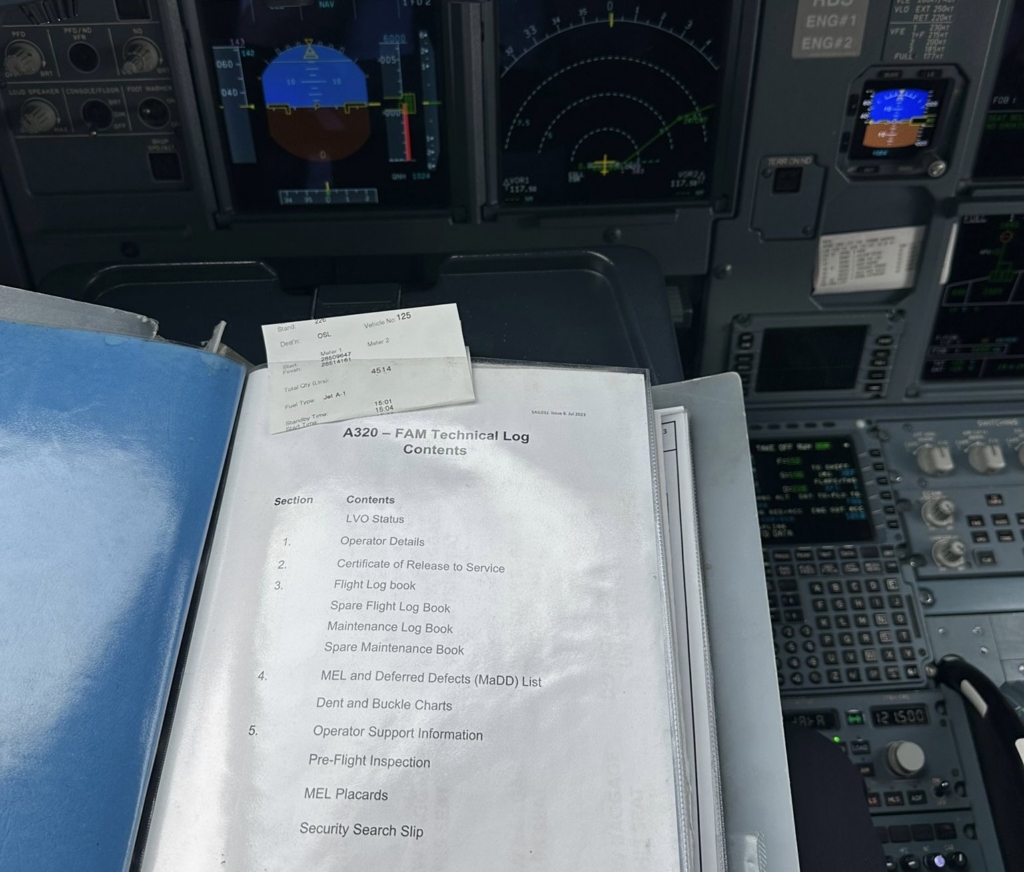
One of the first technical checks is the aircraft’s technical log. This shows any defects or systems that aren’t working.
Not everything actually has to be perfect. Some relatively minor issues can be legally managed under the Minimum Equipment List (MEL) or Configuration Deviation List (CDL), but the crew still needs to understand exactly what they’re dealing with.
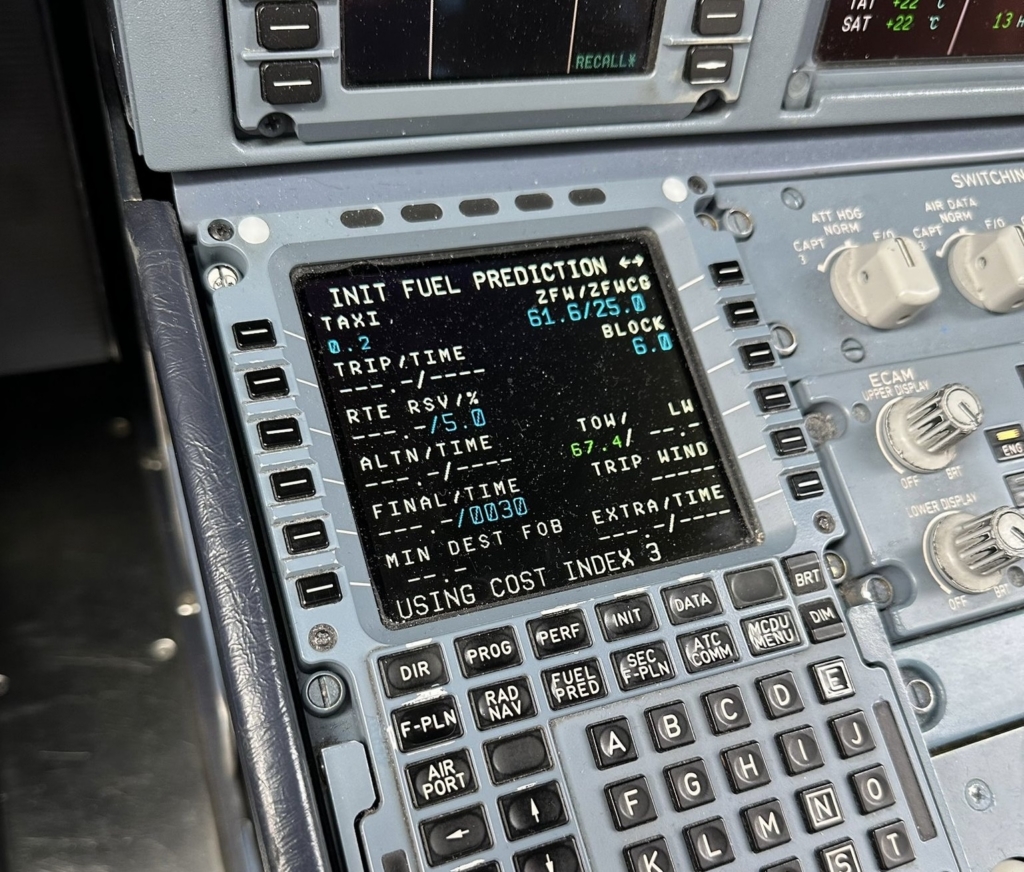
Then comes one of the more number-heavy parts of the job: performance planning. Based on how heavy the aircraft is expected to be – things like Zero Fuel Weight and how much fuel is onboard – the pilots work out exactly how the take off will be flown. That means calculating speeds, deciding on flap settings, and figuring out how much thrust they’ll need.
They’re also thinking ahead: if something goes wrong, like an engine issue during take off, they already know how they’ll handle it.
The pre-flight walkaround: How pilots inspect the aircraft before departure
While all that’s happening, the other pilot is usually outside doing a walkaround. It’s a hands-on check of the aircraft, looking for anything that doesn’t seem right.
This includes any leaks, damage, worn tyres, or even evidence of a previous bird strike. And if the weather’s playing up, they’ll make the call for de-icing before departure, too.
Programming the flight and coordinating with ground crews before departure
Back in the cockpit, the other pilot is busy configuring aircraft systems via the overhead panel and programming the route into the Flight Management System. This is where the flight plan becomes something the aircraft can actually follow.
But they’re not working in isolation. There’s constant communication with cabin crew, ground staff, refuellers, airline operations and engineers. A last-minute issue – anything from a baggage handling delay to a minor technical query – can affect the timeline.
They’ll also get departure clearance, either via radio or data link (CPDLC), confirming the route they’re cleared to fly after take off.
Pilot departure briefing: Runway, route and emergency planning before take-off
One of the most important moments before departure is the briefing between the two pilots. It’s led by the Pilot Flying, but it’s very much a two-way conversation, making sure they’re both thinking along the same lines before the aircraft even starts to move.
They’ll talk through how the departure is going to look in practice – things like the runway they will be using, the expected taxi route, and whether they’ll taxi on a single engine for extra fuel efficiency.
They’ll also cover the departure procedure itself, the surrounding terrain, and the minimum safe altitudes.
Just as importantly, they’ll go over the “what ifs.” If they have to stop on the runway at high speed, or if an engine fails just after take off, there’s already a clear plan.
They’ll also flag any likely threats, for example, heavy rain on the departure path, and agree on how they’ll handle it. This could mean using the weather radar more actively or asking air traffic control for a different route.
Final checks before pushback: Load sheet, fuel and departure clearance
As things come together, the pilots work through their checklists, including the cockpit preparation checklist, and make sure everything is ready to go. They’ll confirm the pushback tug is in position and start the APU, keeping the aircraft powered and cool while external supply is disconnected.
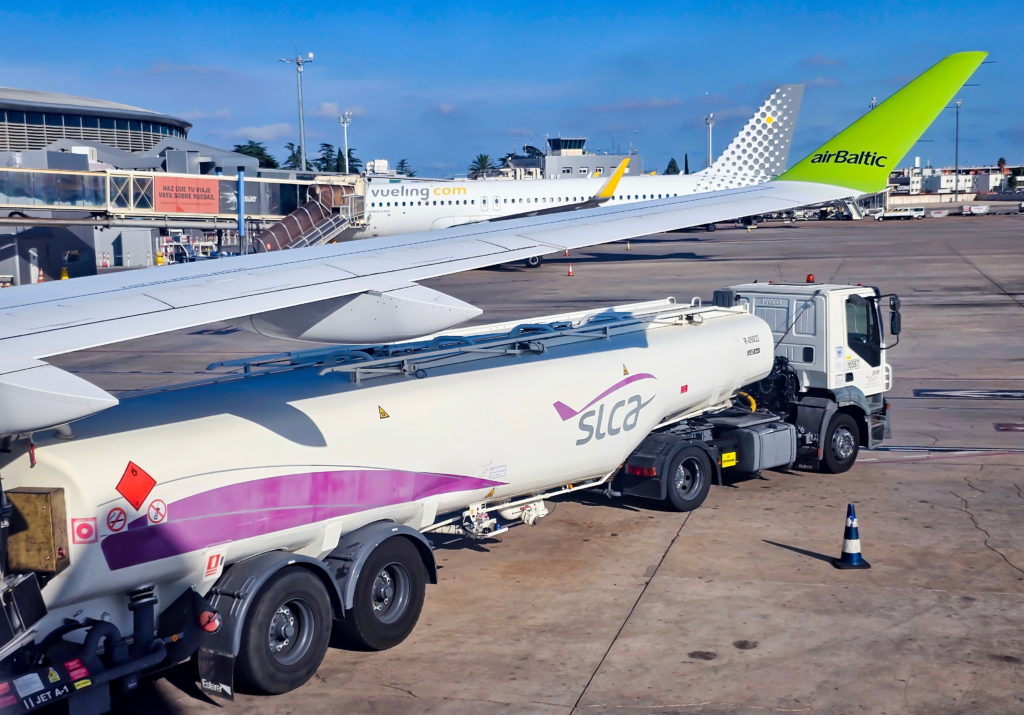
Around the same time, the final numbers are locked in. Once refuelling is complete and passenger figures are confirmed, the crew receive the final load sheet. It shows the aircraft’s weight, balance and centre of gravity – so any last-minute changes mean making adjustments.
With the doors closed and everything confirmed, the cabin crew pass on the final passenger count. The ground team signals they’re ready, the tug is attached, and the pilots request clearance to push back and start the engines. Let the flying begin!
Featured image: British Airways