After 6 years grounded, Jet Airways Boeing 777s are sold for $46 million

5 min read
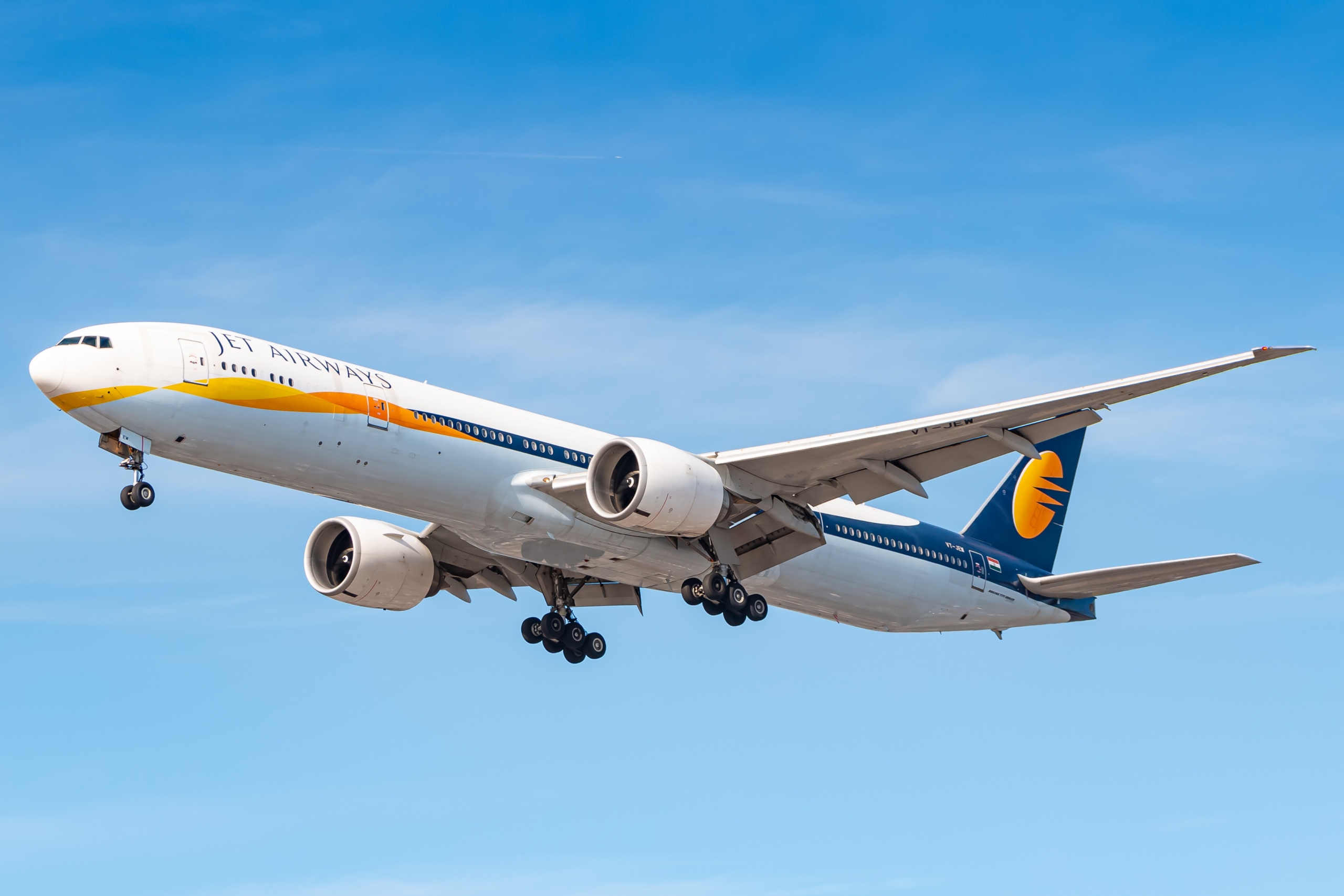
Three Boeing 777 aircraft that have sat idle at Mumbai airport since Jet Airways shut down in April 2019 are finally set to leave India, bringing partial closure to one of the most prolonged asset recovery battles in Indian aviation history.
Jet Airways (India) Ltd, now under liquidation, informed the Bombay Stock Exchange on February 11 that it had executed sale and purchase agreements for three aircraft frames and six engines for a total consideration of $46 million.
The buyer is Malta-based Ace Aviation, part of the Challenge Group, a European cargo operator. The sale marks the first time wide-body Boeing 777 aircraft have been sold under India’s Insolvency and Bankruptcy Code (IBC) liquidation framework.
How much were Jet Airways’ Boeing 777s sold for?
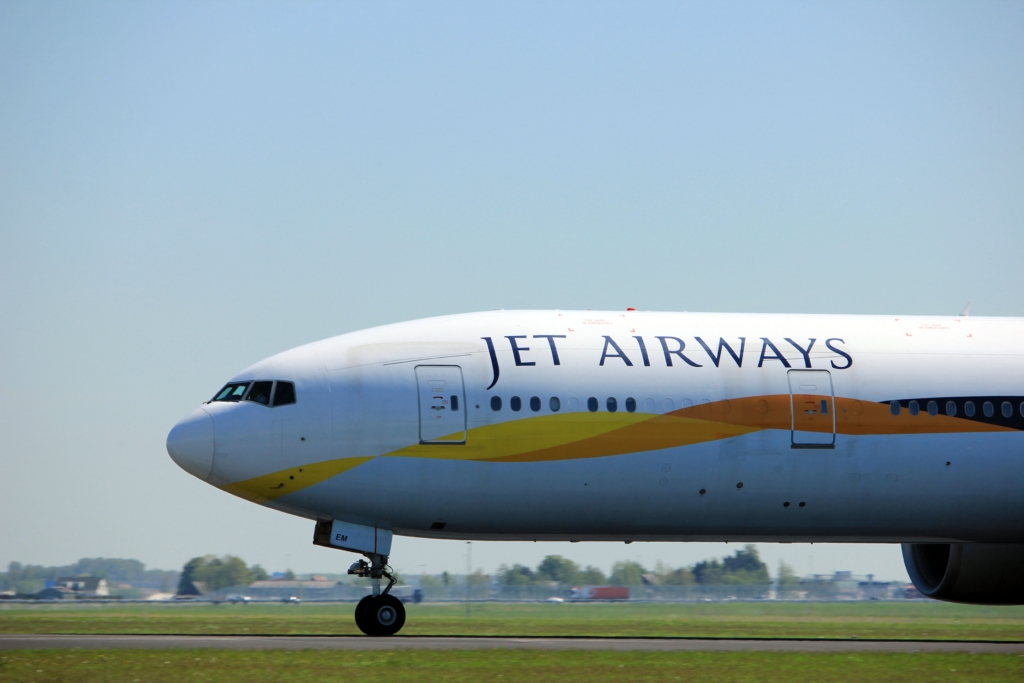
The three widebody aircraft, all Boeing 777-300ERs, were once part of Jet Airways’ long-haul flagship fleet.
According to the regulatory filing, the assets were sold individually as follows:
- Aircraft frame MSN 35159 (VT-JES), with engines ESN 906336 and 906364, was sold for $16 million.
- Aircraft frame MSN 35158 (VT-JEV), with engines ESN 906353 and 906298, was sold for $12.5 million.
- Aircraft frame MSN 35162 (VT-JEM), with engines ESN 906351 and 906337, was sold for $17.5 million.
All transactions were conducted under the liquidation process pursuant to India’s Insolvency and Bankruptcy Code and were approved by the National Company Law Tribunal following consultation with the stakeholders’ committee.
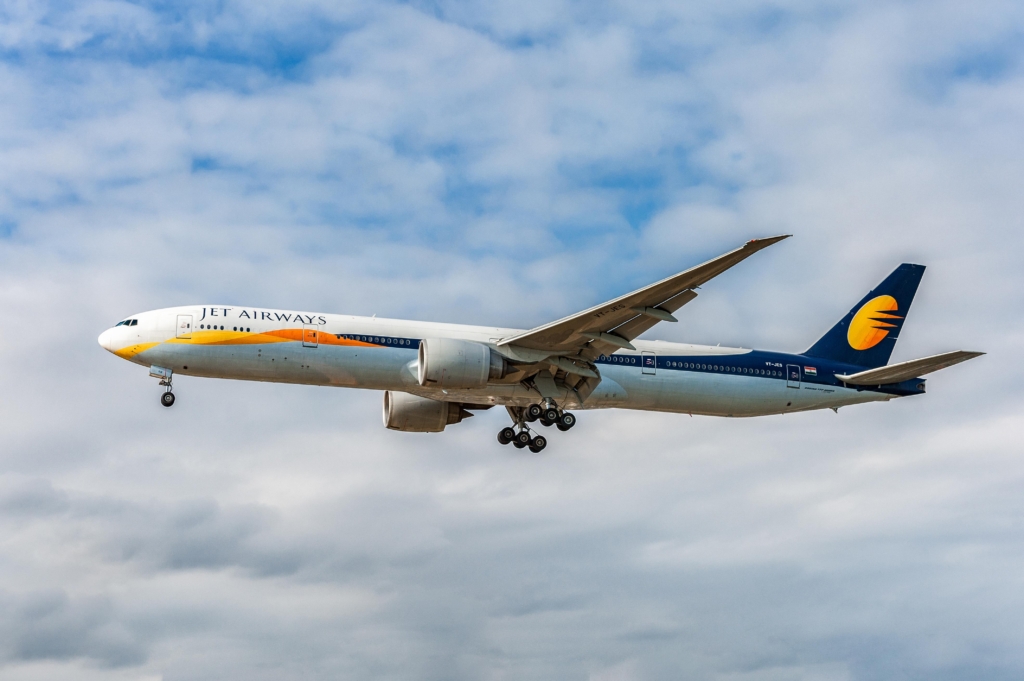
The aircraft had been parked at Mumbai for nearly six years after Jet ceased operations in April 2019. During that period, the proposed sale was repeatedly delayed by litigation, competing claims and objections from various stakeholders, prolonging what became one of the most drawn-out asset recovery processes in Indian aviation.
Why the Jet Airways Boeing 777 sale was delayed for years
Ace Aviation had originally won the bid for the aircraft in October 2022 and deposited earnest money to proceed. However, the sale was stalled after objections from the Jalan-Kalrock Consortium, which had earlier won the bid to revive Jet Airways under the resolution process.
As revival efforts faltered and the country’s apex court ultimately ordered liquidation in November 2024, the path was cleared for asset disposal under insolvency proceedings.
Mumbai International Airport Ltd also raised objections over unpaid parking dues and exercised lien rights over the aircraft.
After negotiations, a consent agreement was reached last August, but the matter again went before insolvency courts.
In December, the airport issued a no-objection certificate and lifted its lien, allowing the transaction to move forward.
Legal advisors involved in the case described the deal as a precedent-setting transaction for aviation asset sales under India’s insolvency framework.
Jet Airways’ Boeing 777 fleet: From flagship long-haul jets to grounded assets
The aircraft being sold once symbolised Jet Airways’ global ambitions.
Founded in 1992 by Naresh Goyal, Jet began operations as an air taxi operator in 1993 and rapidly expanded into a full-service carrier. By the mid-2000s, it had become India’s largest private airline, operating a fleet of over 120 aircraft at its peak.
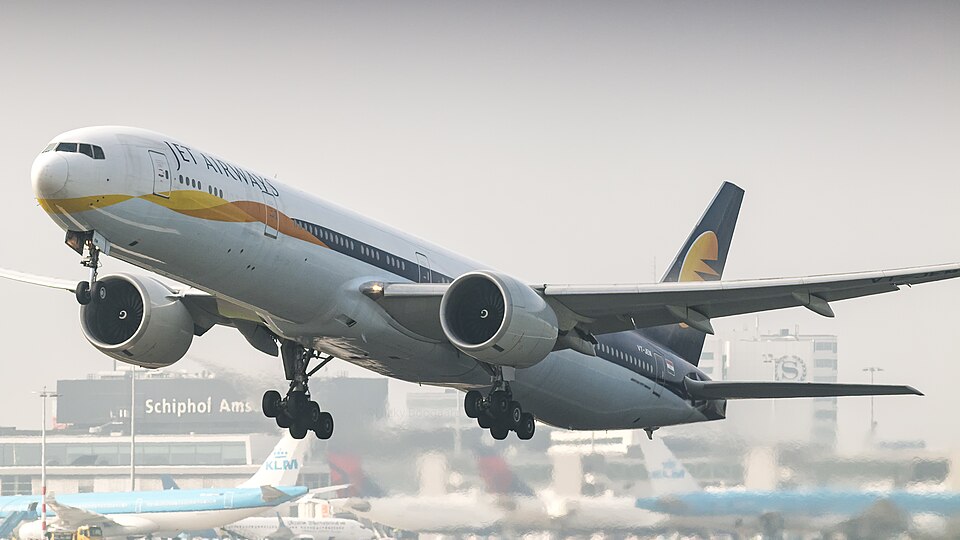
The Boeing 777-300ERs were deployed on long-haul routes to London, North America and Europe. Jet launched its first intercontinental service from Mumbai to London Heathrow in 2005 and secured orders for 10 Boeing 777-300ER aircraft that year.
Over the years, the airline built an extensive network, operating to 66 destinations and forming partnerships with carriers including Etihad Airways, Air France-KLM, Delta Air Lines and others.
Jet’s long-haul product was marketed as premium, offering lie-flat business class seats, an upgraded in-flight entertainment system and the airline’s signature service ethos built around what it called the “Joy of Flying.”
Why Jet Airways collapsed in 2019
Despite early success, Jet Airways struggled to adapt to structural shifts in India’s aviation market.
The 2007 acquisition of Air Sahara added debt and operational complexity. The airline maintained a mixed fleet of Boeing 737s, Airbus A330s, Boeing 777s and ATR turboprops, increasing maintenance and training costs.
At the same time, aggressive expansion coincided with rising fuel prices and intensifying competition from low-cost carriers such as IndiGo and SpiceJet.
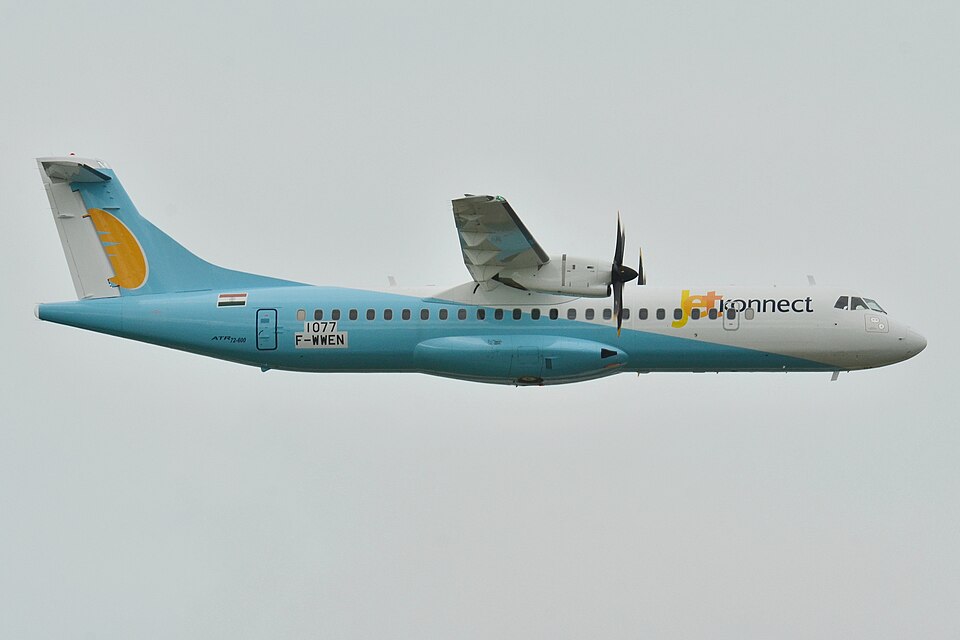
Attempts to respond, including launching Jet Konnect as a low-cost arm, came late and failed to stem market share losses.
Etihad Airways acquired a 24% stake in 2013, providing capital and international connectivity, but the partnership proved strained. As losses mounted and debt piled up, the airline’s financial position deteriorated sharply.
In April 2019, after defaulting on payments to lessors, lenders and employees, Jet Airways suspended operations. Its last flight, S2-3502, operated from Amritsar to Mumbai on the night of April 17–18, 2019.
The insolvency resolution process that followed stretched on for years. A revival attempt by the Jalan-Kalrock Consortium failed to take off. In November 2024, the Supreme Court ordered the airline’s liquidation.
The final chapter for Jet Airways’ grounded Boeing 777s
For aviation observers, the sale of the three Boeing 777s carries symbolic weight. These aircraft once represented Jet Airways’ global footprint and premium positioning.
For nearly six years, they stood immobile on the Mumbai apron, visible reminders of the airline’s abrupt fall.
Now, under the ownership of a European cargo group, the aircraft are expected to be converted for freight operations, giving them a second life far removed from their original purpose of carrying long-haul passengers.
For those who remember Jet Airways at its peak, it closes a chapter that began more than three decades ago with four leased aircraft and a bold vision of redefining Indian aviation.
Featured image: Lukas Wunderlich / stock.adobe.com