The future of flying: 8 cabin innovations set to transform air travel

7 min read
The Crystal Cabin Awards 2026, awarded in Hamburg during the Aircraft Interiors Expo, showcased a wave of innovations that will bring us closer to the aircraft cabin of the future.
This year’s winners—All Nippon Airways, AviusULD, Collins Aerospace, Delta Air Lines, Diehl Aviation, Quvia, RECARO Aircraft Seating, and the Georgia Institute of Technology—were recognised for their contributions to accessibility, sustainability, digital integration, and smarter use of space in the cabin. Together, they offer a view of how flying will evolve over the next decade.
Best of all, many of these ambitious improvements in the passenger experience are ready for real-world adoption, and some are already flying.
Designing cabins for everyone
In the Accessibility category, Diehl Aviation’s Adaptive User Routing System (AURS) demonstrates how inclusive design can move beyond compliance to enable independence. The system combines tactile wayfinding with customizable digital interfaces, helping blind and deaf passengers navigate the cabin and access lavatories without assistance.
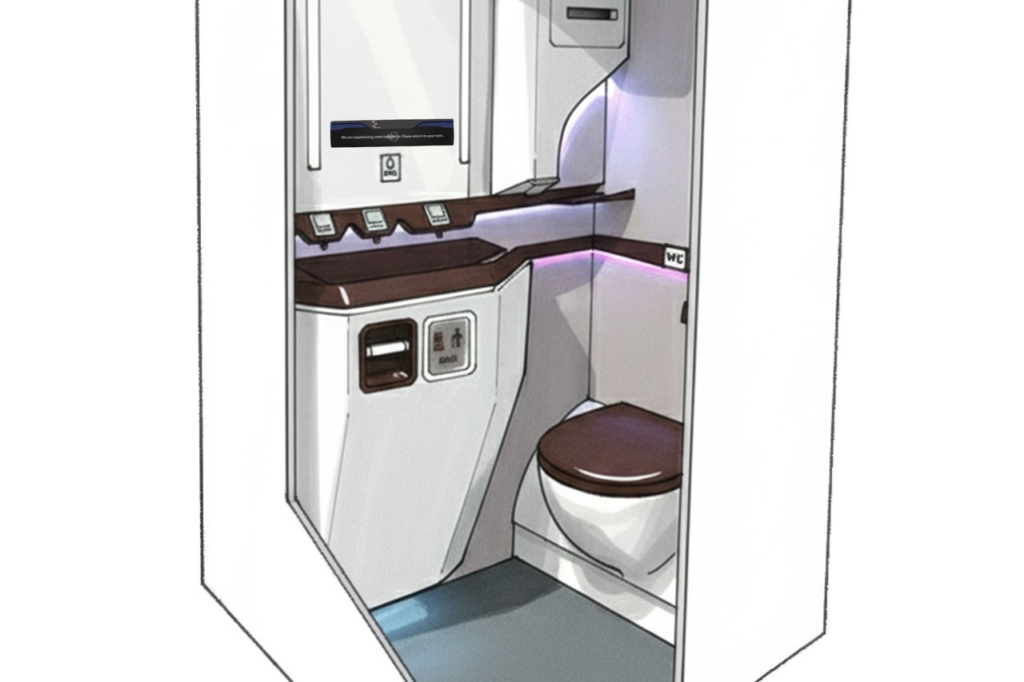
According to the CCA Jury members, Diehl’s AURS is “a highly innovative and practical approach to aircraft lavatory accessibility, integrating universal design into a standard lavatory architecture that can be adapted for a wide range of use cases. It combines personalised beacon settings and a tailored interface to address diverse accessibility needs in an intuitive, dignified, and near-term implementable solution with potential applicability across the wider aviation ecosystem.”

AURS supports the airline industry’s advancement toward cabins that work for all passengers, improving onboard usability and ensuring individual dignity.
Rethinking space without adding weight
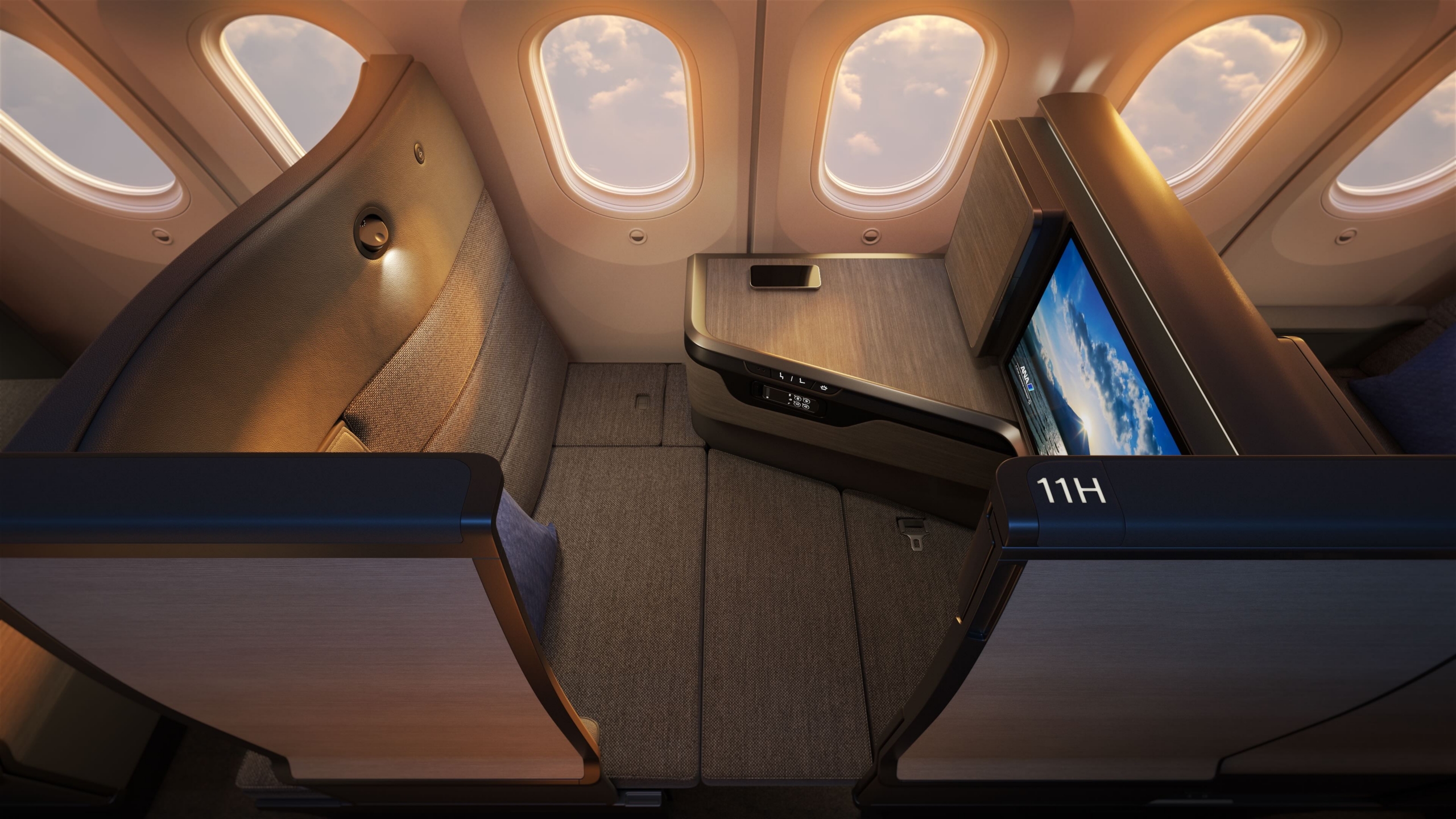
In Cabin Concepts, All Nippon Airways (ANA), working with Acumen Design Associates, took top honours with THE Room FX. The concept reimagines lie-flat seating by keeping the seatback fixed and moving only the legrest, creating a continuous sleeping surface within a smaller footprint.
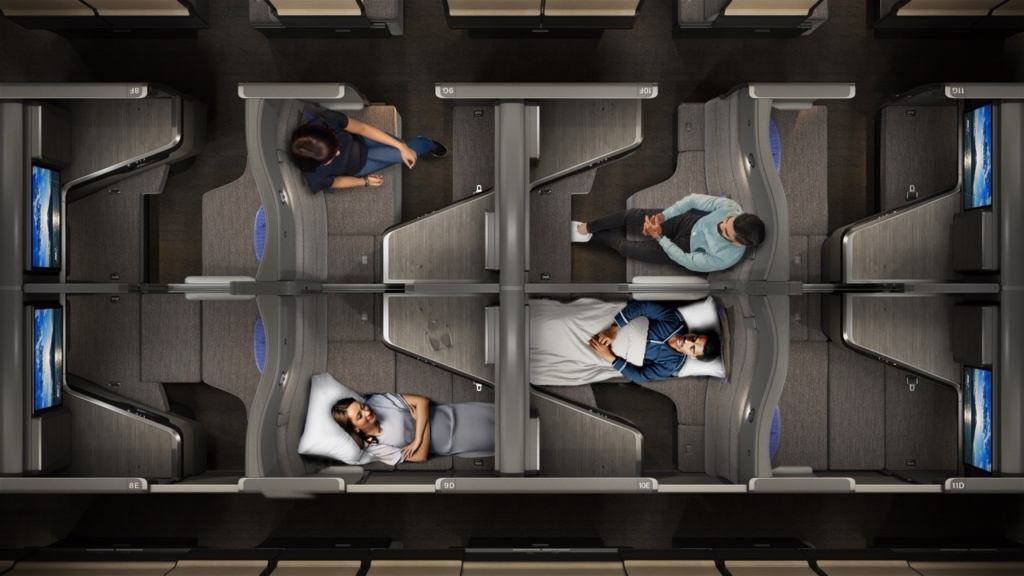
According to the CCA jury, THE Room FX delivers “a spacious passenger experience within a highly constrained footprint through exceptional design efficiency and minimal mechanical complexity. It optimises weight while enhancing comfort and functionality, balancing passenger needs and airline requirements. By improving existing seat architecture without compromise, even in smaller fuselage cross-sections, it provides a deeply innovative solution expanding space without added weight.”
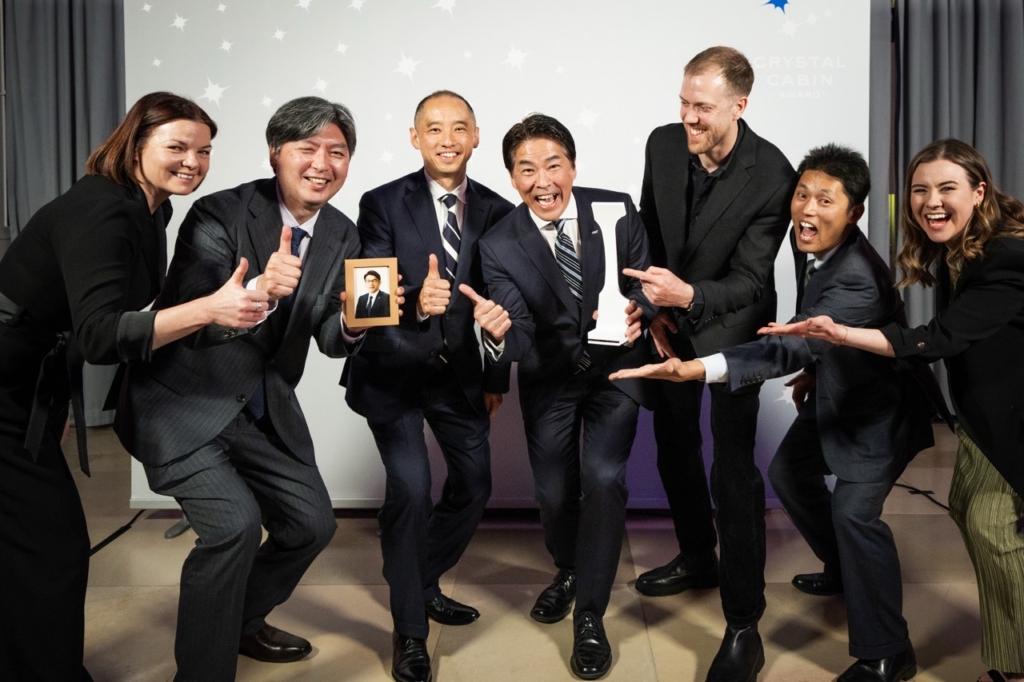
The result is a design that simultaneously improves passenger comfort and airline efficiency. We can expect future innovations to maintain this balance as aircraft cabins become more densely configured.
Turning unused space into passenger value
Collins Aerospace’s SkyNook, winner in the passenger comfort category, focuses on making better use of overlooked cabin areas. By converting unused sidewall space into semi-private zones, the concept creates flexible areas for families, passengers with pets, or those who need additional space.
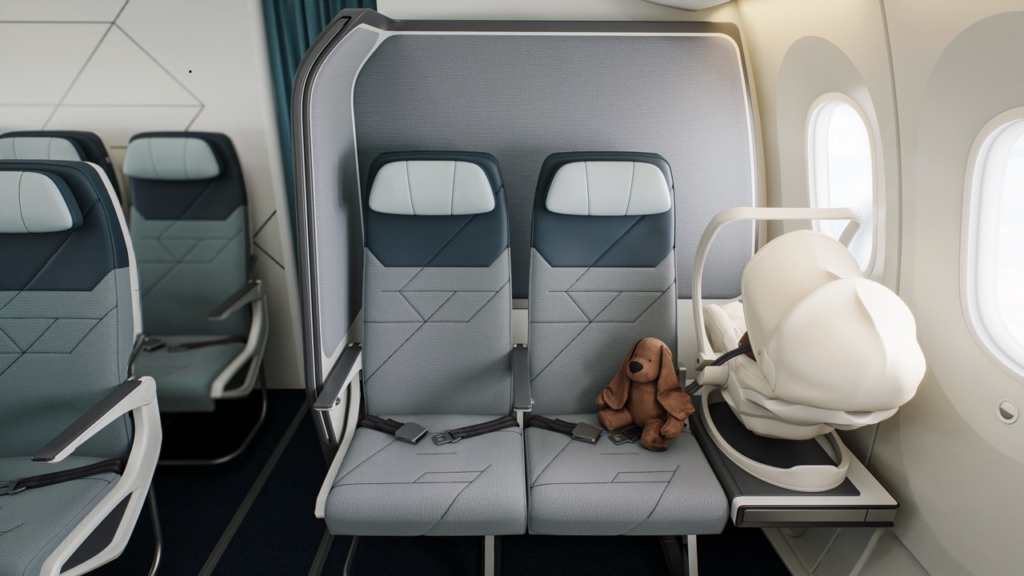
The CCA jury awarded the SkyNook for transforming lost cabin space “into a flexible, value-generating area that enhances passenger comfort and airline revenue potential.” They noted it “addresses real passenger and operational pain points, including families travelling with toddlers, by improving underutilised economy-class zones. The solution is practical, quickly implementable, and adaptable, turning unused space into desirable seating with clear multi-purpose benefits.”

This kind of innovation demonstrates a trend toward versatility—designing cabins that adapt to different passenger needs without requiring major structural changes.
Safety innovations for modern risks
In the Cabin Technologies category, AviusULD, in cooperation with Eloc8, was recognised for its SmartULD Fire Tag system. The device detects early signs of lithium-ion battery thermal runaway—up to two hours before a fire could ignite—and can be deployed in both cabin overhead bins and cargo holds.

The CCA jury selected SmartULD as a category winner this year, “for its simple and elegant approach to a highly relevant safety challenge. It addresses the growing issue of device-related risks without adding certification burden or complex system integration.” The jury recognised it as a practical solution to the significant risks of lithium-ion battery cabin fires, and sees “strong potential for it to become an industry baseline.”

As more passengers travel with one or more personal electronic devices, solutions like the SmartULD address one of aviation’s fastest-growing safety concerns.
A fully connected digital ecosystem onboard
Delta Air Lines won the IFEC & Digital Services category with its Connected Onboard Platform. The system integrates in-flight entertainment, connectivity, and operational data into a single architecture, enabling seamless interaction between passengers, crew, and aircraft systems.

The jury gave the Crystal Cabin Award to the Delta innovation because, “by consolidating maintenance, cabin crew, passenger experience, and operations into a single open platform, it enables seamless integration of multiple vendors and services. Its system- and connectivity-agnostic design provides Delta with exceptional flexibility, laying the foundation for a true technological breakthrough in IFEC ecosystems.”
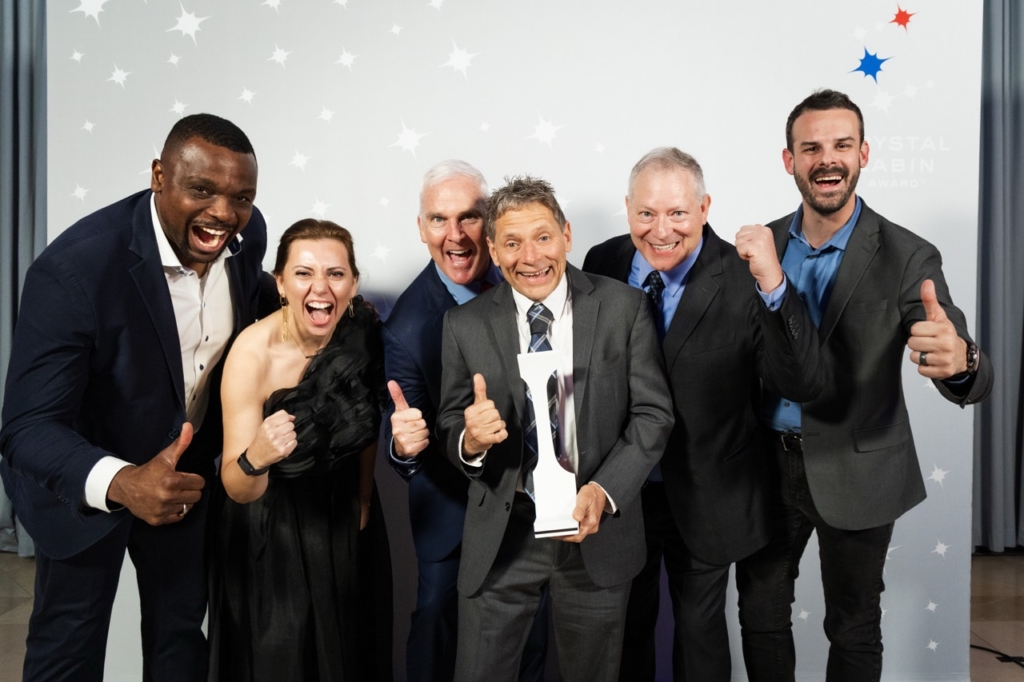
This platform-based approach lays the groundwork for more personalised passenger experiences in future and improves operational efficiency across fleets.
Sustainability moves from ambition to execution
In the Sustainable Cabin category, RECARO Aircraft Seating’s R Sphere concept demonstrates how incremental design improvements can deliver significant environmental gains. The modular seat reduces weight, uses recyclable materials, and incorporates bio-based components, cutting CO₂ emissions while maintaining durability.
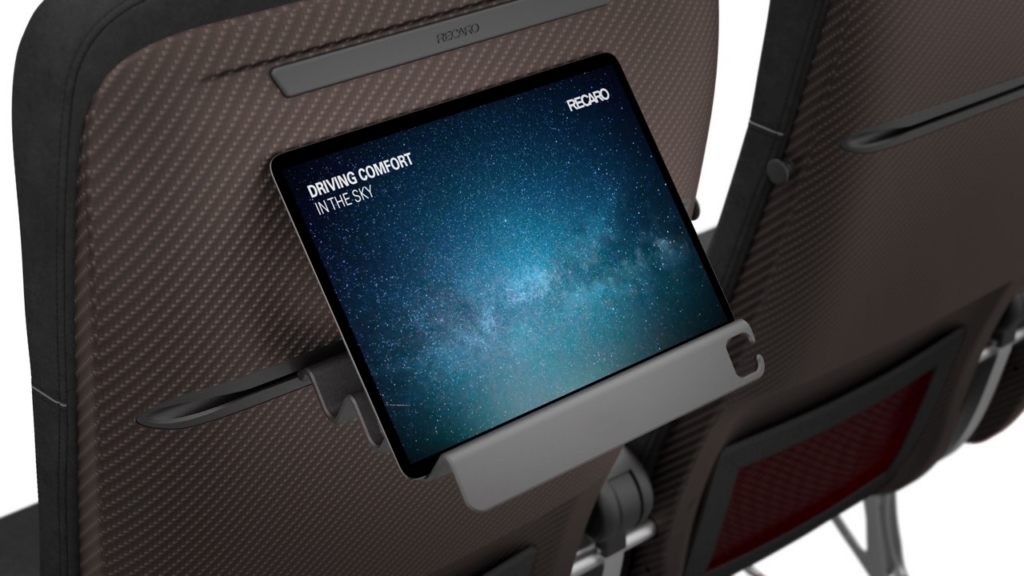
The jury recognised this entry because: “It combines multiple dimensions of sustainability—including materials, weight reduction, and circularity—into a single seat concept. A key highlight is the use of a sugar cane-based composite material. Already in revenue service, the seat delivers significant weight savings, modern premium design, and a strong focus on recyclable materials.”
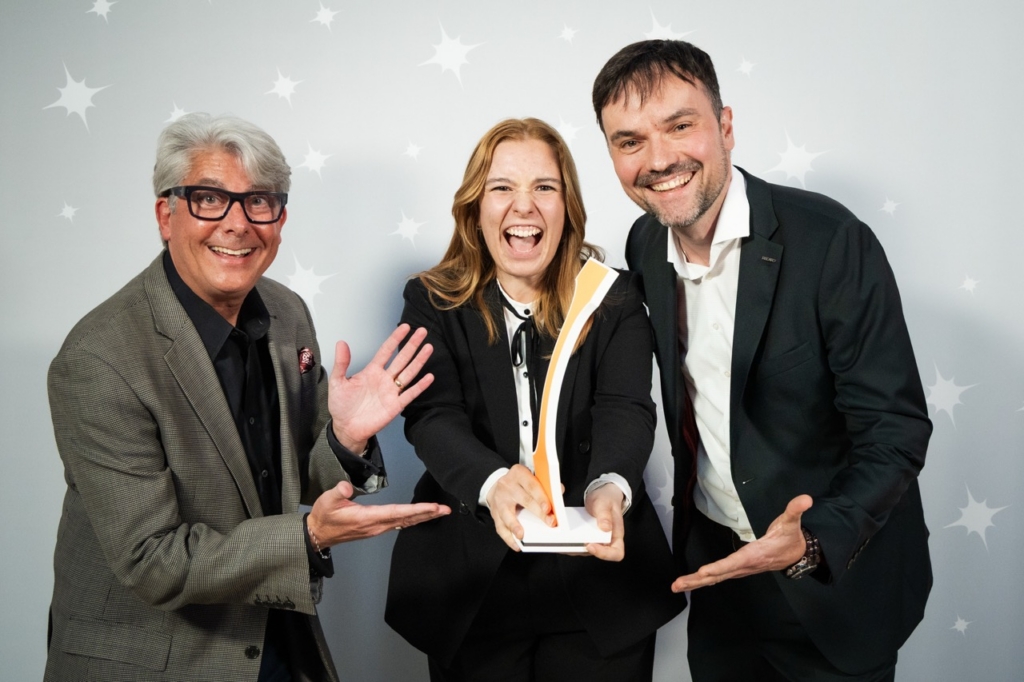
The R Sphere shows that sustainability in aircraft interiors is advancing from an industry target to real-world operations.
Smarter data for better digital experiences onboard
Digital innovation also extends to airline operations. Quvia, winner of the inaugural Breakthrough Start-ups category, offers an AI-powered platform that provides real-time visibility into onboard connectivity and entertainment systems. Consolidating data from multiple suppliers helps airlines diagnose issues faster and improve reliability across fleets.
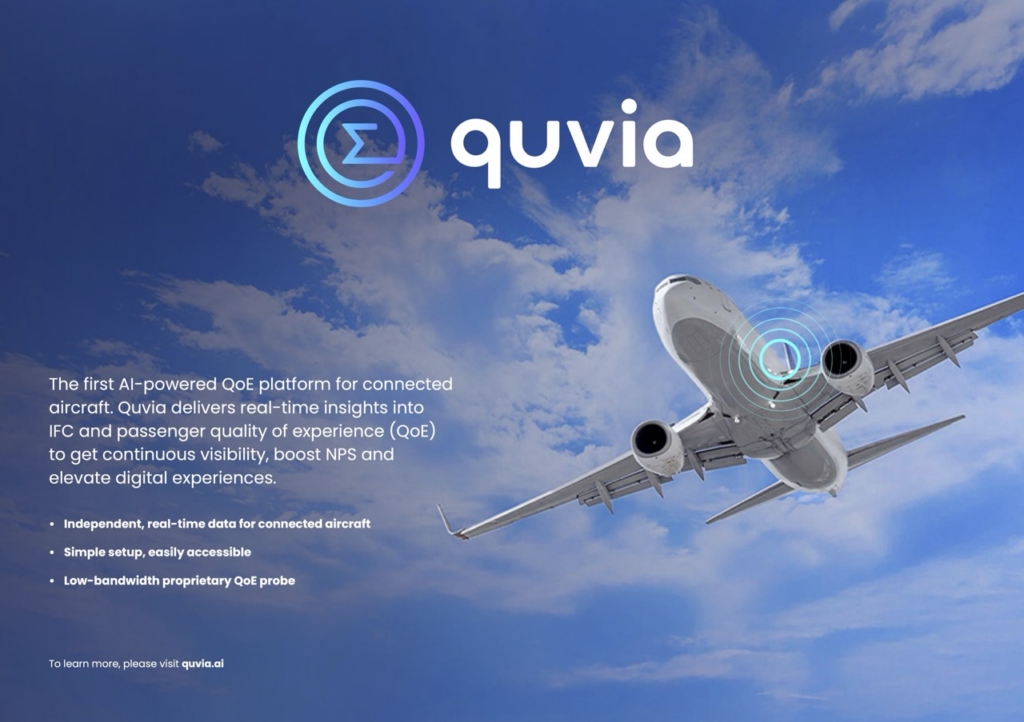
The CCA jury described the platform as “a true game changer,” adding: “It addresses a core and growing industry need by consolidating data from multiple IFEC and IFC suppliers into a unified view. By removing ambiguity in a complex environment, it provides airlines with unprecedented visibility, control, and optimisation across fleets and aircraft types.”

With digital services becoming essential to the passenger experience, we can expect more innovation in this area in the years ahead.
Innovation for smoother operations
In the University category, the Georgia Institute of Technology, in collaboration with Airbus, Delta Air Lines, and TU Delft, won for SMARTrack—an optimised cabin cleaning dispatch system. Improving coordination between crew and ground teams, it reduces turnaround times, cuts emissions, and enhances operational efficiency.
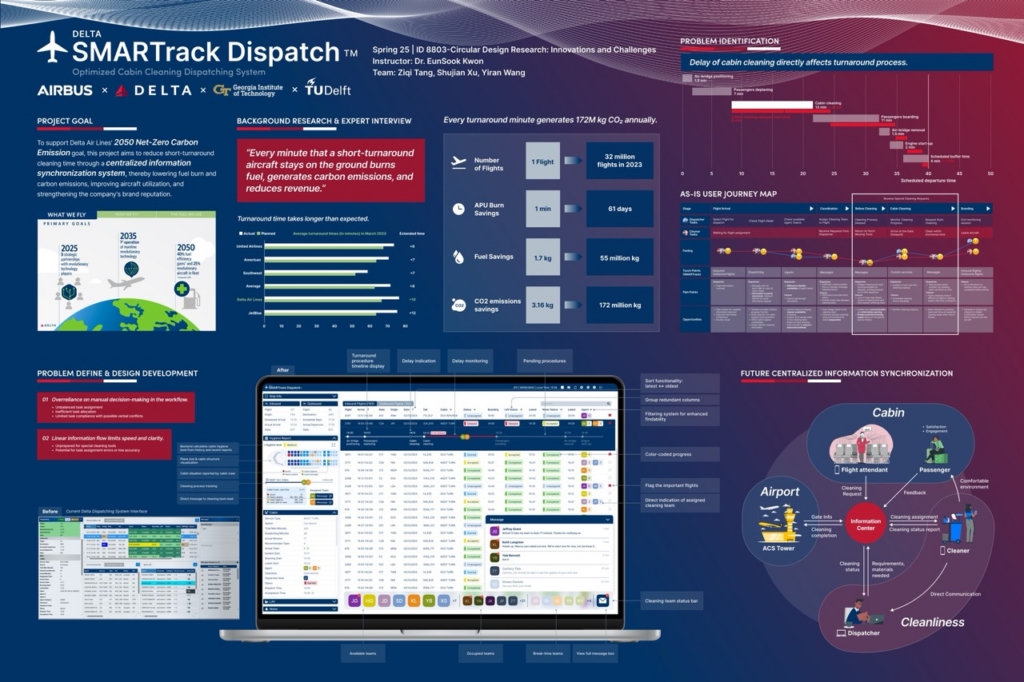
The jury selected this concept as a winner “for its clear real-world operational benefit combined with a relatively simple technological and implementation approach,” adding, “The solution enables faster boarding processes, delivering measurable cost and CO₂ savings, with significant benefits for airlines and passengers alike.”
The SMARTrack shows how the future of air travel is being defined by tomorrow’s industry designers and engineers.
A clearer vision of tomorrow’s flight
The 2026 Crystal Cabin Award winners reveal an industry moving toward a more inclusive, efficient, and sustainable future enhanced by new materials and technology.
What stands out is the practicality of these innovations. Far from blue-sky or distant concepts, these solutions are designed for near-term adoption and some, like ANA’s THE Room FX, are already flying. The Crystal Cabin Awards don’t just predict future passenger experience trends, they help them take off.
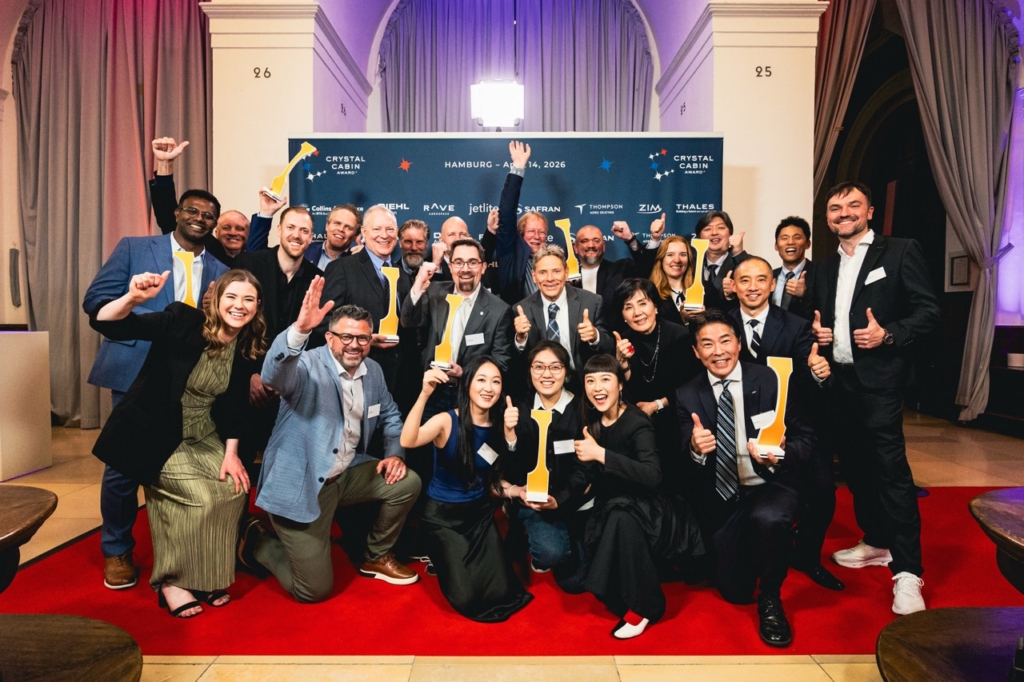
Year after year, many innovations recognised by these prestigious awards have succeeded in flying, if not right away, then soon after. Most recently, Air New Zealand announced that its SkyNest economy sleep pod concept, which earned a Crystal Cabin Award for cabin concepts in 2023, will go on sale this May and will fly on its Boeing 787-9 starting in November.
For passengers, this year’s CCA winners show that the future of flying will feel more personal, more adaptable, and more accessible than ever before.
Featured Image: All Nippon Airways (ANA)