


Frontier Airlines posts record quarterly revenue as turnaround gathers momentum

3 min read

Frontier Airlines has reported its highest quarterly revenue on record, benefiting from strong passenger demand and higher ticket pricing.
The Denver-based ultra-low-cost carrier released its quarterly earnings on Wednesday, showing that it had outperformed market expectations after a tricky few years in the post-COVID era.
Parent company Frontier Group Holdings generated second-quarter revenue of $1.279 billion for the three months ending 30 June, a 38% increase compared with the same period last year.
The result exceeded industry forecasts, and the airline said it was proof that its transformation strategy was working.
Frontier makes a loss in Q2 2026 – but turnaround plan appears to be working
While Frontier still reported a net loss of $90 million for the quarter, the figure improved to an adjusted loss of US$22 million once one-off costs associated with returning leased aircraft were excluded. The adjusted result outperformed company guidance.
President and chief executive Jimmy Dempsey said the latest figures demonstrated that the airline’s overhaul was beginning to translate into an improved financial performance.
“Our transformation plan is delivering meaningful results, reflecting our team’s relentless focus on execution,” he said.
“The strength of our second quarter revenue performance is a testament to the momentum we are building through our commercial initiatives, product investments and loyalty enhancements, as well as the continued resilience of the demand environment.”
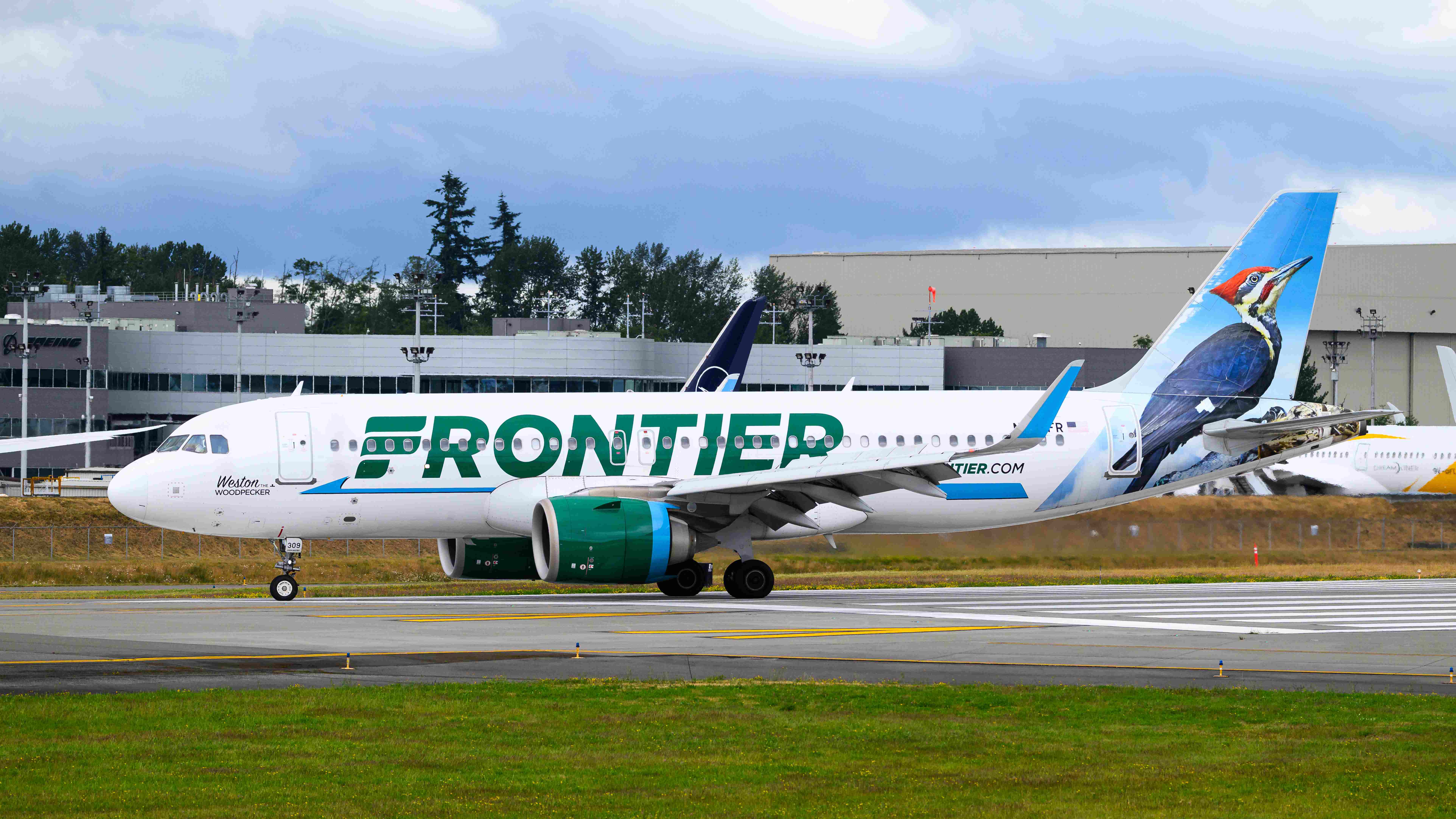
The stronger performance comes after a turbulent period for Frontier, which had warned that weakening consumer confidence and broader economic uncertainty were impacting demand for air travel.
Earlier this year, the airline joined other US carriers in asking the Trump administration for $2.5 billion in relief as soaring jet fuel prices put pressure on the lowest airfares in the market.
Revenue growth outpaces capacity expansion
Frontier’s revenue per available seat mile (RASM), a key measure of an airline’s financial health, increased by 28% year on year to 11.52 cents.
Capacity grew by 8% over the same period, while load factor increased to 80.3%.
Frontier attributed the improved performance to strong leisure travel demand and ongoing improvements to its revenue management strategy.
Operating expenses included a one-off charge linked to the early return of 24 Airbus A320neo aircraft under revised lease agreements, part of a broader effort to optimise fleet economics.
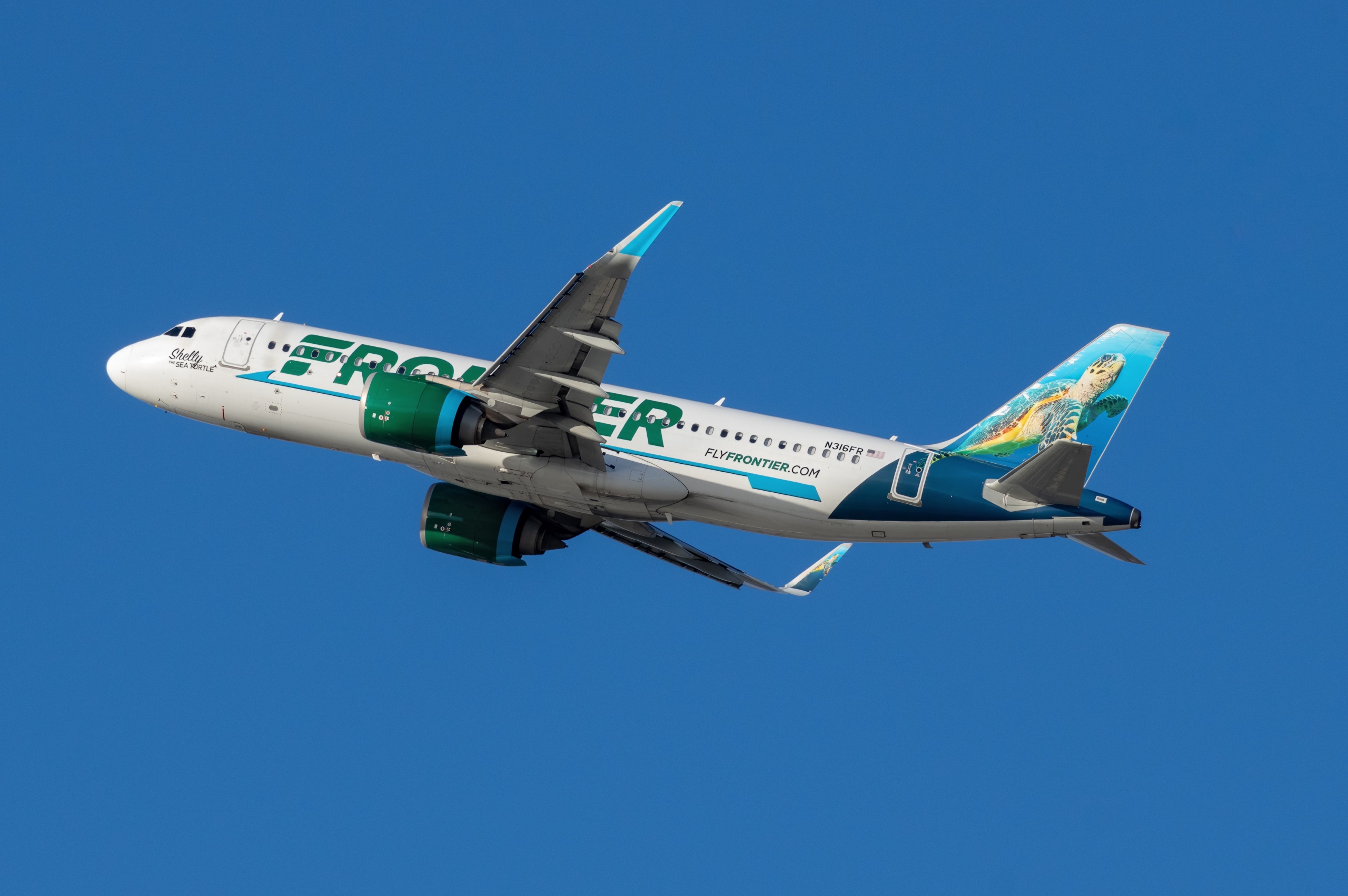
The airline finished June operating a fleet of 165 Airbus single-aisle aircraft comprising A320ceos, A320neos, A321ceos and A321neos.
During the quarter, it accepted delivery of six new Airbus aircraft while returning the 24 A320neos under the early lease termination programme.
Looking ahead, Frontier expects to receive a further six A320-family aircraft during the third quarter, including five A321neos.
Alongside fleet renewal, the airline is investing in the passenger experience.
Earlier this month, the airline announced plans to introduce SpaceX’s Starlink satellite internet across its fleet from early 2027.
Beyond passenger WiFi, the system will also support pilots, cabin crew, maintenance teams, and ground operations with gate-to-gate connectivity.
Positive outlook despite industry headwinds
Frontier expects the momentum to continue into the second half of the year, with the carrier forecasting another quarter of double-digit revenue improvement.
The airline anticipates RASM growth of more than 20% in the third quarter, which would mark its third consecutive quarter of double-digit gains.
The carrier expects third-quarter capacity to increase by between 17% and 18% year on year, before moderating to around 7% growth in the final quarter of 2026.
“We are pleased to see macro conditions remain strong and I’m confident we have the right plan in place to restore sustainable earnings growth for the long term,” Dempsey said.


