Why extra-legroom seats are a goldmine for airlines

4 min read
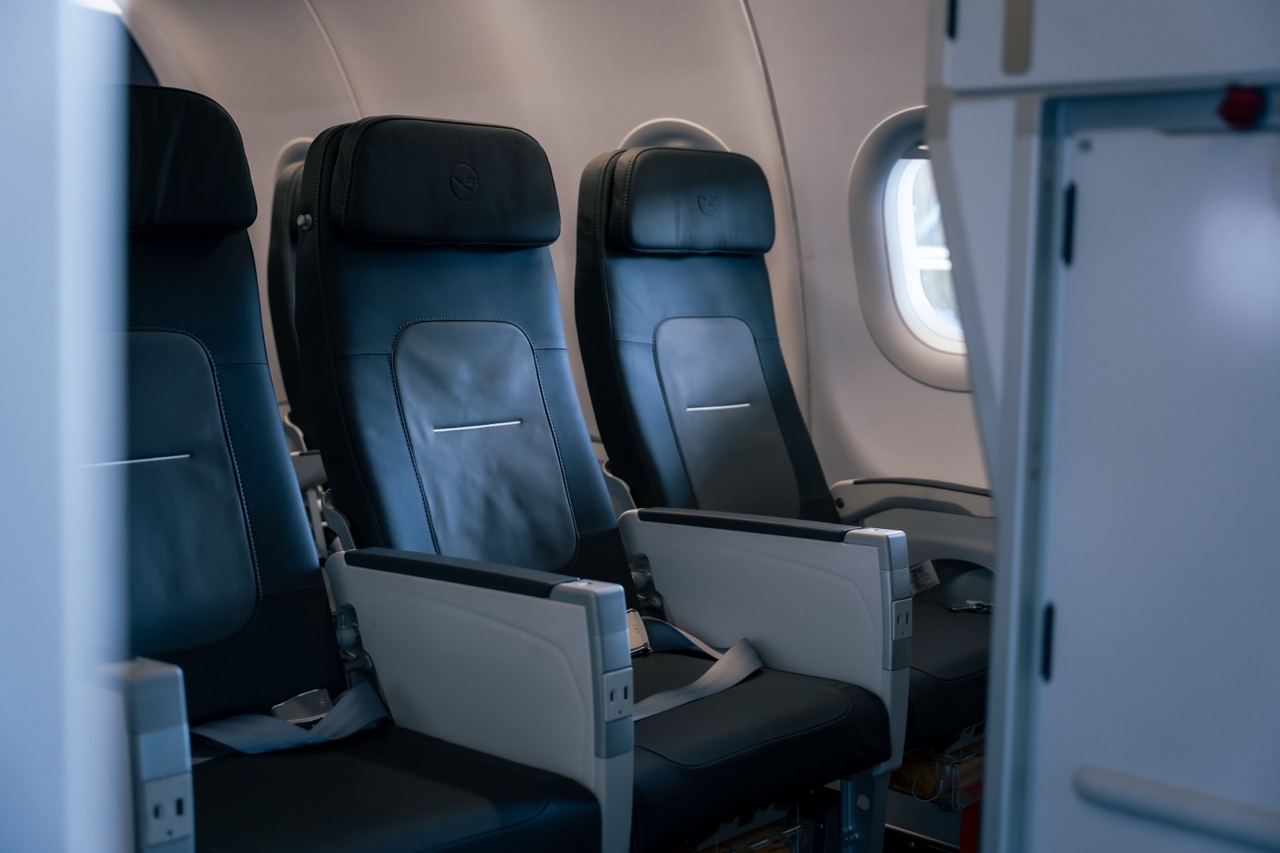
Booking a flight now feels like building your own ticket. First there’s the base fare, then you add extras like bags, seat selection, boarding priority or extra-legroom. What used to just be included in your ticket now needs to be prebooked, with airlines increasingly steering passengers toward any paid upgrade possible.
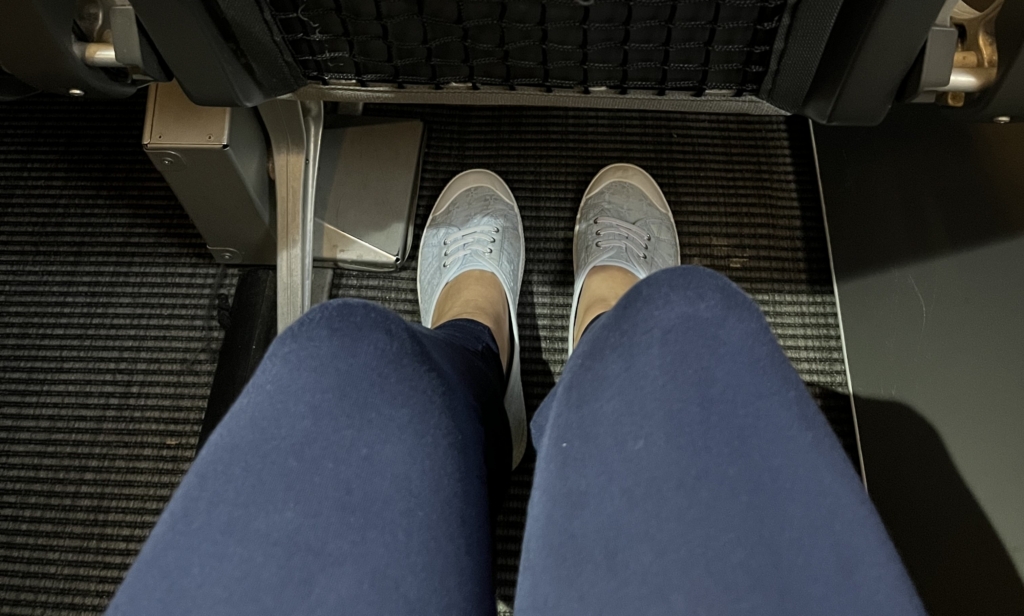
With margins paper thin, it’s not exactly surprising that airlines do this. Instead of relying solely on ticket sales, travellers are now enticed to spend a little extra for comfort without moving to business class.
Airline ancillary revenue growth and the value of extra-legroom seats
The bigger financial picture matters when it comes to selling extra-legroom. According to IdeaWorksCompany’s 2025 Global Ancillary Revenue Report, ancillary revenue now accounts for roughly 15.7% of total airline income, compared to just 9.1% in 2016. The “extras” are no longer extra but are instead central to an airline’s business model.
Extra-legroom seats work so well because they pretty much sell themselves. Whether a passenger needs more space for medical reasons, comfort or simply to make their flight feel a little extra special, it’s generally something they decide on easily.
How do airlines make money from extra-legroom economy seating?
From an operational standpoint, these seats are remarkably efficient. Airlines don’t need to install new cabins because for short-haul routes, the seats are generally located next to aircraft exit doors. The fact that space is required to open the doors in an emergency means there’s more room anyway – so why not sell it?
Airlines also don’t need to offer premium meals.

And when it comes to passenger experience, people are clearly willing to pay. Extra-legroom or preferred economy seats can sell for up to twice the price of a standard economy seat, despite only offering a few extra inches of space.
That pricing gap is where the magic happens. The cost to the airline is minimal, but the revenue upside is significant, especially when multiplied across an entire fleet.
Premium airline seating demand vs economy class trends
Recent performance data shows this strategy is paying off. According to financial results reported by The Wall Street Journal in early 2026, United Airlines saw premium and extra-legroom seating revenue rise by 9% year-on-year, outperforming overall revenue growth.
Some airlines are also adjusting their cabins to reflect this demand. The same publication reports that since 2020, airlines have added premium and extra-legroom seats faster than standard economy, as they focus on the parts of the cabin that generate extra revenue.
Basically, passengers may be price-sensitive, but they’re still willing to pay for comfort if it’s deemed value for money.
How extra-legroom seats impact airline ticket pricing models
Extra-legroom seating has a big influence on an airline’s entire pricing structure. By monetising comfort, airlines can keep headline fares competitive while pulling in extra income elsewhere.
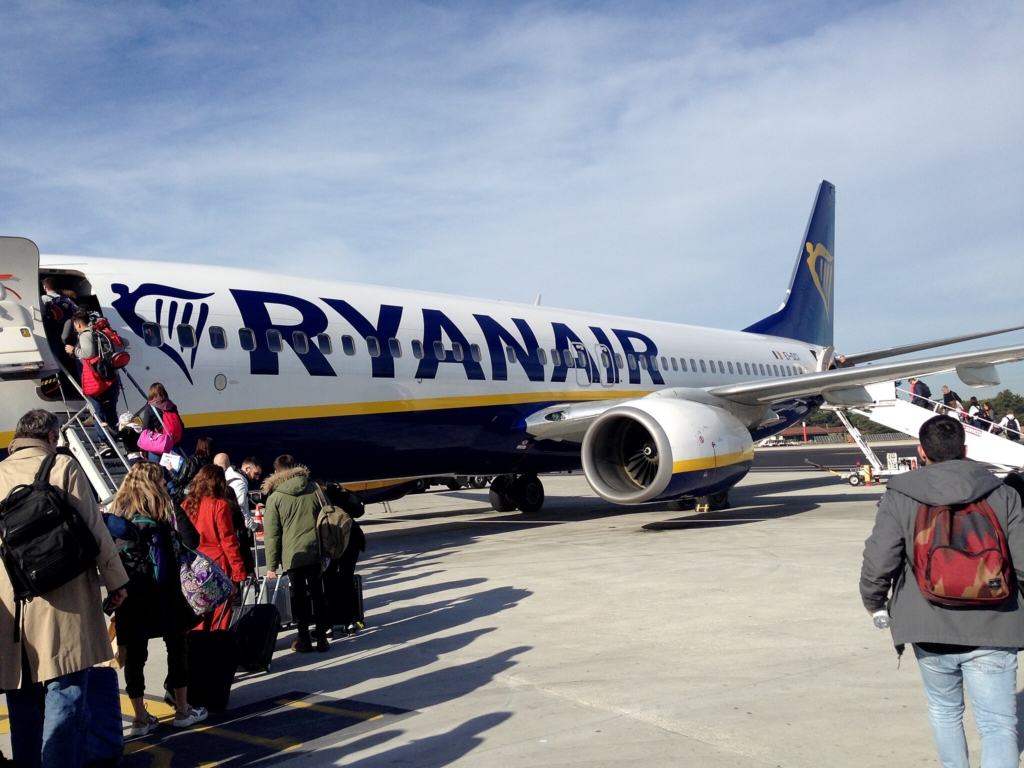
According to analysis from Travel Weekly, this model has contributed to a long-term decline in average airfares, even as airline revenues have gone up. This is largely due to the growth of ancillary services.
In effect, passengers who pay to upgrade are helping to subsidise those who opt for the lowest fares. It’s a balancing act, but one that has reshaped the economics of flying.
What are the risks of shrinking economy cabins?
Carriers that opt to take leg-room away from standard economy rows in order to give other rows extra space need to be careful though. Squeeze basic economy space too much and they will certainly start facing criticism. WestJet recently learnt this the hard way.
Interestingly, South Korean “hybrid” long-haul carrier Air Premia has begun removing seats from its Boeing 787-9 Dreamliner aircraft to give its long-haul economy passengers more legroom, going against the grain of packing more seats into cabins. It’s a move designed to differentiate itself and attract more long-haul passengers by improving comfort, rather than competing purely on price.
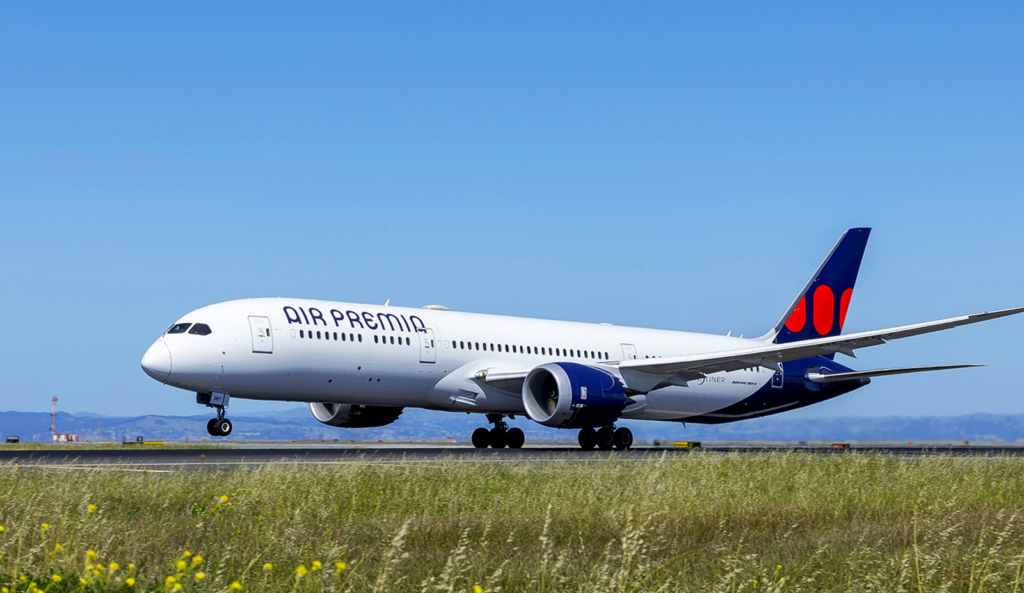
Airlines have to walk a fine line: create enough contrast to encourage upgrades, but not so much that the base product becomes unacceptable.
Extra-legroom seats are here to stay
Economy seats with extra space might not seem much, but they’re hugely important in airline strategy. Not only are they easy to market but also cheap to implement, driving substantial extra revenue.
For airlines, it’s an easy win. As long as passengers see the value in paying for comfort, whilst avoiding more expensive business fares, extra leg-room will remain one of aviation’s most reliable cash cows.
Featured image: Lufthansa