


European Parliament approves overhaul of EU air passenger rights
4 min read
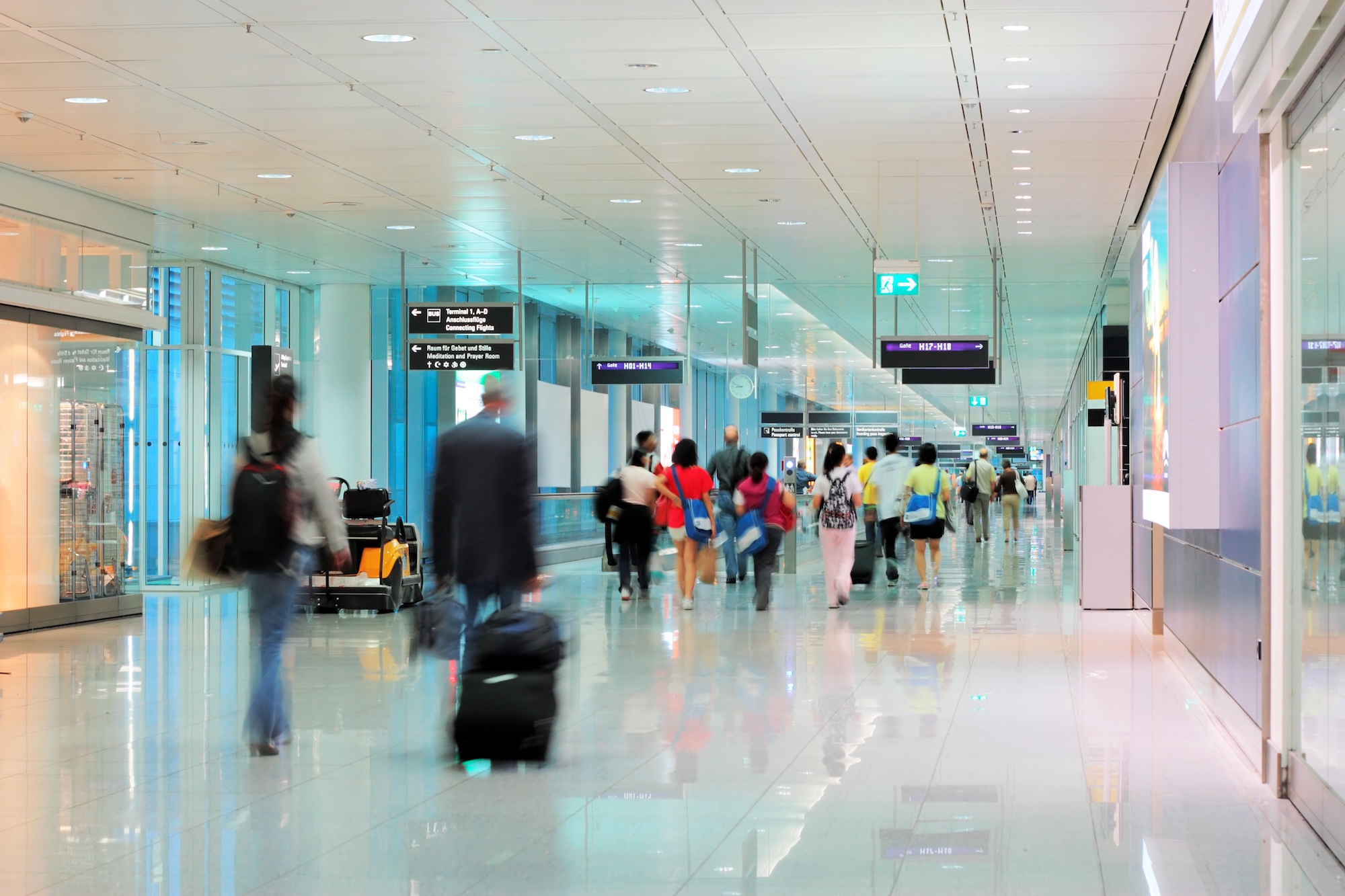
The European Parliament has approved a major overhaul of EU air passenger rights – the most significant in more than two decades.
MEPs voted overwhelmingly in favour of the revised legislation after reaching a compromise with the Council of the European Union, ending more than a decade of political deadlock over reforms to Regulation EC261, the passenger rights framework first introduced in 2004.
Preserving EC261 rules for passengers
The move this week paves the way for a series of new protections for passengers while preserving the compensation rules which have become a popular protection for passengers facing delayed or cancelled flights.
MEPs said the updated rules are designed to simplify the compensation process for passengers affected by disruption to their journeys, improve transparency when booking flights and introduce a range of additional consumer protections covering families, passengers with reduced mobility and those with cabin baggage.

One of the most closely watched aspects of the negotiations centred on compensation for delays. Industry groups had argued that airlines should only be liable after longer disruption periods.
However MEPs backed the existing protections, and passengers will continue to qualify for compensation when flights are delayed by more than three hours, while those whose flights are cancelled less than 14 days before departure, or who are denied boarding, will also remain eligible.
Compensation levels have also been preserved. Passenger will be entitled to €250 for flights of up to 1,500km, €400 for longer intra-European journeys and flights between 1,500km and 3,500km, while passengers on longer services can claim up to €600.
Airlines will, however, be able to reduce compensation by 50% on the longest routes if passengers are rerouted promptly or the arrival delay remains below four hours.
Simpler compensation claims and clearer ticket pricing
MEPs said a central objective of the reforms was to reduce the complexity of making compensation claims.
Under the revised legislation, travellers choosing a refund instead of re-routing to their final destination will receive reimbursement automatically rather than having to go through a lengthy claims procedure.
Airlines will also be required to provide passengers with clear guidance on how to seek compensation within four days of completing their disrupted journey.

Passengers will have up to nine months to submit claims, while airlines must respond within 30 days, either paying compensation or explaining why an exemption applies and outlining the next stages of the complaints process.
Airlines, ticket agents and online comparison sites will also be required to display fares that include the cost of standard cabin baggage from the outset, supposedly making it easier for consumers to compare the true cost of competing tickets. However industry experts have warned that this will complicate pricing for passengers who have become used to travelling with just a small cabin bag.
Airlines will still be permitted to sell lower-priced fares to travellers who choose not to take larger carry-on luggage.
Transport and Tourism Committee Vice-chair Virginijus Sinkevičius said: “We have good news for everyone who flies. We worked hard to make sure passengers did not lose the rights they already had, while securing better protection for families, people with reduced mobility, and others who need it most.”
New protections for families and vulnerable passengers
The revised rules introduce several additional rights for families and passengers requiring assistance.
Airlines will no longer be allowed to charge families to sit next to each other, with children under the age of 14 guaranteed a seat next to the accompanying adult at no extra cost.
The same protections will apply to passengers with disabilities, those with reduced mobility and pregnant travellers.
For passengers requiring assistance at the airport, if they miss a flight because an airport fails to provide the assistance airlines will be responsible for providing onward travel alternatives or compensation.
Other changes include the removal of fees for correcting minor spelling mistakes in passenger names and an end to charges for printed boarding passes where passengers have already checked in.
Airlines must also issue digital boarding passes without requiring passengers to create online accounts or download mobile apps.
Airlines maintain exemptions to payouts
One element of the revised rules that will please airlines is the exemption from paying compensation where delays or cancellations result from extraordinary circumstances beyond the carrier’s control.
The legislation includes examples such as severe weather, natural disasters, armed conflict, disruptive passenger behaviour and strikes involving airports, air navigation service providers or ground handling companies.
Regardless of the cause of disruption, carriers will remain subject to the same duty of care obligations, including providing refreshments, meals and, where necessary, overnight accommodation for stranded passengers.
Rapporteur Andrey Novakov said the vote was a win, “for both passengers and European aviation”.
He added: “After more than 13 years of deadlock, we are finally replacing uncertainty with clear rules, stronger rights and confidence. When people take a plane, their rights will not be left behind on the ground.”
The legislation must now receive formal approval from the Council of the European Union before entering into force.
Once published in the Official Journal of the European Union, member states and the aviation industry will have one year to implement the new rules.
Featured image: tomispin | stock.adobe.com


