


Emirates to integrate AI across airline operations with OpenAI collaboration

4 min read
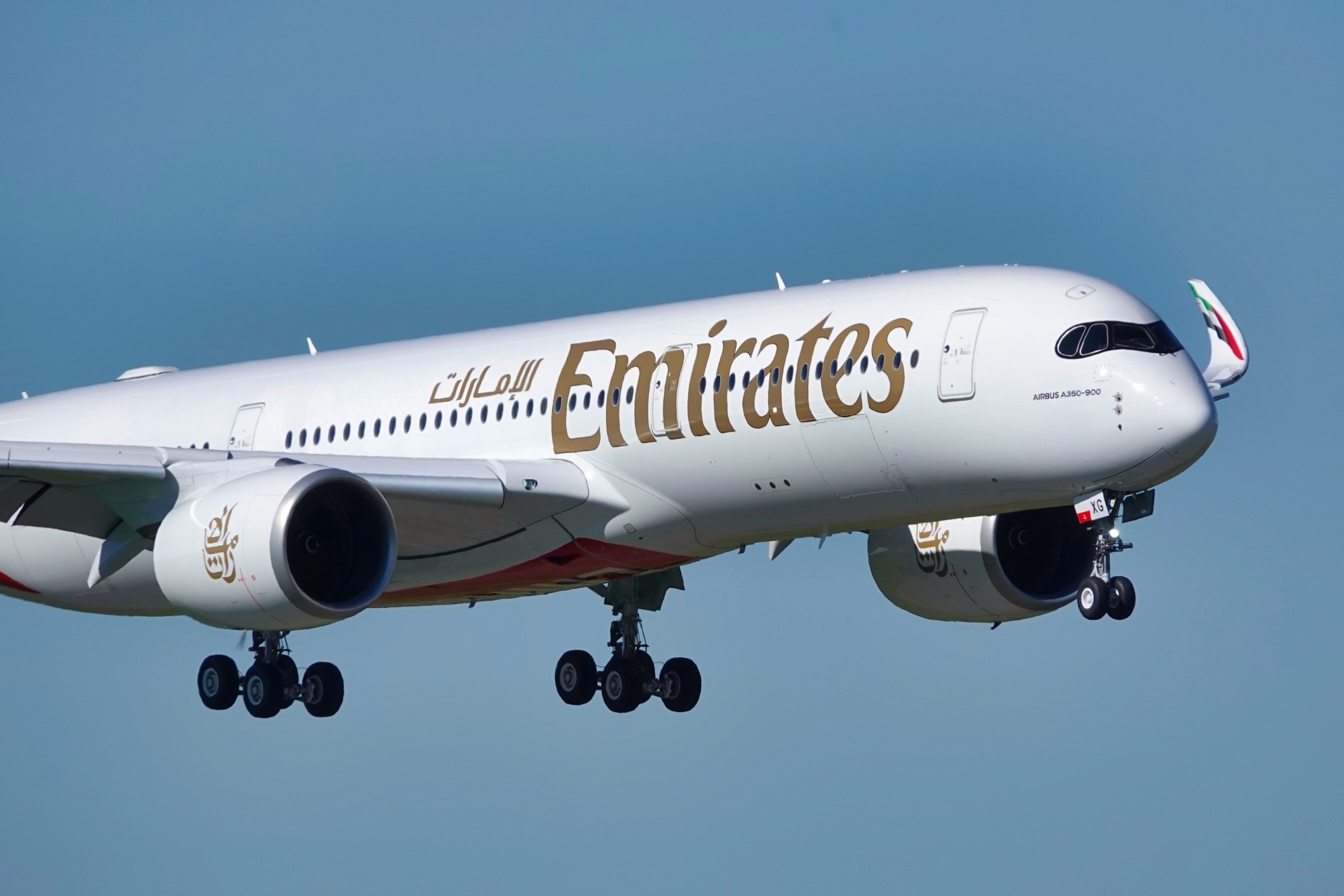
Emirates Group has signed a memorandum of understanding with OpenAI to explore practical applications of artificial intelligence across its operations.
The agreement will see the rapidly growing airline deploy ChatGPT Enterprise and develop internal training and governance structures aimed at embedding AI tools into its operational, commercial and customer-facing processes.
The move comes as the airline industry grapples with how best to make use of the emerging technology, which has the potential to streamline operations and save carriers vast sums of money.
Emirates explores the ‘enormous potential’ of AI
The Emirates-OpenAI collaboration will focus on establishing an internal network of AI “champions” and a dedicated AI Centre of Excellence, while technology teams from both organisations work together to develop deployment frameworks and controlled testing environments.
The partnership is intended to allow Emirates to explore practical use cases across multiple areas of the business.
Ali Serdar Yakut, Executive Vice President IT at Emirates, said the carrier saw “enormous potential for AI technology” to support its business requirements, “helping us tackle complex commercial challenges, strengthening our operations, and enhancing the customer experience”.
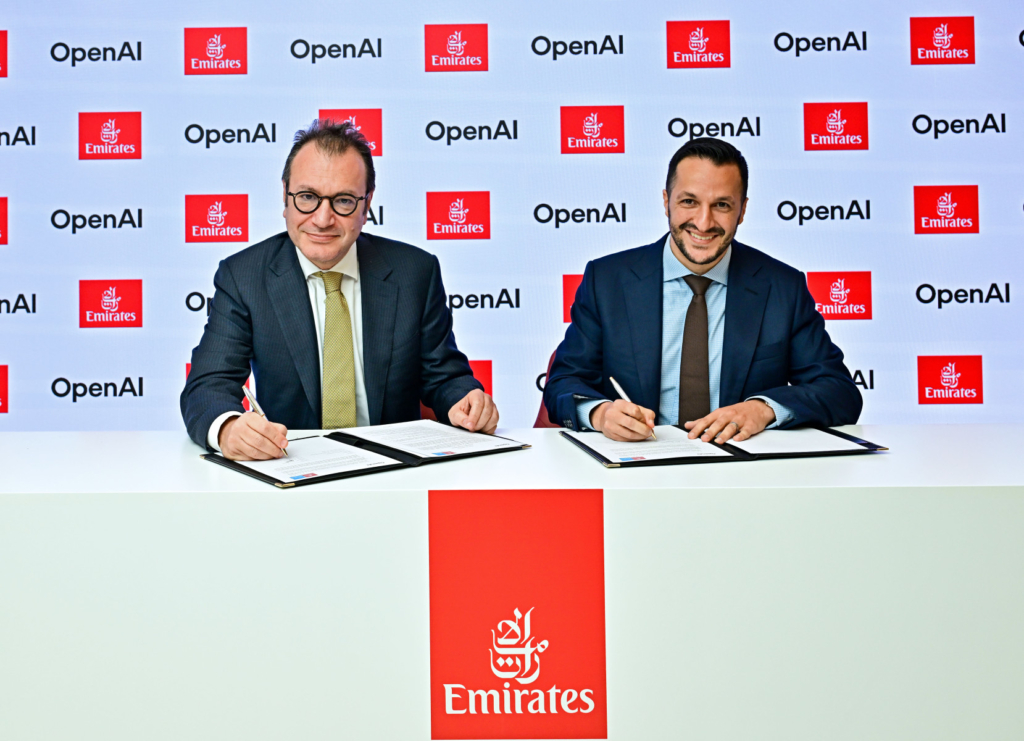
He added: “Closely working with OpenAI will make our technology investments both strategic and scalable, enabling us to deliver enhanced value to our employees and customers, fundamentally changing how we innovate, deliver value, and maintain our competitive edge in the industry.”
Rod Solaimani, Regional Director MENA & Central Asia at OpenAI, described Emirates’s plan for AI incorporation as a “bold vision” for how the technology could “transform the future of aviation”.
He said: “With this collaboration, we’re proud to help them bring that vision to life – embedding intelligence across their operations, empowering teams with powerful new tools, and reimagining the travel experience for millions of customers.”
AI in the airline industry
Airlines are increasingly turning to artificial intelligence to improve efficiency and reduce operational costs.
Predictive maintenance systems, fuel optimisation tools, and automated scheduling algorithms are among the most common applications, while generative AI is being tested for tasks such as customer interaction and internal process automation.

The aviation sector faces unique constraints, however, including rigorous safety requirements and regulatory oversight.
Any AI system deployed in operational decision-making must integrate with human operators and comply with strict certification standards.
As a result, most airlines have adopted a phased approach, starting with back-office or support functions before moving into more critical operational roles.
Some are trailblazers, however. American Airlines, for example, is harnessing the power of machine learning to shorten taxi times, reduce ramp congestion and help aircraft get to gates faster.
The technology AA is using minimises situations where arriving aircraft must wait for an available gate.

Developed by American’s Information Technology and Operations teams, Smart Gating technology uses real-time flight information and other data points to automatically assign arriving aircraft to the nearest available gate with the shortest taxi time.
American first started testing the tool at Dallas-Fort Worth International Airport in 2021. Since then, the tool has helped the carrier shorten aircraft taxi times by 20% or about two minutes per flight. In all, Smart Gating has helped American reduce the amount of time its aircraft spend taxiing at DFW by more than 11 hours each day.
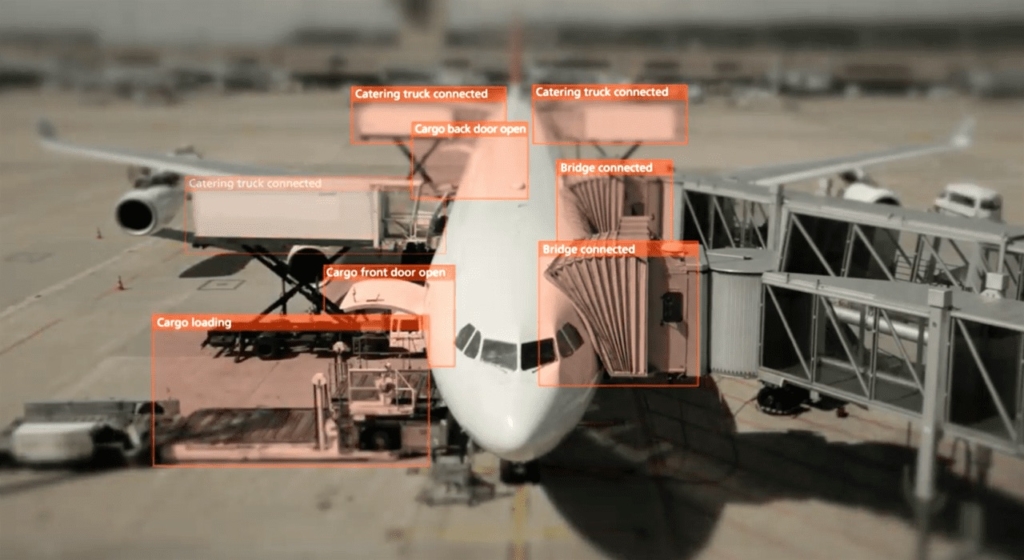
Elsewhere, AI-powered aircraft turnarounds are helping to cut turnaround times by 25%, and the technology is powering a revolution in flight training, getting trainee pilots up to speed faster.
However, most stakeholders agree that the use cases for AI in aviation are yet to be defined, and it’s only through centres of excellence, such as Emirates and a similar initiative by Air France-KLM, that the full potential will be realised.
Implications for Emirates
Emirates’ collaboration with OpenAI will help to expand the scope of AI across the company, from crew and fleet management to commercial operations and customer engagement.
The initiative also gives Emirates early access to emerging AI developments, allowing it to explore innovative solutions such as real-time data analysis for operations planning, personalised customer communications, and rapid prototyping of AI-assisted workflows.
But the integration of AI into airline operations is not without challenges. Safety, explainability, and human oversight will remain important factors.
Featured image: Emirates


