


Boeing improves the range of its 787 Dreamliners with increased MTOW limits

4 min read
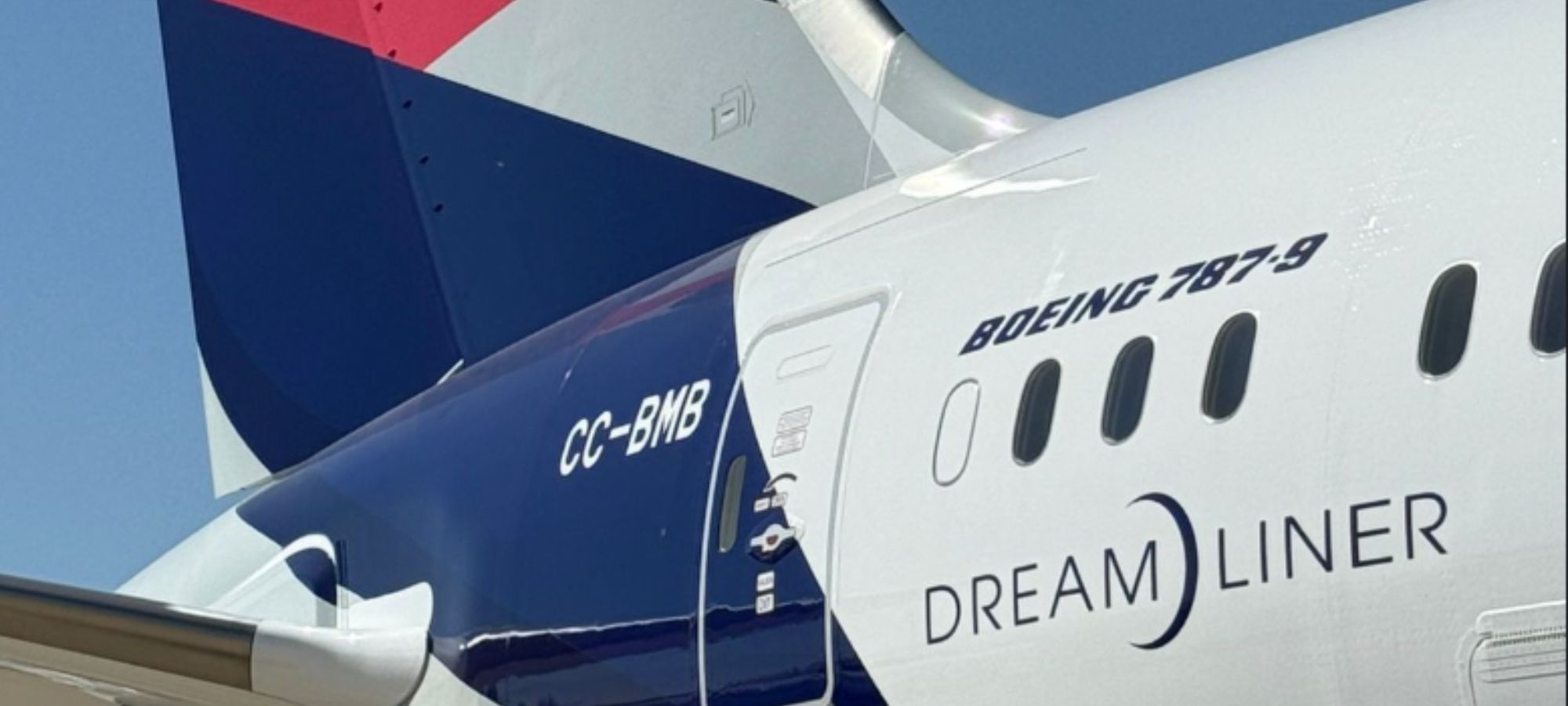
US planemaker Boeing has said that it will deliver the first higher take-off weight 787 Dreamliner to a customer in early 2026. The move allows the best-selling twin-aisle aircraft of all time to carry more cargo or additional range, permitting longer routes to be flown.
First announced in 2022, Boeing has been working on an increased Maximum Take Off Weight (MTOW) version of the Dreamliner for several years, allowing the widebody airline to better compete with its European counterpart, the A350.
Boeing increases the MTOW of the 787 Dreamliner
At the Singapore Airshow currently being held in the Asian city-state, Darren Hulst, Vice President of Commercial Marketing at Boeing, confirmed that the company would deliver the first aircraft certified for the higher maximum take-off weight (MTOW) in early 2026, improving the already attractive economics of the world’s best-selling twin-aisled widebody jet.
The improvements, to be introduced across both the 787-9 and 787-10 variants, will see the MTOW of the 787-9 increase by 4,540kg (10,000lb) while the longer, higher capacity 787-10 will see an improvement of 6,450kg (14,219 lbs).
The increased weight capacity meant that the two 787 variants will see a range improvement of around 400 nautical miles (740km), or alternatively, up to six tons (12,000lbs) of additional cargo payload, said Hulst.
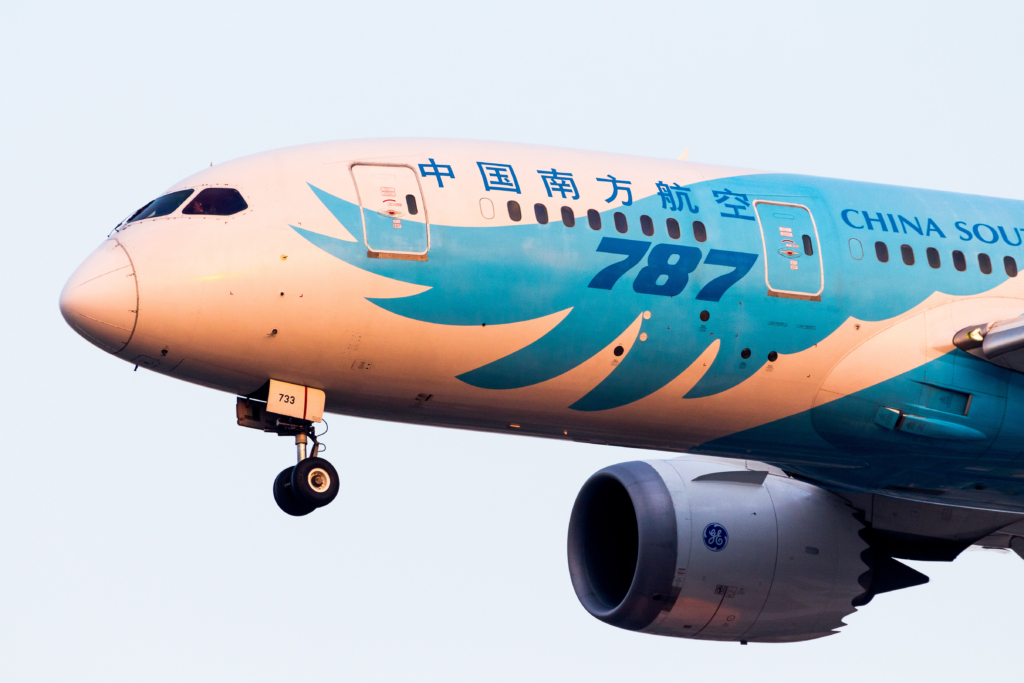
While the increased MTOW does not allow for additional fuel to be physically loaded onto the 787, the design modifications will enable the increased range (on top of 7,565nm and 6,330nm) of additional endurance on the 787-9 and 787-10, respectively.
This will provide airlines with greater deployment options for the types in terms of routes, or the carriage of additional cargo loads on routes where freight revenue is paramount. The 787-8 is not inclued inthe MTOW increase programme.
It is envisaged that the improvements could also open the door to a raft of new orders for the 787, with several airlines already having expressed an interest in higher MTOW variants of both types.
Additionally, the use of the aircraft on certain routes could see airlines replace dedicated freighters with standard passenger jets as carriers take full advantage of the higher MTOW economics.
The aircraft could also open up the possibility of flying longer routes with the 787-9 and -10 that are currently range-limited for the type. Along with better fuel economies and efficiency, analysts say that the extended range could be a game-changer for certain airlines.
The first higher MTOW aircraft are already in production
Hulst told reporters at the Singapore Airshow that the first of the higher MTOW versions of the Dreamliner are already in production, with the first deliveries due in the first half of 2026.
As reported by Reuters, Hulst said that the first airframes were already in the Boeing production system, and the new variants were “moving towards” certification.
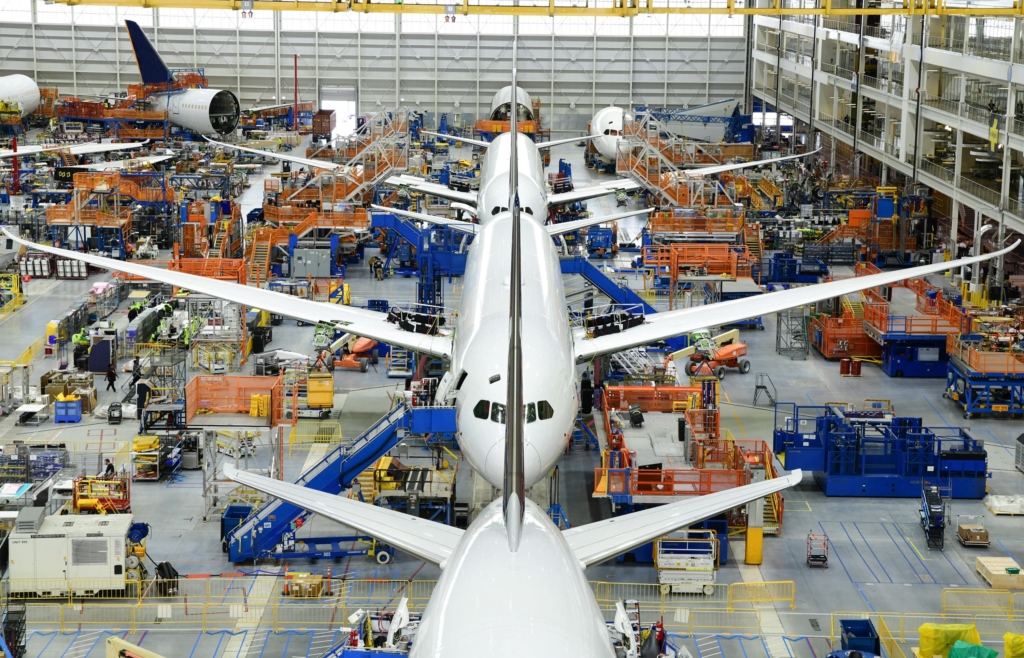
However, Hult refused to be drawn on which variant would deliver first or to which airline customer. He did add that airlines will have the option of the standard or higher MTOW 787 at the point of order, and that the planemaker would be capable of producing both variants in parallel.
The already popular Boeing 787 improves its appeal
Competing directly against the Airbus A350-900 and -1000, the Boeing 787 Dreamliner family has become a global hit for the US planemaker. This MTOW increase will increase the appeal of the twin-jet even further among some airlines, with the 787 competing head-to-head with the Airbus A350 for some carriers.
To date, the type has received over 2,000 firm orders worldwide, with around 1,200 aircraft already in service. First entering service with All Nippon Airways (ANA) in October 2011, the 787 became integral to airlines, replacing four-engine jets such as the Airbus A340 and the Boeing 747 on long-haul routes, with its advantageous economics, lower emissions and greater passenger comfort levels.

The type has become synonymous with long-haul travel in the years since, with several airline operators utilising multiple variants of the type across their route networks. These include British Airways, Air France, and Lufthansa in Europe, while in Asia, Singapore Airlines and ANA are also big users of the aircraft.
Even in the US, carriers such as United and American Airlines use the 787 extensively across their networks, with Delta having recently placed its first order for the 787 as recently as January.
In the Middle East, the “big three” carriers, Qatar Airways, Etihad and Emirates will all become 787 operators once Emirates receives its first Dreamliner, while in Africa, Ethiopian Airlines was an early operator of the type, now having 30 in its fleet. Both Qantas and Air New Zealand are also large 787 operators in the Pacific region.
Featured image: LATAM Airlines
Sign up for our newsletter and get our latest content in your inbox.


More from


September 25, 20264 min read


