The airlines with the biggest fleet of Boeing 787 Dreamliners in 2026

5 min read

While exact figures for the year will depend on ongoing deliveries, late 2025 data already highlights key trends in fleet composition and modernisation strategies.
The world’s biggest operators of the Boeing 787
The Boeing 787 Dreamliner is well recognised for its fuel efficiency, range and passenger experience. As such, it has built up a strong cohort of airline customers from all over the world.
As of the end of December, 2025, these are the world’s biggest operators of the 787:
Largest Boeing 787 operators, end-2025 to 2026 outlook
Estimated fleet sizes are based on the figures cited in the article, with noted planned growth for 2026.
| Rank | Airline | Estimated 787 fleet (end-2025) | On order / planned deliveries | Notes on strategy |
|---|---|---|---|---|
| 1 | All Nippon Airways (ANA) | ~86 | Incremental deliveries | World’s largest 787 operator, using the type across domestic efficiency and long-haul Asia-Pacific connectivity. |
| 2 | United Airlines | ~78 | Additional deliveries | Premium-focused refresh, introducing enhanced cabins with Polaris suites with doors from 2026. |
| 3 | American Airlines | ~63 | Limited near-term growth | Operates Dreamliners extensively across domestic and international long-haul routes. |
| 4 | Qatar Airways | ~54 | Ongoing integration | Continues deploying the 787 across its global network, emphasising comfort and operational efficiency. |
| 5 | Turkish Airlines | Not stated | Up to 75 on order | Landmark order could make Turkish one of the world’s dominant 787 operators within a few years. |
| 6 | Air India | Not stated | 20 due for delivery | Ramping up Dreamliner presence as a pillar of international growth and ongoing fleet refits. |
| 7 | British Airways (IAG) | Not stated | 32 787-10s announced | Order confirmed in May 2025, delivery schedule not yet confirmed. |
| 8 | Gulf Air | Not stated | 15 firm + 3 options | Firm order for 2026–27 deliveries as the carrier develops long-haul operations and capacity. |
| 9 | Air Astana | Not stated | Up to 15 787-9s | First Dreamliner deliveries in 2026/27, supporting long-haul growth from Central Asia and the Caucasus. |
| 10 | Alaska Airlines | Not stated | Ex-Hawaiian 787s | Entering long-haul flying with inherited 787 capacity, expanding route flexibility and network reach. |
Among the current top operators, All Nippon Airways (ANA) is the world’s largest Boeing 787 operator, with a fleet of approximately eighty-six Dreamliners.
The Japanese carrier has leveraged its extensive 787 fleet to maintain a competitive edge in the Asia-Pacific market, offering both domestic efficiency and long-haul connectivity.
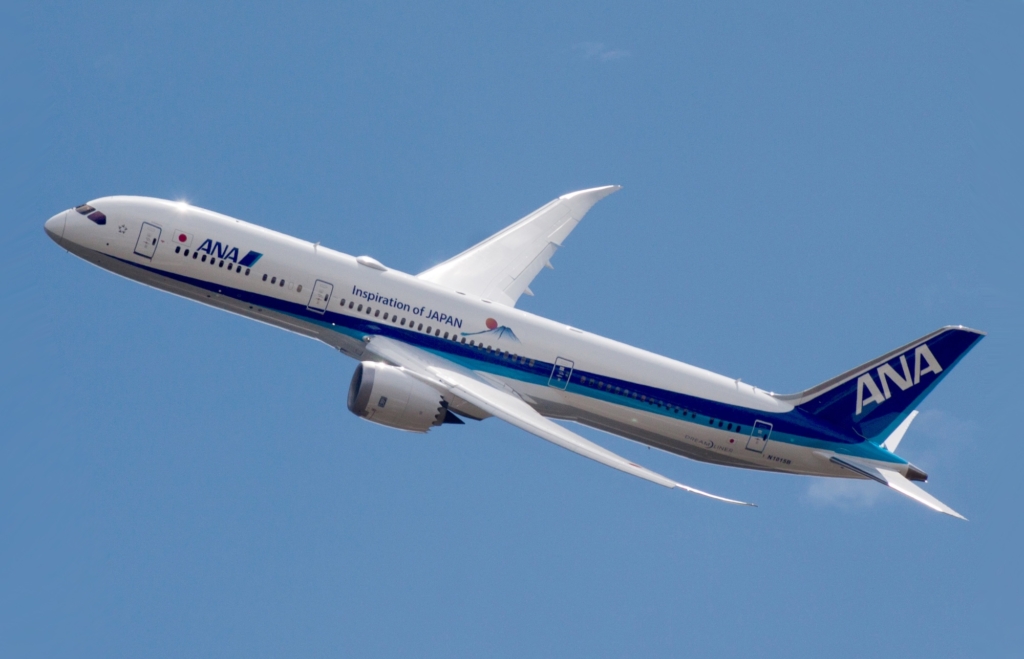
Close behind, United Airlines maintains a formidable presence with around seventy-eight 787s, further strengthened by upcoming deliveries that will include new, premium-focused aircraft featuring advanced cabin designs.
American Airlines and Qatar Airways round off the list of major operators. Celebrating 100 years in 2026, American Airlines operates around sixty-three Dreamliners, employing them extensively across domestic and international long-haul routes.
Qatar Airways, with a fleet of approximately fifty-four 787s, continues to integrate the aircraft into its global network, emphasising both passenger comfort and operational efficiency.
Which airlines are driving fleet expansion in 2026?
Across 2026, the most significant shifts in the 787 operator landscape are set to come from carriers aggressively expanding their fleets.
Turkish Airlines, in particular, has placed a landmark order for up to seventy-five Dreamliners. It’s a move that could position the Istanbul-based airline as a dominant 787 operator within a few years.
Similarly, Air India is ramping up its Dreamliner presence, with twenty new 787s scheduled for delivery. These additions, combined with the airline’s ongoing fleet refits, place the airline among the key players in the global 787 market. It also shows support for its ambitious international growth plans.
In May 2025, IAG also confirmed the purchase of thirty-two Boeing 787-10 Dreamliner aircraft, specifically for its British Airways fleet. The delivery date has not yet been confirmed.
In November 2025, Gulf Air also announced a firm order for 2026-27 for fifteen 787 Dreamliners. It also has options for three more as the Bahrain-based carrier looks to further develop its international network.
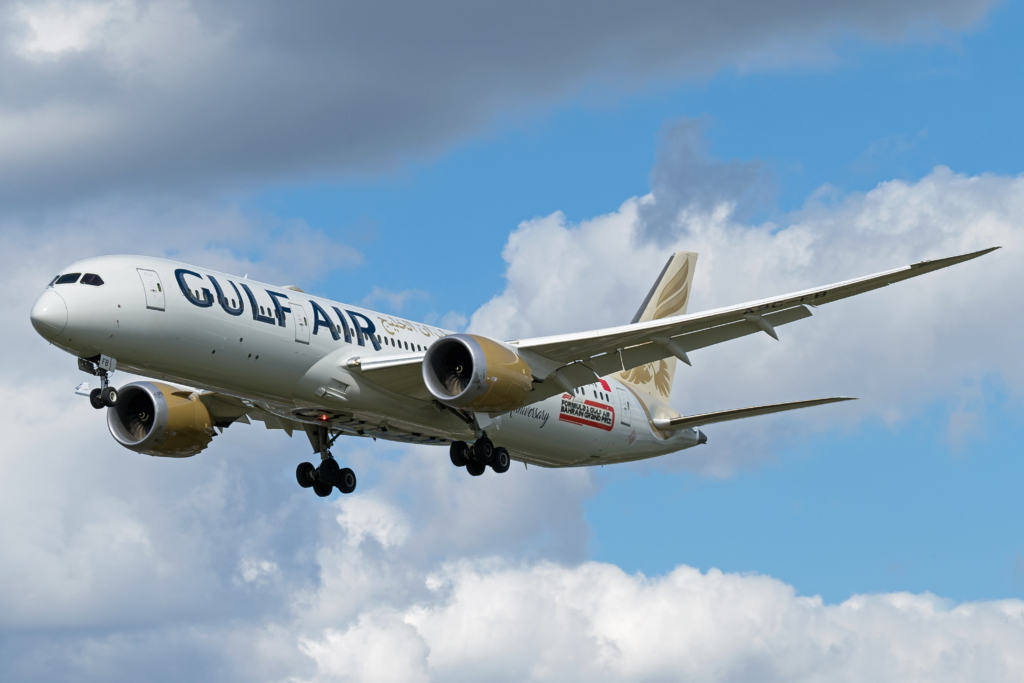
Khalid Husain Taqi, chairman of Gulf Air Group, said:
“By confirming our acquisition of the Boeing 787 Dreamliners, we are accelerating our strategy to increase capacity, strengthen long-haul operations, and deliver an elevated, more sustainable travel experience to our passengers. This agreement also builds on the long-established relationship between Gulf Air and Boeing, a partnership that has supported our growth for decades.”
The Boeing 787 delivers premium focus and route flexibility
United Airlines is also set to refresh its fleet with next-generation, premium-focused aircraft. In 2026, the carrier will introduce enhanced cabins featuring the new Polaris suites with doors, reinforcing United’s strategy to attract high-yield passengers on long-haul routes.
Meanwhile, Alaska Airlines is entering the long-haul market with a fleet of ex-Hawaiian 787s, marking the airline’s strategic expansion and increased route flexibility.
Air Astana has also placed an order for up to fifteen Boeing 787‑9 Dreamliners, scheduled for delivery in 2026/27).
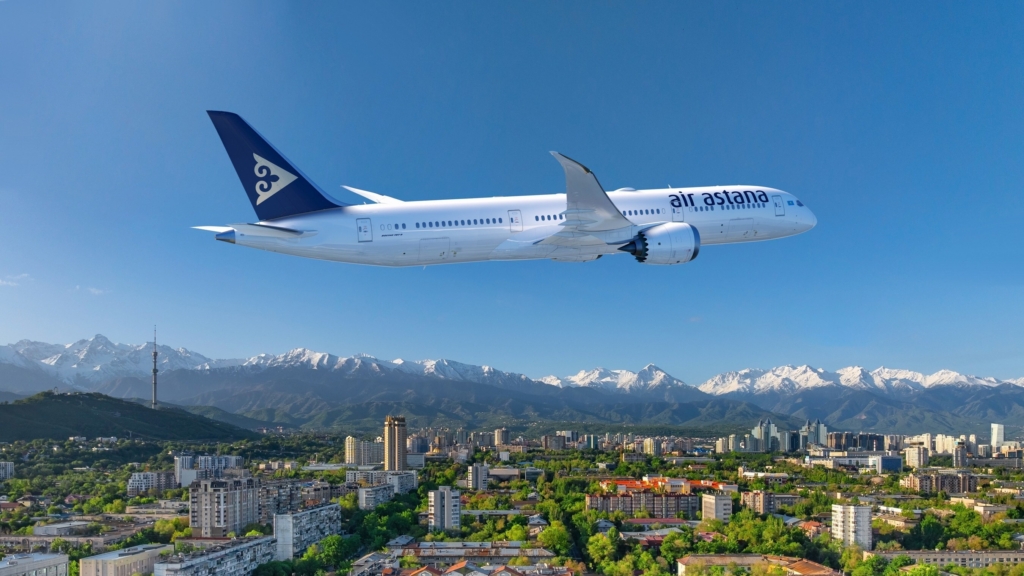
Peter Foster, CEO of Air Astana, said:
“Air Astana is strategically committed to boosting its service capabilities from Central Asia / Caucasus to Asia, Europe and the rest of the world over the next decade, with the arrival of the first Boeing 787‑9 Dreamliner next year marking the start of this exciting phase of development.”
Outlook for the 787 fleet
It’s clear that airlines are increasingly focused on cabin modernisation and passenger experience improvements, with carriers like United setting the bar in privacy and comfort.
Throughout 2026, the global 787 fleet won’t just be about numbers; it will be shaped by how airlines strategically use their modernised aircraft. ANA and United are set to stay at the forefront, while Turkish Airlines, Air India, Gulf Air, Air Astana and Alaska Airlines are certainly ones to watch.
Featured image: Adam Moreira | Wikimedia Commons
Sign up for our newsletter and get our latest content in your inbox.


More from


October 17, 20264 min read