BlueLight takes flight as world’s first non-profit humanitarian airline

2 min read
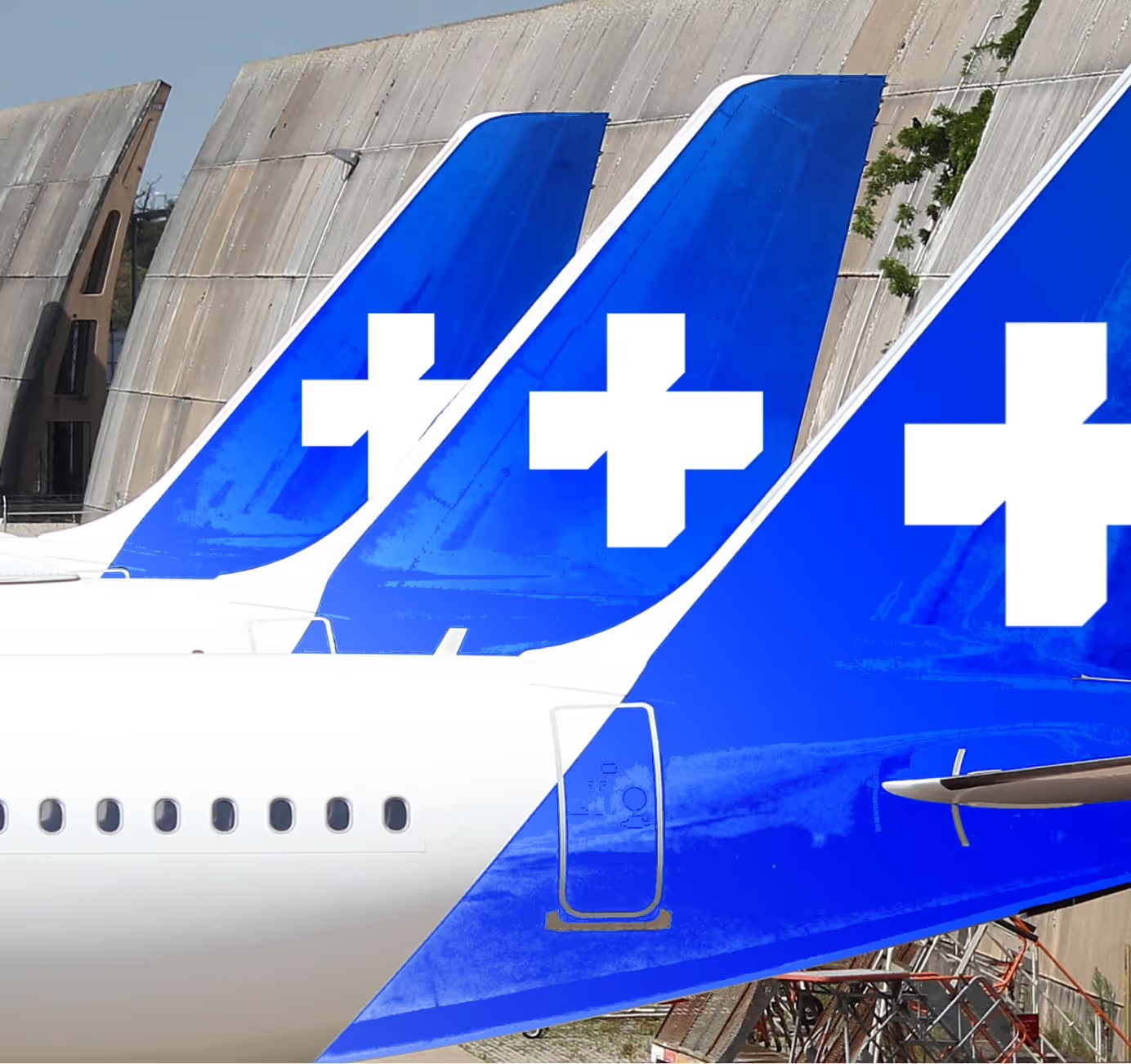
A new Geneva-based carrier, BlueLight Humanitarian Airlines, has formally launched operations with the goal of transforming how emergency aid and humanitarian logistics are delivered by air.
Unlike conventional airlines, BlueLight will operate entirely as a non-profit, reinvesting revenue into relief missions rather than shareholder returns.
Its mission is to provide fast, neutral, and cost-efficient airlift to disaster and conflict zones, bridging the gap between commercial cargo operators and ad-hoc chartered relief flights.
BlueLight’s start-up aircraft fleet
The start-up plans to begin service in 2026 with a mixed fleet comprising an Airbus A340-300 and A321 P2F aircraft capable of carrying both passengers and freight.
“Our initial combi A340 will be strategically based in Europe, leveraging its ultra-long-range capabilities to seamlessly connect the continents of Europe and Africa,” BlueLight said. “To complement these operations, we plan to acquire an A320, designed to efficiently handle short-haul routes within each continent.
“The A320’s versatility ensures operational flexibility, particularly for destinations with runway constraints that may limit A340 access.”
Each aircraft will be adaptable for evacuation, cargo transport, or medical missions, while a custom-developed unmanned aerial vehicle will allow smaller payloads to reach hard-to-access areas from the main aircraft.
BlueLight’s operations will initially focus on Europe, Africa, and the Middle East, expanding later to global coverage.
The airline aims to deploy aircraft within 72 hours of an emergency, offering governments and NGOs a ready-to-fly, neutral platform free from commercial constraints.
Growing demand for humanitarian flights
Its founders describe the venture as a response to growing humanitarian demand and increasingly complex global crises, where traditional logistics networks are often overwhelmed.
With natural disasters, displacement, and conflict creating urgent transport needs, BlueLight’s team argues that aviation must become a permanent fixture of relief infrastructure rather than a temporary service.
The concept is ambitious, and challenges remain. Sustaining a widebody fleet without profit margins will require consistent donor and institutional support, as well as high utilisation in unpredictable circumstances.

Co-founders Pierre Bernheim and Waleed Rawat said the vision for BlueLight was “supporting human dignity in a world where no call goes unanswered and no life is beyond reach. Regardless of skin colour, religion or geopolitical stance.”
The mission, they said, is to “provide unparalleled air transport for humanitarian efforts across the globe”.
How humanitarian air transport works
Humanitarian air transport is currently delivered through a patchwork of arrangements – typically a mix of chartered cargo aircraft, military airlift, and services from the UN’s Humanitarian Air Service (UNHAS) and logistics units of major NGOs.
These systems, while effective in specific missions, often rely on short-term contracts or donated capacity, making them vulnerable to delays, availability gaps, and cost fluctuations.
Commercial operators prioritise paying cargo during crises, while donor-funded flights can face bureaucratic hurdles.
BlueLight seeks to replace this fragmented model with a permanent, standby fleet dedicated solely to humanitarian response.
Featured image: BlueLight