


Beyond Aero announces Luxaviation as launch operator of its hydrogen-electric powered business jet

5 min read
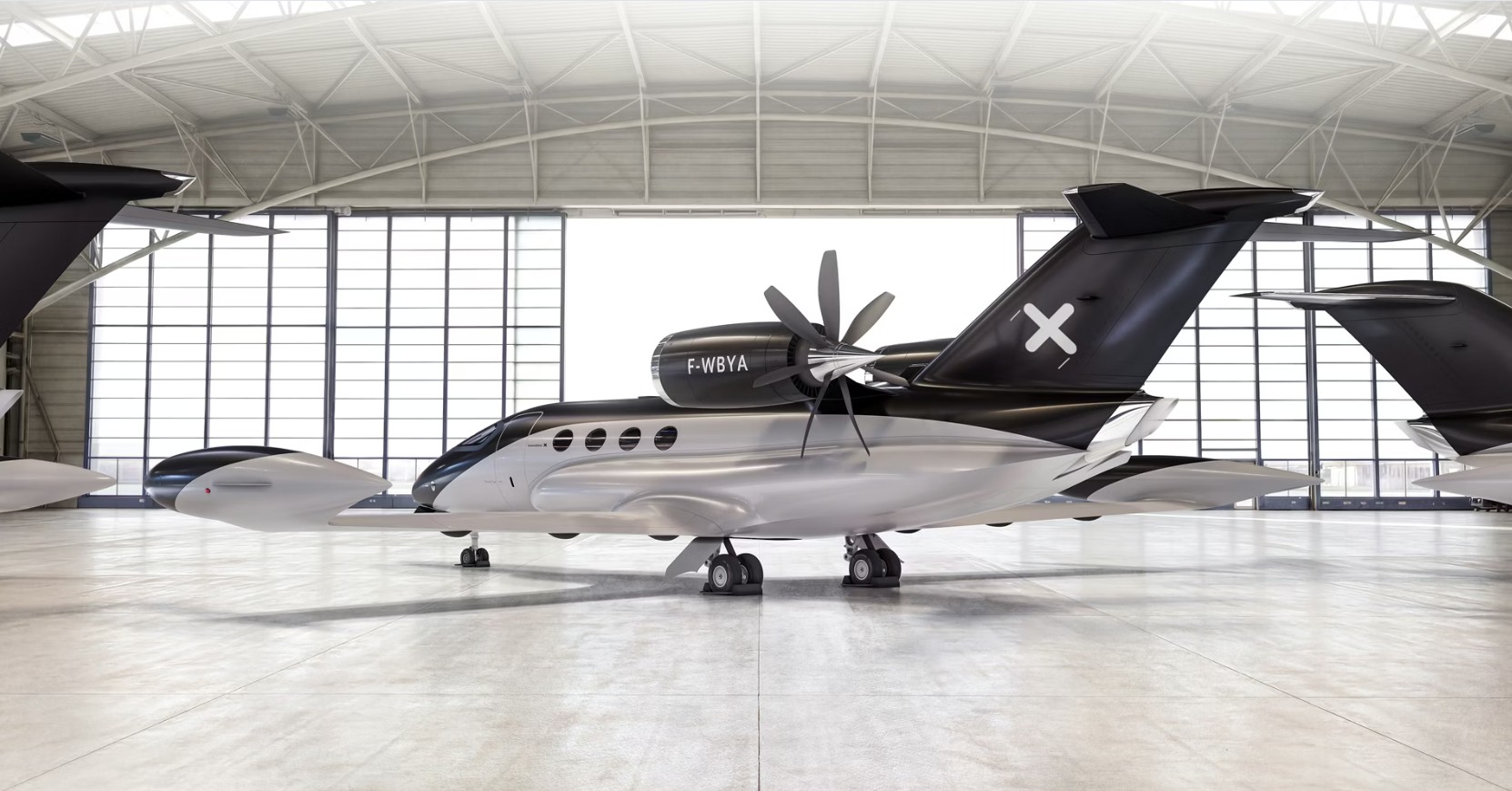
Beyond Aero has partnered with European business jet operator Luxaviation to bring its hydrogen-electric-powered business jet to operational readiness. As launch operator, Luxaviation will contribute real-world expertise in the business jet market to help bring Beyond Aero’s innovative aircraft towards entry into service, currently projected for around 2030.
Beyond Aero announces Luxaviation as launch operator
On 14 April, Beyond Aero, the developer of the first hydrogen-electric business aircraft, announced that Luxaviation Group, the leading business aviation operator in Europe and the second-largest operator worldwide, will act as its launch operator.
Beyond Aero said that the appointment marks “a significant step toward the aircraft’s entry into service”, which is currently forecast to be around 2030.
According to a company statement, the collaboration moves beyond a traditional partnership and will focus on real-world operational readiness. This will include the development of mission profiles, deployment scenarios, and service integration.
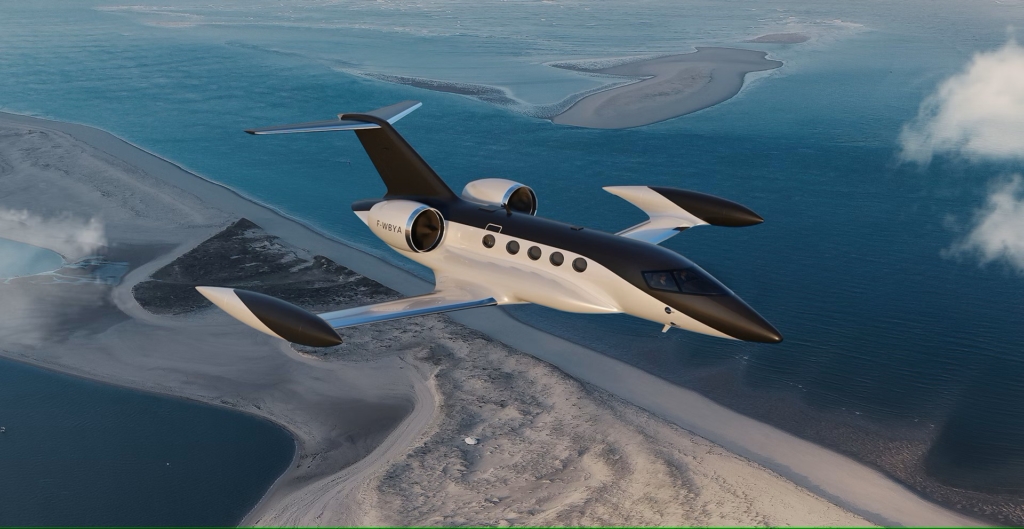
For its part in the new relationship, Luxaviation brings its global expertise in business aviation operations and will support Beyond Aero to bridge the gap between aircraft development and commercial service to prepare the deployment of its hydrogen-electric aircraft in Europe.
This signing of the agreement between the parties marks Beyond Aero’s aspirations to transition from a technological development stage to program execution and deployment of its aircraft into the business aviation market.
Luxaviation will help structure the “operational backbone” of hydrogen-electric aviation
With Luxaviation now appointed as the launch operator, Beyond Aero will work with the Luxembourg-based operator to structure the operational backbone of hydrogen-electric business aviation, ensuring alignment between aircraft design and real-world operations, even before the aircraft’s entry into service.
The collaboration will focus on defining initial mission profiles and priority routes, based on Luxaviation’s existing customer demand and operational constraints, while assessing airport and FBO readiness, including hydrogen infrastructure integration and ground operations.

The partners will also develop operational procedures and safety frameworks aligned with certification requirements, while shaping the customer experience, from cabin usage to turnaround operations. Finally, the companies intend to work together to evaluate fleet integration scenarios, which will include aircraft performance in day-to-day operations.
The intention is that by collaborating with Luxaviation, Beyond Aero’s aircraft (currently known as the BYA One) will be ready for immediate service entry once certified and will have also been designed and developed to meet the needs of the real-world business aviation market.
Beyond Aero states that through the collaboration, Luxaviation will support it in preparing airline and charter operations in Europe, helping define how hydrogen-electric aircraft can be integrated into existing networks, infrastructure, and customer offerings.
“At Luxaviation, innovation must translate into real-world operations,” said Caroline Demsar, CEO of Luxaviation France/Malta/Portugal. “Partnering with Beyond Aero enables us to explore hydrogen-electric propulsion in a practical, responsible way, aligned with our long-term sustainability ambitions and operational excellence.”
Luxaviation joins the efforts to bring clean energy to the business aviation sector
The appointment of Luxaviation as launch operator comes as the latest step in Beyond Aero’s plan to introduce hydrogen-electric powered aviation to the business aviation sector. In March this year, the company completed its Preliminary Design Review PDR) of its aircraft configuration.
This design phase confirmed the integration of hydrogen storage, electric propulsion, thermal management, fuel cell system and safety systems into a certifiable aircraft architecture. The completion of the PRD programme now progresses on schedule toward detailed design, engineering, and the definition of the aircraft’s validation plan.

In addition to the PDR, the company has also received validation of its proposed electric propulsion system and completed France’s first manned hydrogen-electric powered flight in 2024.
The company states that “these achievements, combined with early engagement from a global operator such as Luxaviation, position the program on a credible path toward certification and entry into service.”
How Beyond Aero is targeting certification for the business aviation sector
Beyond Aero is targeting the business aviation market as an early entry point for hydrogen propulsion. Existing batteries have a low energy density, limiting the range of battery-electric aircraft. The hydrogen fuel cell does not rely on stored power. Instead, it generates electricity in flight through an electrochemical reaction. It is a more efficient power source which can extend flight range without increasing CO2 emissions.
Beyond Aero’s aircraft is designed to carry six passengers over a range of up to 800 nautical miles (around 1,500km). The aircraft will use a twin-propfan configuration, optimised for efficiency and compatible with the lower power density of fuel-cell systems compared to traditional jet engines.

The design relies on gaseous hydrogen stored at 700 bar in external tanks mounted above the wing. It avoids more complex cryogenic liquid hydrogen systems, simplifying integration and safety certification.
Beyond Aero is pursuing certification under CS-25 and Part 25 standards, which generally apply to commercial transport aircraft rather than small business jets. That certification pathway requires the company to prove a higher level of regulatory compliance.
“This approach provides a structured safety case and early alignment with regulators, reducing the risk of late-stage regulatory misalignment,” the company states in its announcement.
Beyond Aero is working with the European Union Aviation Safety Agency (EASA) under a pre-application contract, while progressing its Design Organisation Approval (DOA), a key requirement for aircraft certification in Europe.
Featured image: Beyond Aero


