Changing passenger flows push Gulf airlines to rethink their stopover strategy

4 min read
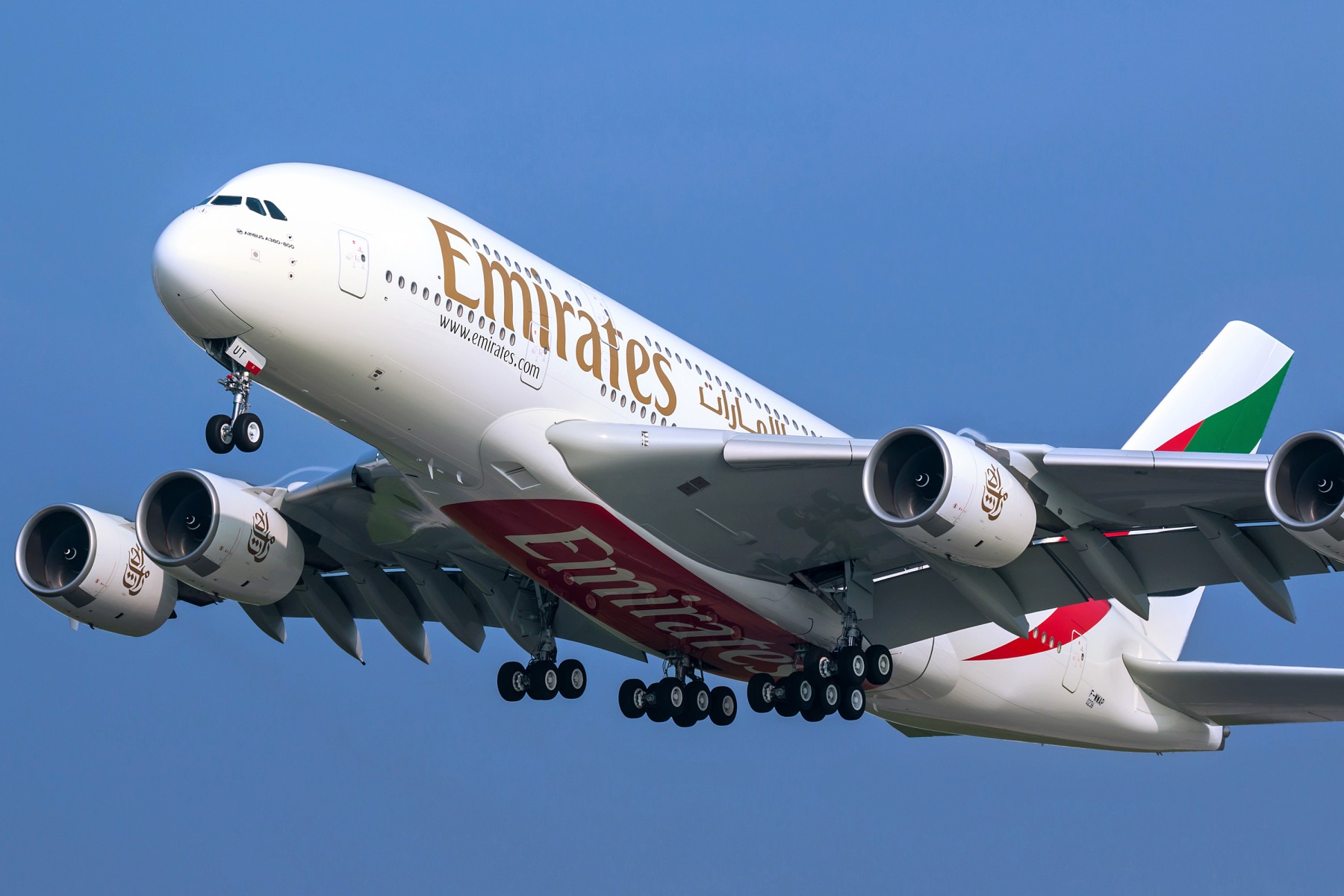
UK holidaymakers are transforming the way they travel through the Gulf, with airlines and tour operators responding to a growing appetite for dual-destination itineraries that combine the United Arab Emirates with neighbouring Oman.
Arabian Adventures – the Emirates Group–owned destination management company – has reported an 81% year-on-year rise in UK bookings to Oman, with more than half (56%) of its total Oman business now coming from the UK market.
The surge underscores a broader aviation trend: travellers flying via Dubai are no longer treating the Gulf merely as a stopover, but as a region to explore in depth.
“People who are repeat visitors to the region – to the UAE, to Dubai and to Abu Dhabi – are now exploring the region a little bit more,” Anabela Radosevic, Director – B2B Sales and Service at Arabian Adventures, told Aerospace Global News at the recent World Travel Market 2025 in London.
“It’s so fascinating, because in a close proximity, you have two completely different experiences. While Dubai is known for its great service, great resorts, and just the ease of being in Dubai, Oman is very cultural, very nature driven, very adventure driven.”
Changing travel habits reshape Gulf carrier priorities
For airlines, that shift is reshaping network priorities across the Gulf. Carriers such as Emirates, Oman Air, and British Airways have all increased seat capacity to Muscat and Dubai over the past 12 months, capitalising on the appeal of the two destinations.
British Airways is adding more flights to Abu Dhabi as well as Bahrain and Saudi Arabia, Oman Air has introduced double-daily Boeing 787-9 services between Muscat and Heathrow; and Emirates will double its Gatwick A380 operations to two daily flights next summer, up from a planned single superjumbo service.

Emirates’ extensive network of UK departure points and daily Oman connections from Dubai are helping drive the trend, while Oman Air’s non-stop flights from London Heathrow continue to attract travellers seeking direct access to the sultanate’s new international airport.
Radosevic said this flexibility is key to the region’s growing appeal: “The UK market has been growing, especially in the luxury segment and in the family segment. It’s easy to travel, extremely safe, and easy to get to if you fly directly to Muscat, obviously. But you can also fly to Dubai and reach it by road.”
Capacity and connectivity for Gulf airlines
Improved capacity between the UK and Oman is helping fuel that demand. Oman’s new Muscat International Airport, opened in 2018 and continually upgraded since, has streamlined arrivals for long-haul passengers and allowed airlines to add frequencies. For travellers connecting through Dubai, road access and short-haul links have made multi-country itineraries simple.
Radosevic added, “There are some amazing resorts now in the mountains of Oman, which give you a completely different perspective, and Muscat now has a new airport, so it’s very convenient and easy. People can also do self-drives to Oman.”
Arabian Adventures’ data shows that family travel now accounts for 69% of UK bookings, with luxury resort stays and outdoor activities leading demand. December is the busiest month, representing 53% of all UK bookings, as travellers seek winter sun escapes.
Gulf airlines chase the multi-stop traveller
The growing popularity of dual-destination Gulf holidays is influencing airline strategy. With Dubai established as one of the world’s busiest international hubs, carriers are fine-tuning schedules to encourage onward travel across the Arabian Peninsula.
Emirates, for instance, promotes stopover extensions in Dubai alongside connections to Muscat, Salalah and beyond, while Oman Air and Etihad Airways highlight regional add-on fares.
“Especially in summer, Dubai is a very, very popular stopover destination,” Radosevic explained, “both for anybody travelling to Asia or Australia, as well as a big migration towards Europe. Then we also see the US market on its way to African safaris. We have a lot of stopovers for the Maldives, four flights a day. So the region is really well connected.”

The trend also aligns with Oman’s tourism ambitions: the country is targeting 4.5 million international visitors by the end of 2025, up from four million last year, 16% of whom were from Europe.
Radosevic summed up, “As Oman continues to strengthen its luxury offering, we’re focused on creating the kind of experiences that complement, not compete with, the UAE. For UK travellers, the appeal lies in combining the sophistication of the Emirates with the serenity of Oman; it’s a story that’s resonating strongly across our key markets.”
For airlines serving the Gulf, that story is increasingly shaping route planning, schedules and partnerships, turning what was once a brief stopover into a multi-destination itinerary.
Sign up for our newsletter and get our latest content in your inbox.


More from


October 17, 20264 min read