


These airlines will fly the largest fleets of Airbus A350s in 2026

6 min read
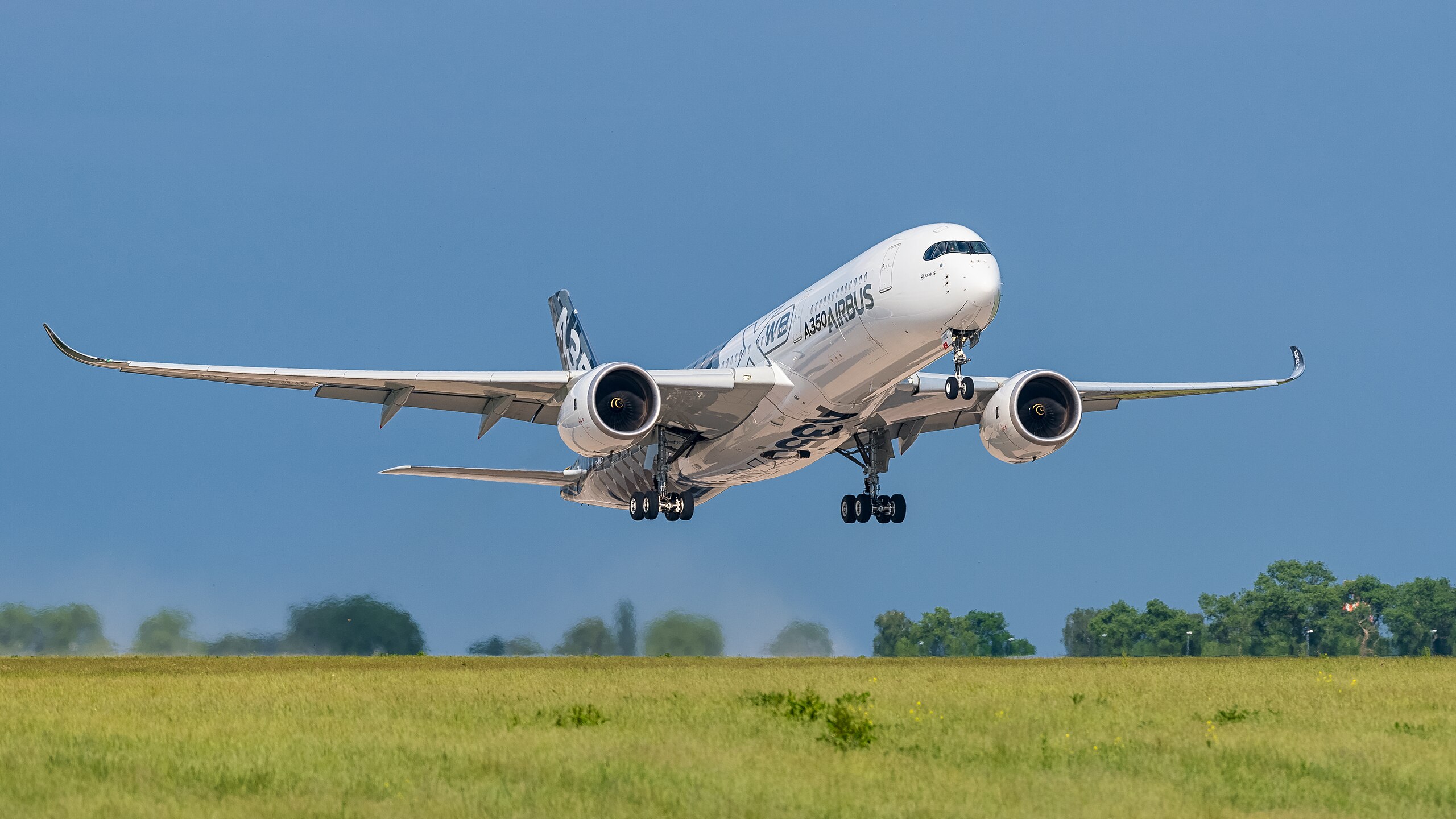
Since its debut in 2015, the Airbus A350 has grown into one of the most popular and commercially successful widebody aircraft flying today. Designed from the outset to meet the demands of modern long-haul travel, the aircraft combines range, efficiency, and passenger comfort in a way few rivals have matched.
The extensive use of lightweight composite materials gives the A350 a clear advantage over previous-generation twin-aisle jets, helping airlines reduce fuel burn and operating costs.
Airbus has delivered 686 aircraft to 38 operators worldwide, with demand remaining strong. The manufacturer holds a backlog of 807 jets from 1,493 firm orders, underlining the A350’s enduring appeal across global markets.
We explore which airlines operate the world’s largest A350 fleets in 2026, and why the type continues to dominate the long-haul landscape.
The world’s largest operators of the A350
| Airline | A350-900 | A350-1000 | Total A350s |
|---|---|---|---|
| Singapore Airlines | 65 | – | 65 |
| Qatar Airways | 34 | 28 | 62 |
| Cathay Pacific | 30 | 18 | 48 |
| Air France | 40 | – | 40 |
| Delta Air Lines | 39 | – | 39 |
| Lufthansa | 31 | – | 31 |
| Turkish Airlines | 30 | – | 30 |
| Air China | 30 | – | 30 |
| Iberia | 23 | – | 23 |
| Thai Airways | 22 | – | 22 |
* Data correct as of end November 2025. Sourced from planespotters.net
Singapore Airlines – The world’s biggest operator of the A350
If any airline has truly stretched the Airbus A350 to its limits, it is Singapore Airlines. The flag carrier is the world’s largest A350 operator, with 65 A350-900s in service, and remains the launch customer and sole operator of the specialised A350-900ULR (ultra-long-range) variant.

Designed for missions at the very edge of commercial aviation, the A350-900ULR offers a range of up to 18,000 km (9,700 nautical miles), enabling Singapore Airlines to operate some of the longest nonstop routes on the planet.
These include its headline-grabbing links between Singapore and New York, flights that routinely exceed 18 hours and underline the aircraft’s long-haul credentials.
Qatar Airways – The biggest operator of the A350-1000
Qatar Airways operates a fleet of 62 Airbus A350s, comprising 34 A350-900s and 28 A350-1000s, making it the largest operator of the stretched -1000 variant worldwide. The Doha-based carrier was the launch customer for both A350 variants and remains one of the type’s most influential operators.
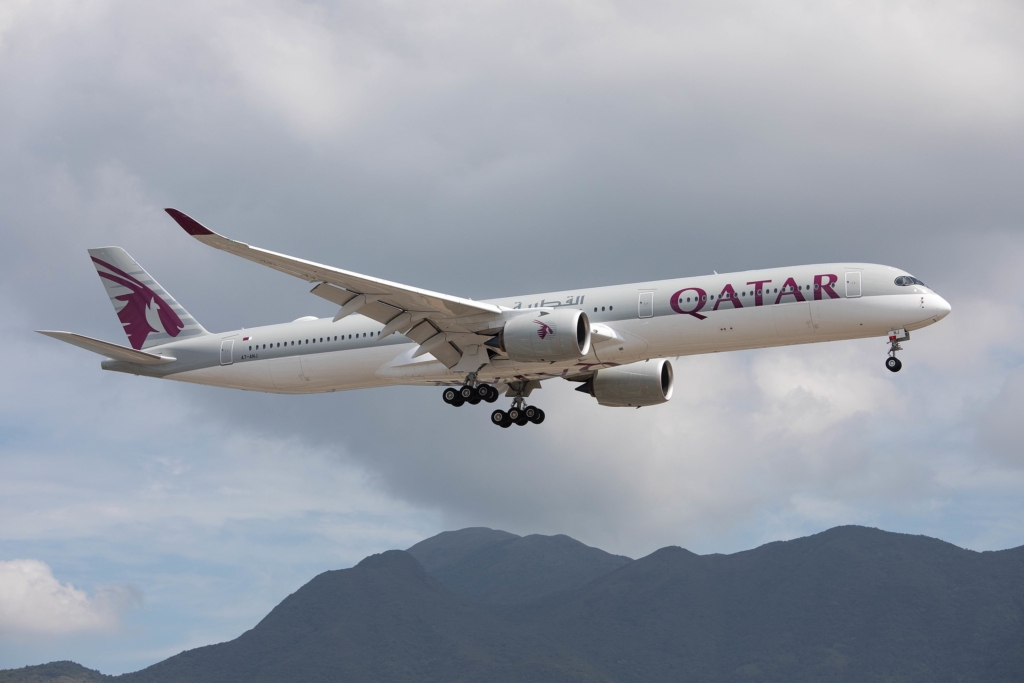
With a further 14 A350-1000s still on order, Qatar Airways continues to double down on the type as the backbone of its long-haul fleet, deploying it extensively across Europe, Asia, and the Americas.
British Airways and Cathay Pacific each operate 18 A350-1000s. Other global carriers are set to receive their -1000 aircraft, including Etihad Airways (27), Air India (25), Riyadh Air (25), Eva Air (24), and Qantas (24).
Cathay Pacific – Benefitting from the cargo capacity of the A350-1000
Hong Kong-based Cathay Pacific is the third-largest A350 operator globally, with 48 aircraft in active service. Its fleet includes 30 A350-900s, two of which are leased, alongside 18 A350-1000s.
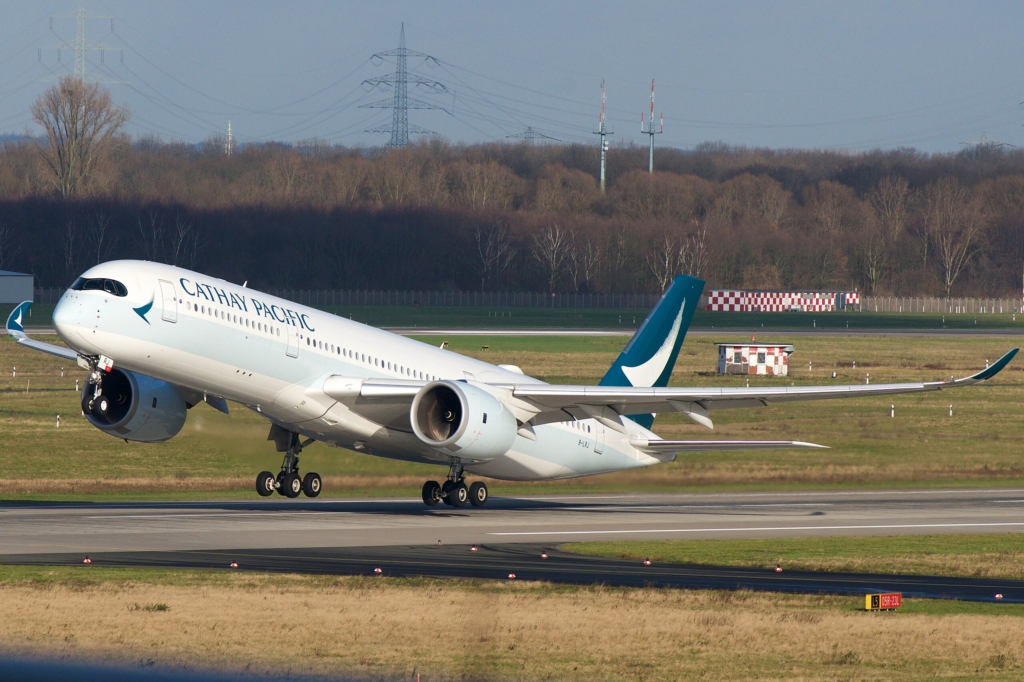
Cathay received its most recent A350, a -900, in December 2023, bringing the average age of its A350 fleet to 7.2 years. The airline makes extensive use of the -1000’s substantial bellyhold cargo capacity, particularly on long-haul Pacific routes linking Hong Kong with North America and beyond.
Cathay also has the forthcoming Airbus A350F on order, to be operated by Cathay Cargo.
Air France – The second-largest operator of the A350-900
Air France operates 40 Airbus A350-900s, including three leased aircraft, making it the second-largest operator of the -900 variant. Since the first delivery in September 2019, the A350 has rapidly become central to the airline’s long-haul strategy.
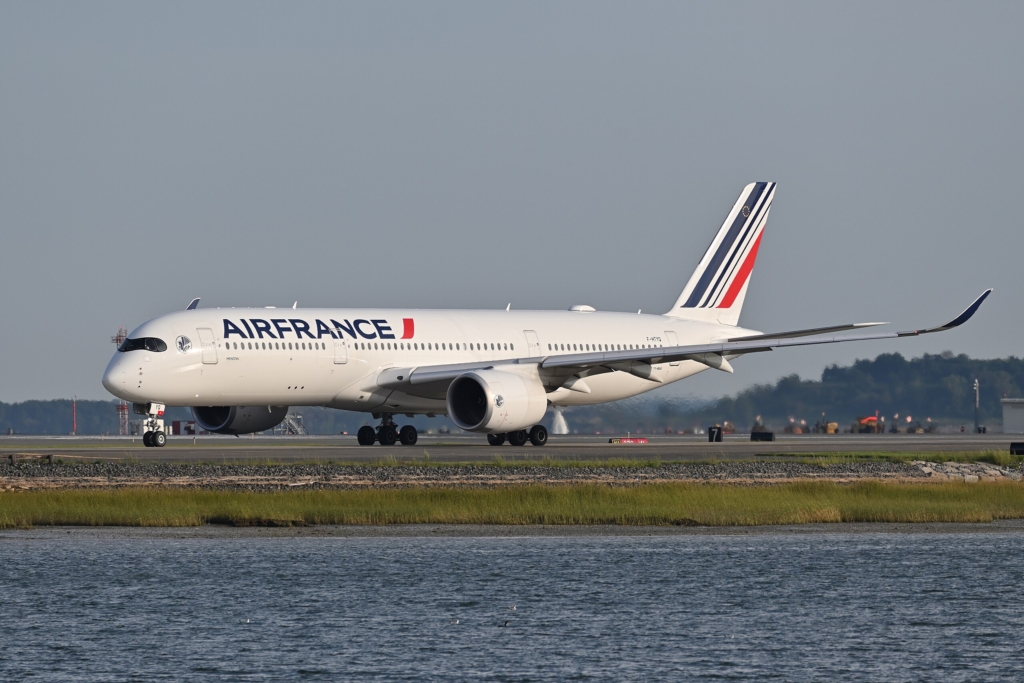
With an average fleet age of just 3.1 years, Air France operates one of the youngest A350 fleets in service. The airline took delivery of its latest aircraft, A350-900 F-HUVT, just last month.
At group level, Air France-KLM is poised to become the world’s largest A350 operator. The group holds firm orders for 50 additional aircraft, including 47 A350-900s and three A350-1000s, alongside options for a further 40. KLM is set to begin receiving its own A350s from 2026 as part of a widebody renewal programme targeting 2030.
Delta Air Lines – The only major US carrier to operate the type
While United Airlines and American Airlines remain committed to Boeing widebodies, Delta Air Lines has placed a significant bet on the Airbus A350. The carrier currently operates 39 A350-900s, including nine leased aircraft.
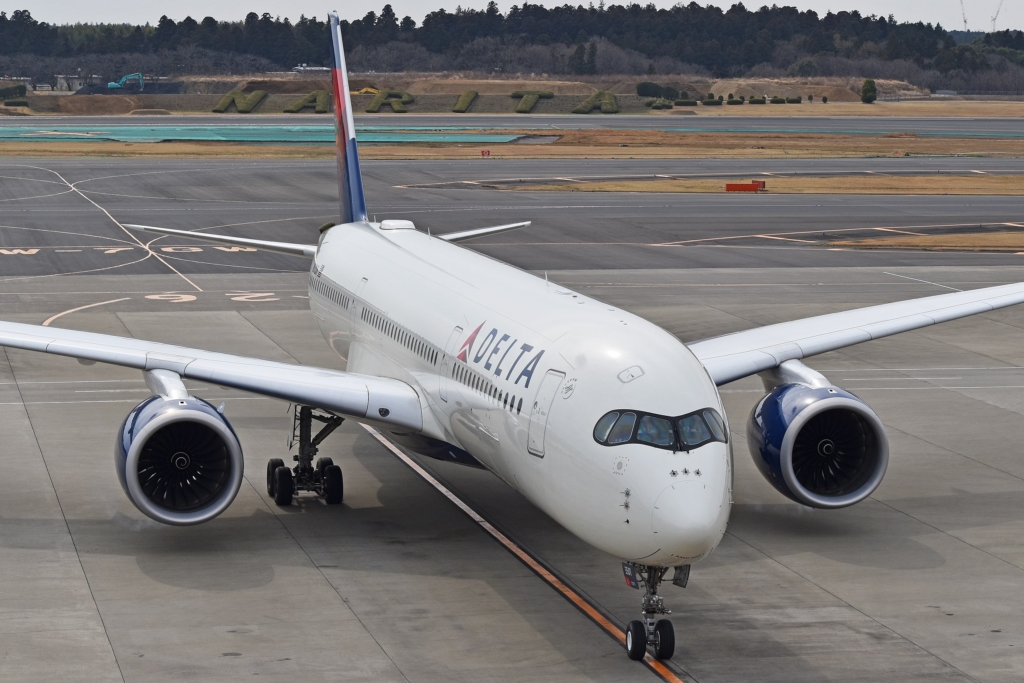
Delta is awaiting delivery of a further five A350-900s and 20 A350-1000s. With its most recent A350-900, N530DN, delivered in November, the average age of Delta’s A350 fleet now stands at 5.5 years.
Earlier this month, the airline launched a new ultra-long-haul service between Los Angeles and Melbourne, operated by the A350-900. The nearly 16-hour flight underlines Delta’s reliance on the type for its longest missions. United Airlines, by comparison, is not expected to begin receiving its 45 A350-900s until 2030.
Lufthansa – Set to welcome its first A350-1000 in 2026
Lufthansa currently operates 31 Airbus A350-900s, with an average fleet age of 5.6 years. The German flag carrier received its latest aircraft, D-AIVE, in June and is steadily retiring older A340s in favour of the more efficient A350.
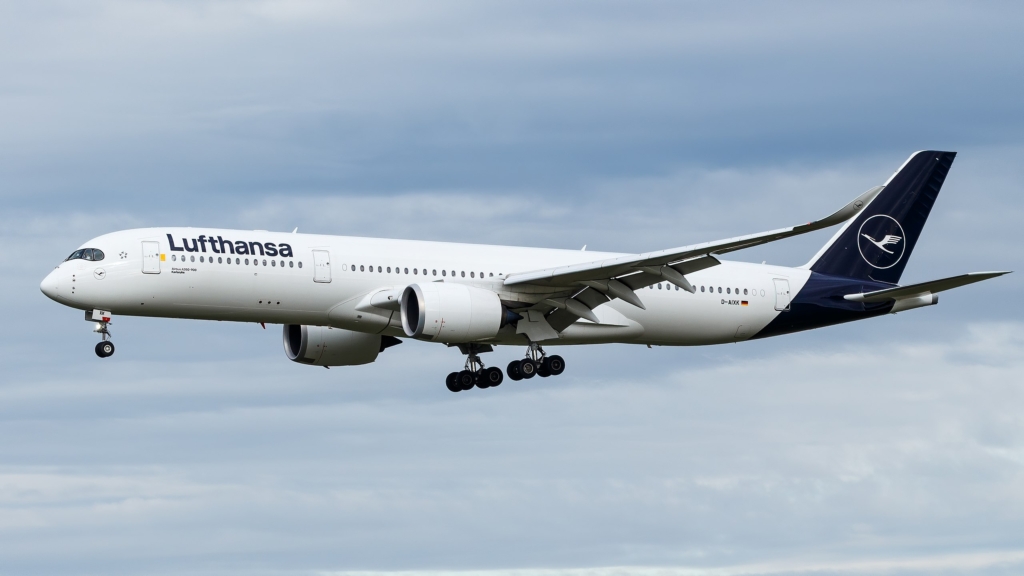
The Lufthansa Group has 22 additional A350-900s and 15 A350-1000s on order. The airline is scheduled to take delivery of its first A350-1000 in April 2026, with all aircraft expected to arrive by 2030.
These new aircraft will introduce Lufthansa’s Allegris cabin concept, bringing updated interiors, enhanced passenger comfort, and improved operational efficiency across the long-haul network.
Turkish Airlines – Operator of the youngest A350 fleet
Turkish Airlines operates 30 A350-900s and boasts the youngest A350 fleet among major operators, with an average aircraft age of just 2.5 years.
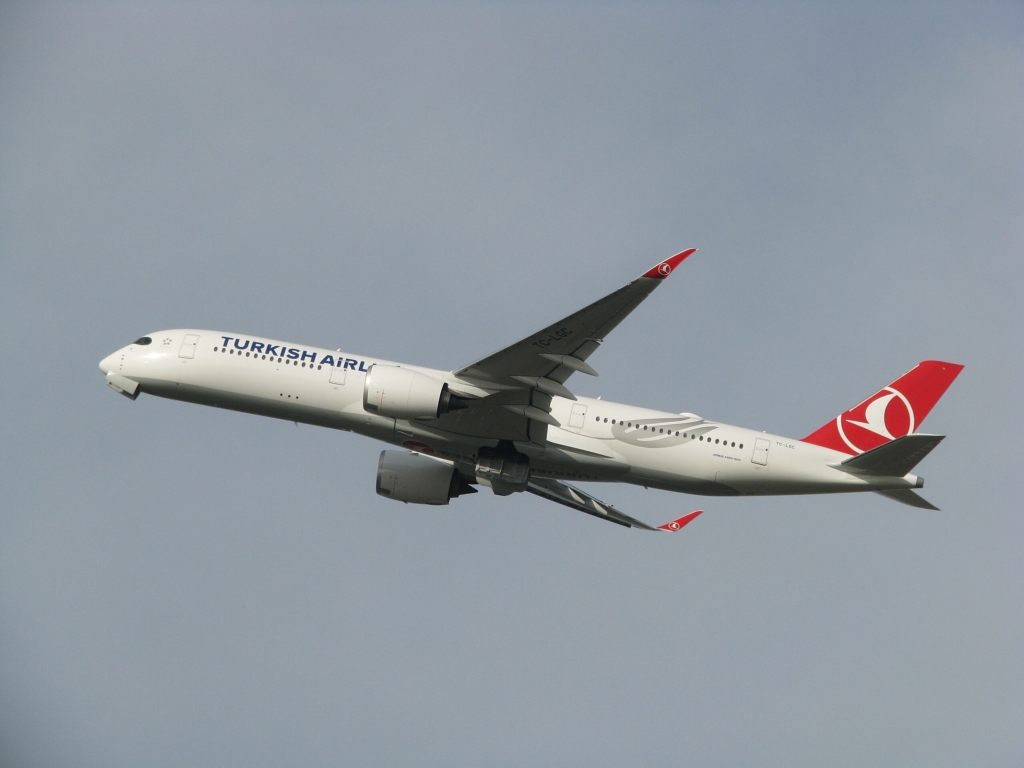
The airline has placed one of Airbus’ largest widebody orders, committing to 110 A350s across all variants. This includes 90 A350-900s, of which 30 are already in service, 15 A350-1000s, and five A350F freighters. Turkish Airlines also holds purchase options for an additional 20 -900s and five A350Fs.
Alongside a separate firm order for 150 A321neos, with options for 100 more, the expansion underlines Turkish Airlines’ ambition to grow its already world-leading route network while improving efficiency and fleet commonality.
Air China – Offering innovative mini-suites in business class
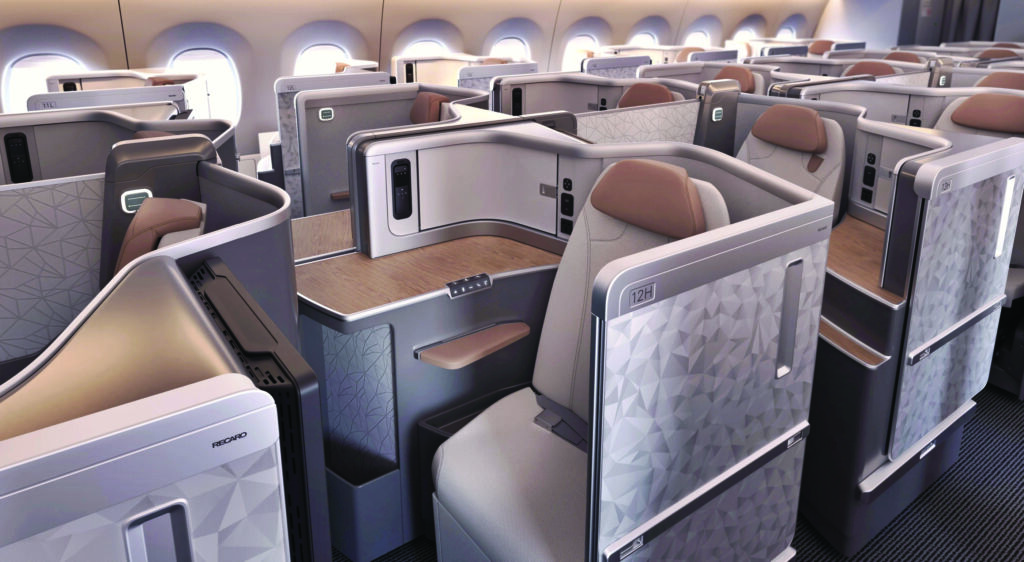
Air China operates a fleet of 30 Airbus A350-900s, with an average fleet age of 4.9 years. The carrier is particularly known for its distinctive business class mini-suites on the A350, featuring lie-flat CL6720 seats designed to enhance privacy on long-haul services.
Other major Chinese carriers are also embracing the A350. China Eastern and China Southern each operate 20 A350-900s, while Taiwan-based China Airlines flies 15 A350-900s and has 15 A350-1000s on order.
Iberia – Launch customer of the A350 New Production Standard (NPS)
Iberia operates 23 Airbus A350-900s and is the undisclosed launch customer for the A350 New Production Standard (NPS). The updated configuration incorporates mechanical and structural refinements, including a repositioned bulkhead that results in a marginally wider cabin.
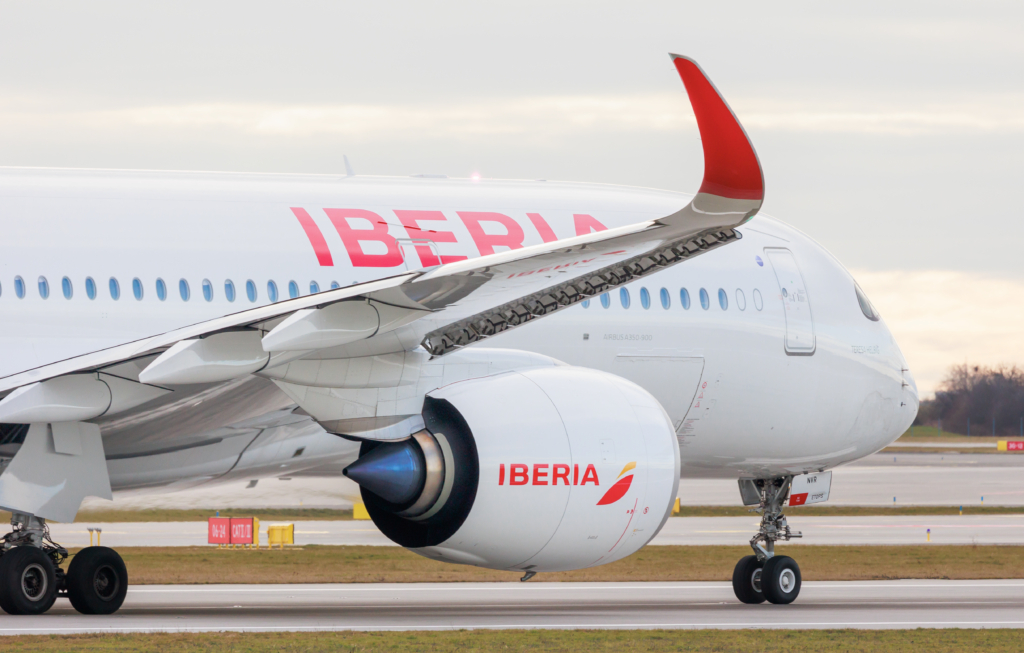
With the A350’s range and efficiency, Iberia is using the aircraft to support expansion across its long-haul network, particularly on routes to North America.
Thai Airways – A majority of its A350 fleet is leased
Thai Airways operates a fleet of 22 Airbus A350-900s, the majority of which are leased. Fourteen aircraft are leased from long-term partner AerCap, while six earlier deliveries came from ALAFCO between 2016 and 2018.
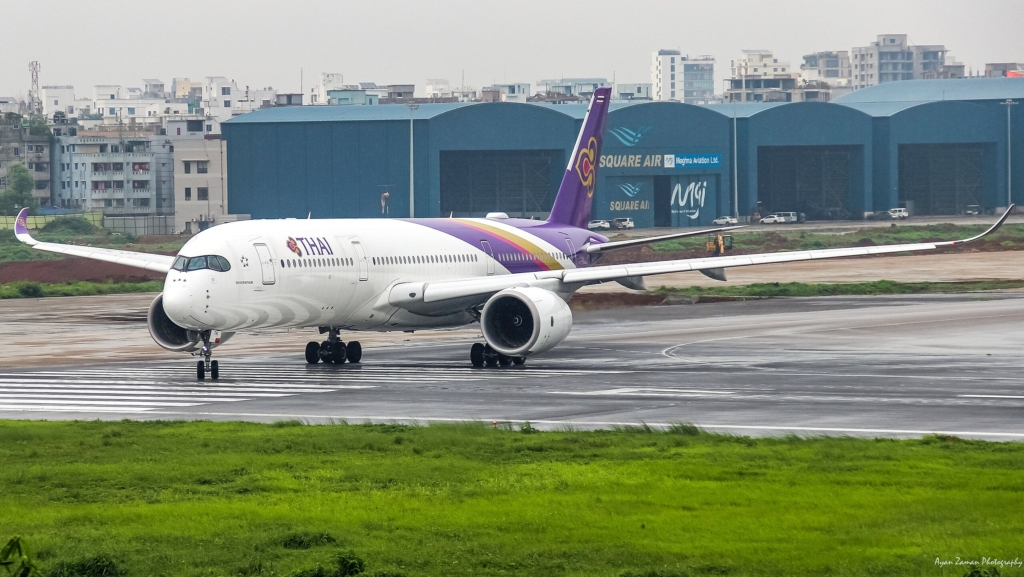
As part of its broader restructuring and fleet renewal, Thai Airways is relying on the A350 to modernise its long-haul offering, improve passenger experience, and restore competitiveness in key international markets.
Featured Image: Julian Herzog / Wikimedia Commons


