Air India Express launches first international flight from Navi Mumbai Airport

5 min read
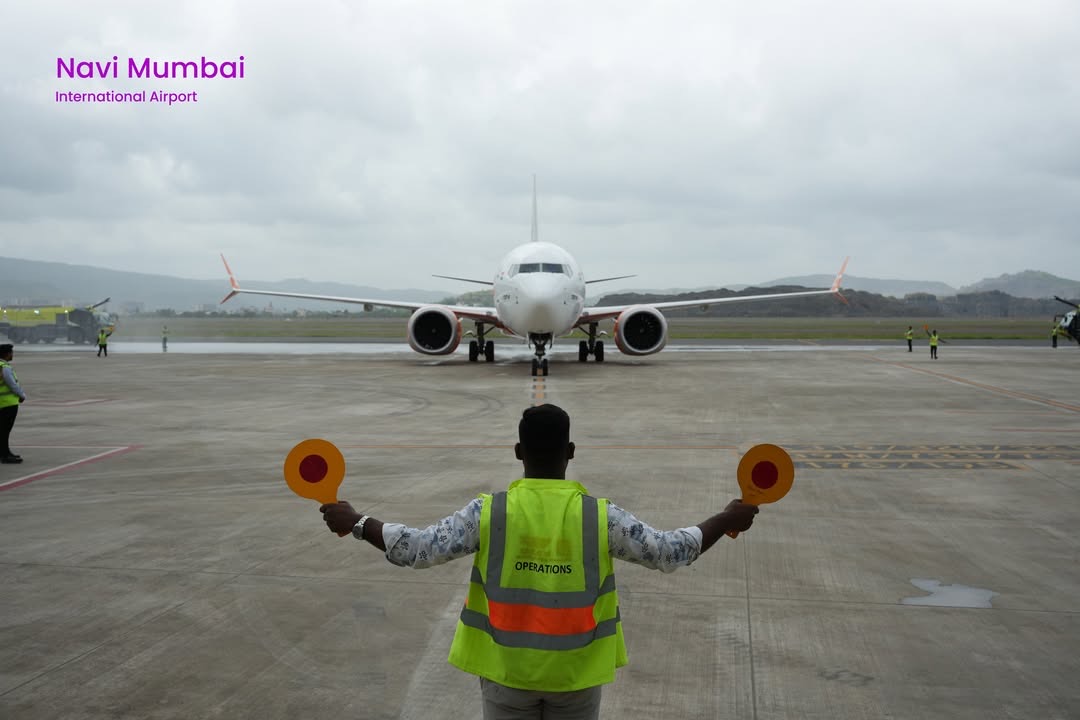
Navi Mumbai International Airport (NMIA) has entered a new phase of operations with the launch of its first scheduled international service, less than seven months after opening to domestic traffic, marking an important milestone in the development of India’s dual-airport strategy for the Mumbai metropolitan region.
Air India Express began thrice-weekly direct flights between Navi Mumbai and Abu Dhabi on 15 July, making it the first airline to operate scheduled international services from the airport.
The new route follows the start of domestic operations on 25 December 2025 and establishes NMIA as the second international gateway serving India’s financial capital alongside Chhatrapati Shivaji Maharaj International Airport.
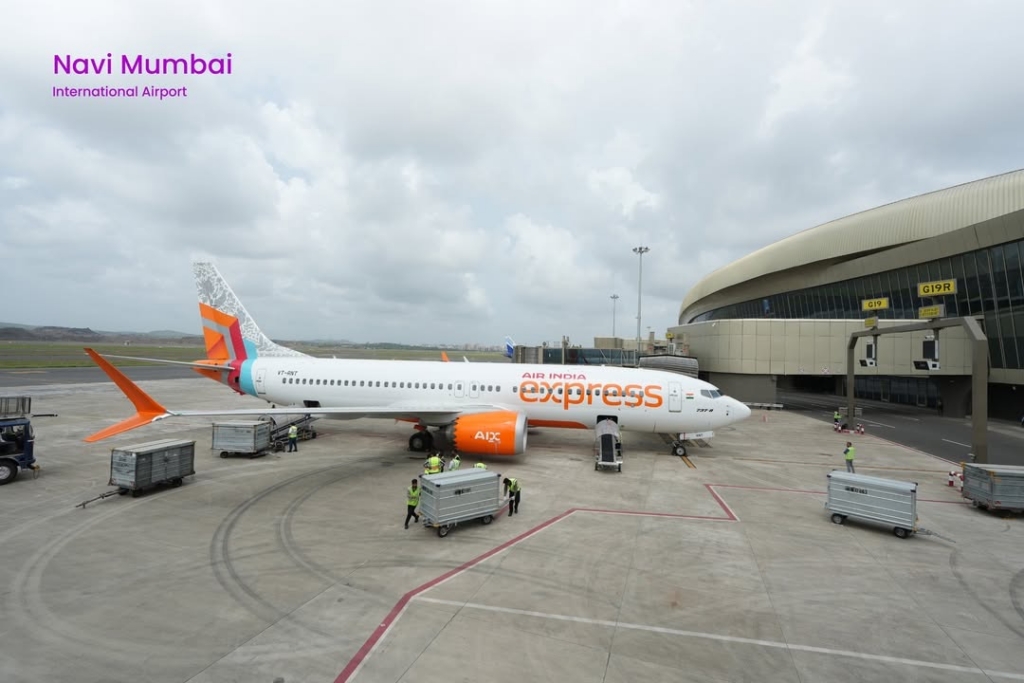
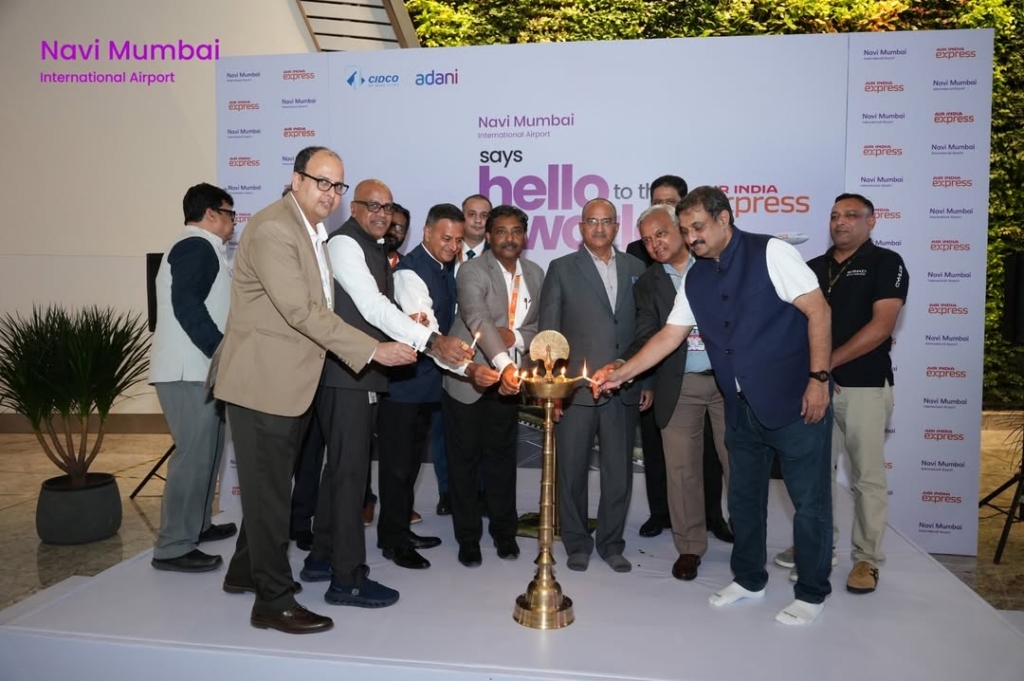

The launch represents more than the addition of a new international destination. It is the first indication that airlines are beginning to use Navi Mumbai as part of a broader network strategy designed to ease pressure on Mumbai’s capacity-constrained primary airport while supporting the continued growth of passenger and cargo traffic across western India.
“The launch of our first scheduled international flight marks the beginning of a new phase in Navi Mumbai International Airport’s journey,” Arun Bansal, Chief Executive Officer of Adani Airport Holdings Limited (AAHL), said. “As we expand our network with more airline partners and destinations, our focus remains on delivering seamless operations and a world-class travel experience while strengthening Navi Mumbai’s position as a preferred gateway for international travel.”
Navi Mumbai Airport scales up rapidly after opening
The airport has expanded quickly since welcoming its first domestic passengers at the end of last year.
According to AAHL, NMIA has established connections to 46 domestic destinations, handled more than 2.3 million passengers and now records around 150 aircraft movements every day.
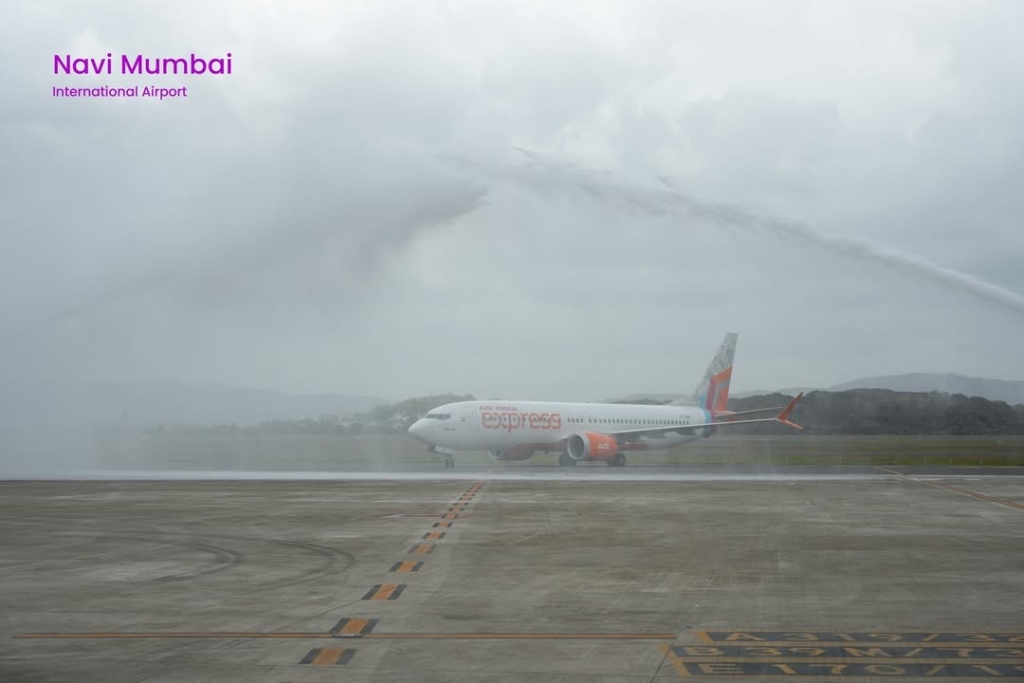
The first international arrival from Abu Dhabi was greeted with a traditional water cannon salute, while the outbound service also carried the airport’s first international shipment of perishable exports, marking the start of overseas cargo operations.
The introduction of international cargo services is expected to support exporters of time-sensitive products by providing an additional gateway from the Mumbai metropolitan region, complementing the airport’s passenger operations from the outset.
Air India Express puts Mumbai’s dual-airport strategy into action
For Air India Express, the Abu Dhabi service forms part of a wider strategy to develop operations across both of Mumbai’s airports rather than concentrating services at a single hub.
“Navi Mumbai is a key pillar of our dual-airport strategy, complementing our network from Chhatrapati Shivaji Maharaj International Airport,” said Nipun Aggarwal, Chairman of Air India Express.
The airline had outlined its long-term plans for NMIA before the airport opened, announcing that it would progressively build operations from the new airport as infrastructure and passenger demand developed.
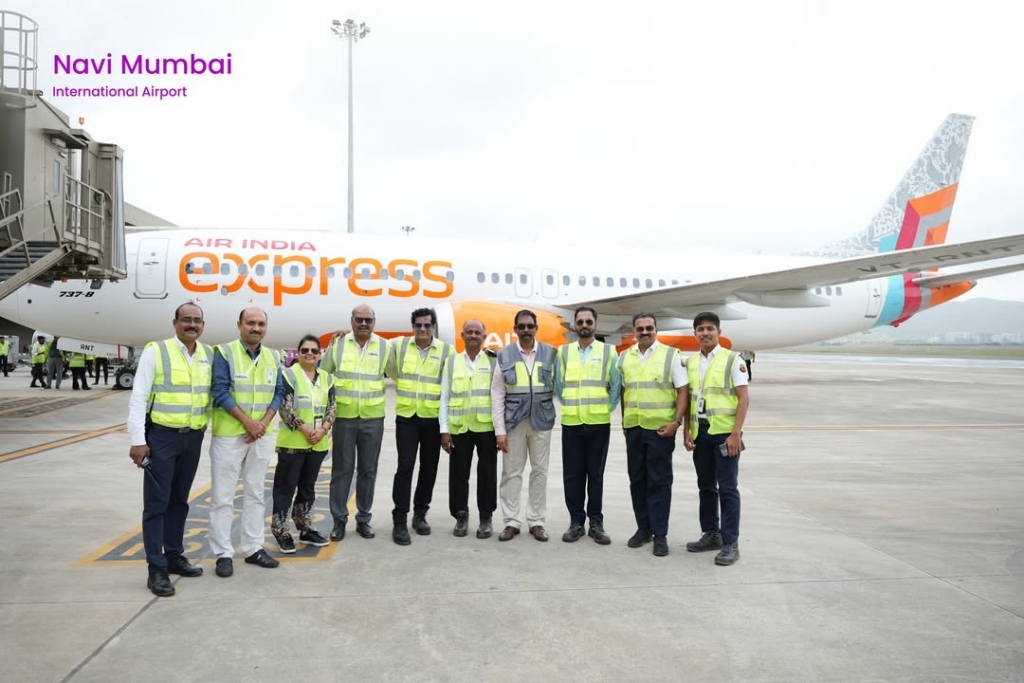
Under those plans, Air India Express intends to increase services from Navi Mumbai to around 55 daily departures, including international routes, before further expanding to approximately 60 daily departures by the winter 2026 schedule.
The strategy reflects a broader shift in how airlines are approaching the Mumbai market. Rather than viewing Navi Mumbai solely as an overflow airport, carriers increasingly see it as an integral part of a multi-airport system capable of supporting future traffic growth while improving connectivity across the wider Mumbai Metropolitan Region.
Unlike the city’s existing airport, which has long operated under significant capacity constraints, Navi Mumbai has been designed with room for phased expansion as passenger demand continues to grow.
NMIA targets capacity for 90 million passengers
Navi Mumbai International Airport has been planned as a long-term solution to the capacity pressures facing one of India’s busiest aviation markets.
The airport has been developed as a joint venture between Adani Airport Holdings Limited and the City and Industrial Development Corporation of Maharashtra (CIDCO).

In its first phase, NMIA is designed to handle up to 20 million passengers annually and process 500,000 metric tonnes of cargo. Once all development phases are completed, annual passenger capacity is expected to increase to 90 million, while cargo handling capacity will rise to 3.2 million metric tonnes.
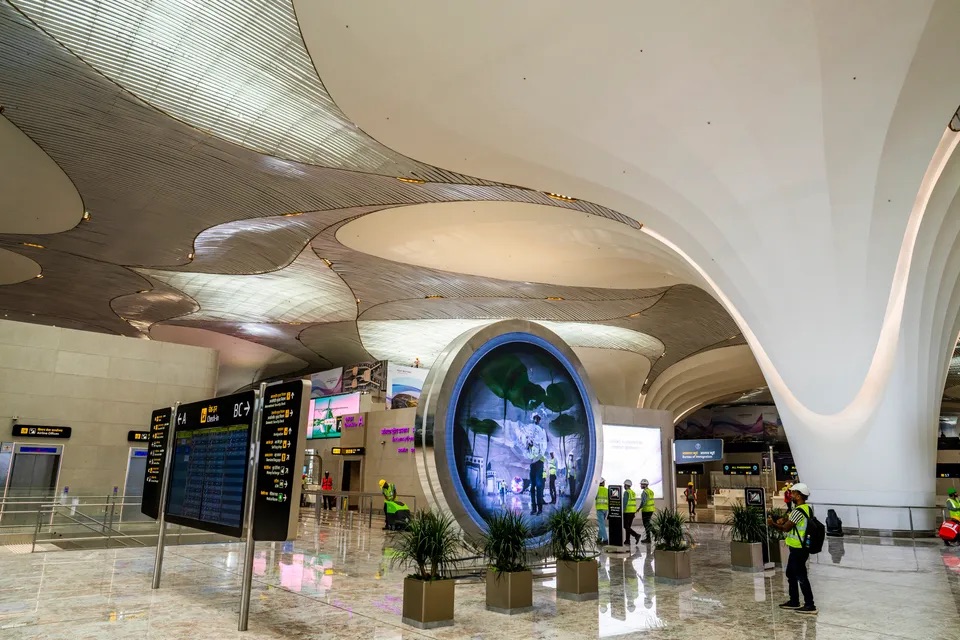
To support that growth, the airport has been designed around a single integrated terminal serving both domestic and international passengers during the initial phase of operations.
The facility incorporates self-service check-in and baggage systems, biometric-enabled passenger processing, digital wayfinding, premium lounges and dedicated cargo infrastructure, reflecting the industry’s increasing focus on automation and passenger experience.

Its location in Ulwe, with road links to Mumbai, Navi Mumbai, and the wider metropolitan region in western India, is intended to improve access for passengers who currently rely on Chhatrapati Shivaji Maharaj International Airport.
The airport is also expected to benefit from future multimodal transport connections as regional infrastructure projects come online.
Navi Mumbai becomes India’s newest international gateway
The launch of international services also completes another milestone for Adani Airport Holdings, with every airport in its portfolio now offering scheduled international connectivity.
Alongside Navi Mumbai, the company operates airports in Mumbai, Ahmedabad, Lucknow, Jaipur, Guwahati, Mangaluru and Thiruvananthapuram.
For India’s aviation sector, NMIA’s transition to international operations comes at a time of sustained growth in passenger traffic, airline fleet expansion and increasing demand for airport infrastructure.
Mumbai has long been one of the country’s most constrained airport markets, making additional capacity essential to support future domestic and international services.
The Abu Dhabi route is expected to be the first of several overseas destinations added over the coming months as airlines expand their presence at the airport.
Air India Express has already identified Navi Mumbai as a key element of its long-term network strategy, while AAHL has indicated that discussions with additional airline partners are continuing.
Sign up for our newsletter and get our latest content in your inbox.


More from


October 13, 202612 min read