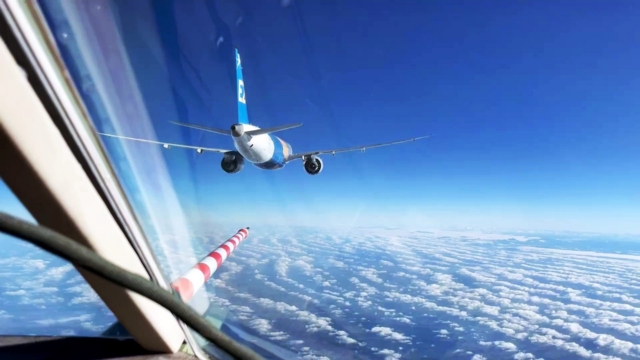


Why Thanksgiving Sunday is the busiest day for US airlines and how carriers keep flights moving

6 min read
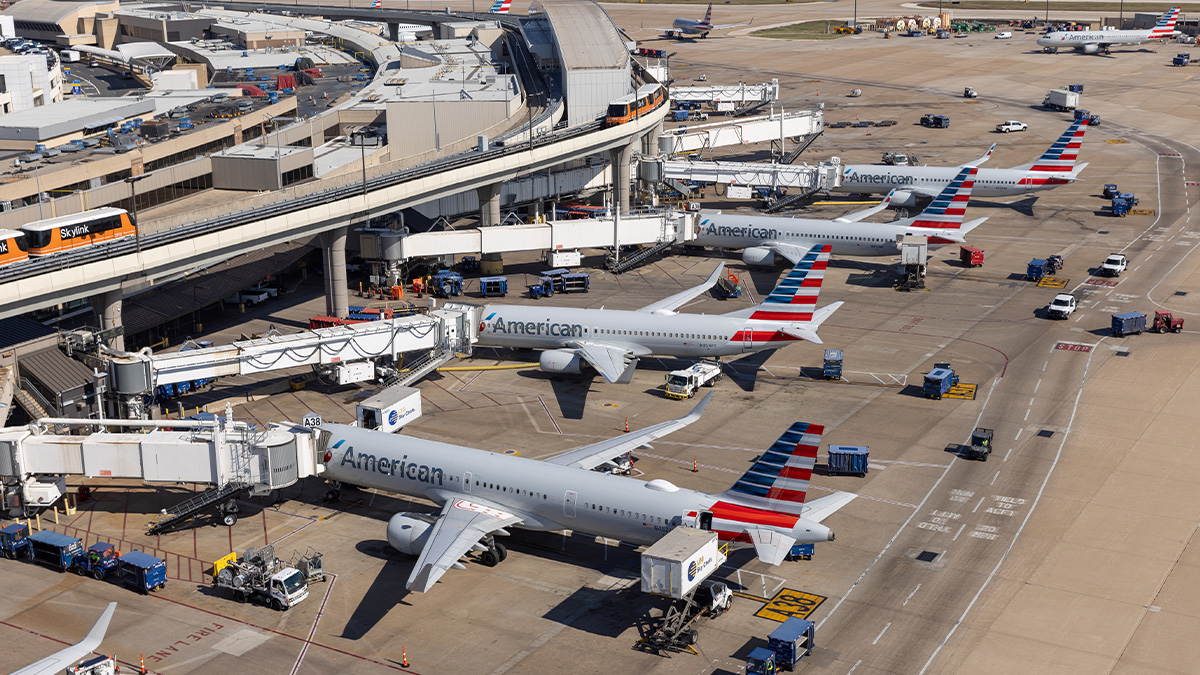

After the US Thanksgiving holiday, many are rushing to get back home, and most fly on Sunday.
The US Transportation Security Administration expects to screen more than three million people on Sunday, the Thanksgiving holiday’s busiest day at security checkpoints, as Reuters reported. The Federal Aviation Administration (FAA), which counts flights, projected its holiday peak for Tuesday, 24 November, at more than 52,000.
US carriers are offering an average of 38,000 more seats per day than they did over last year’s Thanksgiving period, according to Airlines for America. Adding a flight means finding room in an aircraft’s rotation. An airline can also put a larger aircraft on a busy route, adding seats without using another take-off or landing slot.
How American Airlines and Southwest prepare for peak Thanksgiving demand
At American, preparations for the Sunday schedule began months ago. At 11 am Central Time on Sunday, November 29 November, American Airlines expects to have 1,130 flights operating at once.
Nearly 500 people will be on duty at its Integrated Operations Centre, where dispatchers, crew schedulers and maintenance teams help keep aircraft moving. American and its regional partners have 7,021 flights planned for Sunday, their biggest operating day since the pandemic.

Southwest’s schedule for Sunday 29 November includes more than 4,600 departures across the network. “The
increase in service on one of the historically busiest travel days of the year gives Customers even
more itinerary options when travelling home from holiday vacations,” the airline stated in its holiday schedule announcement.
How United manages aircraft schedules, spare jets and crew planning
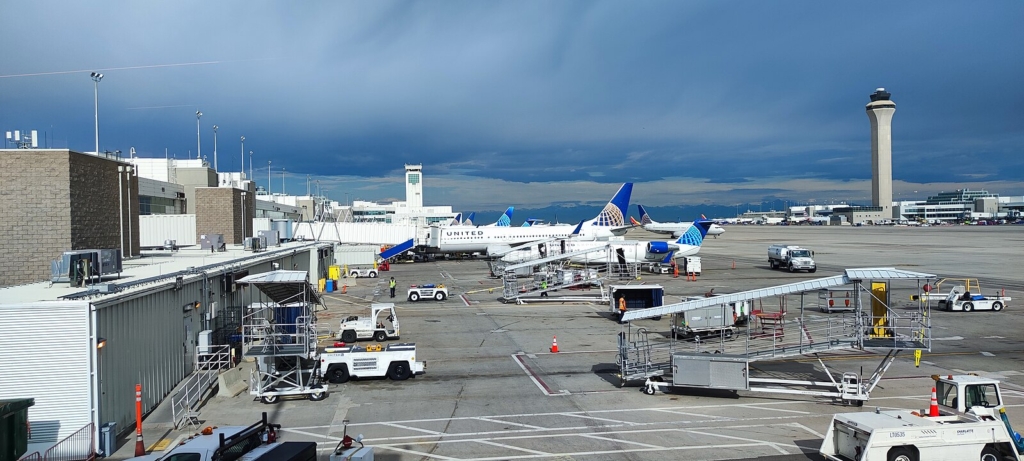
At United’s Denver hub, the work began in August. Jonna McGrath, vice president of the hub, told Denver broadcaster KDVR that the airline started by reviewing its schedule and determining where it would need people and how many.
The carrier expects more than 60,000 customers a day to travel through Denver over the holiday period. It is adding more than 40 round trips the weekend after Thanksgiving and increasing its overnight flying.
An extra round trip means two more departures to staff and another turn at each end. Scheduling teams have to leave time for ground staff to unload bags, clean and service the aircraft and board the next flight. A short turn gives the airline more time to fly the aircraft over the course of the day. It also leaves less room to absorb a delay on the inbound leg.
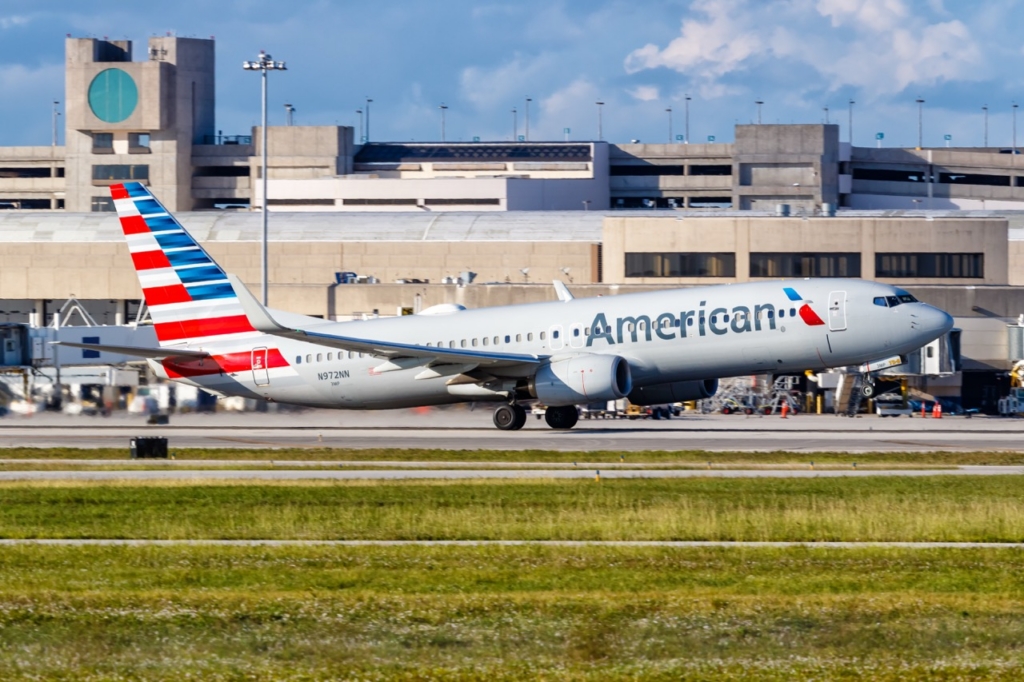
The more flying an airline schedules for each aircraft, the more departures a single late arrival can affect. At a connecting hub, a late aircraft can also leave passengers and bags racing to make other flights. The overnight schedule matters too. An aircraft may need to finish the day at a particular airport so technicians can work on it before its next departure.
Holding an aircraft in reserve costs flying time but can save a departure if a scheduled jet develops a fault. United’s agreement with regional partner SkyWest requires it to maintain spare regional jets.
The contract also ties overnight maintenance to SkyWest’s existing maintenance locations. A spare still needs to be in reach of the delayed flight, with a qualified crew available to fly it. The SkyWest agreement requires United’s written consent before using a smaller spare.
On a heavily booked flight, the swap could keep the service running while leaving some passengers to be rebooked.
What happens when pilots reach their duty time limits?
A pilot can reach a duty limit while the aircraft is still at the gate. Crew schedulers can call in reserve pilots, provided they are qualified on the aircraft and have enough duty time left for the trip. US rules distinguish between short-call reserve and airport standby. For pilots on airport standby, the time spent waiting already counts towards their flight duty period.
At American’s operations centre, crew schedulers track assignments while dispatchers plan and monitor flights. The duty director brings those teams together on the operations floor. If a delay means an aircraft and its crew will miss their next departure, the airline may be able to swap the aircraft, replace the crew or do both.
Each change also has to work for the flights those people and aircraft were meant to operate later.
At a hub, a late inbound flight can force a decision even when the connecting aircraft and its crew are ready. United showed KDVR how its ConnectionSaver system identifies passengers at risk of missing their onward flight. In the example, travellers arriving from Rapid City were connecting to San Diego.
The system can hold the departure when there is time to do so. A short wait may save those passengers from rebooking, but a longer one can put the outbound aircraft behind schedule.
How airlines respond to FAA ground delays and airport restrictions
Low cloud or strong winds can change which runways an airport can use and how many aircraft it can accept each hour. If demand is expected to exceed that rate for an extended period, the FAA can assign later departure times to inbound flights through a ground delay programme. Holding aircraft at their departure airports reduces the need to queue in the air. A ground stop temporarily prevents affected flights from departing.

The FAA’s Air Traffic Control System Command Centre coordinates the national response. Airport facilities report how many arrivals and departures they can handle per hour as weather, runway configurations and the mix of aircraft change. FAA procedures also require local traffic managers to review staffing and equipment when planning operations. A Sunday schedule built for clear skies can send more flights to a hub than controllers can accommodate once visibility drops.
A later departure time gives the airline a decision of its own. If the aircraft is still at the gate, it may have to move to free the stand for an arrival. If the delay stretches far enough, the crew scheduler may need to find another pilot or revisit the crew’s next assignment. The same restriction can create a gate problem at one airport and a crew problem at another.
How Delta tests its operational readiness before Thanksgiving.
Even after a restriction lifts, the airline may have aircraft and crews in the wrong cities. Delta described that problem after the nationwide ground stop on 13 November, when departures resumed, but the airline still had to reposition crews and aircraft.
Delta’s winter operations plan starts with what each airport can handle. Before winter, teams at northern hubs and other stations work out how many aircraft they can de-ice per hour under different levels of freezing precipitation, and where on the ramp that work can take place. Delta’s operations centre uses those estimates and its own meteorologists’ forecasts to adjust the schedule when freezing weather is expected.
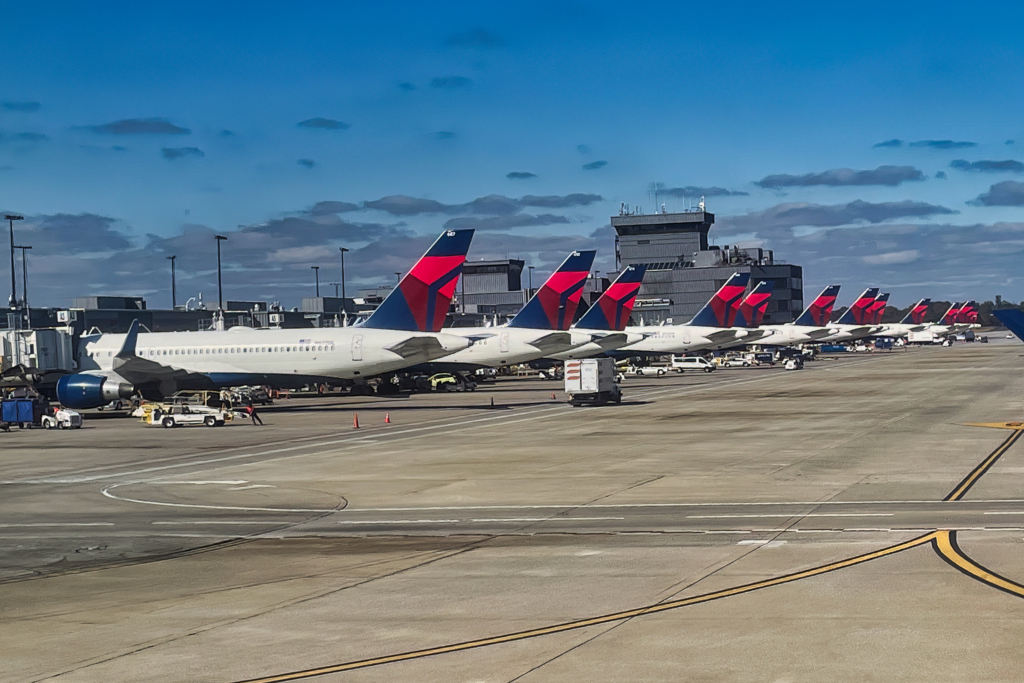
Delta used another fallback on 22 November, a week before the expected peak. When its automated weight-and-balance system failed, teams calculated the figures manually to get flights moving, the Associated Press reported. A Delta spokesperson said the automated system was fully restored by Monday.
On Thanksgiving Sunday, getting a delayed flight out is only part of the job for airlines. The aircraft and crew also need to be in place for the next one. An aircraft held at the gate may need to move to make room for an arrival. A longer delay may also require another pilot or a change to the crew’s next assignment.
Airlines coordinate these busy periods carefully, but weather can disrupt even the best-made plans. For those flying on Sunday, the best advice is to remember to pack patience.
Sign up for our newsletter and get our latest content in your inbox.