


What could happen to Norse Atlantic’s Boeing 787 Dreamliners?

3 min read
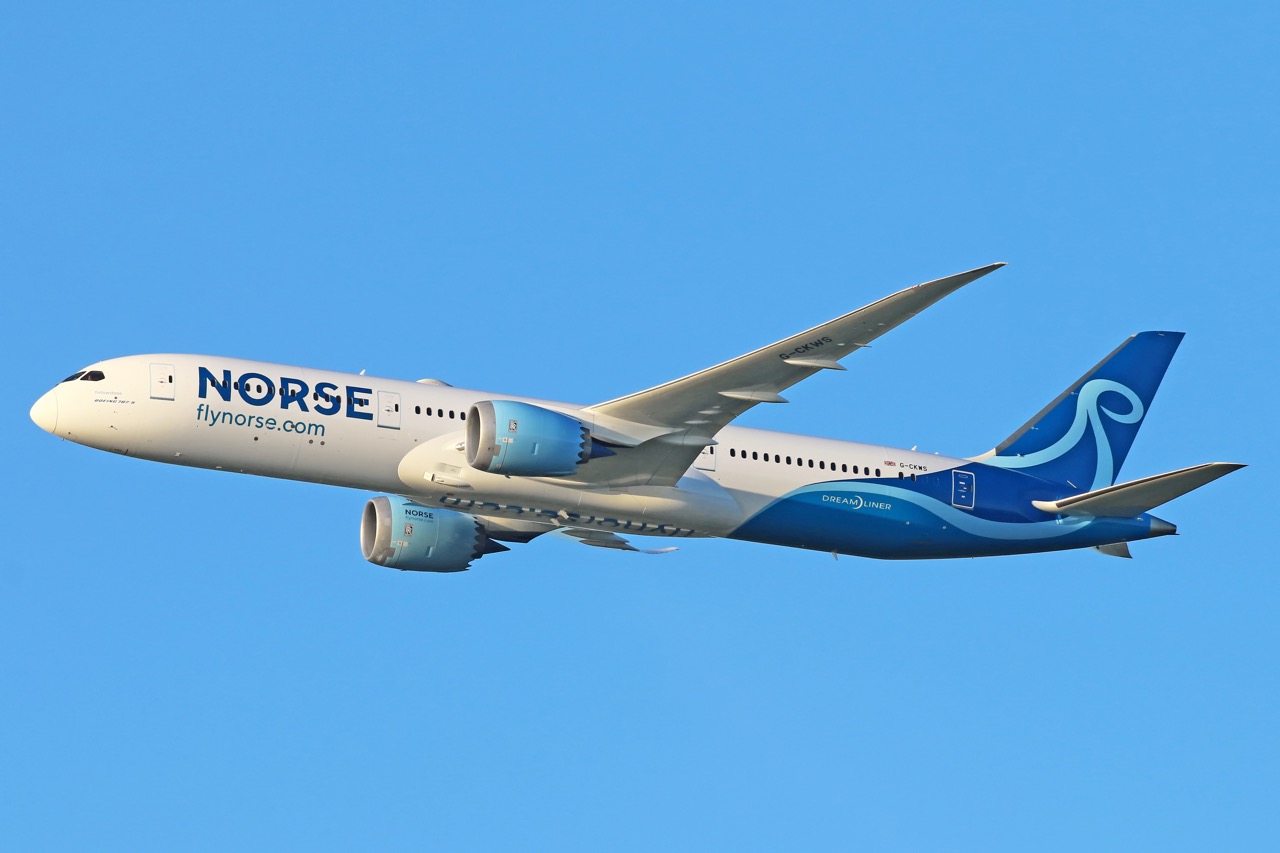

Norse Atlantic suspended flights on 26 November, leaving 12 leased Boeing 787-9 Dreamliners in limbo. The Norwegian long-haul airline said its board intended to file for bankruptcy unless it secured urgent short-term funding. It was still in talks with investors about a possible takeover.
The airline said on 27 November it had received lease termination notices covering all 12 of its Boeing 787-9 Dreamliners. The Norwegian airline disputes the notices’ validity and says it is still in talks to secure short-term financing, Reuters reported.
Reuters reported that chief executive Eivind Roald told Norwegian business daily Finansavisen the aircraft had returned to bases in Norway, Sweden and the UK. The timing of any handover to the lessors remains unclear.
Who owns Norse Atlantic’s Dreamliners?
Norse’s 2025 annual report identifies two head lessors. AerCap supplied six of the 787-9s under leases of about 12 years from inception. BOC Aviation supplied the other six under leases of about 16 years from delivery. Norse originally took three smaller 787-8s from AerCap as well, but returned them in March 2025. The carrier still reported a 12-aircraft fleet on 25 November.
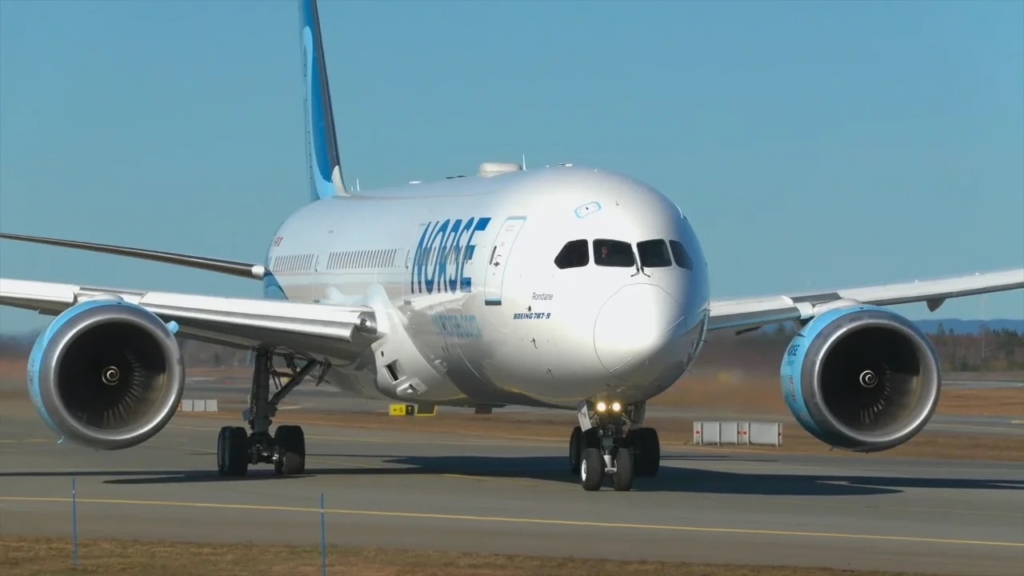
Norse has also flown some of the jets for other airlines. As AGN previously reported, its arrangement with IndiGo once covered half the fleet and ended in November.
A more recent deal covered two 787-9s for Pakistan International Airlines (PIA). Under that wet lease, Norse supplied the aircraft, crews, maintenance and insurance. When Norse suspended operations, PIA cancelled two UK departures and said it would use its own Boeing 777s instead.
What cabins would another airline inherit?
Norse advertised a 338-seat layout with two classes: 56 Premium recliners in a 2-3-2 arrangement and 282 economy seats in a 3-3-3 arrangement. The Premium seats have a 43-inch pitch.
A carrier that can sell the existing cabin has less work to do before putting a jet into service. IndiGo, for example, used the 56-seat forward cabin on leased Norse Dreamliners for its IndiGo Stretch product.
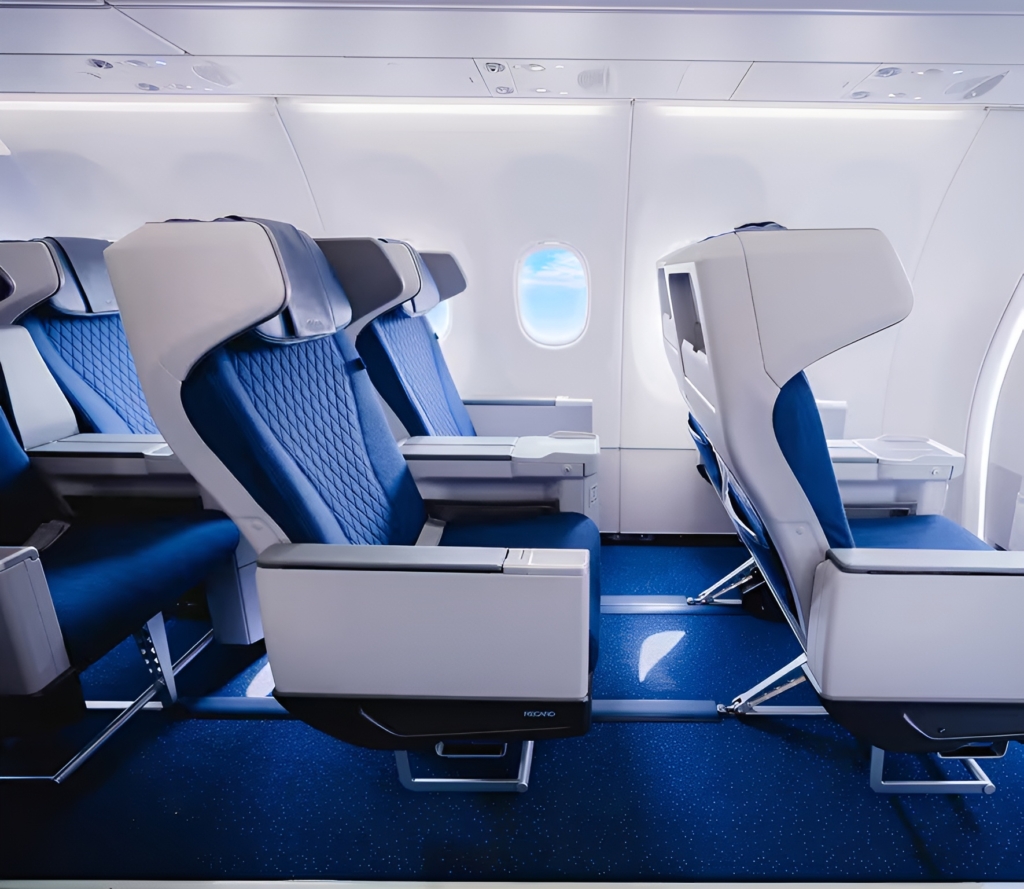
An airline that wants lie-flat seats, a smaller premium cabin or its own entertainment system would have to weigh the cost and time required to install new equipment and obtain certification.
What happens if lessors get the jets back?
The lease dispute adds another hurdle to a rescue. Even if Norse secures funding, it would still need access to aircraft to resume flying. If the leases end, the aircraft can be returned by agreement or recovered by the lessors. The timing depends on the contracts and any applicable insolvency proceedings. Once the lessors regain possession, they can offer the jets to other airlines or put them up for sale.
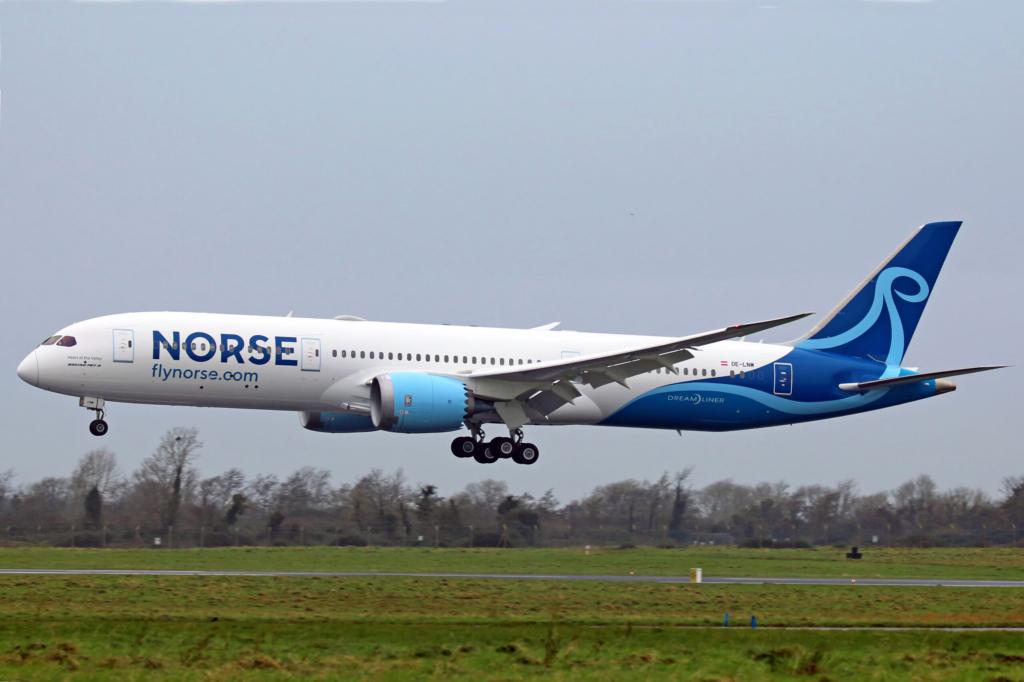
Getting an aircraft back is only one part of the job. The lessor needs the technical records and has to assess the condition of the airframe, engines and components against the lease’s return requirements. A jet may need maintenance, a new paint job or cabin work before delivery to a new customer.
AerCap also warns in its annual filing that it may have to settle claims such as airport or navigation charges to recover an aircraft. Storage can give a lessor time to do that work and arrange a new placement.
The aircraft need not move together. Each lessor can decide where to place its jets, and the next airline’s cabin plans will help determine how soon each Dreamliner carries passengers again.
Sign up for our newsletter and get our latest content in your inbox.