


J-Air orders up to 26 Embraer E190-E2s as JAL Group renews fleet across its network

2 min read
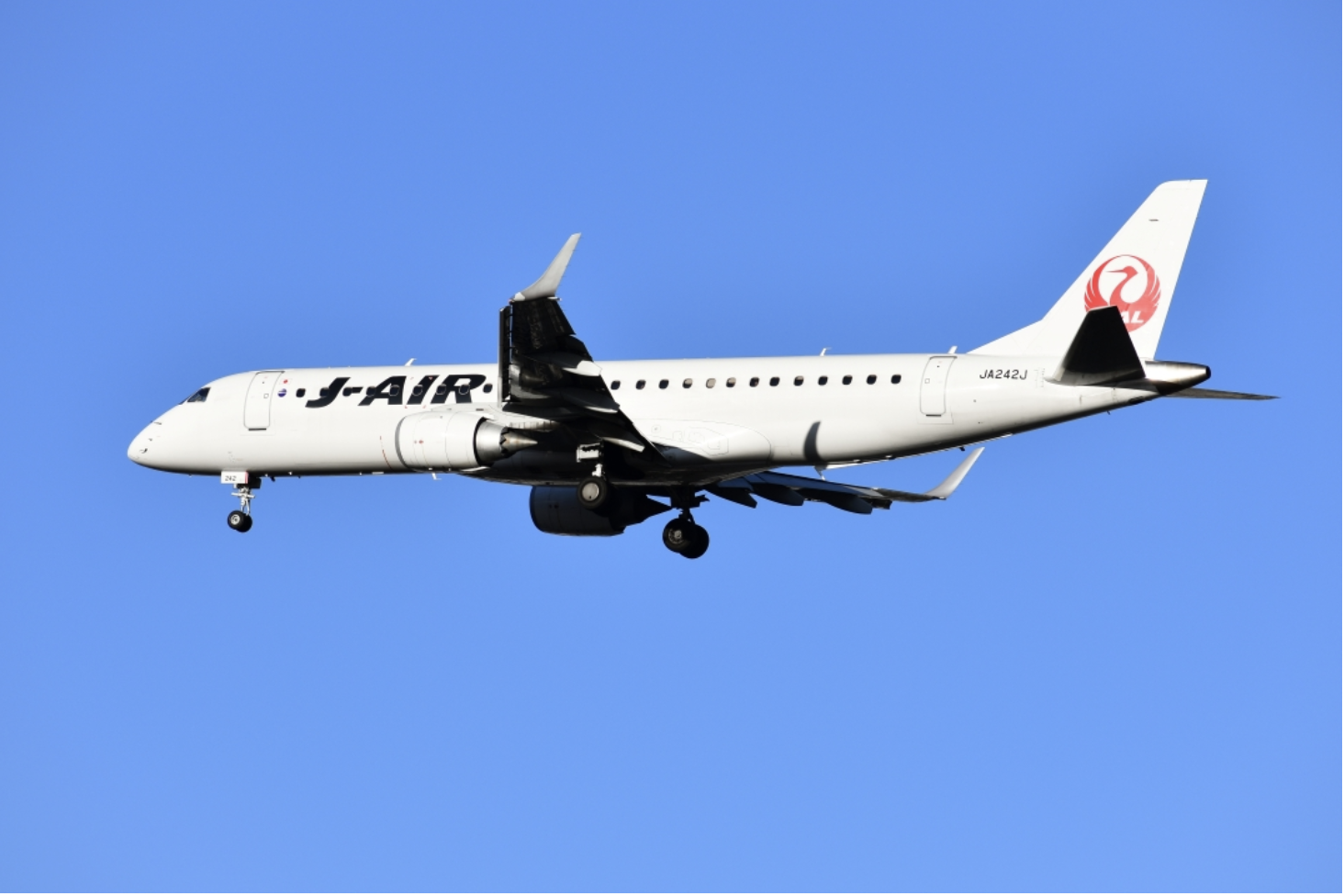
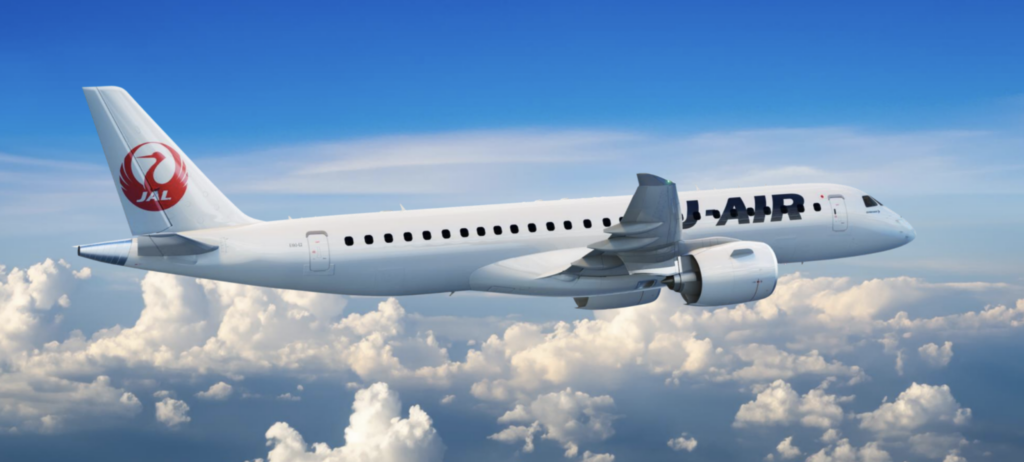
The 16 firm orders and 10 options will replace the Japanese regional carrier’s E170/E190 fleet, with deliveries expected from 2029.
J-Air, Japan Airlines’ (JAL) regional carrier, is expanding its fleet by adding up to 26 Embraer E190-E2 aircraft. Operating from Osaka International Airport, Itami, J-AIR’s network spans Memanbetsu, Hokkaido, in the north to the Amami Islands in Kagoshima Prefecture.
The airline’s fleet today consists of 18 Embraer 170s (76 seats) and 14 Embraer 190s (95 seats).
The order supports the JAL Group Management Vision 2035, which treats a sustainable domestic network as essential social infrastructure for Japan. Mitsuko Tottori, President and Group CEO of JAL, said the aircraft offers “superior environmental performance and economic efficiency.”
She added that it will maintain and develop a sustainable air network for the next generation. J-Air has said it aims to be the “world’s number one regional airline.”
Why the E190-E2 is a strong choice for J-Air’s growth strategy
J-Air has operated Embraer E-Jets since 2008, so the order builds on an existing relationship and a familiar type. The E190-E2 pairs an advanced wing with newer engines to deliver significant fuel efficiency gains and lower CO2 emissions than the previous-generation aircraft. Passengers also benefit from reduced noise levels, which in turn mitigate the environmental impact on communities living around an airport.

For operators, the commonality with the current E-Jet fleet is significant. In September, Embraer extended its long-standing partnership with JAL through a multi-year agreement under its Embraer Pool Program, covering maintenance, repair and spare parts support for the airline group’s fleet of E170 and E190 aircraft.
J-Air’s order is part of a wider JAL fleet overhaul
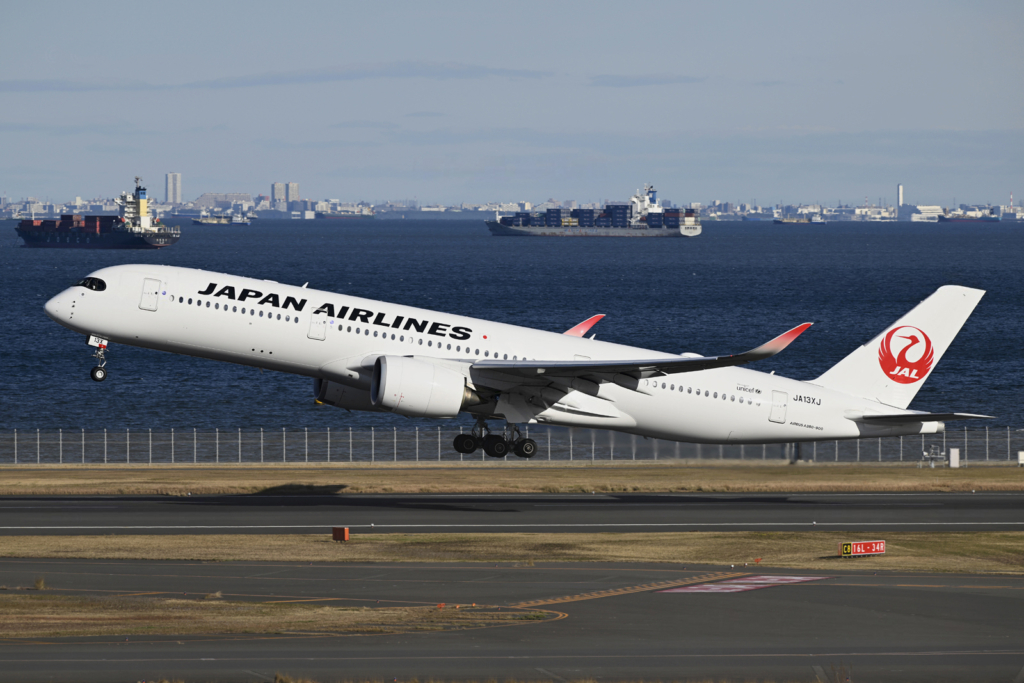
The regional order is one part of a much larger renewal programme for Japan Airlines, which is executing a strategic allocation of management resources exceeding 2 trillion yen over the next five years through accelerated fleet renewal, growth investment in new business domains, and technology investment. Fleet expansion plans include the addition of Boeing 737-8s to replace its 737-800 fleet, Boeing 787-9s and Airbus A321neos and A350s.
Competition from ANA and the wider APAC market
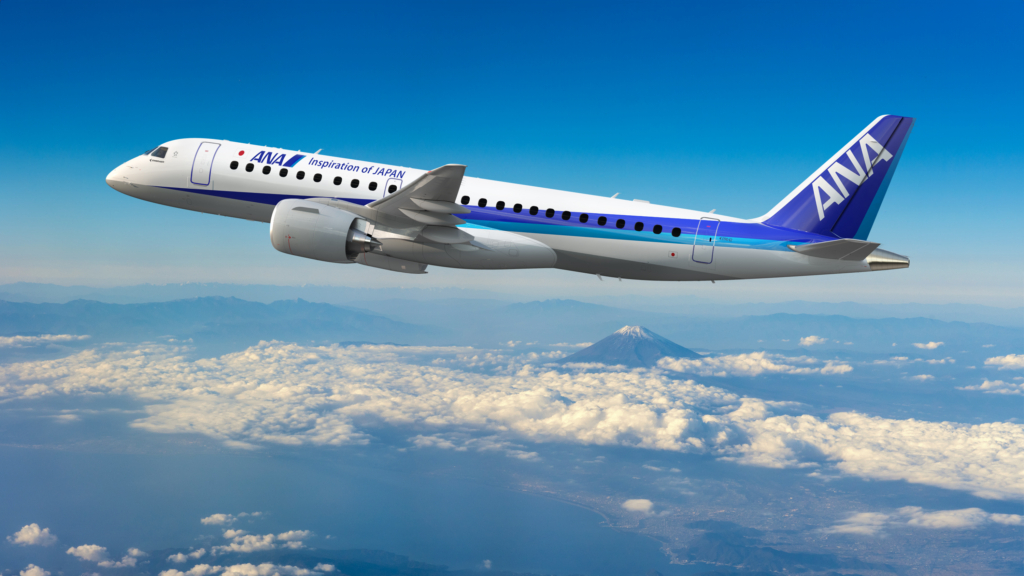
JAL is not alone in its decision to develop its fleet with E190-E2 aircraft. All Nippon Airways (ANA) has also moved on to the E190-E2. It has firm orders for 23 aircraft and five options. First delivery is scheduled for 2028, as part of its plan to build a “sustainable regional network in Japan.”
More than 15 airlines across seven countries in the region already operate Embraer E-Jets. Operators include Fuji Dream Airlines (15 aircraft), Scoot (around nine E190-E2s), and Australian carriers Virgin Australia Regional Airlines, Airnorth, and Alliance Airlines. E190s are also flown by Tianjin Airlines, and Hebei Airlines in China and Hunnu Air in Mongolia
Embraer has been in the region for nearly five decades, since the first E-Jet operated there in 1978.





