Boeing’s touchscreen flight controls for 737 draws backlash from pilots

3 min read
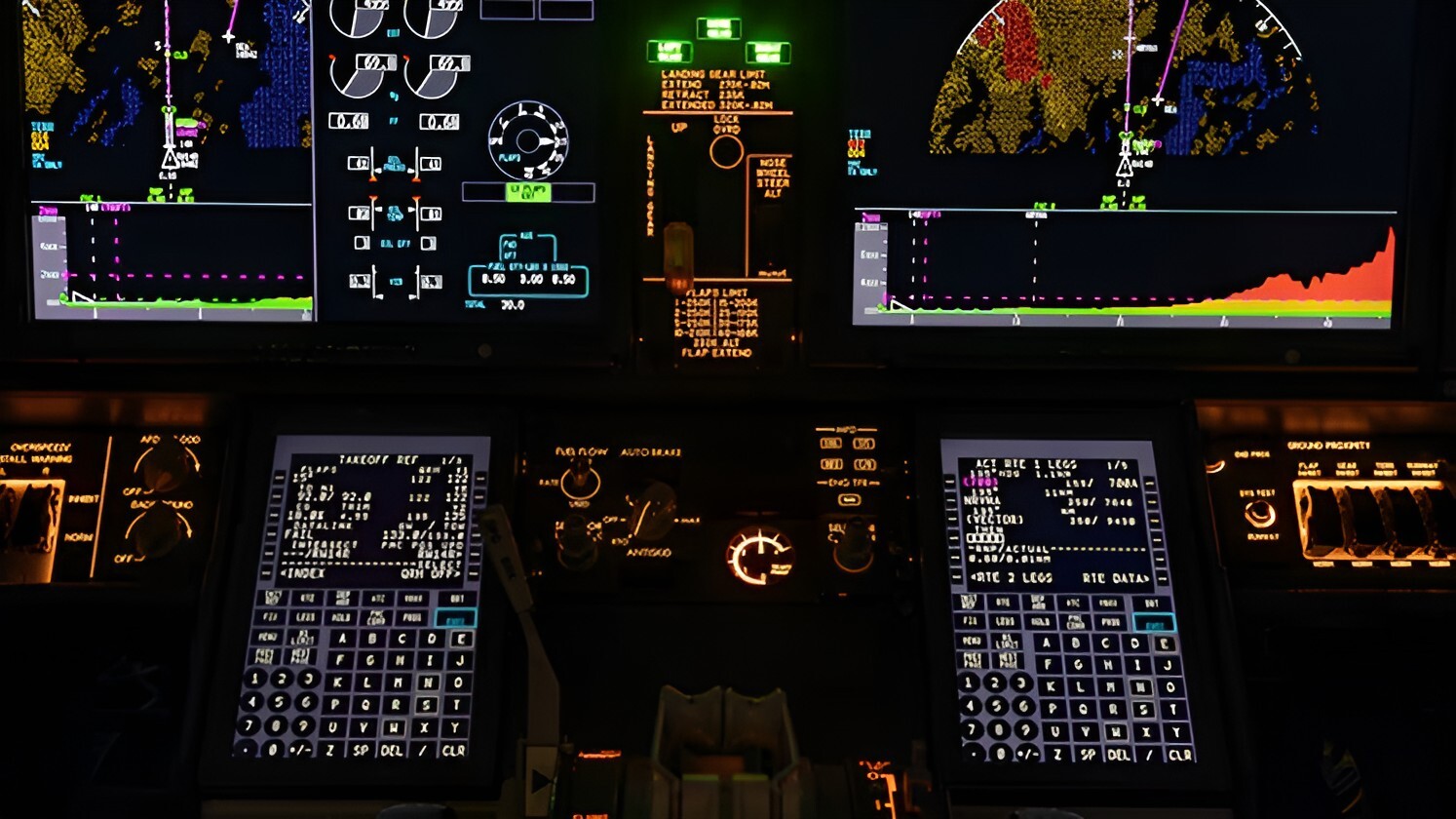
Boeing is offering a drop-in replacement for the Touchscreen Control Display Unit (TCDU) on the 737 MAX and NG airliners. The old panel of buttons is replaced by a touchscreen, with no other changes to the button configuration or layout.
Professional pilots have blasted the move, claiming touchscreens are much harder to operate in turbulent skies. Others say the tactile feedback from physical buttons gives them more confidence when operating in high-pressure situations.
Boom Supersonic CEO blasts Boeing’s new touchscreen flight control
Blake Scholl, the founder and CEO of Boom Supersonic, took to X (formerly Twitter) to write, “This is so colossally stupid I’m at a loss for words.”
Scholl then elaborated, “Boeing has a decades old flight computer design with a custom physical keyboard and monospace text UI. They introduced a touch version of this, by taking the literal same design and making it all screen.”
This is so colossally stupid I’m at a loss for words. Boeing has a decades old flight computer design with a custom physical keyboard and monospace text UI. They introduce a touch version of this, by taking the literal same design and making it all screen.
— Blake Scholl 🛫 (@bscholl) October 8, 2026
He then said Boeing is in the “pre-BlackBerry era” and that the cockpit is like taking a picture of a 1977 PC, putting it on a touchscreen, and then calling it an iPad. He added that he believes it won’t work well and will just give touchscreens a bad name in the cockpit.
But the Boom Supersonic CEO is not against touchscreens for the pilots in general. He says they work great when “designed thoughtfully.”
Boeing claims the “elegant interface” is preferred by pilots
Boeing is emphasising the reliability, cost, and weight benefits of the new TCDU designed by Gables Engineering.
The touchscreen is to become standard in the MAX 10 models while also being retrofittable into 737 NG and MAX aircraft.
Boeing says the TCDU is designed to emulate the physical keyboard layout of the CDU (control and display unit), MCDU (multi-function control and display unit), and FANS (future air navigation system) MCDU. It also claims that it is an “elegant interface” that users prefer and expect.
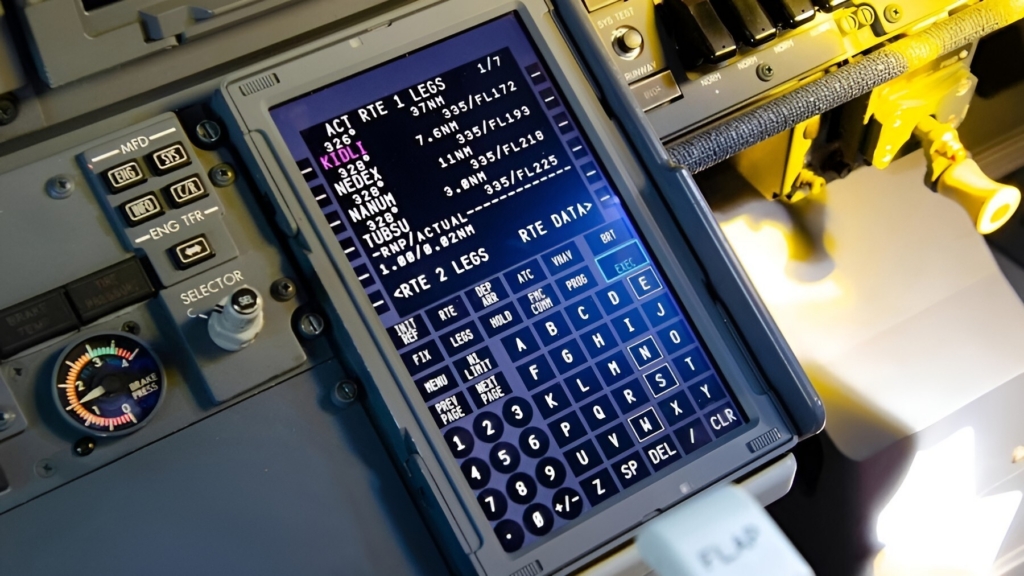
Claimed benefits include lower maintenance as glass lasts longer than worn buttons, weight savings, and future-proofing through extra connectors and software upgrades. Other benefits include no need for wiring changes or data-loading process changes.
Much of the criticism of the TCDU revolves around solving a problem that didn’t exist. Pilots note that Boeing could have changed the layout to a QWERTY keyboard as an improvement. However, any fundamental changes such as this would require expensive retraining of crews.
Conversely, the new 777X controls (built by Rockwell Collins) are fully touchscreen digital displays and have been widely well received by professional aviators. However, these are large forward displays designed for intentional multi-touch interaction and are not a direct keyboard emulation.
Pilots aren’t keen to fly with Boeing’s touchscreen CDU
Some aviation commentators mused about how the glass screen could negatively affect usability and tactility, and whether it offers any advantages over the regular CDU. There appears to be a divide between pilots and maintenance personnel. Pilots seem to prefer the older buttons and switches, while maintenance prefers a touchscreen as it’s less likely to become inoperative.
Opinions on platforms like Reddit and X were mixed, but leaned critical—especially from pilots and tech-oriented observers. One posted, “My general opinion is that physical buttons and switches are better than touch from a usability pov. I love the clicking and flipping!”
Comment
by u/Chicken_99 from discussion
in AskAPilot
Comment
by u/Chicken_99 from discussion
in AskAPilot
Complaints typically centre around the lack of tactile feedback and the potential to make an incorrect entry, particularly in bumpy skies. Others flagged visibility issues with glare on the glass screen in bright conditions.
Nevertheless, several pilots have said that their airlines are rolling out the retrofits at pace. For carriers, the upgrade could mean less potential to have an aircraft unserviceable over a small switch, and lower ongoing maintenance costs, all of which is very appealing to the bottom line.