


FAA delays Boeing 737 MAX 10 certification over software issue

4 min read
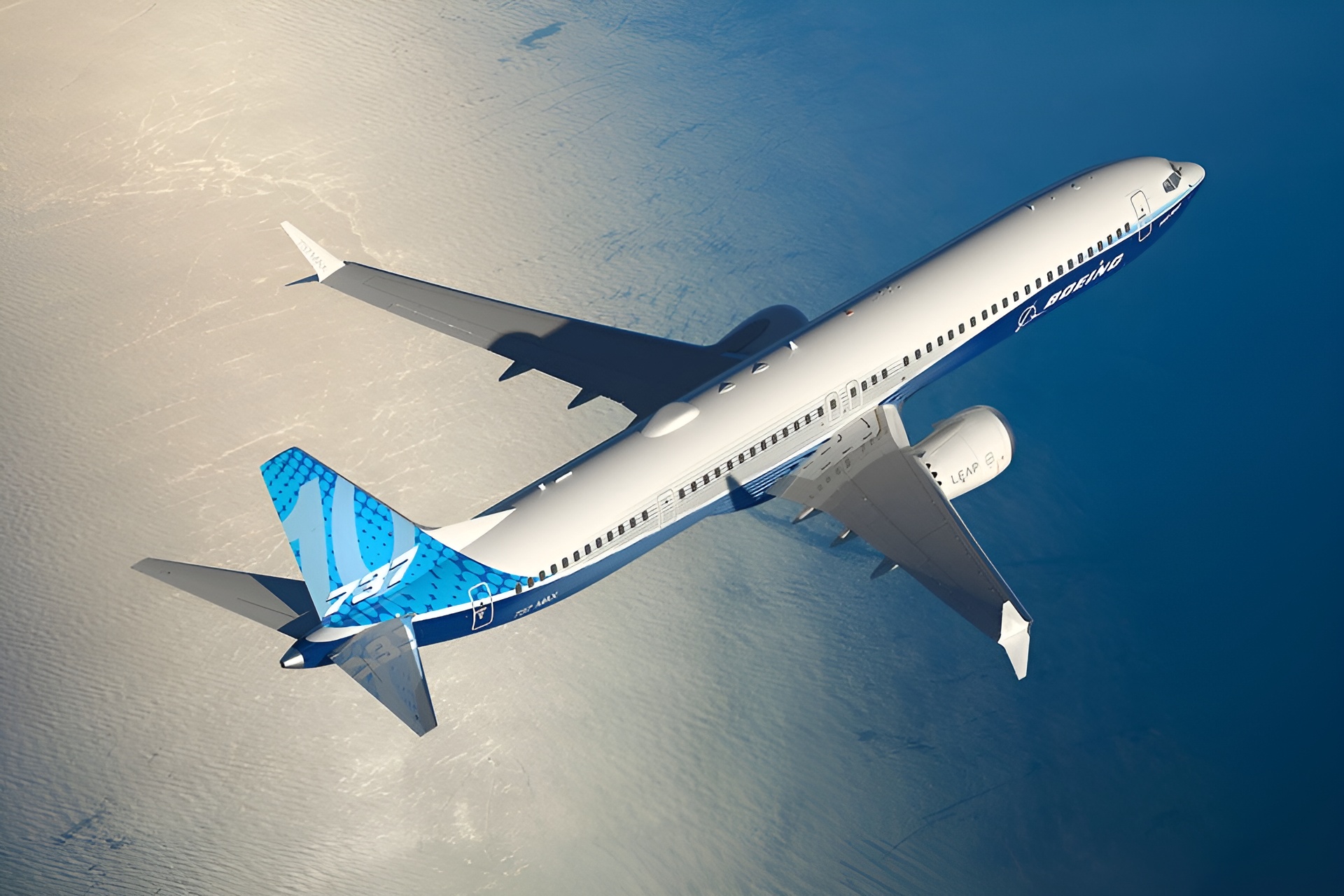
Boeing’s efforts to bring the 737 MAX 10 into service have suffered another setback after US regulators said certification would be delayed until a newly identified software problem has been resolved.
The Federal Aviation Administration (FAA) has not provided a revised timetable for approval of the largest variant of the 737 MAX family.
FAA puts brakes on MAX 10
Industry analysts had expected a positive decision as early as this week, which would have ended years of delays to an aircraft that remains central to Boeing’s foothold in the single-aisle market.
The FAA certified the 737 MAX 7 on 3 August and Boeing CEO Kelly Ortberg said earlier this month that certification of the MAX 10 was coming “very soon”.
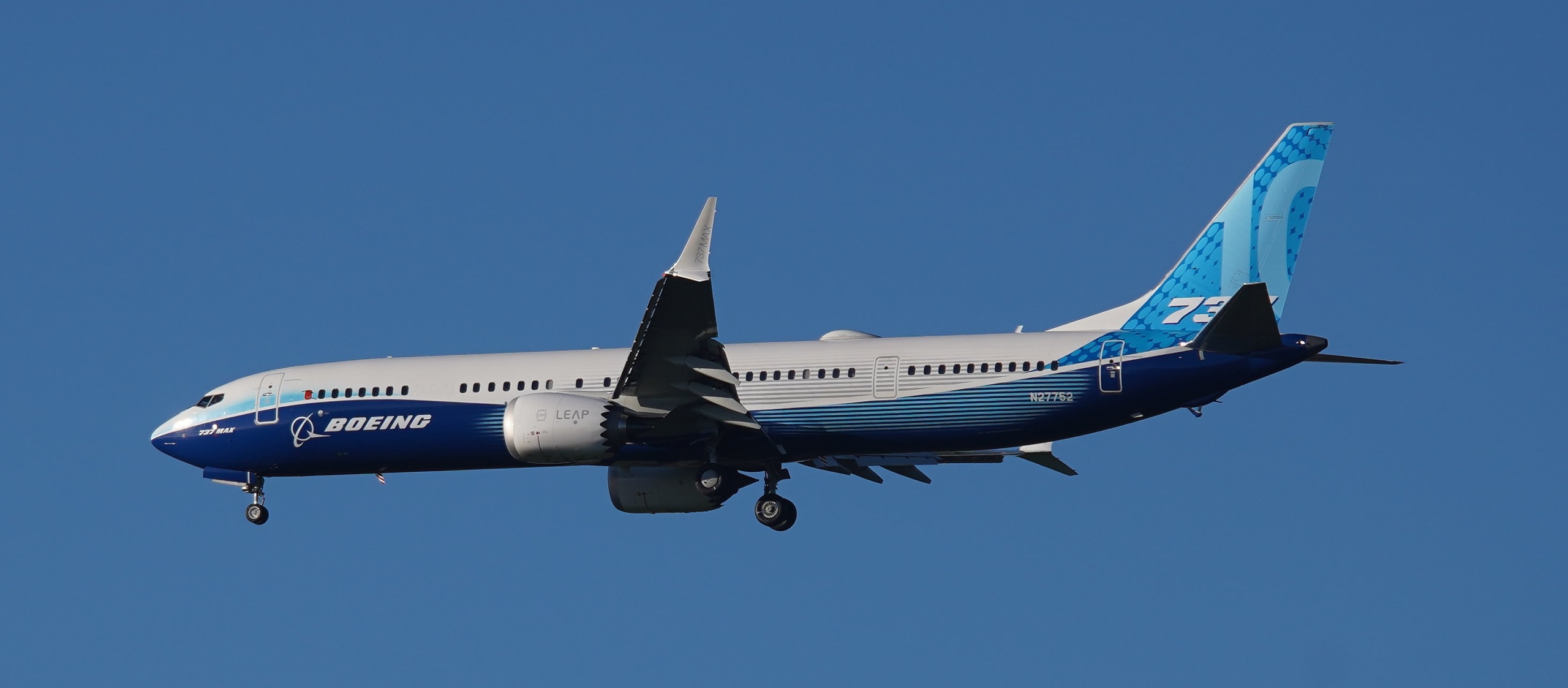
However, FAA administrator Bryan Bedford confirmed the delay on 28 September, saying the agency would not proceed until it was satisfied the issue had been addressed.
“We will be delaying the 10 until we’re satisfied that we don’t have an issue here,” he told reporters at an event at Reagan Washington National Airport, reported by Reuters. Bedford declined to comment on how long the delay might last.
Software fault affects landing guidance
Boeing has identified a software fault in the 737 MAX flight management system that can cause pilots to lose automated vertical flight guidance during a specific missed-approach procedure.
The problem affects newer versions of the aircraft’s flight management computer software – specifically, its vertical navigation, or VNAV, function.
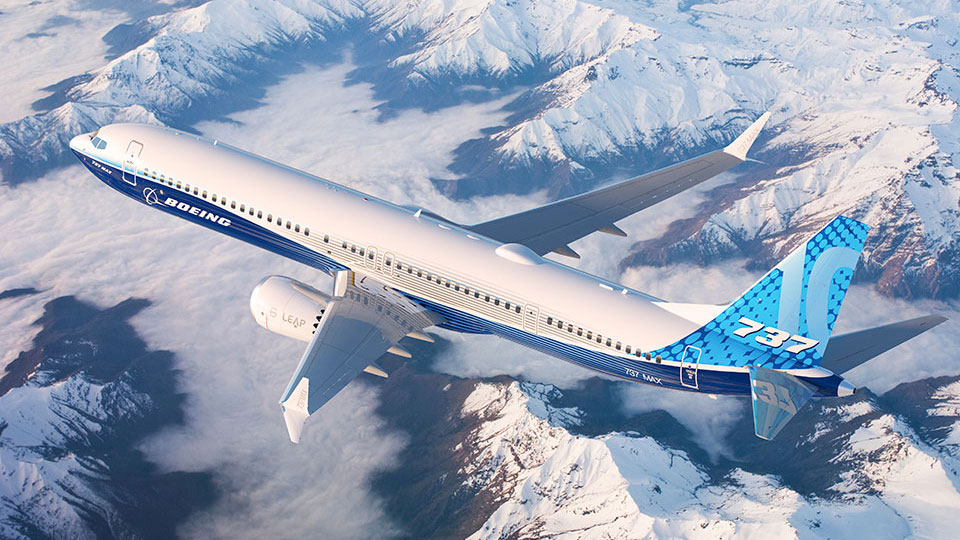
VNAV is an automated flight-management function that helps the aircraft follow a calculated vertical flight path, including programmed altitude constraints.
The fault has been found to occur after pilots abandon a landing attempt and change their programmed flight path.
Boeing says existing procedures let pilots handle the condition safely and keep the autopilot available using secondary modes of automation. Pilots can also safely disconnect the autopilot and fly the aircraft manually.
Boeing faces further certification uncertainty
The latest issue adds to the delays surrounding the MAX 10, which is intended to compete with Airbus’s A321neo in the higher-capacity end of the single-aisle market.
Boeing is relying on the aircraft as part of its effort to recover market share from its European rival, after a turbulent few years in which it has ceded ground to Airbus.

Dozens of airlines are waiting for the larger MAX 10, including the big three US carriers which all have sizeable orders for the type.
Boeing shares closed almost 7% lower after news of the FAA delay was announced.
Boeing has not provided a revised certification date, and the timing will depend on the resolution of the software issue and the FAA’s assessment of Boeing’s work.
What happens when the FAA delays certification of an aircraft?
The certification process laid out by the FAA or its counterpart regulators around the world is a highly complex process which can be lengthy and fraught with complication for the aircraft manufacturer.
The Type Certificate issued by the FAA is the final seal of approval from the regulator that the design of the aircraft and all component parts meets the necessary safety standards.
The Type Certificate represents approval of the design of the aircraft and all component parts, and signifies the design is in compliance with the applicable standards.
On the manufacturer’s side, they must ensure that all testing and compliance findings are thoroughly completed, and then are required to finalise any documentation, including the Airplane Flight Manual (AFM).
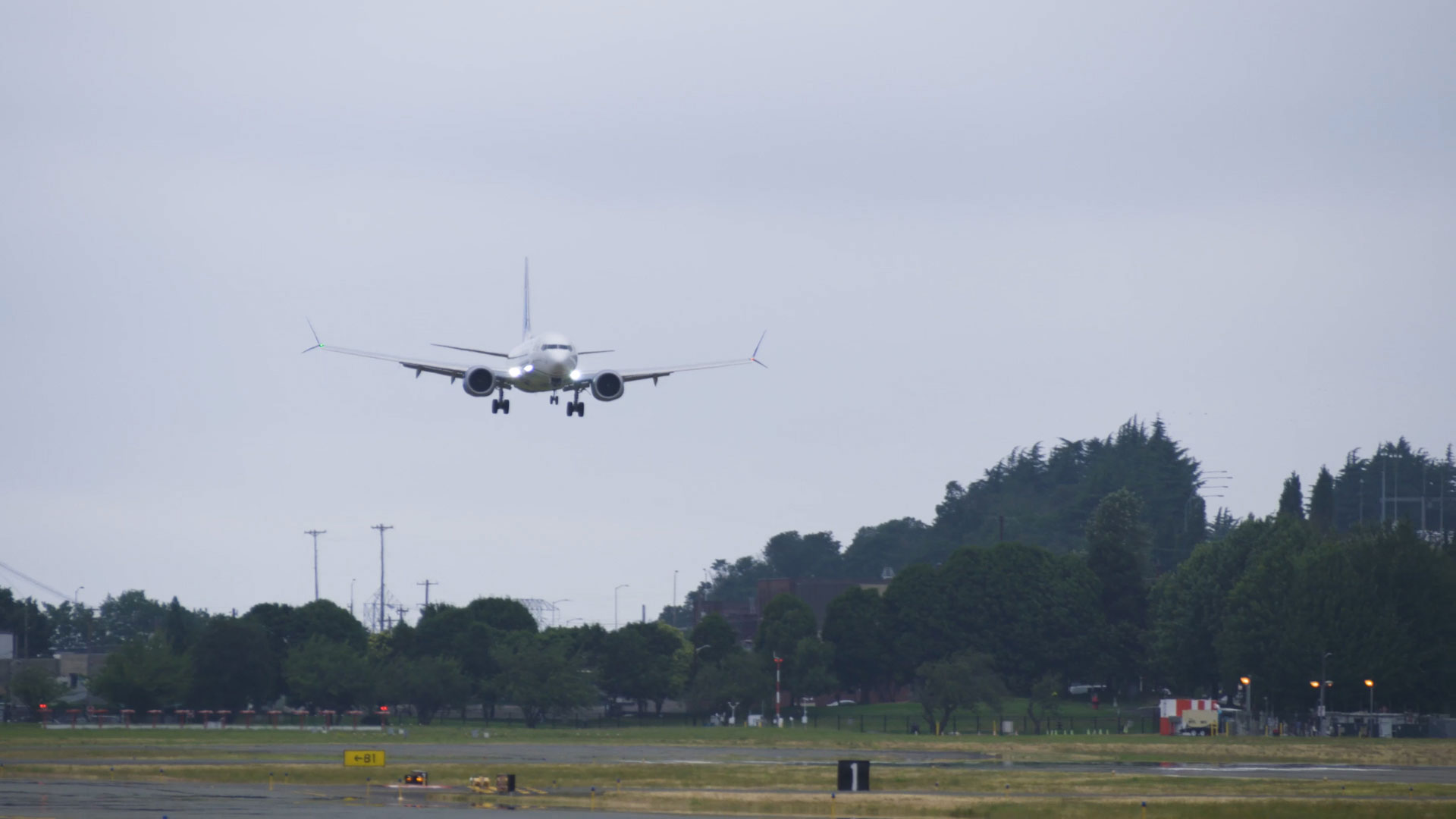
This is to certify that the design meets the agreed-upon certification criteria.
For its part, the FAA will hold the Final Type Certification Board meeting to discuss the certification, ensure that all of the certification requirements have been satisfied and then finally issue the Type Certificate.
However, if there is a delay to the certification process by the FAA, such as that which has happened to the MAX 10, it can potentially lead to a pause in the manufacturing and delivery process for the type, which in turn leads airlines to adjust their fleet planning.
This can impact the operation of inaugural flights, or even route launches, depending on where the new aircraft type is planned to be deployed.
Sign up for our newsletter and get our latest content in your inbox.


More from


September 25, 20264 min read


