


NASA maps Boeing Starliner comeback with uncrewed test before astronauts return in 2028

7 min read
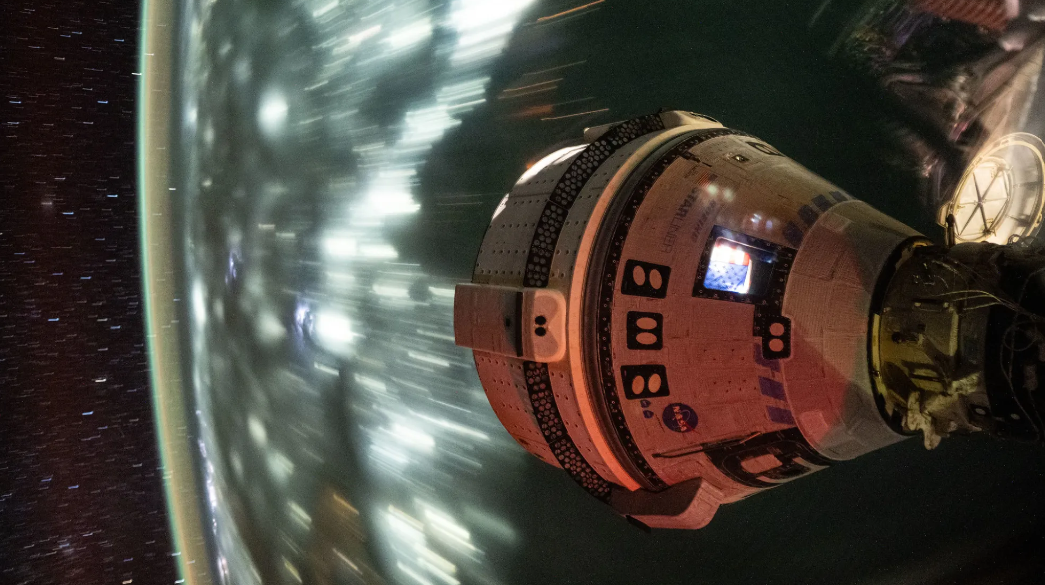
Boeing’s Starliner will fly to the International Space Station (ISS) without astronauts on its next mission, with NASA now saying a crew will not return to the spacecraft until 2028 at the earliest.
The uncrewed Starliner-1 mission could launch as early as December 2026 or January 2027 and will be used to test changes to the spacecraft’s propulsion system. Even if that flight is successful, Boeing must make further thruster modifications and complete additional testing and certification before NASA clears Starliner to carry astronauts again.
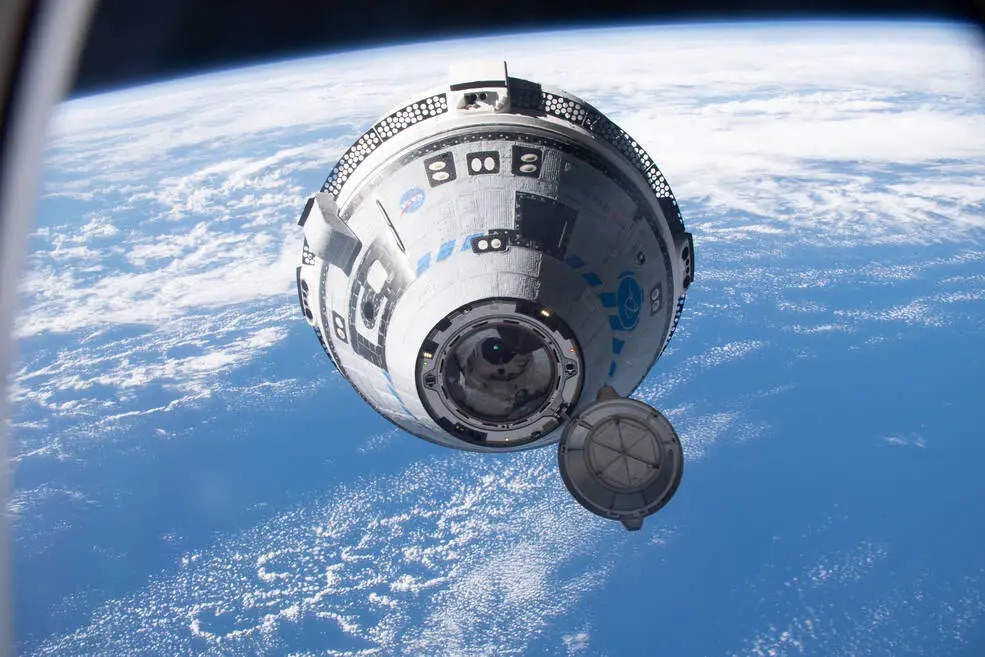
Starliner’s next flight will therefore look very different from its last. Butch Wilmore and Sunita Williams launched aboard the spacecraft to the ISS in June 2024, but helium leaks and thruster problems prompted NASA to bring Starliner home without them. This time, NASA is taking the crew out of the equation from the start.
NASA has nevertheless made clear that it is not walking away from Starliner. The agency has laid out a new route to get the Boeing spacecraft carrying astronauts again, while committing to additional missions and preparing a new rocket to keep the programme flying after the Atlas V is retired.
The plan gives Starliner its clearest path back to operational service since its troubled Crew Flight Test in 2024. It also extends the programme beyond its remaining Atlas V launches, with NASA planning to certify United Launch Alliance’s Vulcan rocket and saying it intends to exercise options for fifth and sixth Starliner flights to the ISS.
NASA Administrator Jared Isaacman said the agency still wants more than one US system capable of transporting astronauts to low Earth orbit.
“We have worked closely with Boeing to address the issues identified on previous Starliner flights, and we intend to see this vehicle return to flight in support of the International Space Station and future commercial destinations,” Isaacman said.
Starliner-1 becomes an engineering mission
The next flight, Starliner-1, is now planned without astronauts and could launch in December 2026 or January 2027. Boeing is also listing the mission in that timeframe.
Rather than simply repeating the 2024 mission, NASA will use Starliner-1 as an engineering evaluation flight. The spacecraft will test changes intended to improve the thermal environment around its propulsion system and collect data needed to qualify the system for crewed operations.
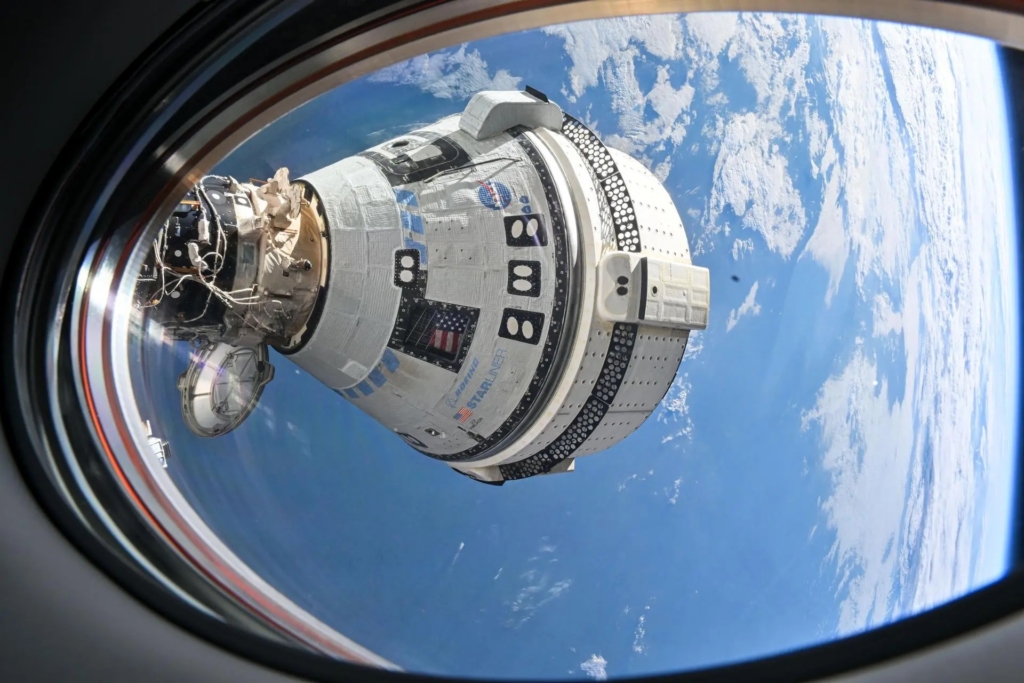
The distinction is important because Starliner will not emerge from the upcoming flight in its final crew-certified configuration.
NASA and Boeing plan another modification to the service module thruster valves after Starliner-1 returns. The change is intended to address poppet seal extrusion and its effect on thruster performance. Boeing will also install new crew module thrusters and batteries and make smaller changes to the parachute system before crew certification.
That work pushes the next astronaut mission, Starliner-2, into 2028.
“We are starting with an uncrewed Starliner-1 mission to the International Space Station to validate the improvements made to the spacecraft and gather the flight data we need,” Isaacman said.
“From there, we will use what we learn, continue implementing the corrective actions identified by our Program Investigation Team, and complete the testing and certification required for crewed flight. Our current plan is to return astronauts on Starliner-2 by 2028.”
Thruster problems traced back to conditions on the ground
The new flight plan follows an extensive investigation into what happened during Starliner’s Crew Flight Test.
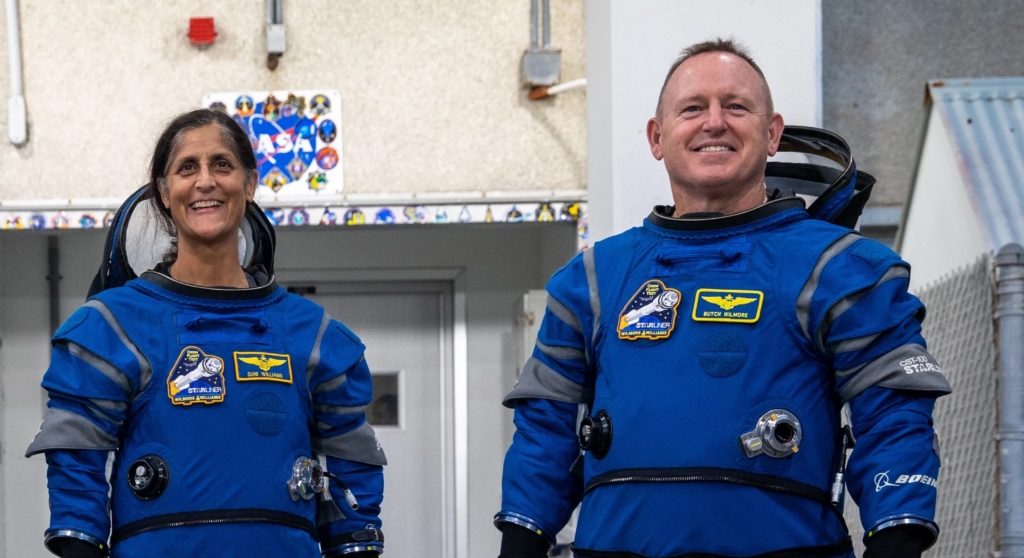
NASA’s investigation produced 61 recommendations after the spacecraft returned without astronauts Wilmore and Williams. It found that service module reaction control thrusters had operated outside their qualified engineering environment. Ground testing subsequently linked their performance problems to a combination of thermal conditions and features of the propulsion system’s design.
The briefing also provided greater detail about two separate propulsion problems.
NASA said the helium leaks encountered during the 2024 mission were traced to valve seals that degraded after exposure to nitrogen tetroxide, the oxidiser used by Starliner. Boeing has changed the seal material and adjusted its tolerance selection for Starliner-1.
A separate problem affecting crew module thrusters was traced to corrosion caused by residual hydrazine interacting with atmospheric carbon dioxide while the spacecraft was on the ground. Boeing has introduced procedures to flush out residual hydrazine and continuously purge the area to isolate the thrusters from the environment.
What went wrong on the 2024 flight?
Starliner launched Wilmore and Williams on its first crewed flight in June 2024 for what had originally been expected to be a short stay at the ISS.
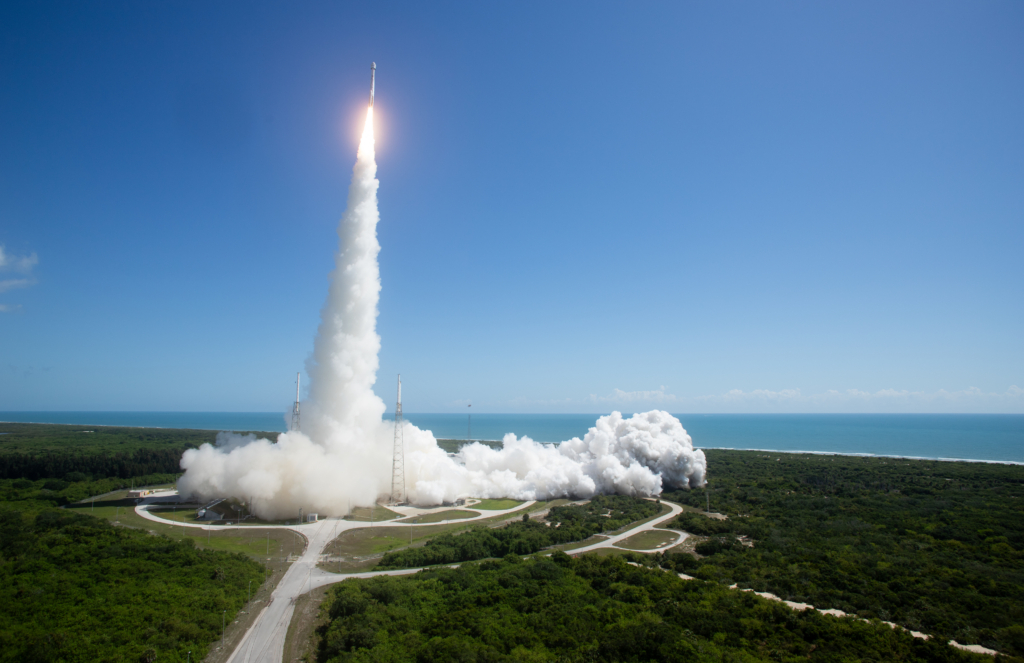
The spacecraft developed helium leaks and lost five of its 28 reaction control system thrusters during the journey to the station. It nevertheless docked successfully.
NASA later decided there was too much uncertainty surrounding the propulsion system to use Starliner for the astronauts’ return. The capsule landed without them in September 2024, while Wilmore and Williams remained aboard the station and eventually returned aboard a SpaceX Crew Dragon.
The problems added to a difficult test programme.
Starliner’s first uncrewed Orbital Flight Test in December 2019 failed to reach the ISS after a spacecraft timing problem placed it in the wrong orbit. The second uncrewed test, OFT-2, reached the station in May 2022, although two orbital manoeuvring and attitude-control thrusters failed during the flight.
The 2024 flight was supposed to clear the way for Starliner to begin regular NASA crew rotations. Instead, the programme entered another prolonged period of testing and investigation.
Starliner also needs a new rocket
There is another problem NASA must solve if Starliner is to remain in service long enough to complete its planned missions: Atlas V is disappearing.
Starliner has flown exclusively on ULA’s Atlas V, but the rocket is out of production and approaching retirement.
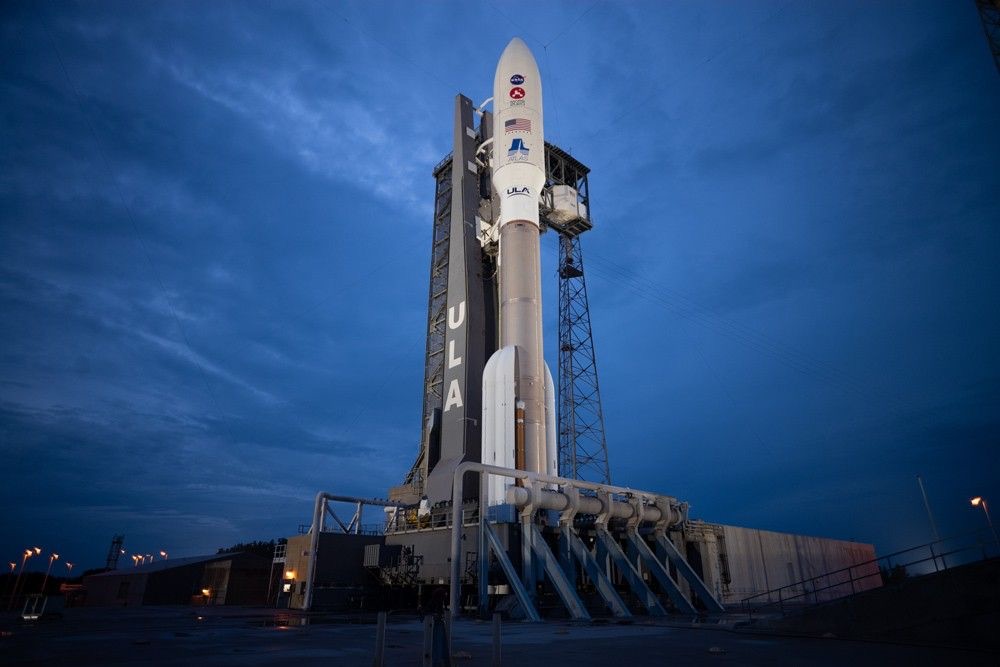
The current plan calls for Starliner-1 through Starliner-4 to use the remaining Atlas V rockets assigned to the programme. Starliner-5 and Starliner-6 would move to ULA’s Vulcan Centaur. Vulcan, however, is not yet certified to carry astronauts.
NASA will therefore work with Boeing and ULA on human-rating Vulcan. The agency said the spacecraft upgrades and Vulcan certification together represent an additional $359 million in spending.
The rocket transition adds another certification programme to an already compressed Starliner timetable.
“Starliner’s next flight is a critical step on the path to achieving full system certification and ensuring a sustained human presence in low Earth orbit,” said Dana Weigel, manager of NASA’s Low Earth Orbit Program. “With the safety of our space station crew and the public as our highest priority, we will test Starliner’s propulsion system through targeted demonstration objectives and disciplined operational controls. These steps are essential to validating Starliner’s thermal performance which is a key element for the certification.”
NASA still wants a second way to orbit
NASA’s willingness to continue investing in Starliner also reflects a problem larger than Boeing’s spacecraft.
SpaceX’s Crew Dragon is currently the only operational US spacecraft carrying astronauts to and from the ISS. NASA recently bought three additional SpaceX missions — Crew-15, Crew-16 and Crew-17 — for $946 million, extending its access to Dragon towards the end of the decade.
But NASA has pursued two independent US crew transportation systems since awarding Commercial Crew contracts to Boeing and SpaceX in 2014. Starliner was intended to provide that second capability.
Boeing designed the reusable capsule to carry up to seven people, although NASA ISS missions are configured for up to four NASA-sponsored crew members plus cargo. Its crew module is designed to fly as many as 10 missions.
That original goal of redundancy is now colliding with the calendar. The ISS is approaching the final years of its operating life, while NASA is also preparing for a transition towards privately operated stations in low Earth orbit.
NASA nevertheless made clear at Monday’s briefing that Starliner remains part of that transition. The agency intends to exercise options for two more flights, taking the programme through Starliner-6, while simultaneously preparing Vulcan to carry the spacecraft after Atlas V retires.
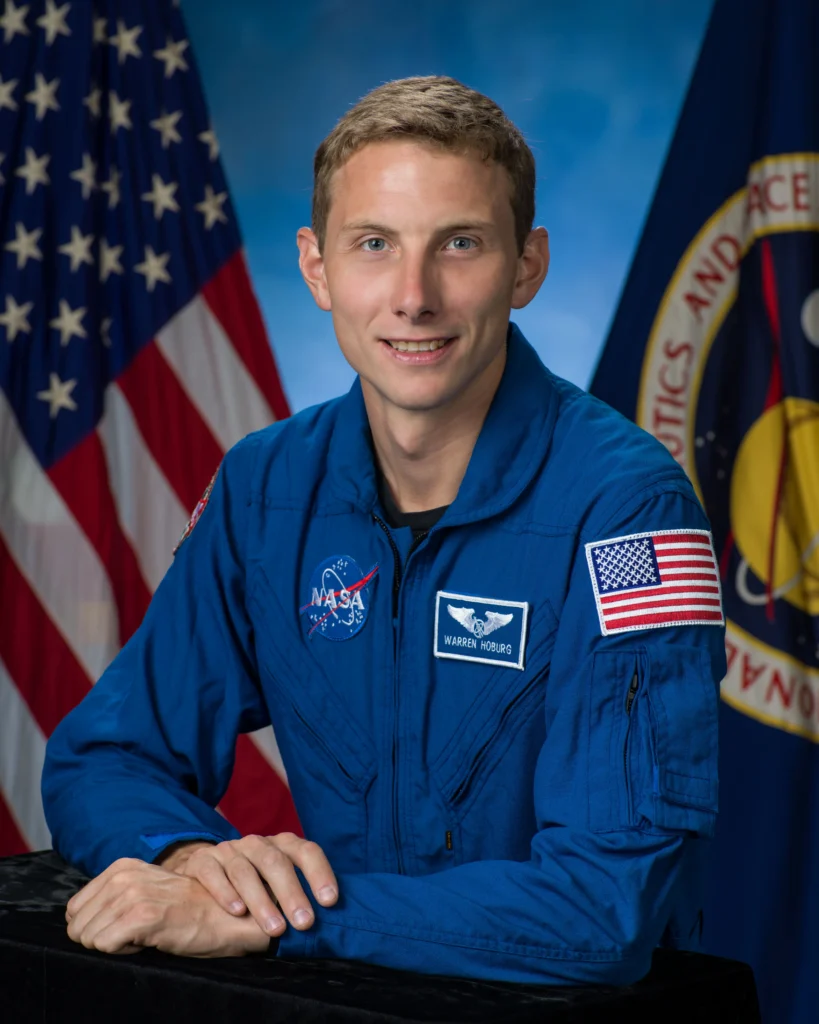
NASA astronaut Woody Hoburg has been named commander of Starliner-2
“I’ve flown a lot of types of aircraft, and let me tell you, Starliner is a pilot’s spacecraft,” Hoburg said at the press conference.
Hoburg said the wider lesson went beyond individual pieces of hardware.
“It’s the underlying pattern,” he said. “It was inadequate systems engineering and integration, creating gaps in hardware qualification.”
He said the environments responsible for the helium leak and crew module thruster problems had not been adequately qualified on the ground.
Sign up for our newsletter and get our latest content in your inbox.


More from


September 25, 20264 min read

September 24, 20262 min read


