


Trump’s Iranian airline sanctions: How are they affecting Iran’s aviation industry?

4 min read
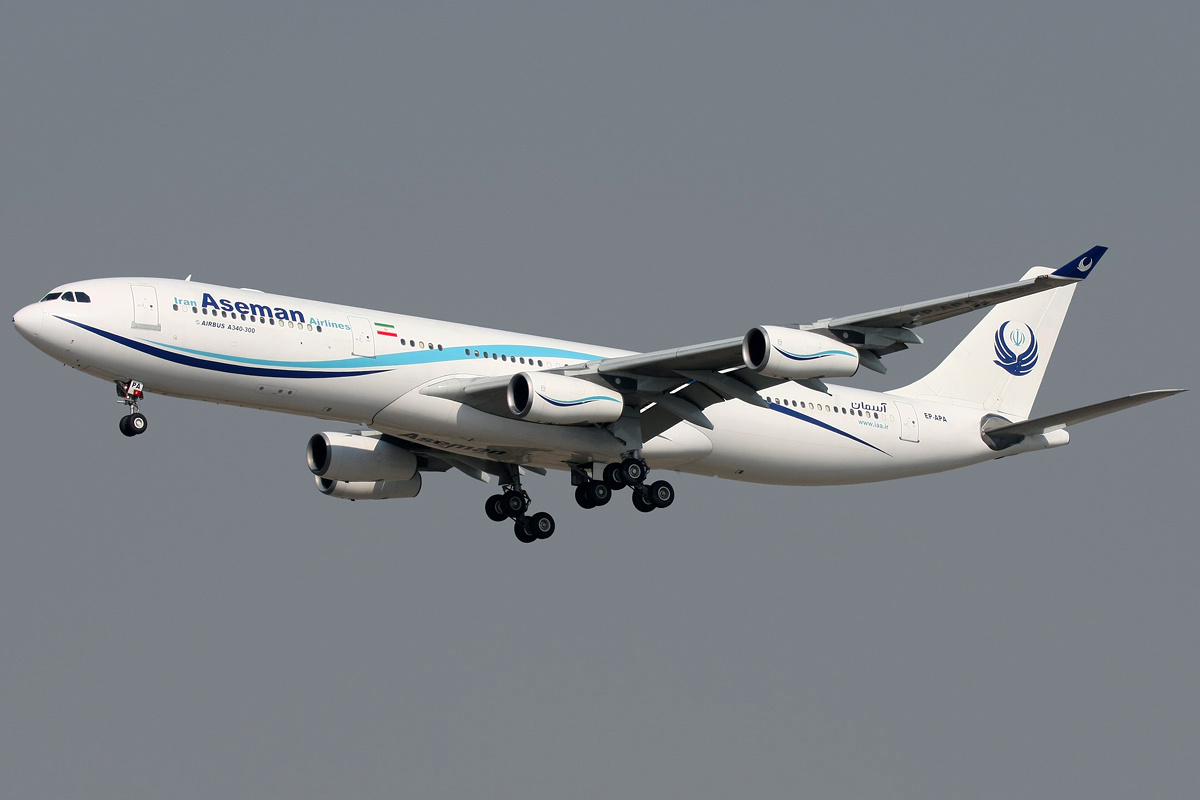
Iran’s aviation industry is already feeling the effects of the Trump administration’s latest sanctions, with flights cancelled and important international routes suspended.
Iran said on Monday, 28 September, that it had submitted a formal complaint to the International Civil Aviation Organization over the US restrictions, as its aviation authorities seek to restore suspended routes.
But what exactly has Washington targeted, and how are the measures affecting Iranian airlines and their passengers?
How US sanctions target Iranian airlines and their suppliers
On 8 September, the US Treasury Department sanctioned 27 Iranian airlines, including Iran Air Tour, Iran Aseman Airlines, Qeshm Air, Kish Airlines, Sepehran Airlines and Zagros Airlines. The wider action also targeted overseas companies accused of supporting Iran’s aviation sector.
The measures form part of President Donald Trump’s wider campaign of economic pressure against Iran. Treasury says the aviation sector has been used to transport weapons, personnel and illicit cargo, allegations underpinning its action.
Washington has not stopped every Iranian aircraft from flying. Instead, it is targeting both the airlines and the international businesses they depend on, threatening consequences for foreign companies that continue supporting sanctioned carriers.
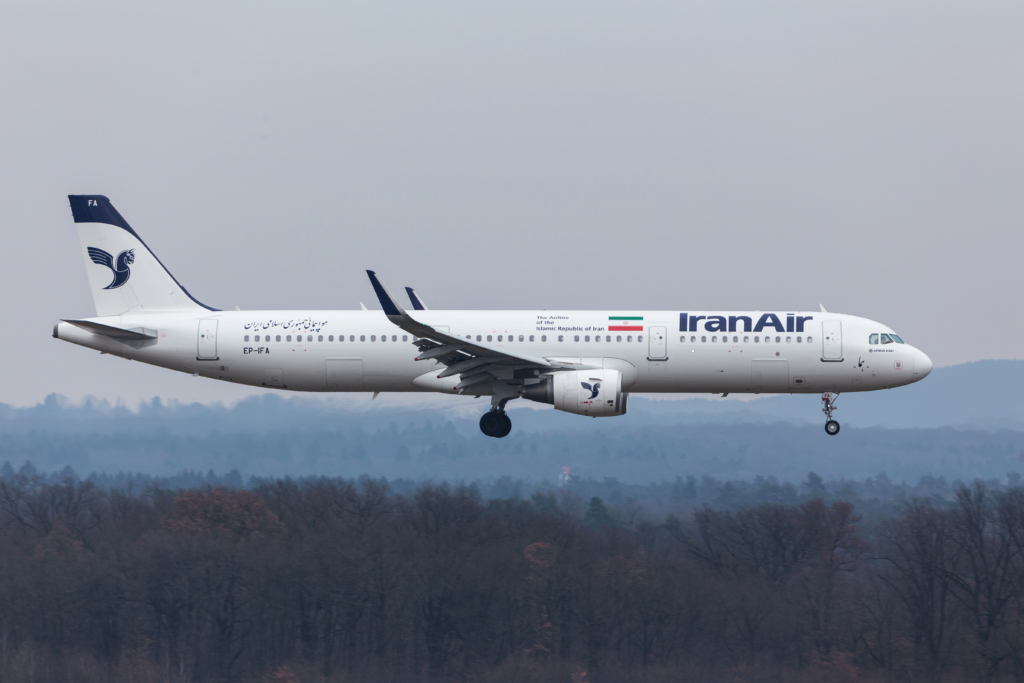
This approach, known as secondary sanctions, puts pressure on companies outside the US. For an airline, losing access to fuel, ground handling or other essential services can make a route impossible to operate, even when an aircraft is available.
Which Iranian airline routes have been suspended?
The effects became particularly visible on 24 September. Reuters reported that Iranian airlines were barred from destinations including the UAE and Oman after Washington’s deadline for foreign companies to halt dealings with Iranian carriers.
The UAE’s General Civil Aviation Authority announced that flights operated by Iranian airlines to and from the country were suspended from 24 September until further notice. The announcement specifically concerns Iranian operators, rather than establishing that every flight between the two countries has stopped.
Dubai is a major international aviation hub, making the loss of access particularly significant for Iranian airlines and passengers.
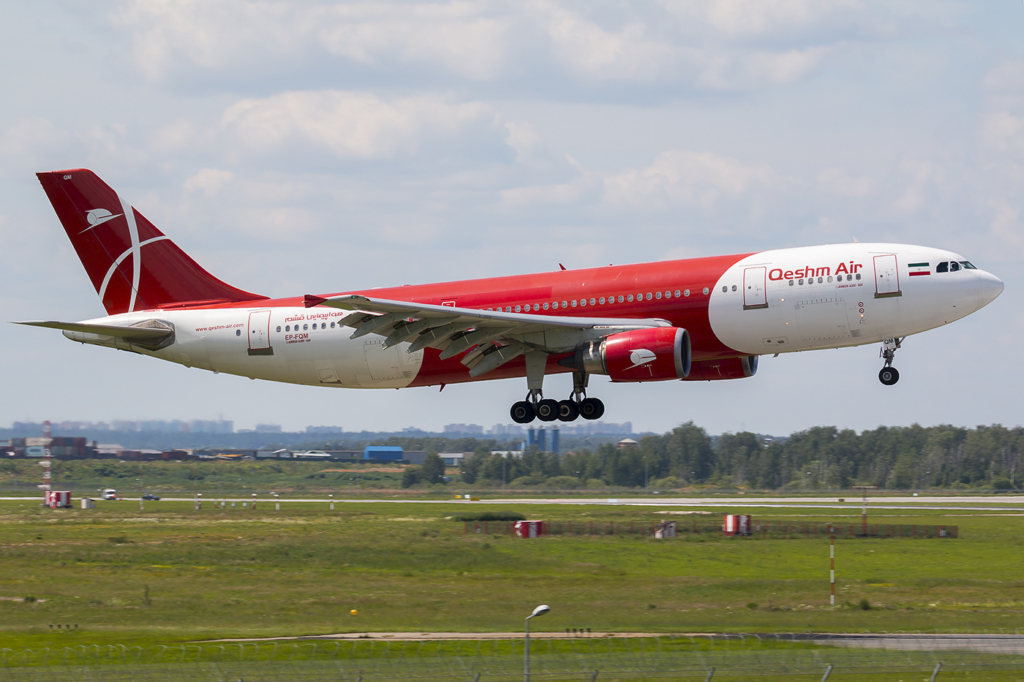
However, Iranian airlines have not been completely grounded. On 24 September, Tehran’s Imam Khomeini Airport still listed scheduled flights to destinations including China, Armenia and Pakistan. Those listings provided a snapshot of the remaining network, rather than confirmation that every service operated.
Why sanctions create aircraft maintenance challenges
For airlines, losing access to major regional airports means losing opportunities to carry passengers and earn revenue. The longer-term challenge could be maintaining the aircraft needed to serve the routes that remain.
Running an airline requires a network of companies providing spare parts, maintenance and technical support. If suppliers judge that working with Iranian carriers could expose them to US sanctions, they may withdraw their services.
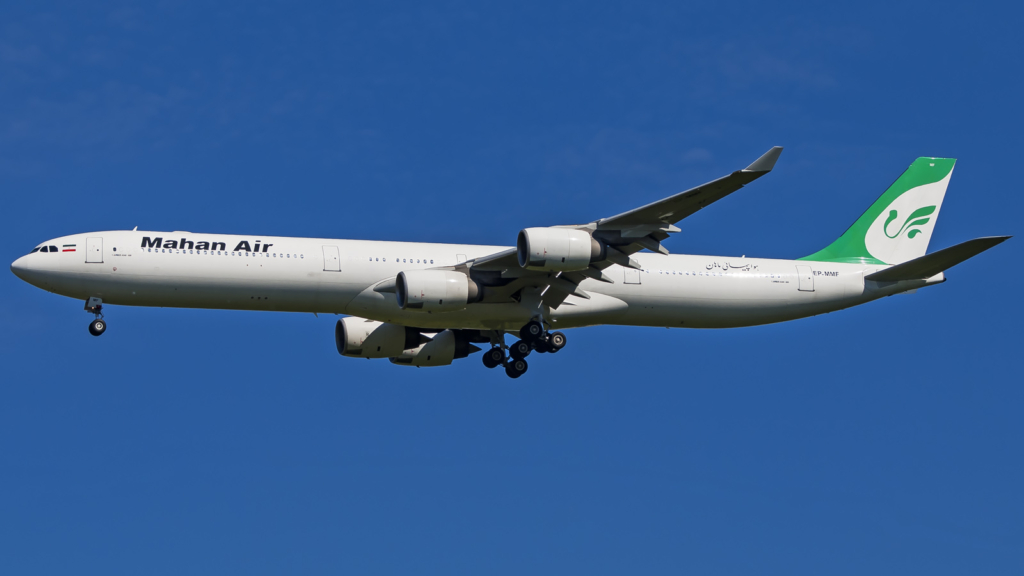
Iranian airlines have already struggled to obtain modern aircraft and spare parts after years of international sanctions. Many operate older fleets, making access to maintenance and replacement components particularly important.
More restricted access could leave aircraft awaiting repairs for longer, reducing the number available for passenger services. This is a potential operational consequence, rather than evidence that every affected aircraft is unsafe.
Treasury says it will consider aviation safety-related requests on a case-by-case basis. That leaves a route for seeking permission, but does not provide blanket authorisation for maintenance support.
How Iranian flight restrictions affect passengers
The immediate impact is reduced choice. Dubai connects the Middle East with Europe, Asia and other parts of the world, so losing Iranian-operated services to the UAE affects journeys beyond that single destination.
Passengers may face longer itineraries, additional connections and higher costs. Some may consider travelling overland to neighbouring countries before continuing by air, adding time and expense.
Switching to a foreign airline is not necessarily a straightforward solution either. Alongside the airline designations, Treasury suspended authorisations covering certain overflights and flights into Iran by non-US airlines using US-origin or US-controlled commercial aircraft. The restrictions therefore reach beyond Iranian-owned carriers.

The consequences are particularly significant for families, students, businesses and people travelling for medical treatment or religious visits.
Iraq said on 26 September that it was seeking US exemptions for certain airports to allow flights to resume on those humanitarian grounds. An exemption request, however, does not mean permission has been granted or services restored.
Can Iranian airlines maintain international flights?
Iran’s response now includes diplomatic efforts to reopen routes and its complaint to ICAO. Neither offers an immediate guarantee that suspended services will return.
The longer-term impact will depend on which airports, suppliers and financial institutions remain willing and legally able to support Iranian airlines, and whether exemptions are granted.
For now, the measures have reduced international connectivity without completely grounding Iran’s aviation industry. Airlines face pressure on both sides of their business: fewer routes on which to earn revenue and greater difficulty securing the services needed to keep aircraft flying.
Sign up for our newsletter and get our latest content in your inbox.


More from


September 25, 20264 min read

September 25, 20264 min read

September 24, 20262 min read


