


Inside Korean Air’s $44.8bn deal for 103 Boeing jets and new engines

5 min read

Korean Air has finalised a $44.8 billion aircraft, engine and maintenance package built around 103 Boeing jets, locking in fleet capacity well into the 2030s as it prepares to absorb Asiana Airlines and simplify what will become a much larger combined operation.
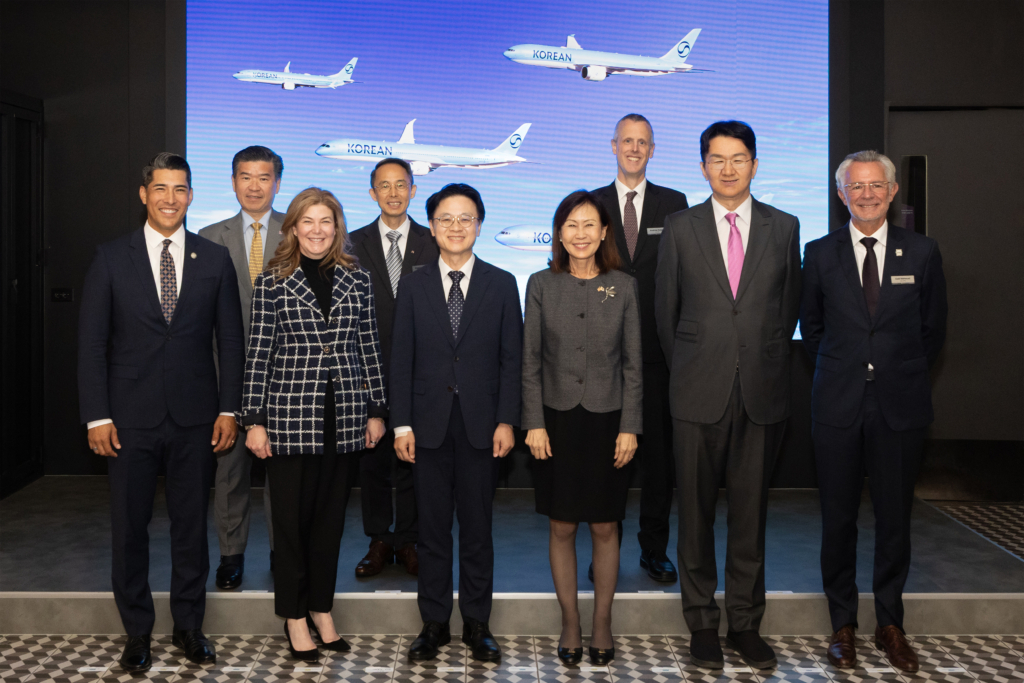
The headline figure is split into $36.2 billion for aircraft and about $8.6 billion covering spare engines and long-term engine maintenance.
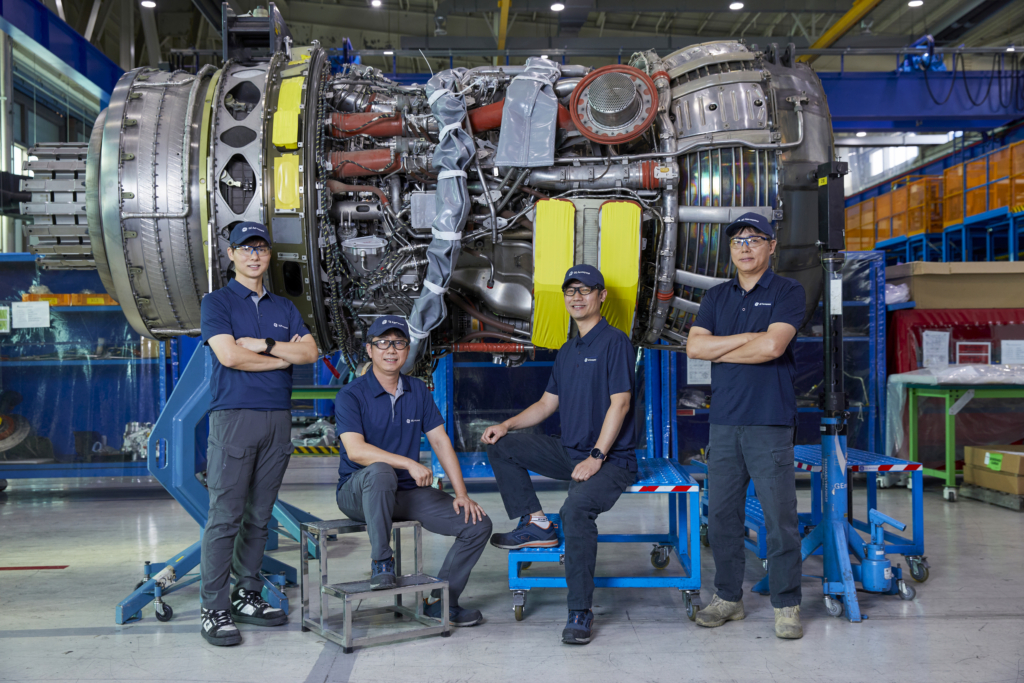
The aircraft portion comprises 20 Boeing 777-9s, 25 787-10s, 50 737-10s and eight 777-8 Freighters. Korean Air is also buying 21 spare engines from GE Aerospace and CFM International and has agreed a 15-year GE engine maintenance contract covering 28 aircraft.
The agreement completes a procurement plan first announced in Washington in August 2025, when Korean Air disclosed its intention to make what Boeing described at the time as the airline’s largest-ever aircraft order.
But the aircraft will not arrive immediately.
“Deliveries are scheduled to begin in the early 2030s. The order supports long-term network growth following the integration, while modernising the fleet and mitigating industry-wide aircraft delivery delays,” a Korean Air spokesperson told AGN.
That timing is central to the deal. Korean Air is not buying 103 aircraft to meet an immediate capacity requirement. It is securing delivery positions for the next phase of a carrier that will formally integrate Asiana in December, while replacing older aircraft and reducing the number of fleet types it operates.
The 103-aircraft order stretches from short-haul routes to the cargo fleet
The composition of the order shows how widely Korean Air intends to use the new Boeing aircraft.
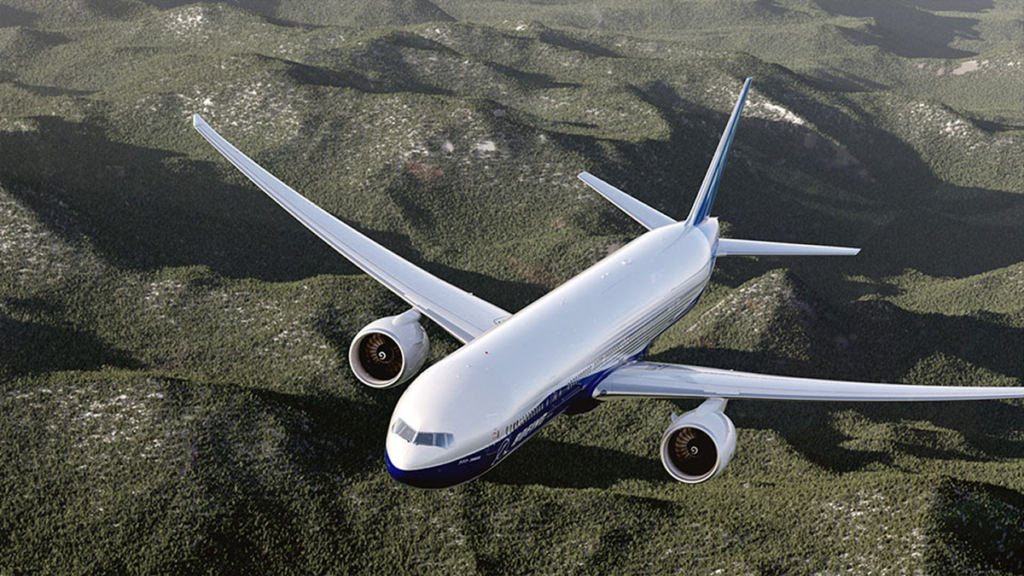
Half of the order is for the 737-10. The 50-aircraft commitment gives the carrier Boeing’s largest MAX variant for higher-capacity short- and medium-haul flying.
At the other end are 45 new widebody passenger aircraft.
The 20 777-9s will give Korean Air a large long-haul twinjet intended to take over missions now served by older widebodies, while the 25 787-10s add capacity at the largest end of the Dreamliner family.
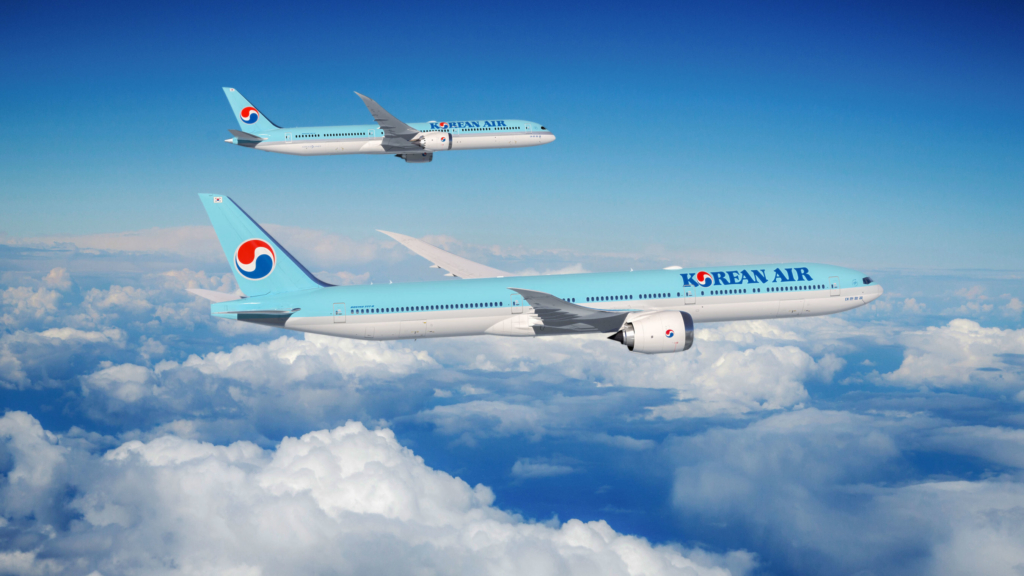
Korean Air already operates the 787-9 and 787-10, but neither the 777-9 nor 737-10 is currently in its fleet. Its own July 2026 fleet data show 166 aircraft, including 30 777s, 31 787s and 23 aircraft across the 737-800, -900, -900ER and 737-8 families.
The airline’s fleet is still unusually diverse. Its current passenger operation also includes the A380, 747-8I, A330, A350, A321neo and A220. Korean Air’s own fleet page lists both Boeing and Airbus families across its present operation.
The eight 777-8Fs address a different part of the business.
They will introduce Boeing’s new-generation freighter into a Korean Air Cargo fleet that currently includes 747-400Fs, 747-8Fs and 777Fs. Korean Air’s July fleet figures list 23 freighters: four 747-400Fs, seven 747-8Fs and 12 777Fs.
The 2025 commitment was Korean Air’s first order for the 777-8F.
Korean Air is buying delivery slots as well as aircraft
The timing helps explain why Korean Air has committed so much capital years before many of the aircraft will enter service.
Aircraft manufacturers and their suppliers have struggled to restore production following the pandemic, while engine availability and supply-chain disruption have continued to affect delivery schedules across the industry.

Korean Air said when it first announced the procurement plan that it was deliberately placing orders early because of those delays, with aircraft expected to arrive progressively through the 2030s.
The airline reiterated that rationale as the contracts were completed.
“This investment secures a predictable long-term fleet introduction schedule to support capacity growth following the Asiana Airlines integration,” a Korean Air spokesperson said in announcing the final agreement. It also expects the newer aircraft to improve fuel efficiency and reduce emissions.
That makes the order partly a capacity hedge. Delivery positions secured now give Korean Air more certainty over what aircraft will be available as older types leave the combined fleet.
It also explains the inclusion of spare engines.
Airlines globally have faced pressure from engine maintenance requirements and shortages of spare powerplants, which can leave otherwise serviceable aircraft grounded. Korean Air’s package includes 21 spare engines as well as the 15-year maintenance agreement.
“While Boeing provides our wings, GE gives us the heartbeat of our fleet,” Korean Air Chairman and CEO Walter Cho said at the signing ceremony in Seoul on 16 September.
“This historic investment guarantees the reliability and efficiency our customers expect, allowing us to keep connecting people and businesses between our two economies.”
Asiana integration makes fleet simplification a much bigger task
The order becomes more significant when viewed against the approaching merger with Asiana rather than Korean Air’s existing fleet alone.
Korean Air is due to absorb Asiana on 16 December, with the integrated Korean Air beginning operations the following day. Existing Asiana flights departing from 17 December will move to Korean Air flight numbers as reservations and ticketing systems are transferred.

That will leave Korean Air managing aircraft inherited from two historically separate fleets.
The carrier has already indicated where it wants to end up. Its longer-term fleet plan is centred on five main high-efficiency families: Boeing 777s, 787s and 737s, alongside Airbus A350s and A321neos.
That is a significant clue to the purpose of the latest purchase.
The 103 aircraft are not simply additions to today’s 166-aircraft Korean Air fleet. Over time, they will also support the replacement and rationalisation of aircraft across the integrated airline.
The deal is larger than the 103 aircraft announced in Washington
The latest agreement also needs to be seen alongside Korean Air’s other recent Boeing purchases.
The airline had already ordered another 20 777-9s and 20 787-10s in March 2025. When the subsequent 103-aircraft commitment was announced five months later, Boeing said Korean Air’s orders and commitments for the year had surpassed 150 aircraft.
The latest agreement converts the Washington commitment into firm contracts rather than representing another 103 aircraft on top of the previously announced plan.
“Bringing our Washington agreements to the finish line today is a proud moment for Korean Air,” Cho said. “This is much more than a business deal. It is a testament to the trust and the unbreakable alliance between our two countries.”
The airline says the investment is designed to provide predictable capacity growth while modernising the fleet and reducing exposure to delivery delays.


