


Why are young Airbus A320neo and Boeing 737 MAX aircraft being torn apart?

4 min read
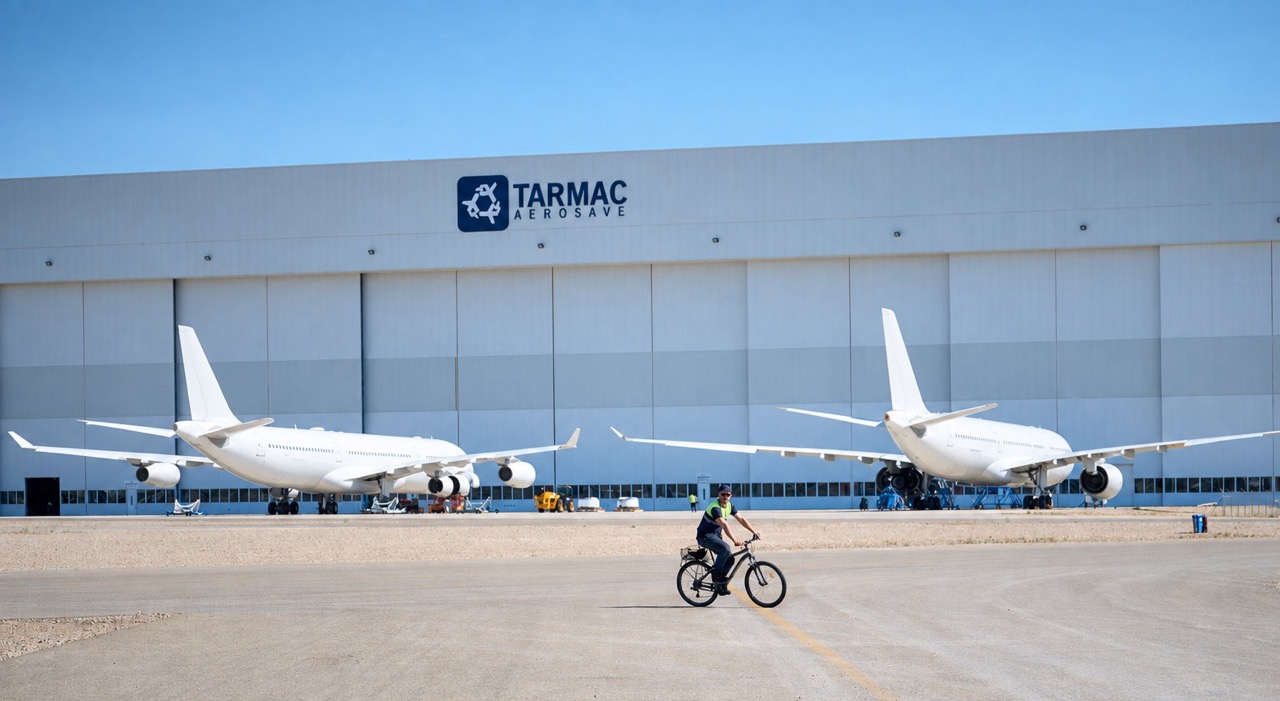
More than 10 of the latest-generation Airbus A320neo and Boeing 737 MAX-family aircraft will be dismantled this year, as strong demand for parts changes the economics of relatively young aircraft.
Aircraft recycling specialist TARMAC Aerosave will process the jets for aviation aftermarket company AerFin during the remainder of 2026. The companies are already preparing further projects for 2027.
Unlike the ageing aircraft traditionally sent for teardown, the A320neo and 737 MAX are the most modern and in-demand of the world’s two dominant narrowbody families. An airline ordering one of these jets today would likely be waiting eight or more years for their first delivery.
But rather than lease or sell these aircraft to a new operator, specialists are tearing them down to keep the existing fleet flying.
New aircraft support a new parts market
As A320neo and 737 MAX fleets grow, airlines require increasing numbers of replacement components to keep them in service. With planemakers’ order books full and supplier capacity limited, spare parts are scarce.
Supply chain challenges have persisted since the pandemic, affecting everything from engines and landing gear to avionics and windows. Lightly used parts that are available today can command a premium, making it lucrative to harvest the best bits from relatively young planes rather than spend money getting them flightworthy again.
TARMAC Aerosave’s aircraft dismantling allows AerFin to fill the supply chain gap. The company removes cabin components and landing gear from retired aircraft and manages priority parts lists.
“This organisation enables TARMAC Aerosave to respond to market demand for spare parts with precision and speed, while ensuring AerFin’s optimal responsiveness towards its own customers,” TARMAC explained.
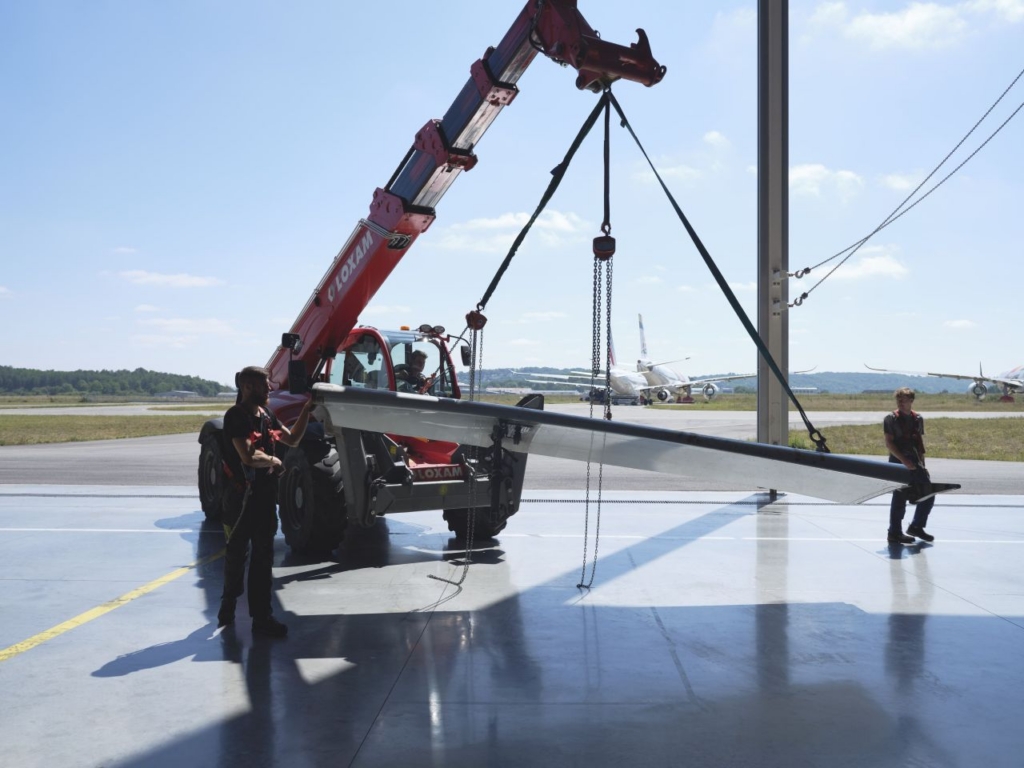
The programme builds on a relationship between AerFin and TARMAC Aerosave spanning around a decade.
“With more than 10 aircraft projects again this year for AerFin, this collaboration confirms our position as a leading player in the dismantling and recycling market,” TARMAC Aerosave Chief Commercial Officer Christian Ceruti said. “Our dedicated organisation allows us to respond with the responsiveness that this high-demand market requires today.”
AerFin Chief Commercial Officer Simon Bayliss said: “This latest programme reflects the strength of our partnership and the value it continues to create for customers as demand for new-generation aircraft material grows.”
Two nearly-new Spirit A320neos scrapped for parts
Earlier this year, two nearly-new former Spirit Airlines A320neos were selected for recycling as demand for their valuable components increased. Dublin-headquartered EirTrade Aviation announced in February that it had acquired both A320neos to scrap for parts.
“The aircraft – MSN 10769 and MSN 10921 – are only 4 years and 3.5 years old, respectively and will be the youngest Airbus A320 NEO airframes ever to be torn down,” the company stated.
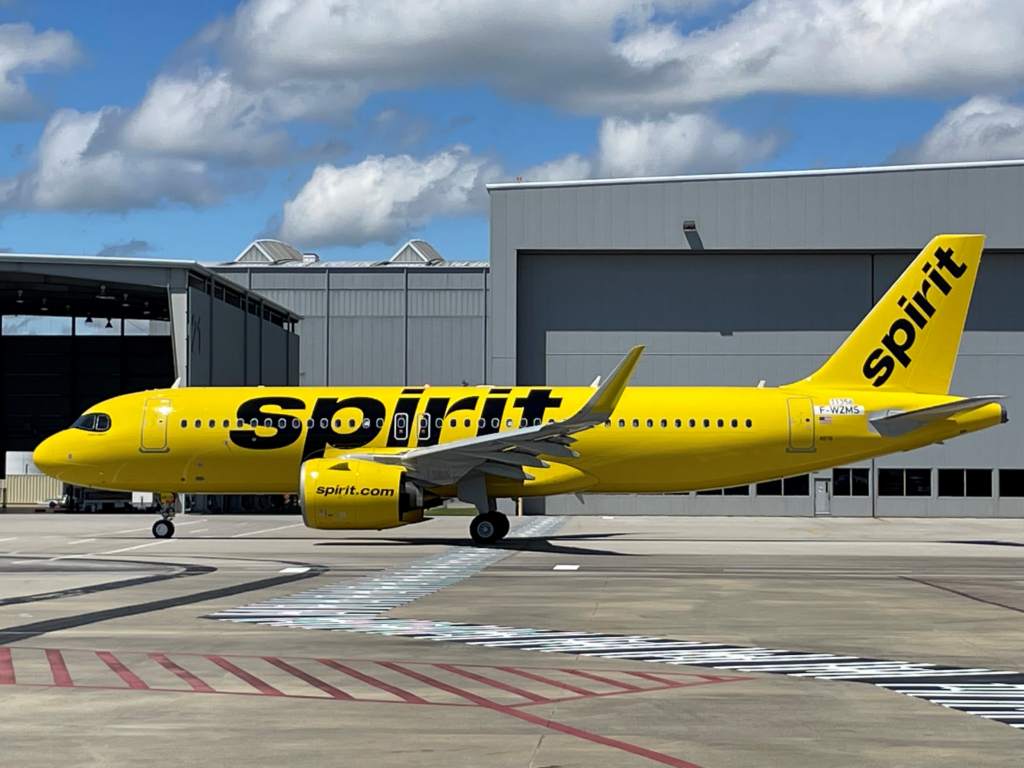
Goodyear, Arizona, carried out the aircraft disassembly. The parts were sent to EirTrade’s Dallas parts hub “to support AOG requests across the Americas.”
Bill Thompson, Vice President Origination & Trading for the Americas at EirTrade Aviation, said: “We are focused on newer vintage aircraft to ensure that our inventory contains the highest quality rotables, which ensure that our customers can be supported with the latest modification standard components. We have also acquired four sets of in-demand LRU and BFE components from the PW1100 engine type within this significant transaction.”
Young aircraft can be worth more in pieces
AerFin’s previous A320neo teardown programme shows how much material one aircraft can provide. The company said four A320neos dismantled with TARMAC Aerosave produced around 1,400 components per aircraft, including engines, auxiliary power units, landing gear and nacelles.
For an owner, a relatively young jet that is difficult or expensive to return to service can become a valuable inventory of immediately usable components. Engines alone can represent a substantial share of an aircraft’s value.
There’s also the possibility that a young jet may have been damaged, stored without engines or caught in a costly maintenance or ownership dispute. If returning it to passenger service would require substantial investment, dismantling it can release hundreds of scarce components immediately and produce a better return for its owner.
TARMAC Aerosave and AerFin have not identified the aircraft included in the latest programme or disclosed how many will be A320neos versus 737 MAXs. However, as the global A320neo and 737 MAX fleets expand, harvesting relatively young aircraft could become a critical source of spare parts.
Sign up for our newsletter and get our latest content in your inbox.


More from


September 12, 20264 min read


