


Runway overruns explained: What happens when a passenger aircraft runs out of runway?

7 min read

For commercial pilots, few moments are more critical than the final seconds of the take-off roll. At high speed, with runway rapidly disappearing beneath the aircraft, there comes a point when stopping is no longer the safest option.
An ongoing investigation into an incident involving a Vietnam Airlines Boeing 787 at Munich Airport earlier this month has renewed interest in those fine margins that govern every airline departure.
So what happens when an aircraft reaches the end of the runway, and what safeguards are in place to stop a serious accident? Here’s everything you need to know.
What happened with Vietnam Airlines Boeing 787-9?
A Vietnam Airlines Boeing 787-9 suffered a tail strike after it appeared to overrun the end of the runway at Munich Airport before getting airborne.
The aircraft took off at 13.57 local time on 15 August from runway 26L and landed on runway 26R a short time later. The event is currently being investigated by the Federal Office for Air Accident Investigation (BFU).
German investigators said tire tracks had been discovered at the end of the runway, which may have been from the aircraft.
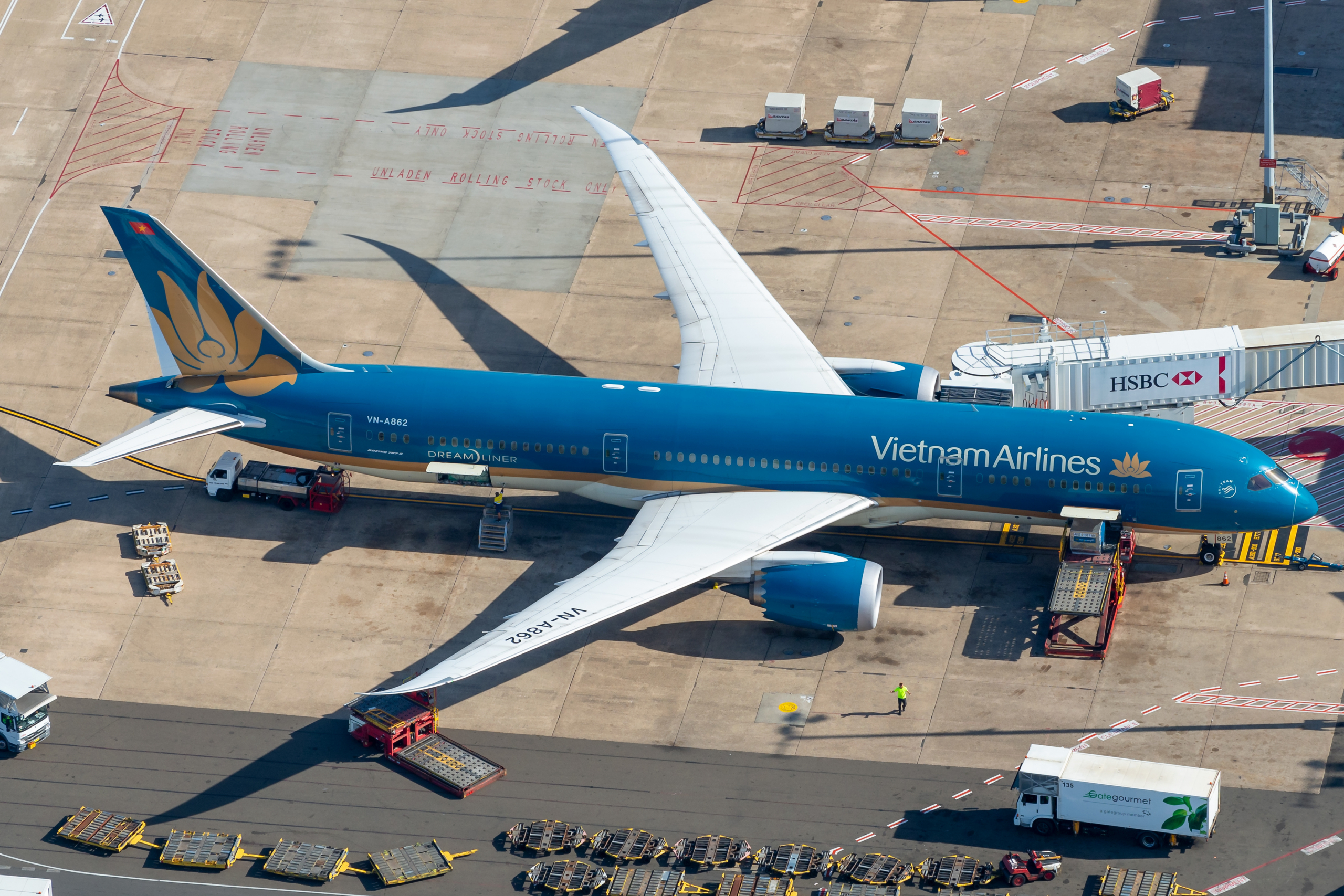
The incident has prompted renewed interest in the risk of runway excursions and the fine margins around which an aircraft successfully gets airborne.
What is a runway overrun?
A runway overrun occurs when an aircraft leaves the paved section of runway, either during take-off or landing.
It is a type of runway excursion, the broader term used for an aircraft unintentionally leaving the designated runway surface. Excursions can also involve an aircraft veering off the side of a runway, rather than continuing beyond the end.
Take-off overruns come with a particular risk because the aircraft is likely to be travelling at high speed. The calculation of the speed at which you must continue the take-off, rather than reject the take-off, is made specifically to take into account a runway overrun.
The consequences depend on what is situated beyond the runway. An aircraft that overruns may suffer substantial structural damage, while obstacles, uneven terrain, roads or buildings can increase the risk to those on board and on the ground.
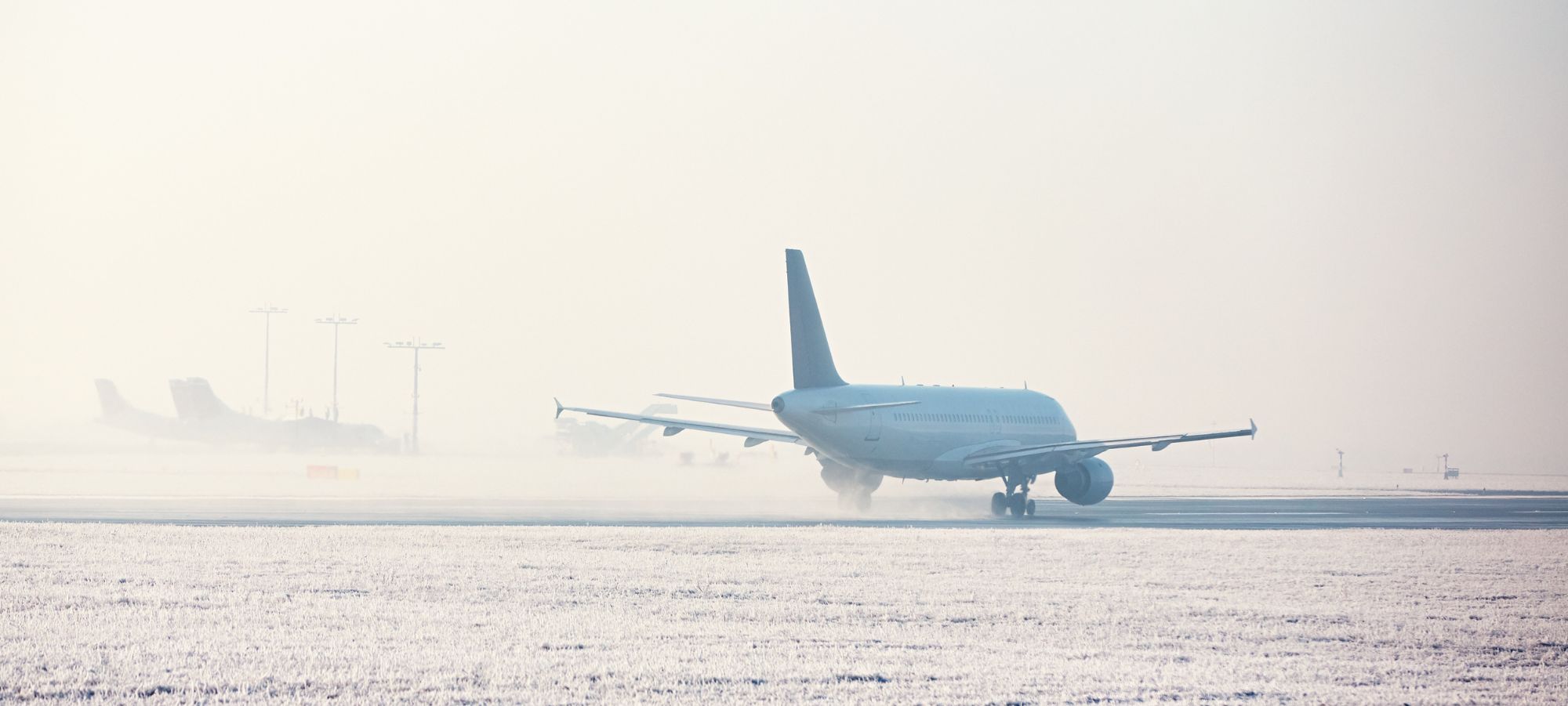
There is also the potential for a fire following damage to engines, fuel tanks or other aircraft systems.
Runway overruns are relatively uncommon, but they are among the most serious forms of runway excursion because of the high speeds involved and the potentially limited space available in which to stop.
What can be done to lower the risk of a serious accident?
Some airports that lack space at the end of the runway for a traditional safety area have installed an engineered materials arresting system, or EMAS.
An EMAS is located at the far end of a runway, and is constructed of a specialist material to absorb the kinetic energy of the aircraft.
The material “crushes” under the weight of the aircraft, slowing it down considerably faster than could be achieved using runway alone.
In 2018, EMAS successfully stopped a Boeing 737 after it overran the runway at Bob Hope Airport (BUR) in Burbank, California. There have been numerous other examples, before that and since, involving other aircraft, primarily smaller, business jets.
Modern aircraft also have systems on board to prevent this from happening.
Airbus introduced its Runway Overrun Prevention System (ROPS) on the A380 in 2009 and has since progressively rolled out and enhanced the technology across the A320 family, A330 and A350.
Airbus’ Runway Overrun Prevention System (ROPS) operates in two stages during approach and landing. Runway Overrun Warning (ROW) functions during the final approach, continuously calculating the aircraft’s expected landing distance and comparing it with the runway available. Below 400ft, it can alert pilots to an overrun risk, allowing them to continue the approach or go around.
After touchdown, Runway Overrun Protection (ROP) monitors the aircraft’s speed, deceleration and remaining runway, calculating whether sufficient stopping distance remains. If an overrun becomes likely, it instructs the crew to use maximum braking and reverse thrust. The system remains active until the aircraft slows to 30kt.
In line with ICAO recommendations, from 2026 aircraft are required to be delivered to be equipped with a Runway Overrun Awareness and Alerting System (ROAAS).

How can a take-off overrun happen?
A take-off overrun can occur when an aircraft fails to accelerate sufficiently to get airborne, and the crew subsequently has insufficient runway remaining to stop safely.
There are several ways this can happen.
An engine failure or other serious malfunction during the take-off roll can leave the aircraft unable to achieve its expected performance. Whether the crew should reject the take-off or continue depends heavily on the aircraft’s speed at the time of the failure.
Aircraft performance is calculated before every departure, taking into account factors including weight, runway length and slope, elevation, temperature, wind and runway condition.
Errors in those calculations, an incorrect aircraft weight or a misset thrust setting can reduce the margin available for stopping.
High temperatures are particularly important because warm air is less dense, reducing the amount of lift and engine thrust available.
A heavily loaded aircraft may therefore require more runway to accelerate and take off.
Similarly, an unaccounted for tailwind increases the aircraft’s groundspeed for a given airspeed, reducing the distance available for stopping. A wet, contaminated or slippery runway can further increase braking distances.
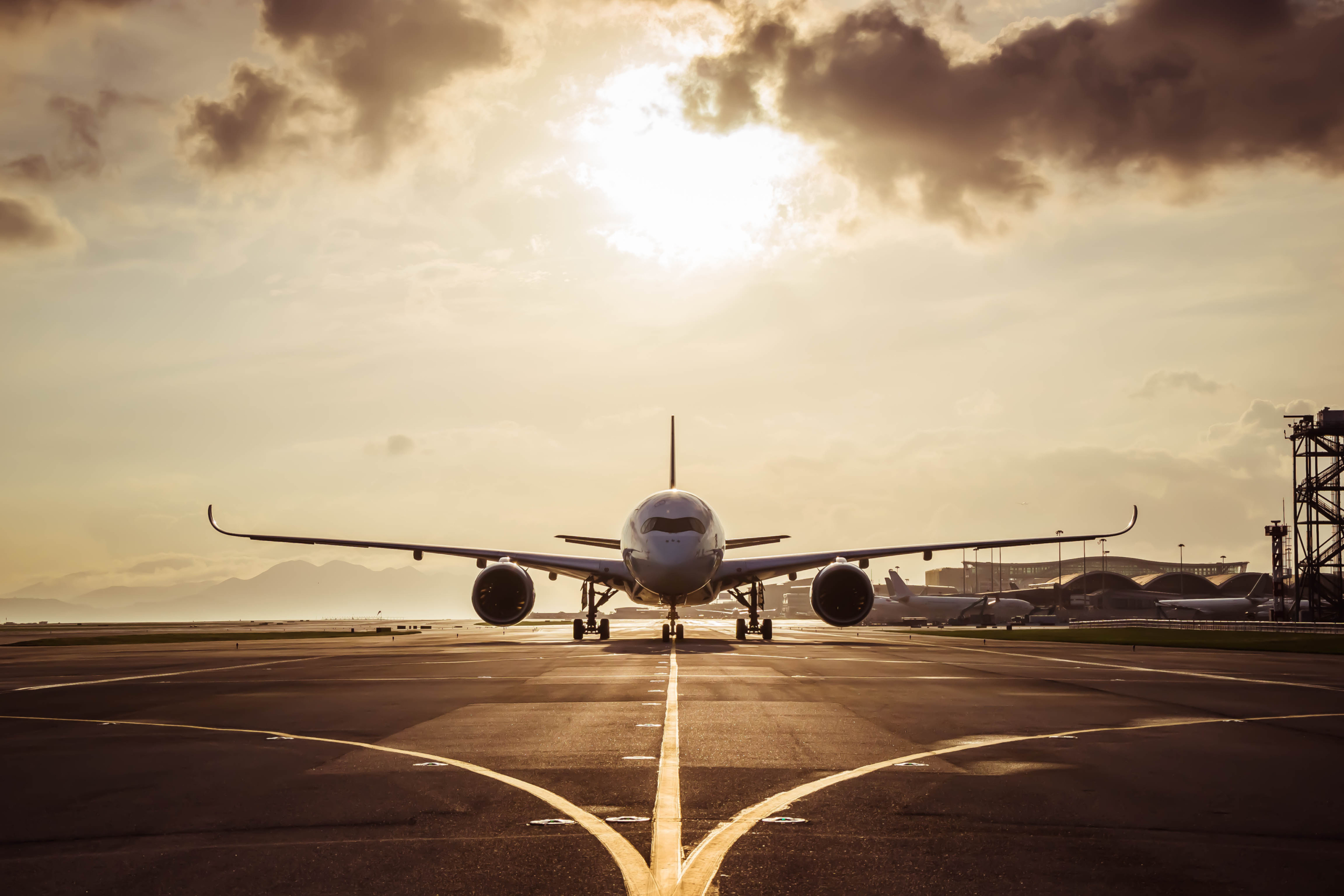
Technical problems with the aircraft’s braking system, thrust reversers or other components used during a rejected take-off can also affect stopping performance.
German investigators are still looking into the Vietnam Airlines incident and it is not yet clear what the causal factor or factors were.
What is the significance of V1?
One of the most important speeds during a take-off is V1, commonly described as the take-off decision speed.
Before V1, the aircraft is operating within the accelerate-stop phase, whereby if a serious problem occurs, the crew can reject the take-off and should have sufficient runway to stop safely.
When the aircraft reaches the calculated V1 speed, the pilots are no longer able to reject the take-off and be guaranteed enough stopping distance on the runway. The result is that after reaching V1, the take-off must be continued and the aircraft taken into the air, regardless of the critical nature of any emergency or system failure.

As part of the performance calculation, V1 is determined for each departure using factors including aircraft weight, runway length and condition, wind, temperature, runway slope and elevation, and obstacles beyond the runway.
Deciding to reject a take-off after V1 can be a cause of a take-off runway overrun.
There are other reasons a pilot may decide to continue with a take-off even if a failure occurs below V1 speed. This may include a problem with the wheels or tyres, whereby it may be safer to get airborne, burn fuel and lower the landing weight before performing a precautionary landing.
Aborting a take-off below V1 but at high speed, which is generally deemed to be at any point above 100kts, is challenging and comes with associated risks, including overheated brakes.
What happens during a rejected take-off?
A rejected take-off, or RTO, is a procedure that pilots practice extensively
in the simulator, including how to handle the event on a narrow runway.
An RTO is designed to bring an aircraft to a stop safely and quickly when a serious problem occurs during the take-off roll. The decision can be made by either pilot however in many airline operations the captain will have their hand on the thrust levers during the take-off roll, putting them in charge of the manoeuvre.
If a rejection is initiated, the crew applies maximum braking as required, while maximum reverse thrust can be deployed to help reduce speed.
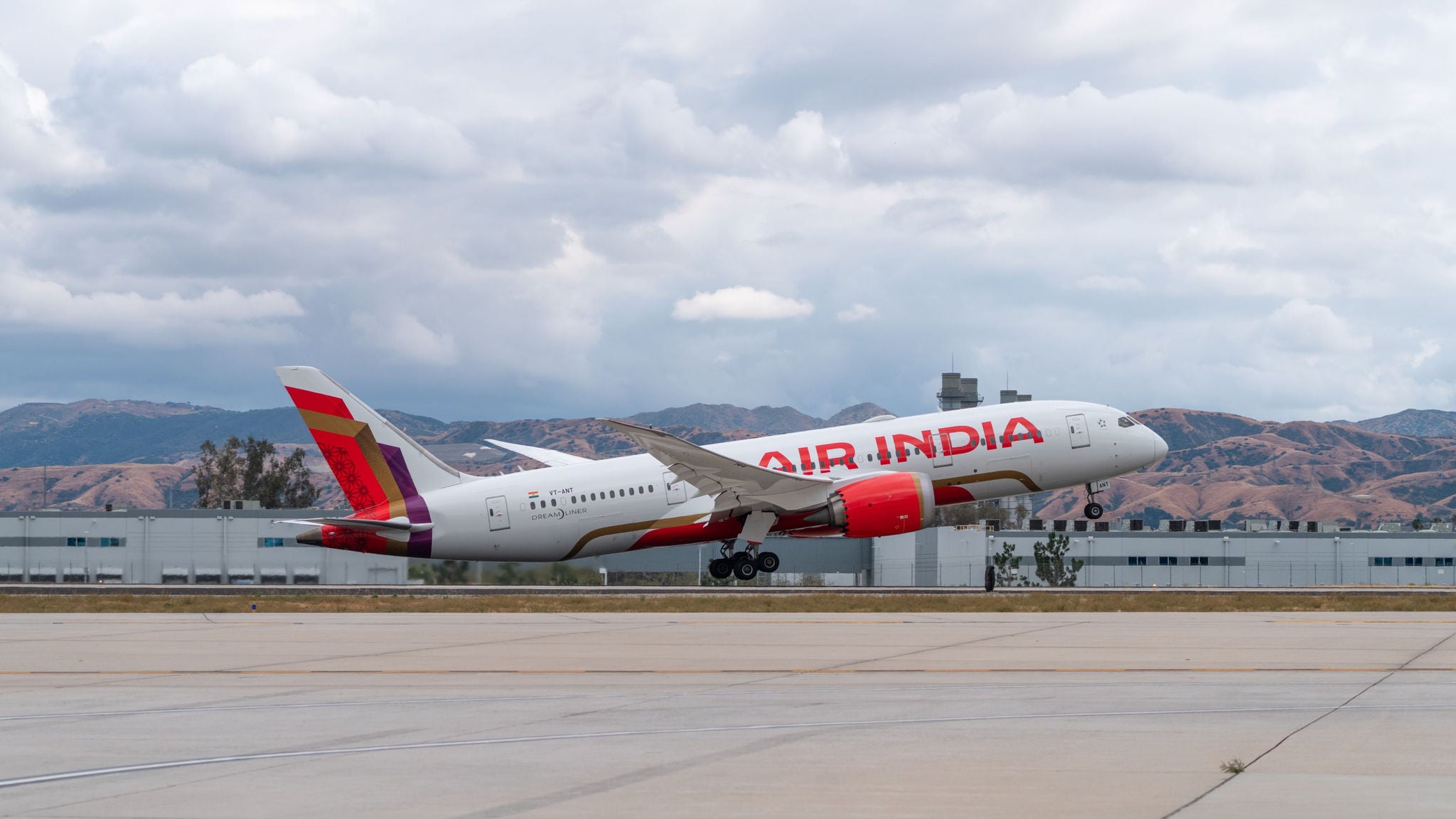
On many aircraft, spoilers deploy automatically, reducing lift and transferring more weight onto the wheels to improve braking effectiveness.
Depending on the aircraft and selected setting, an autobrake system may also provide braking automatically.
Following an RTO, crews bring the aircraft to a stop and assess the state of the aircraft, inform ATC and then decide what to do next, including whether it is safe to vacate the runway or whether they need assistance from the airport firefighting team.
For passengers, a take-off may feel routine. For pilots however, the final seconds before an aircraft becomes airborne are among the most carefully managed moments of any flight.
From performance calculations and V1 speeds to runway safety systems, multiple layers of protection are designed to ensure an aircraft reaching the end of the runway remains a rare event.
Sign up for our newsletter and get our latest content in your inbox.


More from

October 4, 20264 min read


