


Airbus A350F set for first flight as soon as September
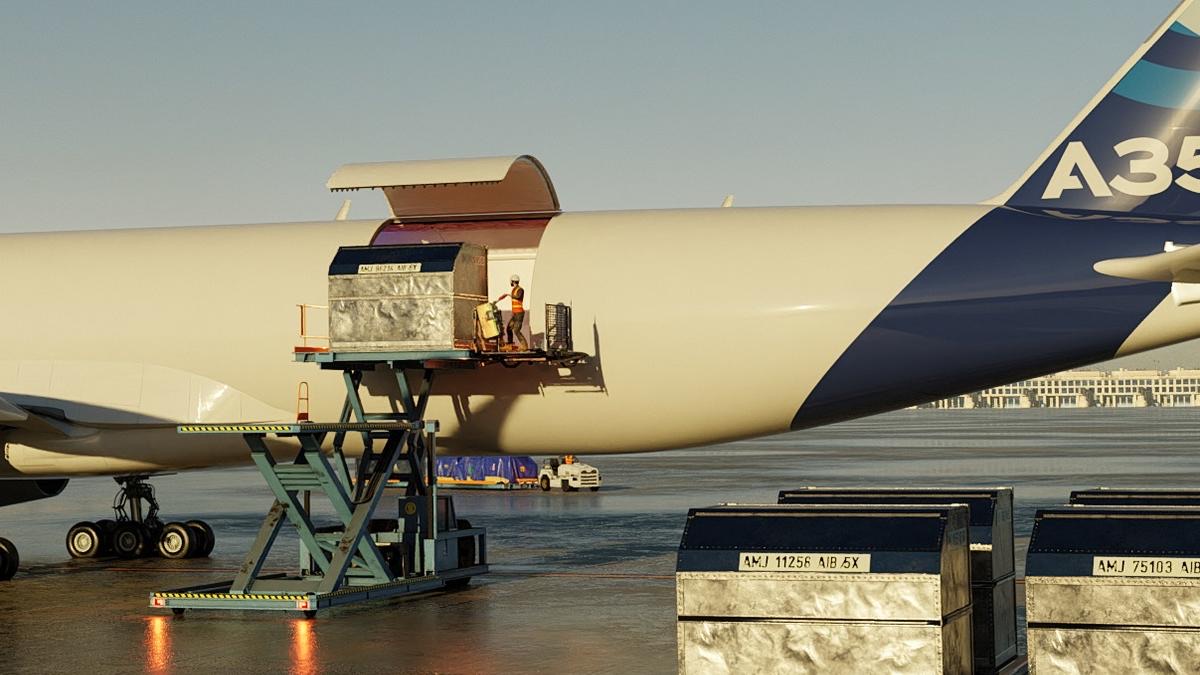
After years in development, the Airbus A350F freighter appears close to taking flight.
According to industry reports, Airbus will fly its highly anticipated freighter aircraft as early as next month – a key milestone as the manufacturer seeks to make progress on its certification pathway before a planned entry into service by the end of 2027.
Airbus seeks entry-to-service of A350F next year
The aircraft, which promises a 20% reduction in emissions versus previous generation aircraft with a similar payload-range capability, has racked up orders from numerous airline groups as they seek to modernise their cargo fleet.
Certification is likely to take at least 12 months, putting the pressure on Airbus to begin flight testing in time to make its 2027 deadline.
Reuters reported that Airbus now hopes to take the A350F into the sky as soon as September.
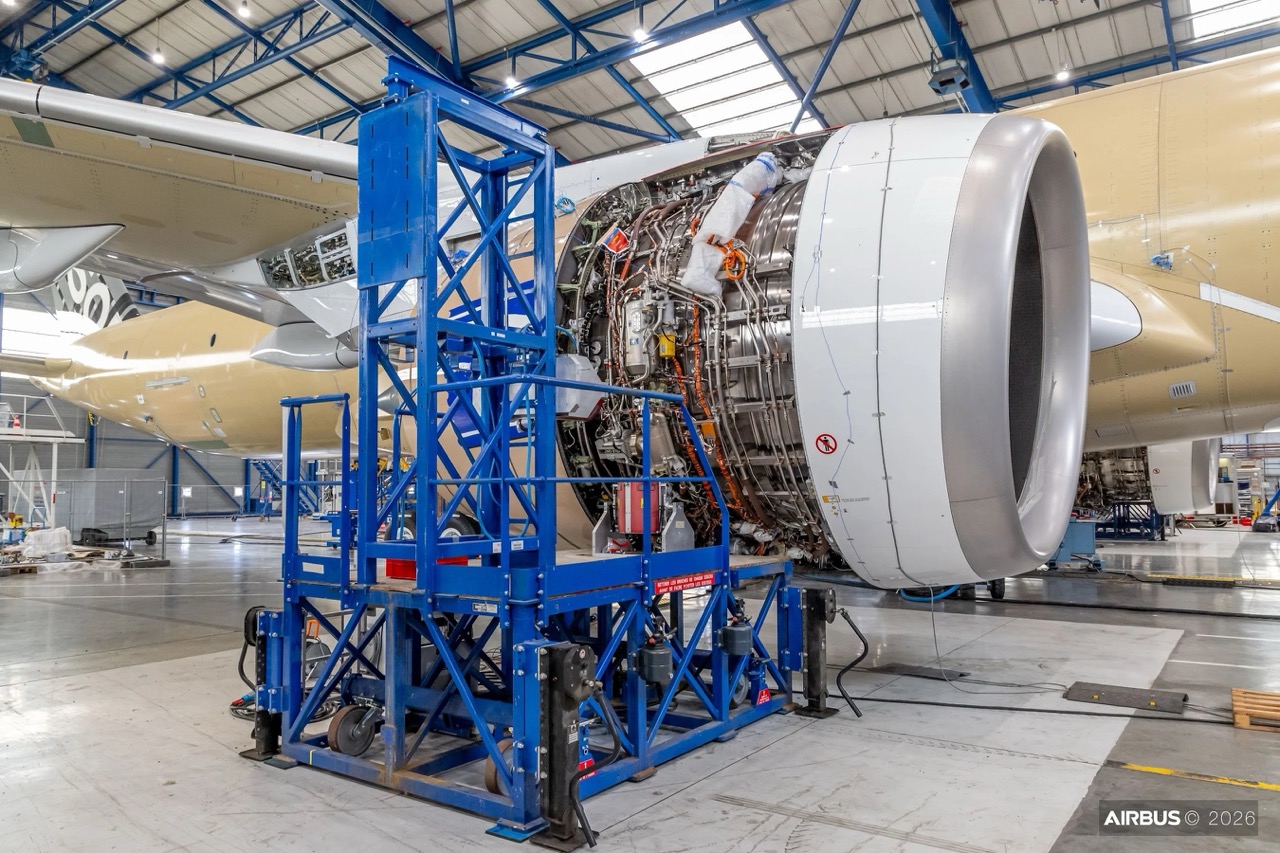
The news agency, quoting industry sources, said that schedule may slip into early October.
An Airbus spokesperson declined to comment on the report.
What makes the A350F a popular alternative for freight airlines?
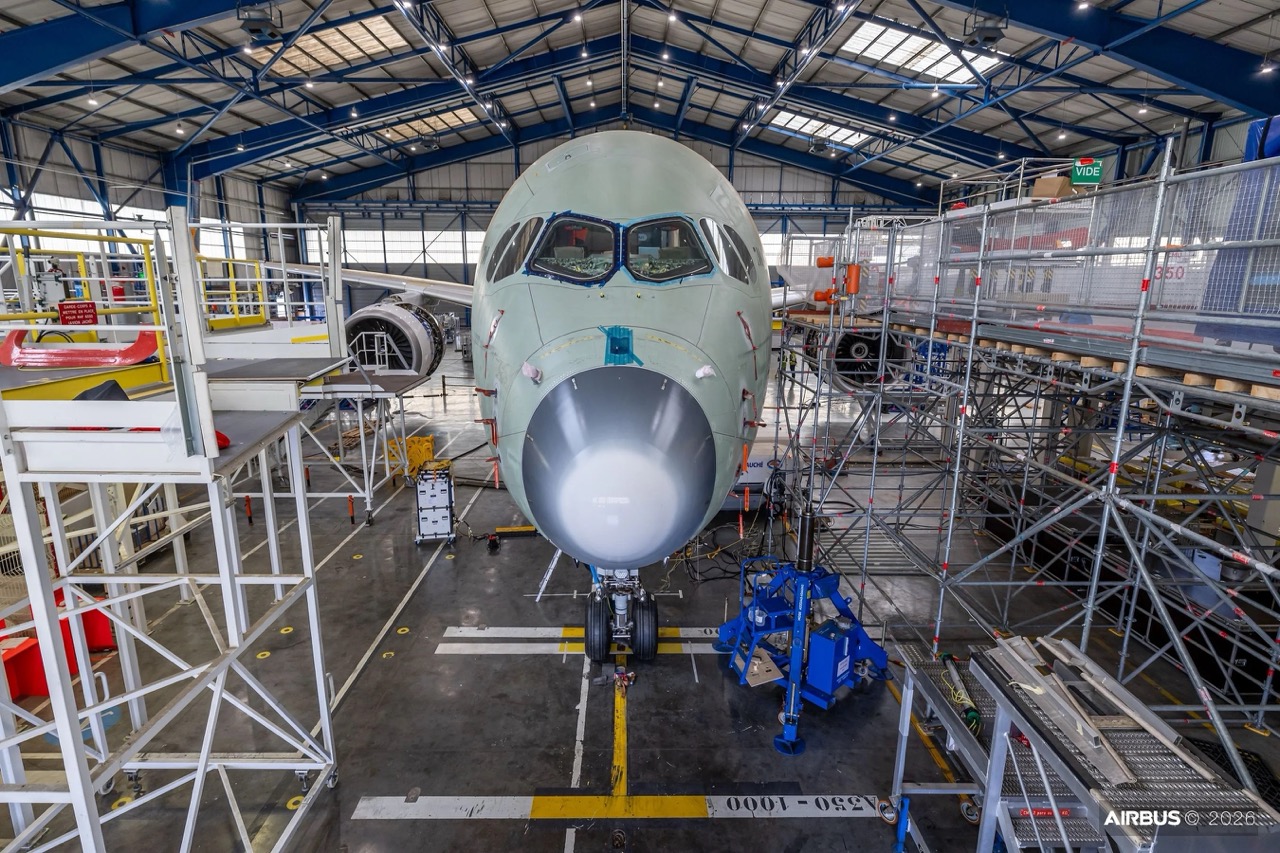
The A350F is a twin-engine widebody freighter based on Airbus’s already-popular A350 platform. It is designed to carry up to 111 tonnes of payload over distances of up to 8,700km.
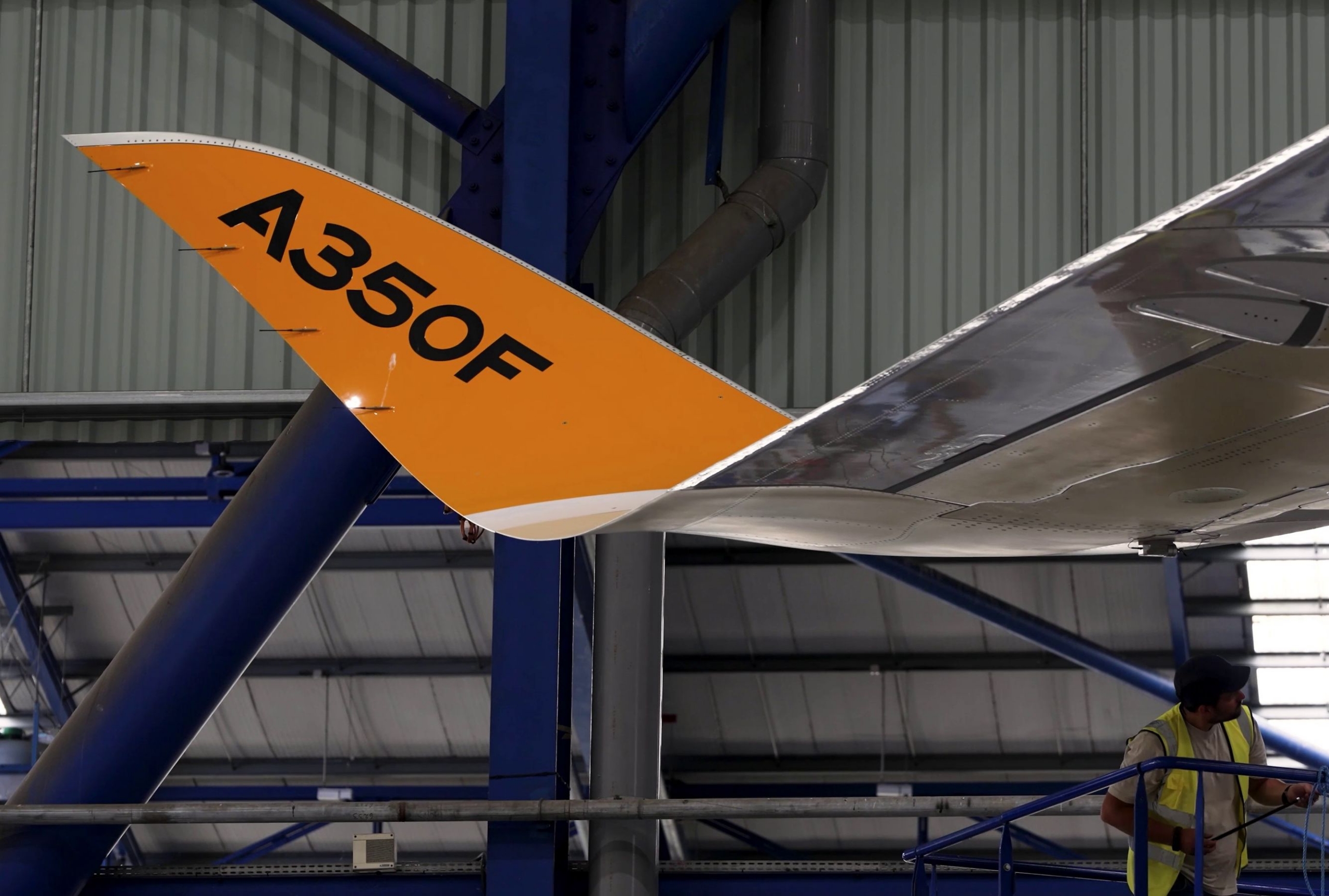
The aircraft incorporates more than 70% advanced materials by weight, helping to reduce its structural weight, and Airbus says the A350F will use up to 20% less fuel and produce up to 20% lower carbon emissions than previous-generation freighters with comparable payload and range.
Powered by Rolls-Royce Trent XWB-97 engines, Airbus says the A350F will meet ICAO’s 2027 CO₂ emissions standards and will be capable of operating with up to 50% SAF from entry into service. The company is targeting compatibility with 100% SAF by 2030.
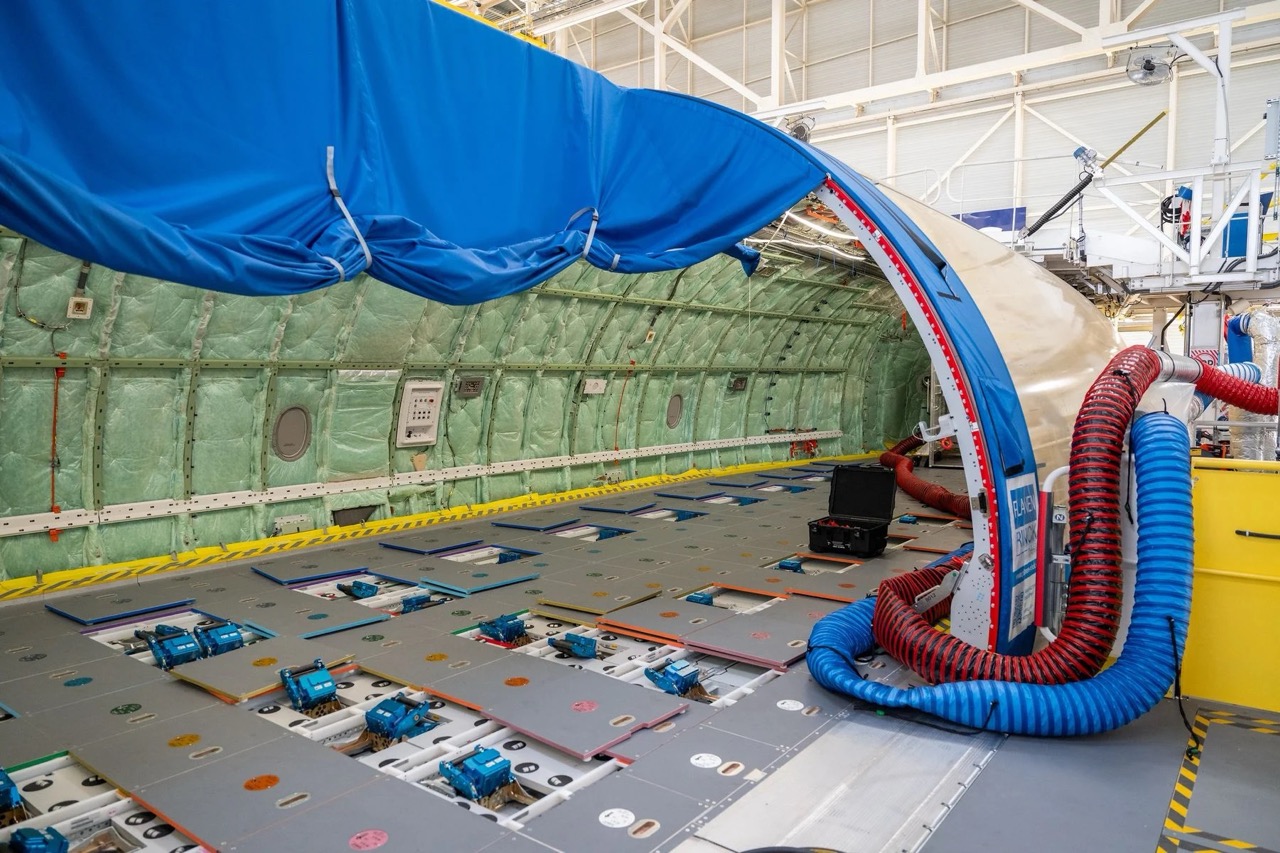
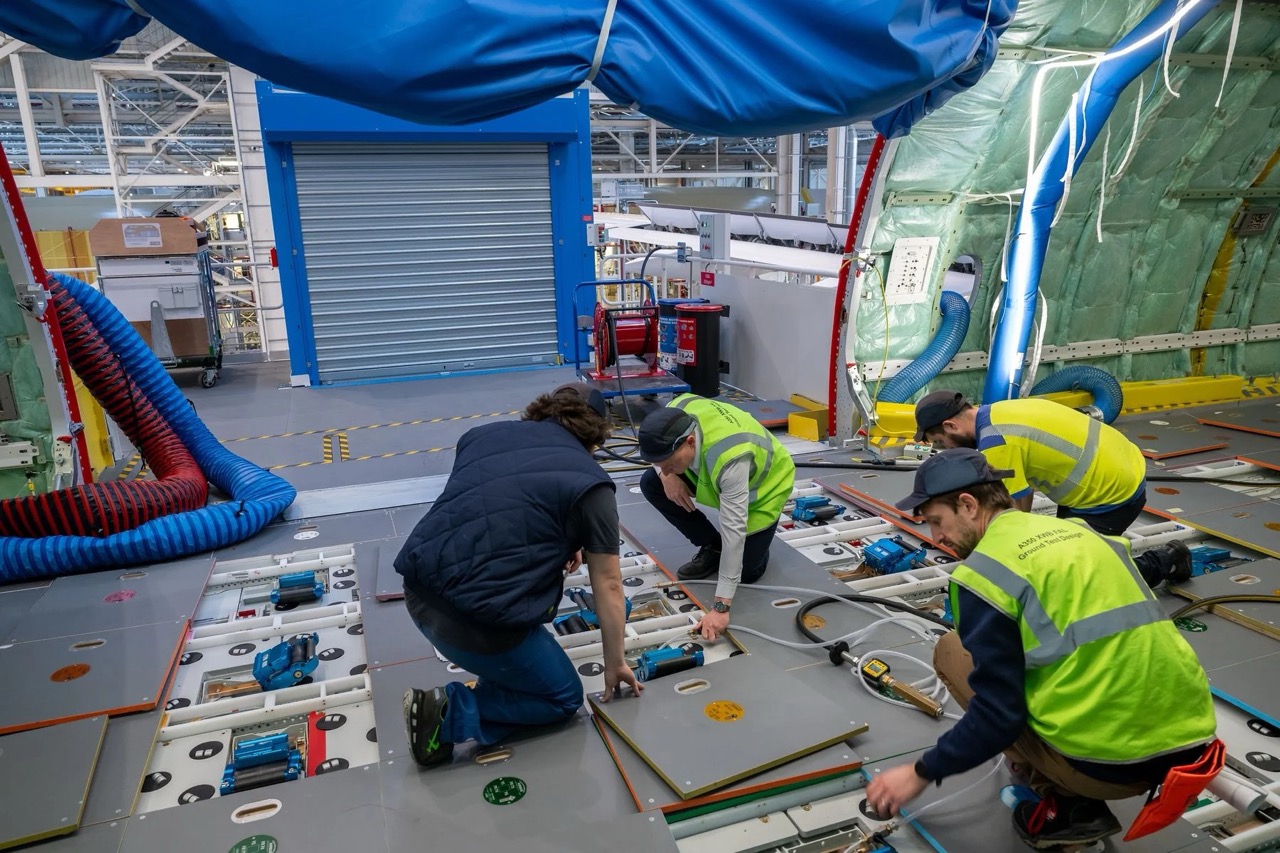
The A350F shares the A350 family’s type design and systems architecture, which Airbus says would provide operational and maintenance commonality for airlines already operating A350 passenger-configured aircraft.
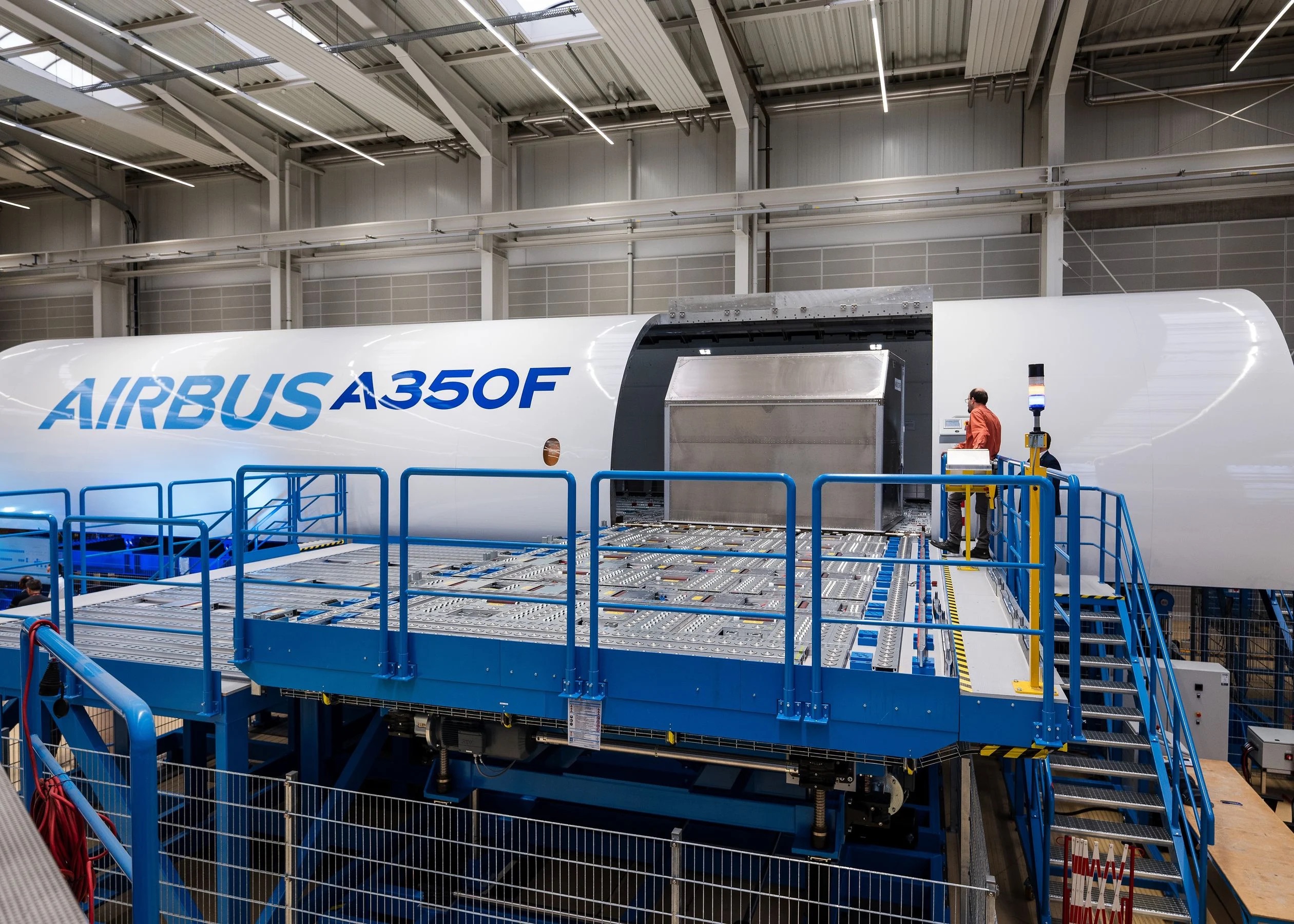
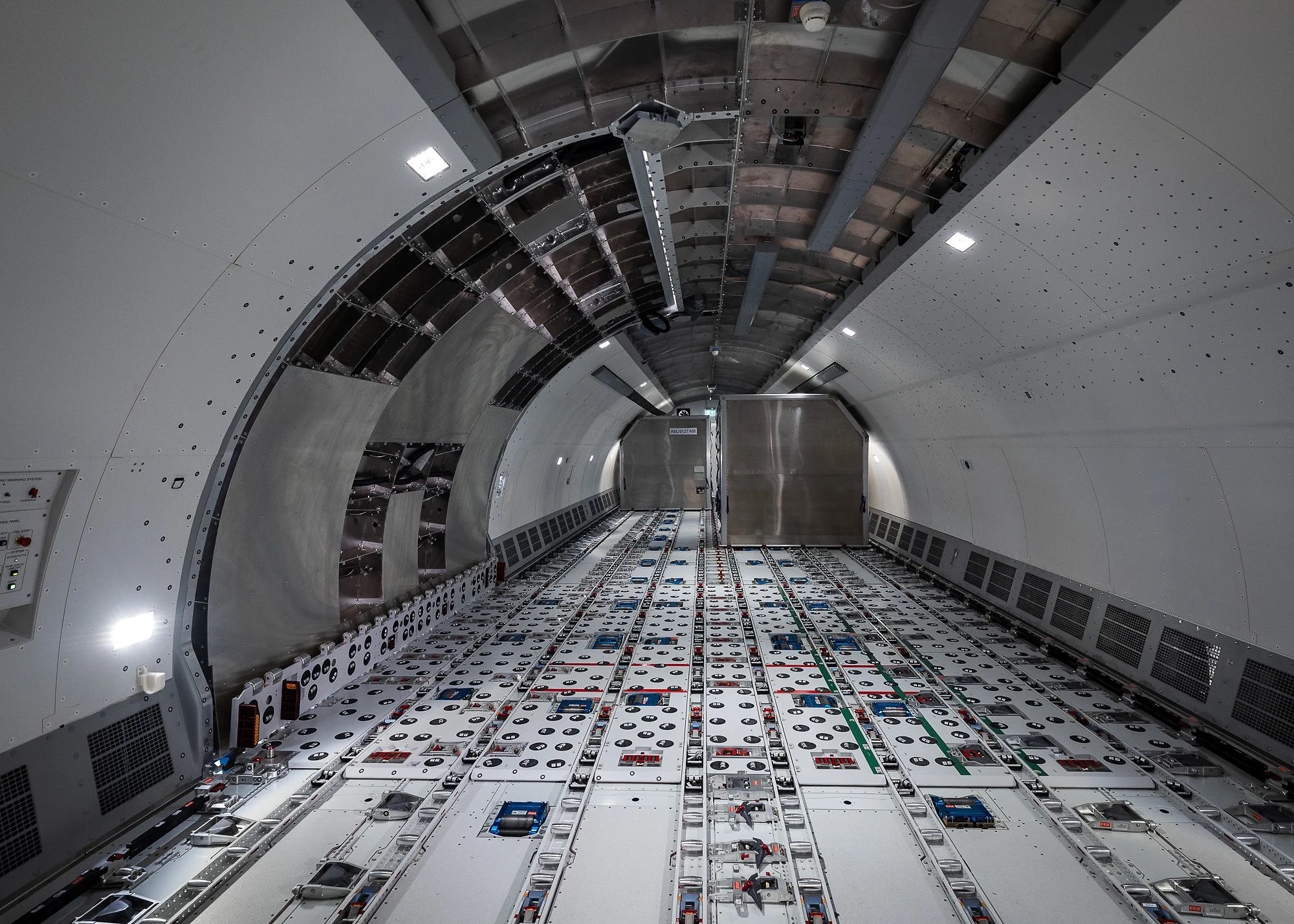
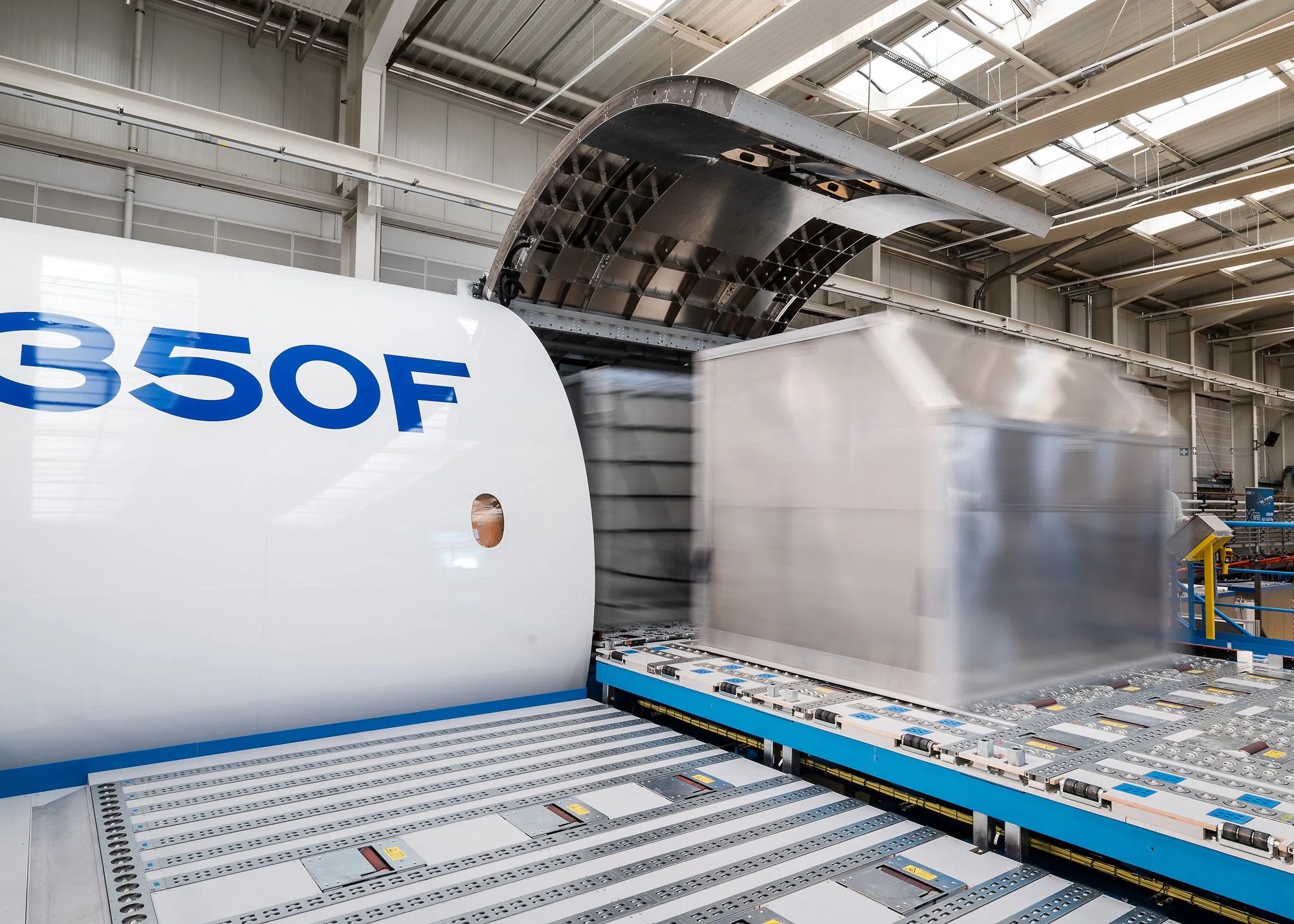
Airbus says the A350F features the largest main deck cargo door in the industry, with fuselage length and capacity optimised around the industry’s standard pallets and containers. With the airframe largely made of advanced materials, the result is a 46 tonne lighter take-off weight than the competing derivative.
Which airlines have ordered the A350F?
The Airbus A350F has proved popular with airline customers operating within the air freight sector. In fact, the new widebody freighter had accrued more than 100 firm orders from more than a dozen customers worldwide.
At the last count, 107 aircraft were on Airbus’ order books, around three times the total orders for the A330F, the freighter version of Airbus’ other in-production widebody family.
These include several major Asian carriers. Hong Kong’s Cathay Group has placed a firm order with Airbus for eight Airbus A350F freighters.
Air China Cargo has signed a purchase agreement with Airbus for 10 aircraft. The carrier currently operates a fleet of eight Airbus A330-200P2F aircraft.
Korean Air became a new customer for the freighter, following the conversion of seven of its existing A350-1000 passenger aircraft orders to the A350F last October.
Earlier this year, US freight-carrier Atlas Air placed a firm order for 20 Airbus A350F freighters. The order was the largest ever placed for the latest generation A350F and will make Atlas the biggest customer of the type.
STARLUX Airlines of Taiwan has placed a firm order with Airbus for 10 A350F freighters. Elsewhere, Silk Way West Airlines based in Baku, Azerbaijan has signed a firm contract for an additional four A350F freighter aircraft.
Etihad Airways also has an order in with Airbus for 10 of the type. Antonoaldo Neves, Etihad Airways CEO, said that the A350F freighter would add “significant capability to our cargo division as global demand continues to expand.
“Our partnership with Airbus continues to play an important role in shaping our future fleet, and we are proud to be building one of the world’s most modern and efficient widebody operations”.


