How scope clauses are reshaping US regional aviation

10 min read
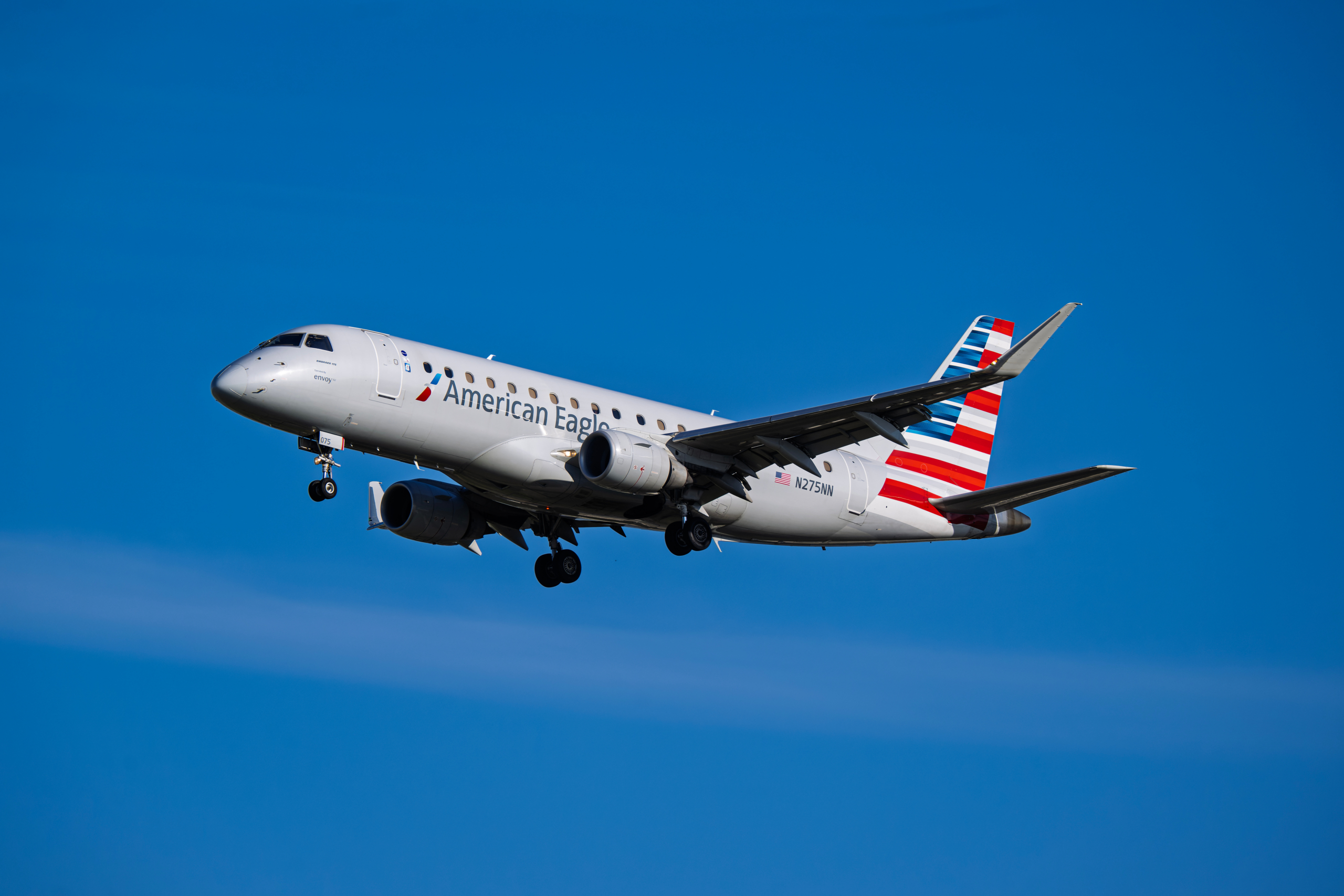
Regional airlines are a vital part of the US aviation system. They connect smaller cities and communities to major airline hubs, providing passengers with access to the wider national and international network. Yet the future of the sector is being shaped by a little-known feature of airline labour contracts: the scope clause.
Scope clauses were introduced for a straightforward reason – to protect the jobs and wages of pilots working for major airlines. They place limits on how much flying a major airline can outsource to regional carriers and, importantly, what types of aircraft regional airlines can operate.
While the principle behind scope clauses is understandable, critics argue that some of today’s restrictions are holding back US regional aviation. They can limit the development of new aircraft, make certain routes less economical and reduce the ability of airlines to provide efficient service to smaller communities.
What is a scope clause?
A scope clause is a provision in a collective bargaining agreement between a major airline and its pilots’ union. It sets out the circumstances under which the airline can outsource flying to another carrier, normally a regional airline.
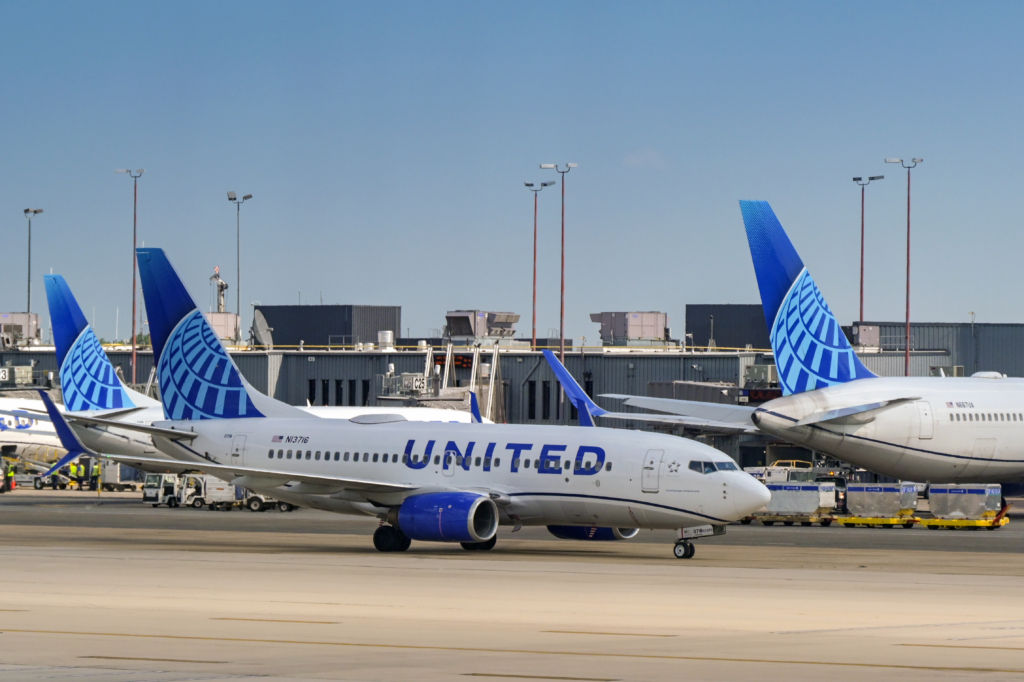
A passenger may buy a ticket from a major airline such as American, Delta, or United, but the actual flight may be operated by a regional partner. Regional airlines traditionally operate smaller aircraft on routes that do not generate enough demand for a larger mainline aircraft.
For example, a community might generate enough demand for a 70-seat aircraft but not enough to fill a 150-seat Airbus A320 or Boeing 737. Regional airlines allow the major carriers to serve these smaller markets while connecting passengers to their larger hub networks.
The problem is that scope clauses can restrict not only who operates the aircraft, but also how large and heavy that aircraft can be.
One of the most important restrictions in the US regional market is the commonly cited limit of 76 seats and 86,000 pounds maximum take-off weight. The precise rules differ between individual airlines and pilot contracts, so there is no single scope clause covering the entire industry.
It is also important to understand that these restrictions are not Federal Aviation Administration regulations. They are contractual agreements negotiated between airlines and pilot unions.
Why does the 76-seat limit matter?
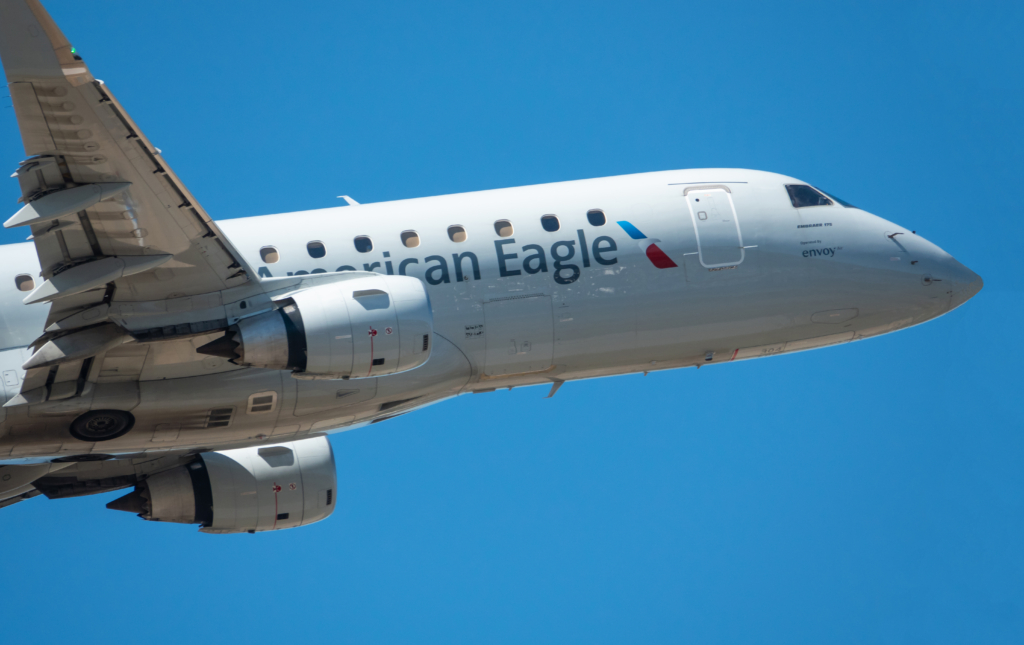
The 76-seat limit has become particularly significant as aircraft technology has evolved. The Embraer E170 and E175 are good examples. They have become hugely successful in the US because it offered substantially more capacity and capability than the smaller regional jets that preceded it while remaining within the scope restrictions.
However, modern aircraft technology presents a challenge. Newer engines are generally more efficient, but advanced engines and other technologies can add weight to an aircraft.
This creates an unusual situation. An aircraft can be more fuel-efficient and technologically advanced than an older model but still be unable to operate as a regional aircraft because it exceeds the contractual weight limit.

The Embraer E175-E2 illustrates the problem. The aircraft was designed as a next-generation development of the E175, but its weight exceeds the traditional 86,000-pound limit. That makes it difficult to use in the US regional market under existing scope agreements and renders it unlikely to be developed or manufactured.
The manufacturer can therefore face a difficult choice: redesign the aircraft to meet the restrictions, sell it to operators outside the US, or hope that the rules eventually change.
A barrier to new aircraft development
A commonly cited consequence of scope clauses is the effect they may have on aircraft manufacturers. Developing a new commercial aircraft costs billions of dollars.
Manufacturers need a large enough market to justify that investment. The United States is one of the world’s most important markets for regional aircraft, so restrictions on aircraft size and weight can strongly influence manufacturers’ decisions.
If manufacturers know that a large proportion of the US market is limited to aircraft weighing less than 86,000 pounds and carrying no more than 76 passengers, they have a strong incentive to design aircraft around those restrictions.
That can discourage the development of aircraft that might otherwise offer better fuel efficiency, greater range or lower emissions. The result is a regional aircraft market that has become heavily concentrated around a relatively small number of established designs.
Critics argue that this creates a technological bottleneck. Instead of allowing airlines and manufacturers to determine which aircraft are most efficient for a particular market, the scope clause can determine the answer before the commercial and technical considerations are even evaluated.
Scope clauses and the ‘missing middle’
Perhaps the most obvious problem is the lack of a strong aircraft category between today’s regional jets and larger mainline aircraft.
A 76-seat aircraft may be ideal for a smaller community. But another market might support 85, 90, or 100 passengers while still not generating enough demand to justify a 150-seat aircraft.
In a purely market-driven system, airlines could choose an aircraft that sits somewhere between these categories.
The scope clause makes that much more difficult. An aircraft with 90 seats would generally fall outside the traditional regional category and therefore could require mainline pilots. That can significantly change the economics of operating the aircraft.
The result is a gap in the market. Airlines may be forced to choose between operating a smaller regional aircraft that does not provide enough capacity or deploying a substantially larger mainline aircraft that may be uneconomical for the route. For passengers in smaller communities, neither option is ideal.
How does this affect smaller communities?
The consequences of scope restrictions extend beyond airline labour relations and aircraft manufacturers. They can affect the communities that depend on regional air service.
Regional aviation is particularly important to smaller cities. These communities often cannot generate enough passenger demand to support frequent flights using large aircraft.
A regional aircraft allows airlines to provide a more appropriately sized service. It can connect passengers to a major hub, where they can transfer to larger aircraft serving domestic and international destinations.
But regional airline economics have become increasingly challenging. Pilot wages have increased, recruitment has become more difficult and operating costs have risen. At the same time, airlines are competing for passengers while trying to maintain service to relatively small markets.
When an airline is restricted to a limited range of aircraft, it has fewer options for responding to these economic pressures. A newer aircraft with better fuel efficiency could potentially improve the economics of a route.
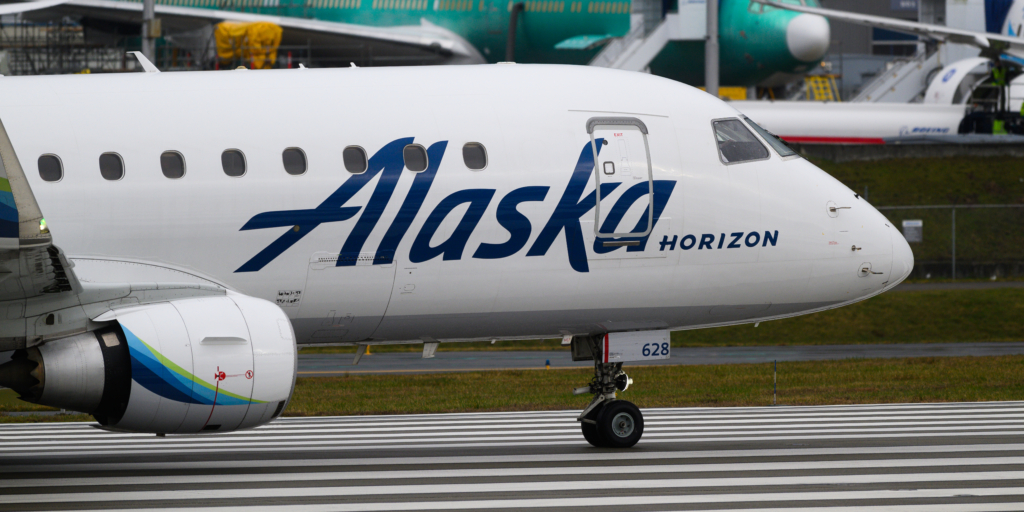
But if that aircraft is too heavy to meet scope requirements, the airline may be unable to use it. This can make some marginal routes harder to justify.
Scope clauses and the regional pilot workforce
There is, however, a strong argument in favour of scope clauses. Major airline pilots have invested heavily in their careers and training, and they understandably want protection against their work being outsourced to lower-cost regional operators.
Without scope restrictions, a major airline could potentially transfer more flying to regional carriers. If regional airlines can operate progressively larger aircraft, the distinction between regional and mainline flying could become blurred. That could put pressure on mainline pilot employment and wages.
From the pilots’ perspective, therefore, scope clauses are not simply arbitrary restrictions. They are an important part of protecting their careers and bargaining power. This is why changing scope agreements is politically and industrially difficult.
The debate is not simply about aircraft. It is also about jobs, wages, and the balance of power between airline management and labour.
Are scope clauses the only problem?
Put simply, no. It would be misleading to blame the challenges facing US regional aviation entirely on scope clauses. Regional airlines face a wide range of pressures, including pilot availability, labour costs, fuel prices, aircraft shortages, maintenance costs, airport infrastructure, and changes in passenger demand.
Some smaller routes are simply difficult to operate profitably, regardless of the aircraft being used. However, scope restrictions can make these challenges more difficult to overcome by limiting the industry’s flexibility.
The issue is therefore less about whether scope clauses should exist and more about whether the current restrictions remain appropriate for modern aviation.
Could the rules of scope clauses ever change?
In theory, yes. Because scope clauses are contractual rather than federal regulations, changes would normally require negotiations between airline management and pilot unions.
One possibility would be to increase the weight limit while retaining a relatively strict seat limit. This could allow newer aircraft with heavier but more efficient engines to enter the regional market without opening the door to unlimited outsourcing.

Another approach could involve developing more sophisticated rules based on aircraft size, mission or economics rather than relying so heavily on fixed weight and seat limits.
Such changes would require compromises. Airline management would want greater flexibility to choose efficient aircraft and operate routes economically. Pilot unions would want assurances that changes would not result in the replacement of mainline jobs with cheaper regional labour. Finding that balance is the central challenge.
The bigger issue for US aviation
The scope clause debate ultimately raises a larger question – what should regional aviation look like over the next 20 or 30 years?
The restrictions were developed in a different era of aviation. Aircraft, engines, airline economics and environmental priorities have changed significantly since many of these agreements were established.
Modern engines can deliver substantial improvements in fuel efficiency and emissions. But those improvements can come with additional weight, making older contractual limits increasingly difficult to meet.
There is also the prospect of smaller regional hybrid electric aircraft to consider, such as the Heart Aerospace aircraft currently under development.

This creates a paradox. A rule intended to protect airline jobs could unintentionally discourage the adoption of newer, more efficient aircraft and restrict the development of the next generation of regional aviation.
The solution is unlikely to be simply abolishing scope clauses. Mainline pilots have legitimate concerns about outsourcing, and some form of protection is likely to remain an important part of airline labour agreements. The challenge is to modernise the rules without undermining those protections.
Is the US airline market better off with scope clauses or not?
Scope clauses are an important but often overlooked influence on US aviation. By limiting the amount of flying that major airlines can outsource and restricting the size and weight of aircraft that regional airlines can operate, they have helped shape the US regional aircraft market for decades.
Their original purpose was to protect mainline pilot jobs, and that objective remains understandable. However, the aviation industry has changed.
Today’s aircraft are more technologically advanced, engines are more efficient, and smaller communities continue to need reliable connections to the national air transport system.
At the same time, regional airlines are dealing with rising costs and increasingly difficult economics.
The concern is that fixed scope restrictions could prevent the industry from developing aircraft that sit between traditional regional jets and larger mainline aircraft.
For US regional aviation to remain sustainable, the industry may need a new compromise – one that protects pilot jobs while giving airlines and manufacturers enough flexibility to adopt more efficient aircraft and serve smaller communities economically.
The future of US regional aviation may depend on finding that balance. Protecting today’s workforce should not come at the cost of preventing tomorrow’s aircraft, routes, and communities from taking off.
Sign up for our newsletter and get our latest content in your inbox.


More from

October 17, 20265 min read

October 17, 20264 min read