


Wizz Air is carrying millions more passengers, so why is it losing money?

7 min read
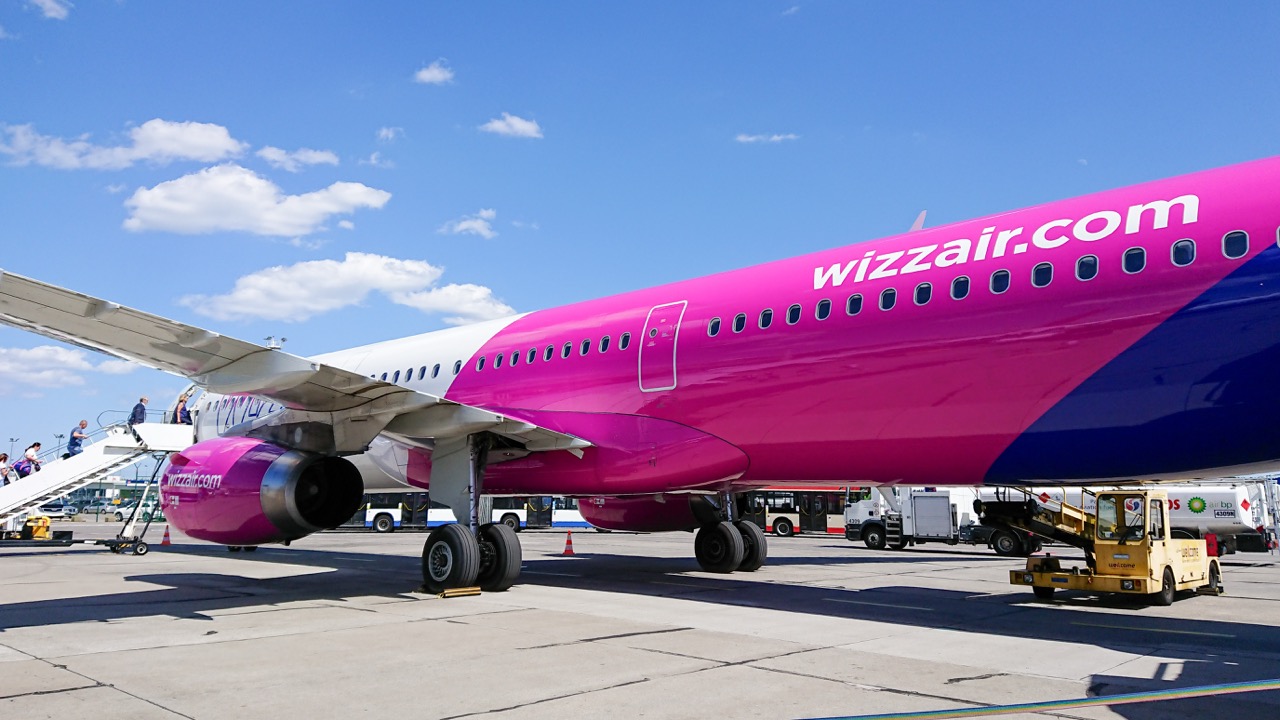
Wizz Air’s rapid expansion delivered strong passenger growth in the first quarter of its 2027 financial year. Still, lower fares, higher fuel costs and continued fleet disruption pushed the airline to a net loss.
The ultra-low-cost carrier increased seat capacity by 25% year-on-year during the quarter. Available seat kilometres rose by 15%. The airline attributed the slower growth in ASKs to a shift from longer Middle Eastern services towards shorter routes within Europe.
Wizz Air reported a net loss of approximately €198 million for the period. However, management said demand remained strong. Load factors stayed flat despite the sharp rise in capacity.
Alex Pugh, analyst at Freetrade, said: “Demand for cheap flights is still there. Passenger growth was strong, and planes remained full.”
The challenge, he added, was that Wizz Air was “carrying more passengers but earning less per seat flown.”
Wizz Air plans for prolonged fuel pressure
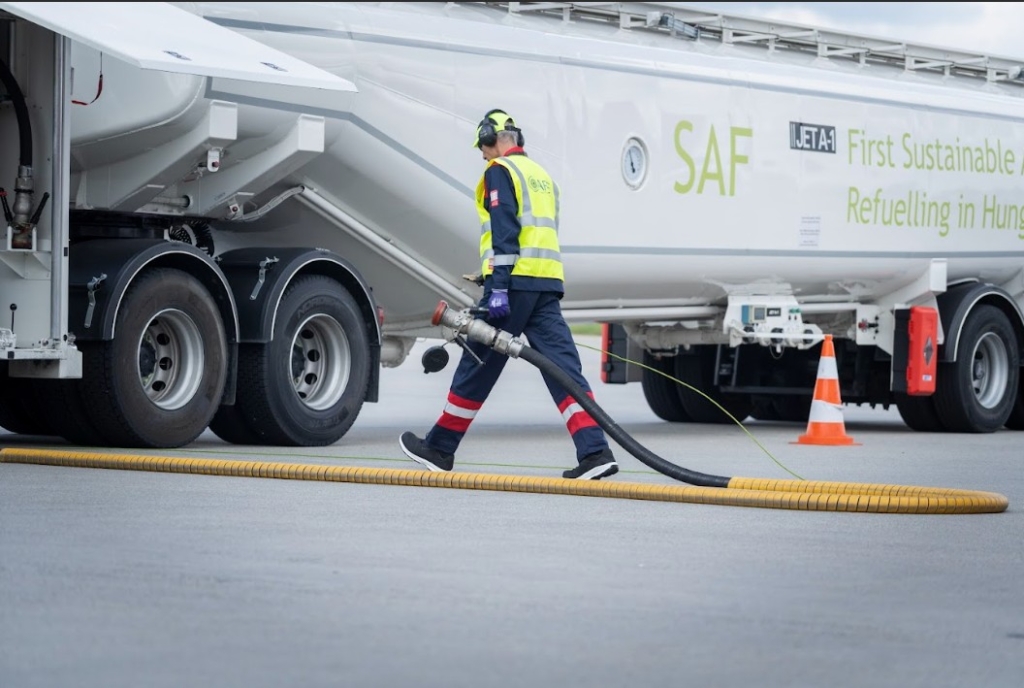
The conflict in the Middle East increased both fuel costs and operational disruption during the quarter.
Wizz Air chief executive József Váradi said the airline did not assume that geopolitical conditions or fuel prices would improve quickly.
“Our baseline expectation is fuel stays high because anything else is speculative,” Váradi told analysts. “We are planning baseline on a prolonged war with continuous distress coming through the fuel-pricing environment.”
Despite that pressure, Wizz Air plans to operate its intended fleet programme and continue pursuing growth opportunities during the winter.
Váradi pointed to the airline’s €2.3 billion liquidity position, equivalent to close to 40% liquidity cover.
“That stands probably the best of any airlines in Europe and even globally, or certainly amongst the best,” he said.
Váradi argued that high fuel prices could create opportunities for Wizz Air if financially weaker competitors reduce flying.
“We are screening the industry. We are screening the performance of airlines,” he said. “We have a pretty good understanding where the weak spots are, where the opportunities may arise.”
Third Bridge analyst Louis Knight said low-cost carriers were generally less able than network airlines to pass higher fuel costs on to fares. He estimated that budget airlines could pass through around 40% of an increase, leaving the balance to be absorbed by margins.
Fares remain under pressure despite strong bookings
Wizz Air expects available seat kilometres to rise by around 20% during the second quarter, with load factors broadly flat and RASK slightly lower.
Chief commercial officer Ian Malin said the airline was continuing to see resilient demand.
“We’re still seeing strong demand. We’re booking ahead in terms of August and September for Q2,” Malin said. “We are roughly 79% to 80% booked for August and somewhere between 40% and 50% booked in September. Those are trending ahead of last year.”
However, fares were trending between the mid-single digits and high-single digits below the previous year.
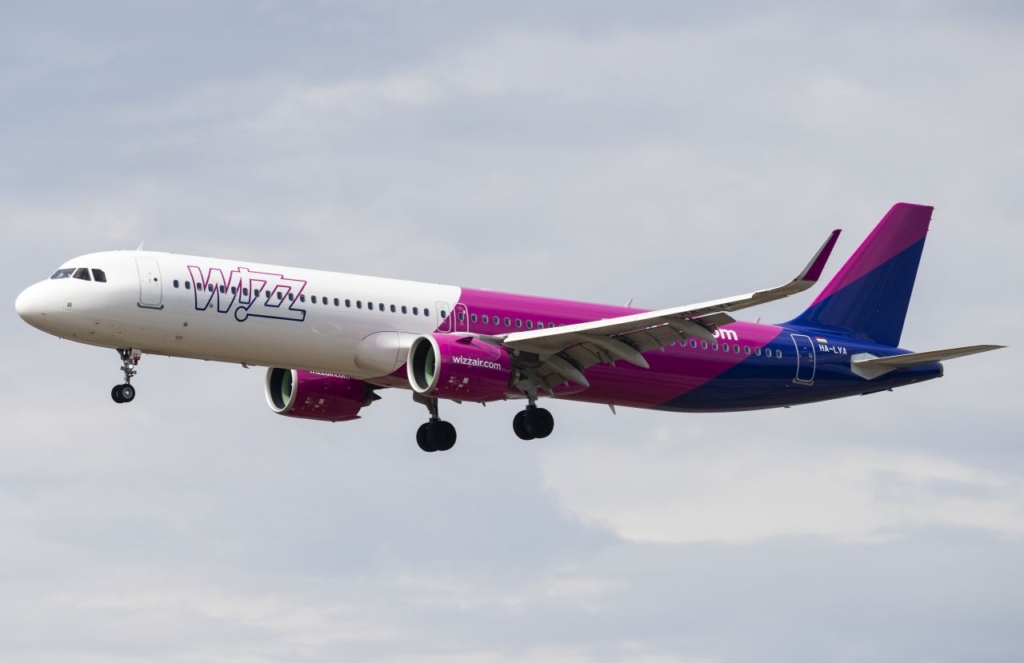
Wizz Air is growing substantially faster than the wider intra-European market. That expansion requires the airline to stimulate demand with lower fares while new routes mature.
Julie Palmer, managing partner at BTG, said Wizz Air could not ignore “the net loss for the period and lower RASK” despite carrying more passengers and increasing capacity.
She said the airline would need to balance attractive fares against rising costs if it wanted to convert its growth into stronger profits.
Wizz Air shifts towards shorter European flying
Wizz Air has been reallocating capacity from longer Middle Eastern services towards shorter domestic and intra-European routes.
Management expects its average sector length to stabilise at around 1,500 kilometres from the next financial year.
The shift is intended to increase sector productivity by enabling aircraft to operate more flights each day on shorter routes. Wizz Air has been expanding domestic flying in markets including Italy and Spain.
The airline is also trying to make its network less seasonal by adding more winter-sun and skiing routes.
“We are a lot more skewed towards capacity that is demanded in the period, like winter sun, skiing, etc,” Váradi said.
He said Wizz Air would add more of that capacity “to make sure that we are really converting underperforming capacity otherwise into performing capacity.”
Wizz Air’s leadership expects fiscal 2027 to remain a high-growth year. However, Váradi said expansion would become more measured from fiscal 2028.
“It will still be a high-growth period, probably the last one going forward,” he said. “As of fiscal 2028, you’re going to be seeing this moderated capacity plan, moderated growth plan.”
GTF engine groundings remain the biggest disruption
Pratt & Whitney geared turbofan engine inspections continue to constrain Wizz Air’s fleet and financial performance.
The airline reduced the number of grounded aircraft from 41 to around 27. However, it does not expect to eliminate structural GTF-related groundings until the end of calendar 2027.
Váradi described the engine problem as the single largest issue affecting Wizz Air in recent years.
“If you really think about the level of disruption to the business and to what extent it has affected financial performance — on the cost side, on the revenue side, on the balance sheet — it’s been hugely, hugely disruptive,” he said.
Management expects the affected aircraft to return gradually as Pratt & Whitney engine maintenance capacity and parts availability improve.

“In 18 months from now, we are out of it,” Váradi said. “That one on its own merit will kind of reset the business back to where we used to be.”
The chief executive said the airline would be structurally stronger once the grounding programme was resolved.
Wizz Air expects to reach 100 million annual passengers in the next financial year. Around 95% of its fleet is expected to comprise larger Airbus A321-family aircraft.
“Absolutely, we’re going to be a lot better business structurally speaking,” Váradi said.
He acknowledged that rapid growth was currently weighing on revenue. Still, Váradi argued, “What you invest today is going to benefit you tomorrow through maturity.”
Older aircraft returns add temporary costs
Wizz Air is also returning older Airbus A320ceo-family aircraft to lessors as it modernises its fleet.
The airline expects to redeliver 24 aircraft during the current financial year, compared with 16 last year.
Chief financial officer Veronika Spanarova said those returns were temporarily raising maintenance and depreciation costs.
“The depreciation and, in fact, also the maintenance line are elevated and are impacted by the redelivery of the CEO aircraft,” Spanarova said.
“Last year we had 16 redeliveries. We expect 24 this year.”
Aircraft require additional maintenance before being returned, while depreciation can also increase during the final stages of their time with the airline.
“As we see the CEOs exiting the fleet, we expect the decline in the depreciation line,” Spanarova said.
Wizz Air debt will remain elevated this year
Wizz Air said net debt-to-EBITDA would remain slightly elevated during fiscal 2027 because of fleet growth and new aircraft financing.
Management expects leverage to begin declining from next year as earnings improve and older aircraft are returned.
Malin said the increase in gross debt reflected the financing of a growing fleet rather than an imminent refinancing problem.
“This debt does not have a sort of bullet maturity where we are facing a wall that we are going to run into,” he said. “This debt matches the lease terms of our aircraft. We have 12 years to pay it off.”
Malin said Wizz Air remained confident that route maturity and cost improvements would increase EBITDA and lower the leverage ratio.
“This business is resilient and will ride through this much like it has,” he said.
Pugh said Wizz Air’s cash reserves buffered the carrier from current pressures. However, he said investors would want evidence that “bigger means better, not just more seats sold at thinner returns.”
Operational reliability is a financial priority
Wizz Air improved punctuality and completion rates during the quarter, despite weather, air traffic control restrictions, and disruption linked to the Middle East conflict.
Malin said operational performance was central to reducing costs and rebuilding passenger confidence.
“The operational performance is a financial strategy,” he said. “It helps us on the cost side, and it helps me on the revenue side because people get more confidence in booking.”
Better planning and fewer grounded aircraft were also enabling Wizz Air to use crews more efficiently, rather than retaining employees for aircraft that were unavailable.
The airline expects those improvements, the return of GTF-powered aircraft, and the retirement of older A320ceos to support lower unit costs over the medium term.
For now, however, Wizz Air must show that its rapid capacity growth can mature into higher fares, improved margins, and a stronger bottom line.
Sign up for our newsletter and get our latest content in your inbox.




More from


September 21, 20263 min read


