


Sikorsky completes early flight tests of Nomad 100 uncrewed aircraft for DARPA programme

3 min read
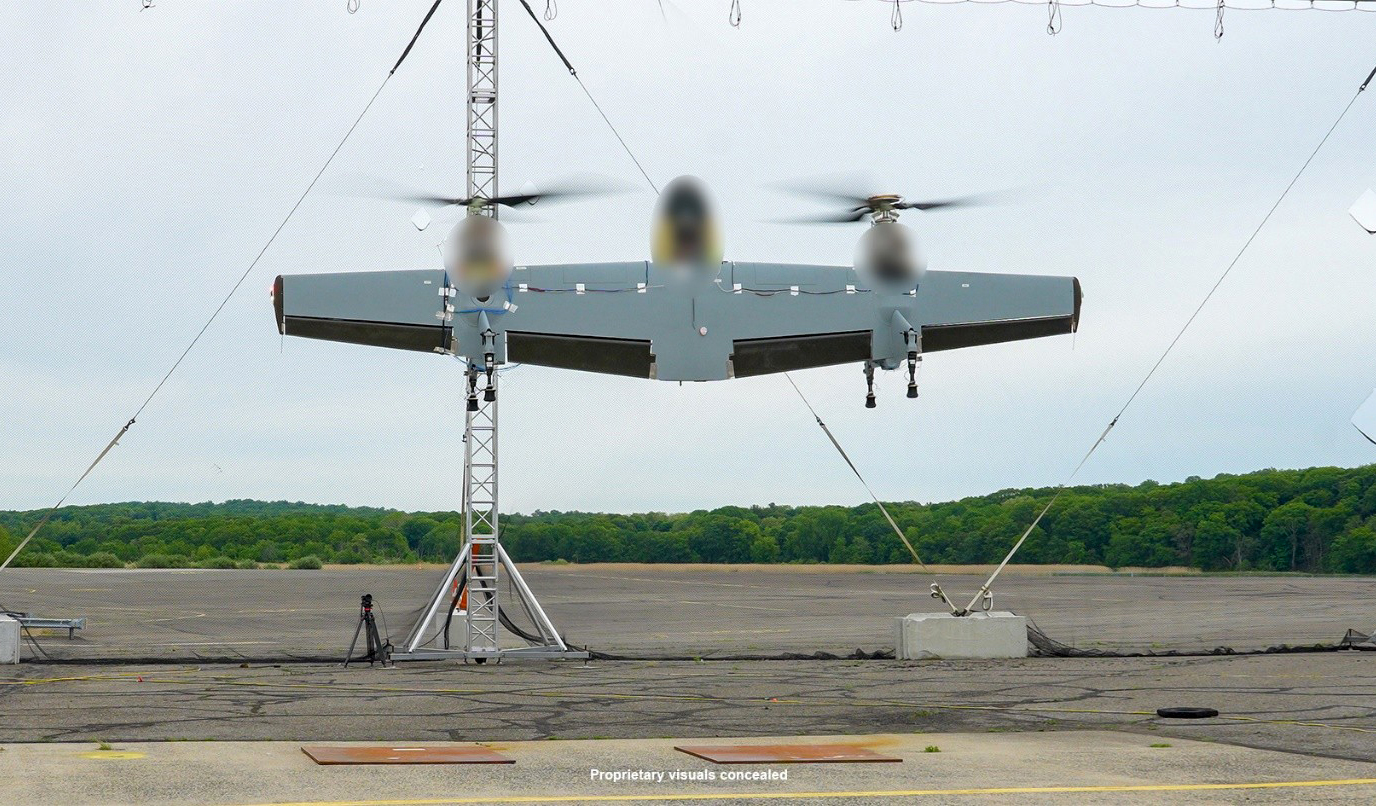
Lockheed Martin’s subsidiary, Sikorsky Aircraft, is entering the burgeoning UAS market with its Nomad 100 demonstrator, taking advantage of its expertise in advanced helicopter manufacturing. This follows AGN’s October 2025 report that Lockheed had first unveiled its new Nomad 100 UAS.
Lockheed’s Nomad 100 drone passes initial flight testing
Lockheed Martin has unveiled that it’s Sikorsy subsidary has completed its initial ground and flight testing of the Nomad 100 UAS. It is being developed with the Defense Advanced Research Projects Agency (DARPA) Early VTOL Aircraft Demonstration (EVADE) programme.
In a news release, Lockheed said that the milestone marks a step forward to deliver high-performing uncrewed systems that are designed to operate in “rapidly evolving, contested environments.”
.@Sikorsky, a @LockheedMartin company, has completed initial ground and flight testing of its Nomad 100 uncrewed aerial system (UAS) in collaboration with @DARPA's Early VTOL Aircraft Demonstration (EVADE) program. Click for more:
— Lockheed Martin News (@LMNews) July 22, 2026
Rich Benton, vice president and general manager of Lockheed’s Sikorsky, stated, “Nomad will serve as part of a crewed-uncrewed team complementing missions anywhere from austere forward operating bases to ship decks and unimproved landing zones.”
According to Lockheed, the next step is for Sikorsky to advance Nomad 100 with an “intensive flight test campaign,” which will replicate “a host of multirole Nomad 100 missions.
Lockheed says it is accelerating next-generation autonomy and crewed-uncrewed teaming capabilities to provide speed, precision, and mission-critical reliability.
Sikorsky’s novel Nomad 100 drone
Lockheed describes Nomad 100 as a variant of Sikorsky’s rotor-blown wing architecture that enables vertical takeoff and landing (VTOL), hover, cruise on the wing, and runway-independent operations.
For the DARPA Lift Challenge, teams designed new drones weighing 55 lbs. (or less) hoping to carry more payload than ever thought possible. And you can watch them compete this Aug. 6-9 at the National Museum of the U.S. Air Force in Dayton, Ohio. pic.twitter.com/9Ot56uM7i9
— DARPA (@DARPA) July 31, 2026
The aircraft is designed to provide the vertical lift and hover capabilities of a helicopter with the speed, range, and endurance of a fixed-wing aircraft. This is similar to the concept of a tiltrotor aircraft (e.g., CV-22 Osprey), but with the whole air vehicle tilting.
Nomad 100 is intended to operate in all weather conditions “across land and sea.”
In the news release, Lockheed says, “DARPA selected Sikorsky’s MATRIX autonomous technology to be the autonomy solution integrated into all five platforms performing under the EVADE program.”
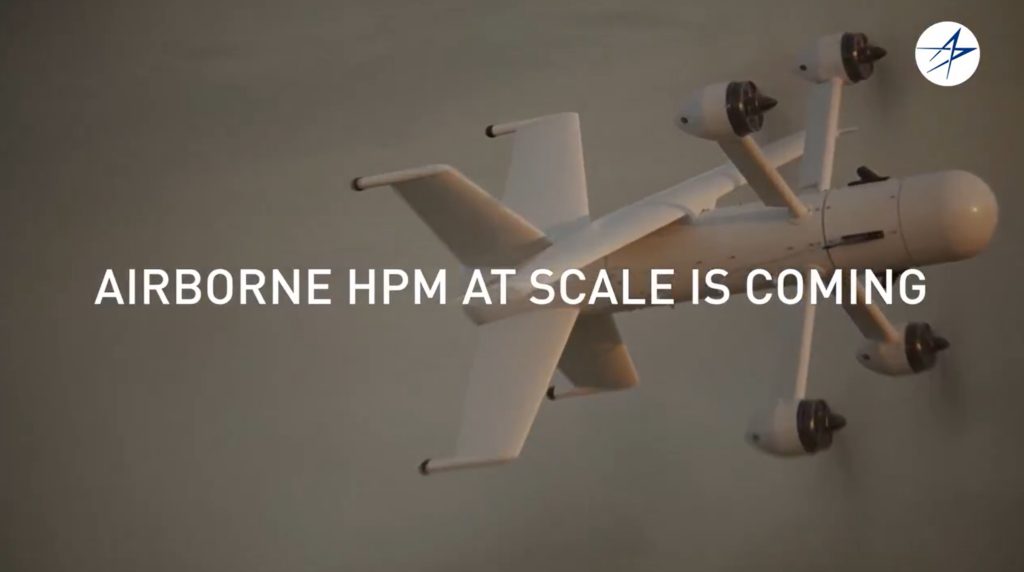
Notably, Sikorsky’s autonomous S-70UAS U-Hawk and the hybrid electric demonstrator (HEX) are also enabled by its MATRIX autonomous technology.
Get the latest aerospace defence news here on AGN.
DARPA’s five competing EVADE VTOL UAS contenders
In 2025, DARPA reported that five “cutting-edge” UAS designs were slated to start flight testing “to highlight the versatility of vertical take-off and landing for UAS weighing less than 330 pounds.”
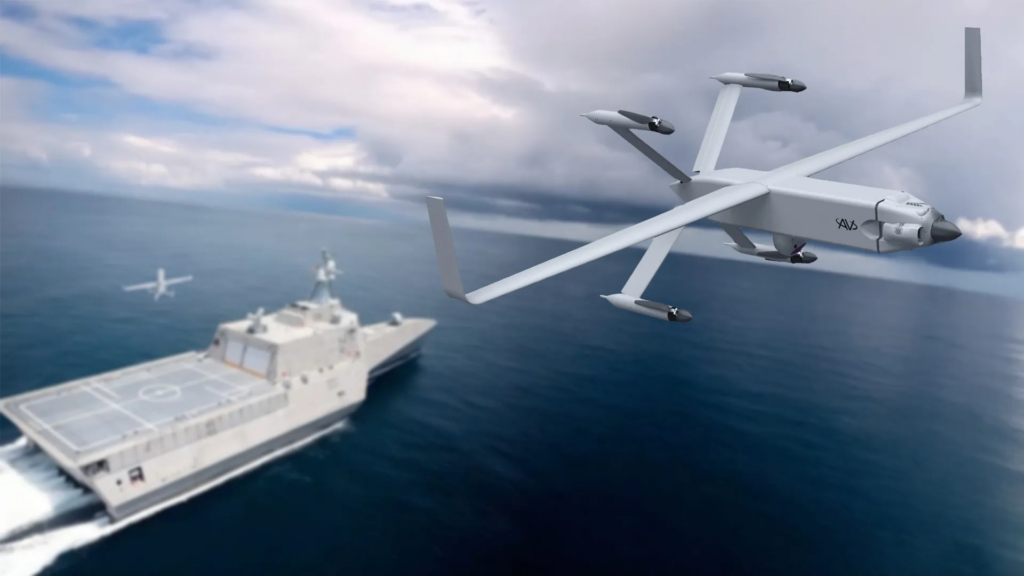
DARPA states that the primary objective for these EVADE demonstrator autonomous VTOL aircraft was to “demonstrate rapid deployment of advanced UAS capabilities to the warfighter.”
At the time, Program Manager Phillip Smith outlined that the focus of EVADE is speed of development, not on first flight perfection.
Smith explained the reasoning, “The faster we can get these demonstration aircraft airborne, the quicker we can identify and resolve any issues, and ultimately, deliver game-changing capabilities to our warfighters in the field.”
The other four contenders are known to be AeroVironment’s Wildcat, Griffon Aerospace (no specifics publicly reported), Karem Aircraft’s Bluebird, and Method Aeronautics.
Details of some of these aircraft are vague and sparse. The Karem Aircraft Bluebird is known to be a contrarotating coaxial Optimum Speed Tilt Rotor (OSTR). Renders show it with a high wing and inverted V-tail that’s focused on efficiency, maneuverability for shipboard operations, and endurance.
Sign up for our newsletter and get our latest content in your inbox.


More from

October 3, 20267 min read


