


Sudan’s air war shifts to drones as SAF pursues fighter jet revival

5 min read
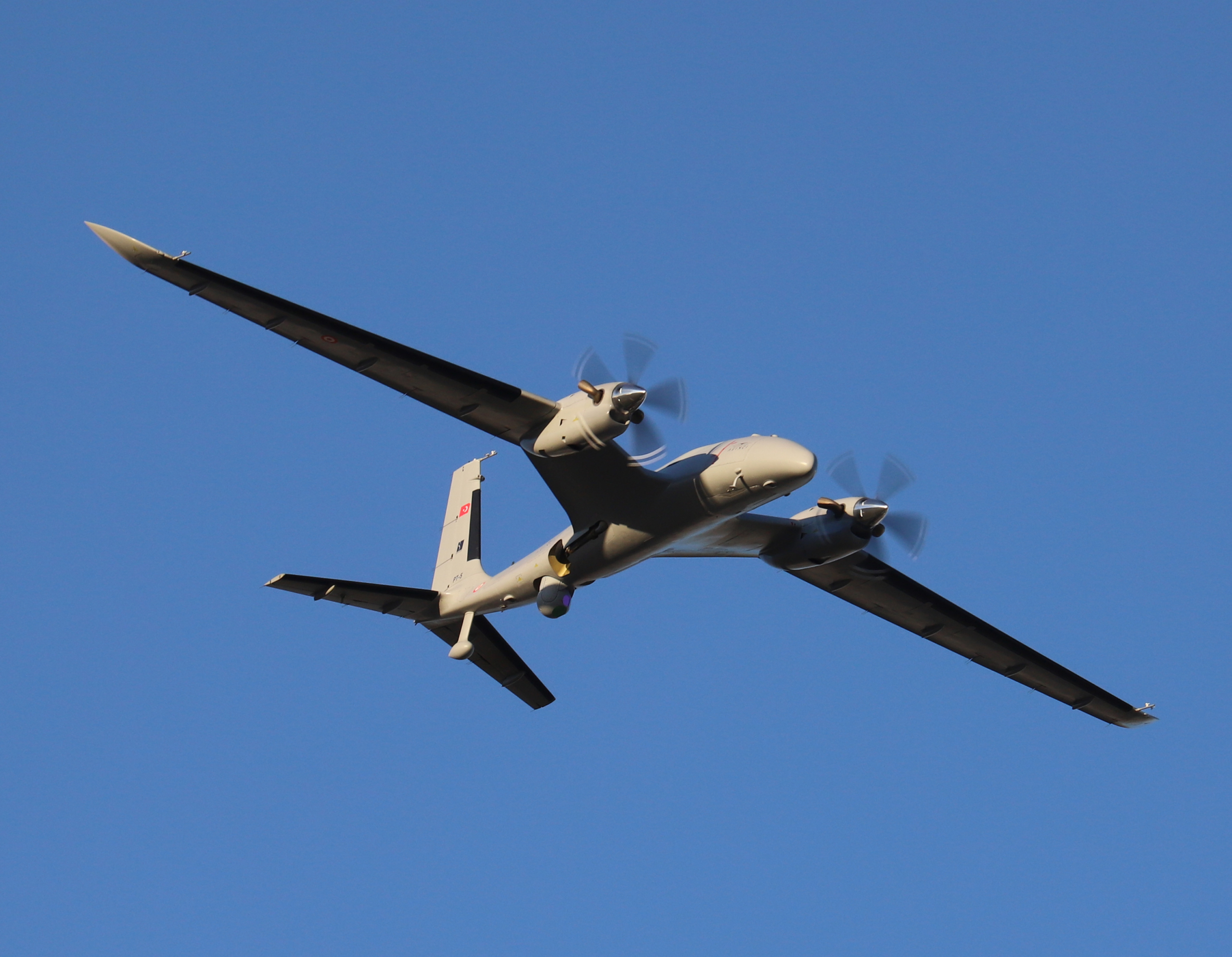
While both sides in the Sudan Civil War have largely pivoted to combat drones for airpower, the Sudanese Air Force still seeks to rebuild its fighter-jet capability. However, the Iran war appears to have indirectly derailed these attempts.
At this stage, both sides are fighting air-to-air engagements using apparently foreign-supplied higher-end Turkish and Chinese-made drones.
Legacy Sudanese air force now heavily diminished
In a webinar entitled Sudan’s Civil Conflict: Implications for Regional Security and Stability, the think tank Janes spoke to AGN about the status of the air war in the Sudanese Civil War.
At this stage in the war, it is unclear how many legacy manned combat aircraft the Sudanese Armed Forces (SAF) have remaining in service. At the start of the war, Sudan retained a selection of Soviet-era older warplanes.
However, many of these were destroyed in the opening days of the conflict (along with some Egyptian fighter jets) as the rival Rapid Reaction Forces (RSF) overran many of the airbases.
Some of these losses are visible on Google Maps, littering air bases. Miltiary helicopters can also be observed destroyed on the ground.
Some warplanes remained in service, and the legacy Antonov transport aircraft were pushed into service in their secondary role as bombers. As of mid-2026, it is unclear how much of the air force remains operational.
Both SAF and RSF are being equipped with higher-end drone forces
Journalists and analysts face difficulties in assessing the state of the air war in Sudan. This is partly due to both the SAF and RSF being coy about the weapons they are receiving.
Much of the information comes from both sides releasing videos and images of when they shoot down or destroy opposing drones and aircraft.

As the conflict has worn on, both the SAF and RSF have come increasingly to rely on drones, including higher-end combat drones like the Turkish-made Baykar Akıncı drones.
These drones tend to be feasible in Sudan (and not Ukraine) because while air defence is growing, it remains comparatively patchy and lower-end.
External governments are believed to be supplying the different sides of the conflict. Janes pointed out that this is confirmed by both sides operating the Akıncı, which can only be purchased by a state government.
While Janes didn’t specifically name international actors engaged in the proxy war, the UAE is widely believed to be heavily involved in providing weapons to the RSF. Egypt is known to support the SAF.

Other interested external parties include Saudi Arabia, Ethiopia, Russia, Turkey, Haftar-controlled Libya, and others. Suspicious cargo flights are tracked by various OSINT accounts like Rich Tedd. Often these flights are with legacy Ilyushin IL-76TD aircraft.
Get the latest aerospace defence news here on AGN.
Akıncı drones engaged in air-to-air engagements
Janes noted two incidents where it appears Akıncı drones shot down opposing Akıncı drones. They said this may have been the first example of its type of higher-end drones shooting other higher-end drones down.
In Sudan, a Turkish-made Akıncı combat drone operated by Sudan shot down another Turkish-made Akıncı drone operated by the UAE.
— Daily Turkic (@DailyTurkic) May 6, 2026
pic.twitter.com/0bbU2CXDue
In Ukraine, hundreds of one-way attack and reconnaissance drones are being intercepted by specially built interceptor drones daily. But these engagements are a different flavour compared to Akıncı multirole high-altitude long-endurance (HALE) unmanned combat aerial vehicles (UCAV).
One of these incidents was reported by Defence Security Asia, which wrote in May 2026, “The confirmed destruction of a Turkish-made Bayraktar Akıncı combat drone by another Turkish-made Akıncı over Sudan has transformed the country’s civil war into a defining laboratory for next-generation unmanned aerial warfare, proxy confrontation…”
WATCH: Sudan Army’s AKINCI drone shot down yet another Chinese-made CH-95 drone supplied to the RSF terror group by the UAE. pic.twitter.com/pcEqENlMaj
— Clash Report (@clashreport) July 7, 2026
Even though the ongoing drone war in Sudan tends to attract far less attention compared with those in Ukraine and Iran, it is still seeing innovations.
Sudan’s SAF wants to rebuild fighter jet capability
Combat drones offer many important advantages, including scalability, lower pilot training, lower lead times, and lower costs. But they still can’t fully replace conventional manned fighter jets.
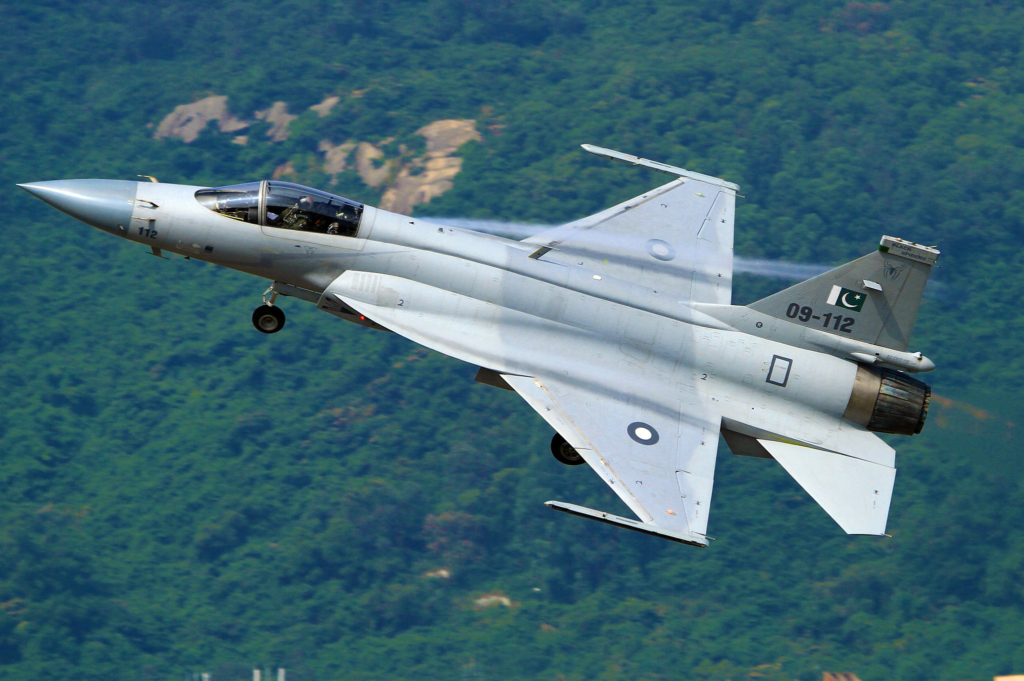
The SAF is looking to rebuild its fighter jet capability by purchasing Sino-Pakistani JF-17 Thunder fighter jets. In January 2026, Reuters reported that SAF was negotiating to acquire the fighter jets with the financial help of Saudi Arabia (which brokered the deal).
However, in April, Pakistan announced it was cancelling the deal after Saudi Arabia said it should be terminated. Reuters wrote, “Saudi Arabia is one of Pakistan’s closest allies and has been a source of critical loans and financing for Islamabad’s ailing economy.”
The decision not to finance the $1.5 billion deal comes amid the ongoing war with Iran and Riyadh re-evaluating its de facto proxy war with neighbouring UAE over Sudan.
In the early stages of the Sudan Civil War, Oryx reported that one MiG-29, four Su-25s, an unknown fighter jet, and four FTC-2000 advanced trainers/light combat aircraft had been lost, plus 11 transport aircraft. Since then, the number has grown.
Sudan’s only C-130 Hercules was destroyed by an RAF kamikaze drone in March 2024. Since the conflict erupted, at least four Il-76 transports have been destroyed, of which at least two belonged to the SAF.
Notable combat drones lost in the conflict include Bayraktar Akıncıs, Chinese-built CH-95s, Chinese-built Wing Loong IIs, Bayraktar TB2, and others. These are often more recent losses. Two CH-95s were destroyed in July 2026.
Sign up for our newsletter and get our latest content in your inbox.


More from


September 25, 20264 min read

September 24, 20262 min read


