


Europe’s regional air links in decline as routes disappear, warns ERA

3 min read

Regional air links across Europe are being lost at an alarming rate, the European Regions Airline Association (ERA) has warned, with “regional connectivity at risk” as traffic remains well below pre-pandemic levels.
Speaking at the Routes Europe conference in Rimini, Montserrat Barriga, director general of the ERA, warned that traffic numbers for regional aviation were trending down.
“The recovery is very incomplete, and the risk of regionals being left behind is still high,” she said.
At risk: Regional airlines and their route networks
Over the past five years alone, she noted how “a dozen regional airlines have ceased operations and approximately 120 routes… have been discontinued.”
“They will not come back, or maybe they will, but for now they haven’t come back,” she said, leaving those communities – often in more remote parts of the continent – without adequate connectivity. “Sometimes, finding an alternative is not possible, or the journey takes a long time.”
Recent regional airline shutdowns in just the last few months include Lufthansa’s Cityline, Swedish charter airline H-Bird and Slovenian charter airline AlpAvia.
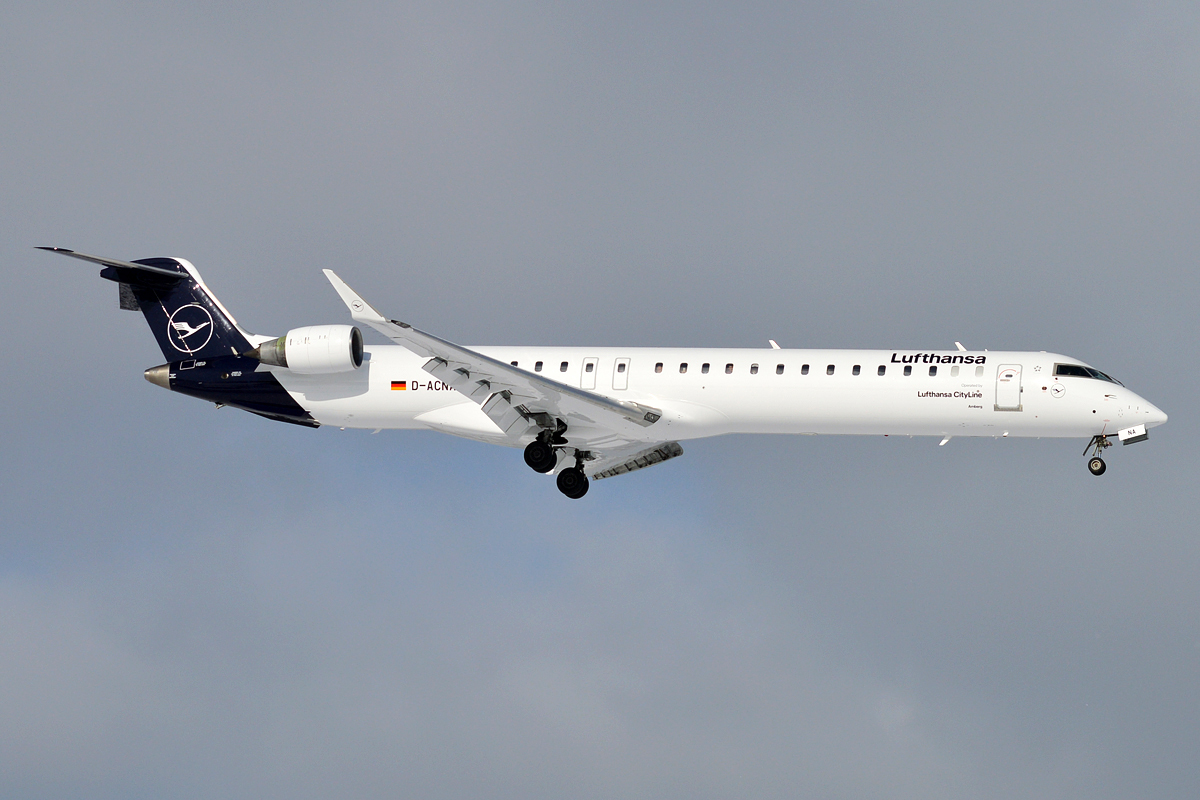
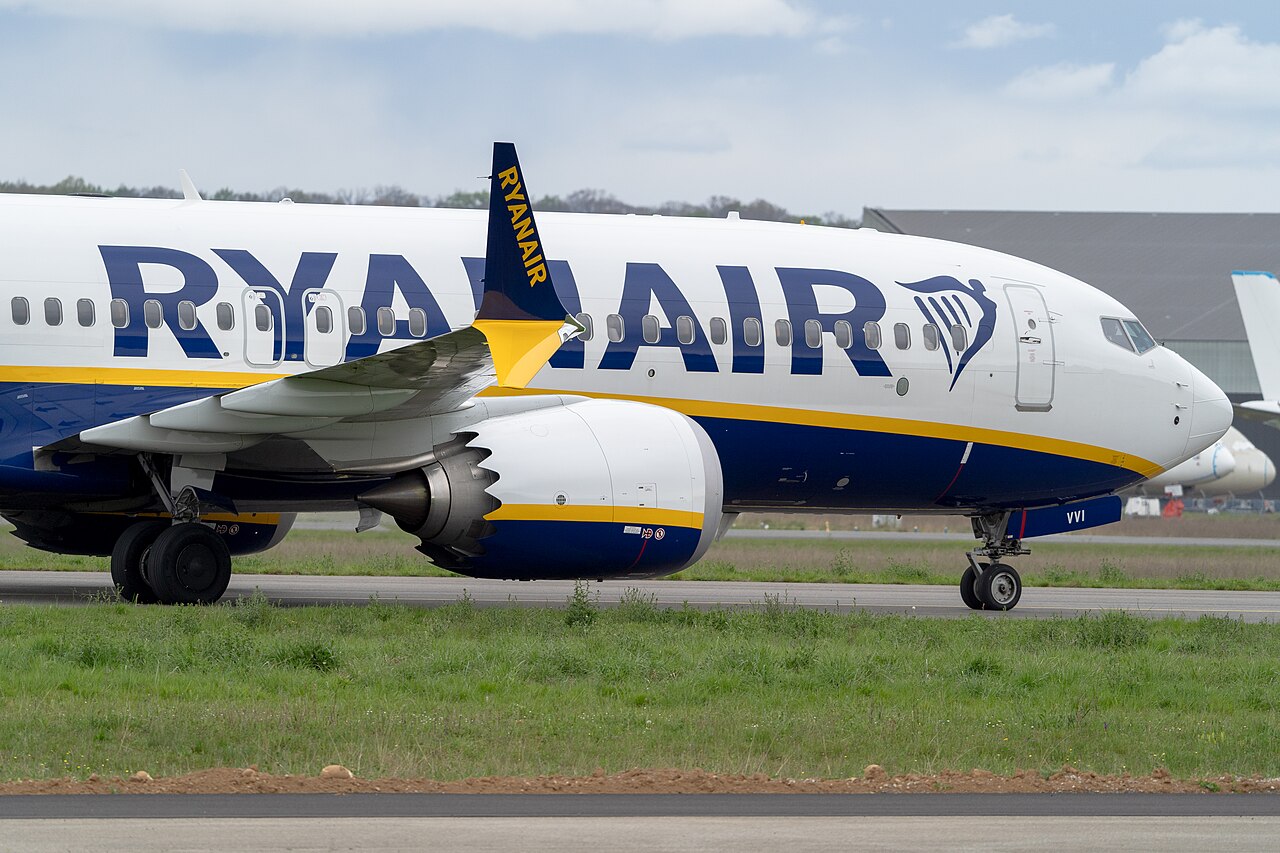
There are also numerous examples of route cancellations. They include Ryanair axing dozens of routes, such as Chania to Paphos and Thessaloniki to Heraklion, and Lufthansa ending a swathe of Frankfurt schedules including to Bordeaux and Skopje.
Barriga said it was the more localised connections that were worst affected by market pressures and decisions by airlines to move capacity.
“The very short routes are the ones that are hit hardest compared to the short haul, medium haul, or long haul. This means that those airlines that are impacted are those that are providing very short sectors, again normally the regional airlines,” she said.
Airports suffer – and the communities they serve
Many of the airports impacted already have limited connectivity and losing an operator can have a detrimental impact not only on the local community but the economic viability of the airport.
“Low volume routes with low and very fragile demand and lower freight frequency [are being cut], and they lack the economies of scale.
“It is more challenging for airlines to then sustain such connections profitably. That’s why we are seeing more and more airlines closing.”
Regulation and operating costs affect smaller airlines disproportionately because they do not have the economies of scale or the financial strength to withstand external shocks that larger carriers enjoy.
In a direct message to Europe’s policy makers, Barriga said: “Our call is simple: stop national taxes and come up with a coordinated EU solution that properly protects connectivity.”
Sweden exemplifies the decline in regional air connectivity
Sweden is a striking example of how regional air connectivity in Europe is being lost.
Domestic air links have shrunk from 35 destinations in 2016 to 28 in 2026, a 20% decline over a decade, and Barriga said this was down not to Covid but to a mix of policy choices and shifting public attitudes, including what she termed the “Greta [Thunberg] effect”.
While the data shows the airports that have lost all service, there has also been a “significant reduction in connectivity” through dramatic cuts in flight frequencies and the number of weekly routes, Barriga said.
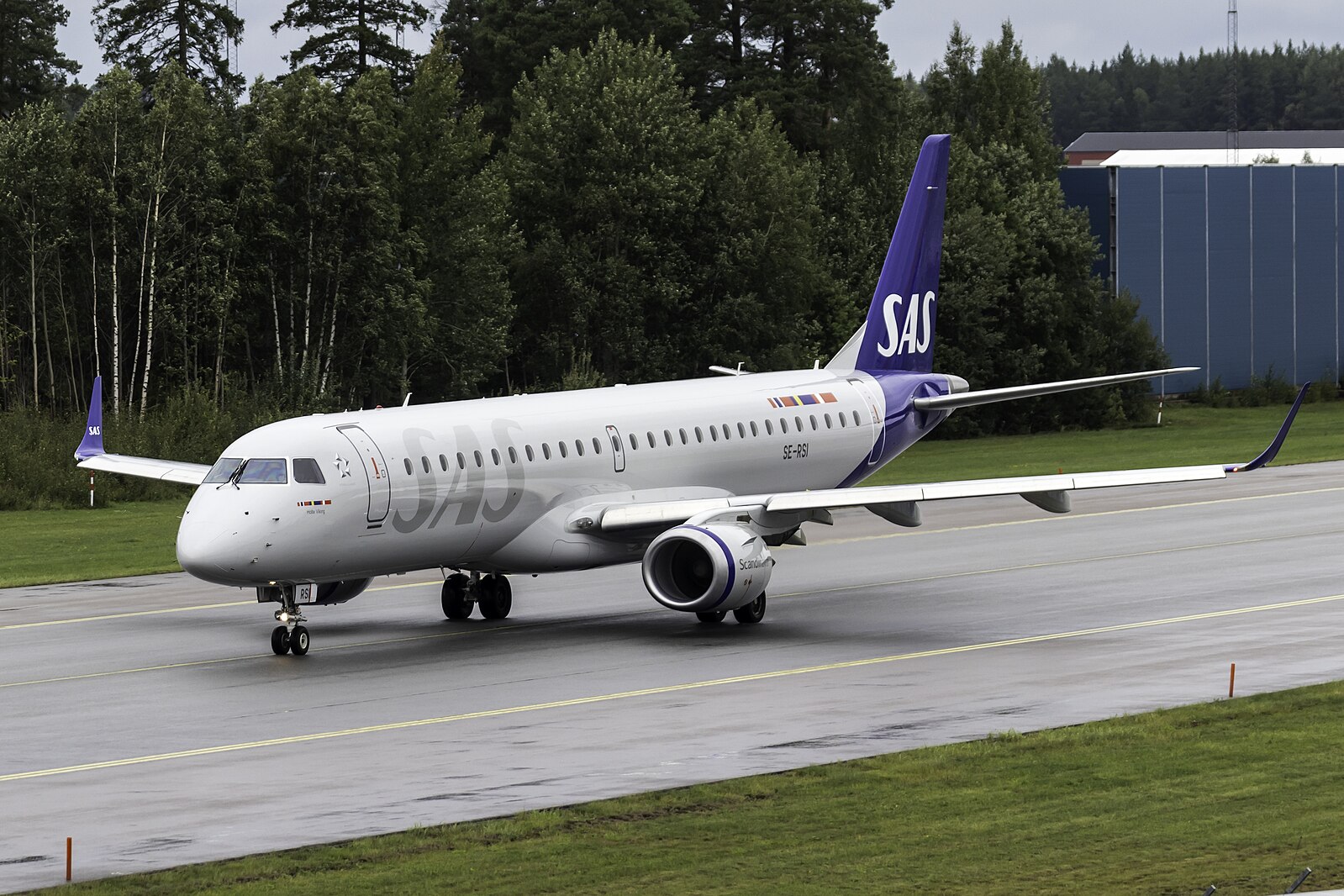
That means fewer options for travellers using Stockholm as a hub, but also a thinning web of regional and non‑Stockholm links.
Barriga described the situation as a “structural contraction of the Swedish domestic aviation market”, and warned that similar trends were visible across “every single European country”.
Featured image: Safran


