


Ukraine destroys two ‘decoy’ Tupolev Tu-142 Bears and valuable Iskander TEL

4 min read
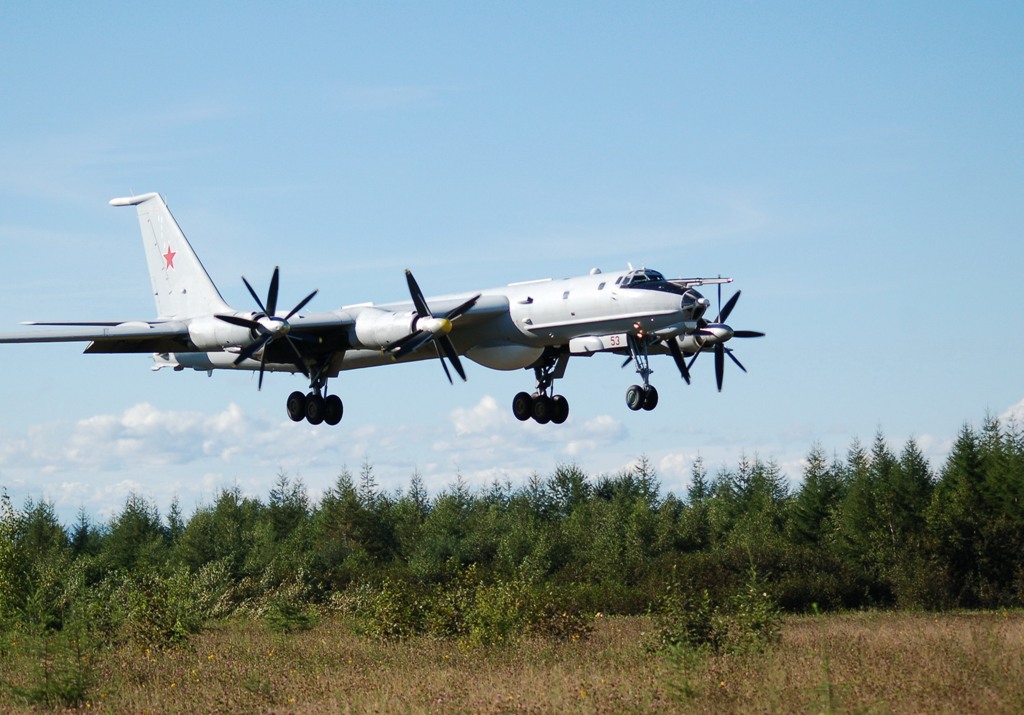
Ukrainian drones attacked two retired Tupolev Tu-142 turboprop patrol aircraft (derived from Tu-95) and an Iskander TEL (Transporter-Erector-Launcher). Tu-142s are used for maritime reconnaissance and anti-submarine warfare and are derived from the Tu-95 “Bear” bomber.
Ukraine destroys two retired ‘decoy’ Tu-142 bombers
Over the weekend, Ukraine released footage of another impressive drone attack on Russia’s Taganrog-South Airfield at Taganrog near the border with Ukraine.
Russia’s military assets are no longer safe, even far behind the front line.
— Defense of Ukraine (@DefenceU) May 30, 2026
During a nighttime operation near Taganrog, operators of @1usc_army destroyed an Iskander tactical missile system and two Tu-142 aircraft.
The hunt continues. pic.twitter.com/sO91kCt4lb
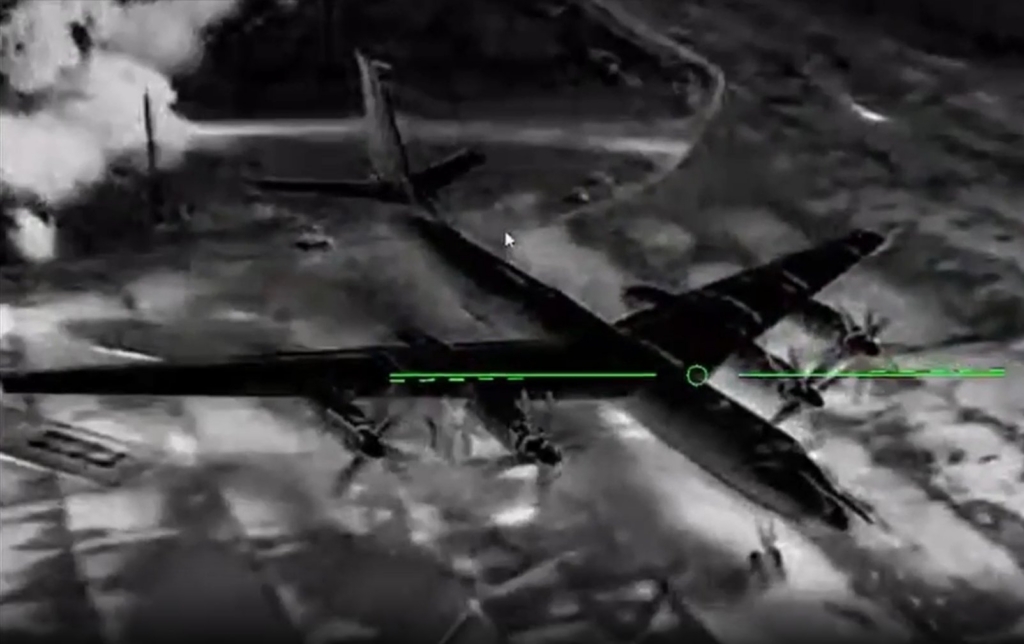
Drone footage shows two Russian Tu-142 Maritime Patrol aircraft being attacked, at least one of which was destroyed. Around 100 Tu-142s were built, and according to IISS, the Russian Navy has 24 remaining in service.
However, it appears these two bombers were decoys. Satellite imagery appears to show that these two old Tu-142s had been parked at the base for years and have been recently moved to the flightline to serve as targets for Ukrainian drones.
The Russian Air Force-affiliated account Fighterbomber posted, “These are Tu-142MK and Tu-142MR aircraft that were ferried from Mykolaiv, Ukraine, for overhaul in 1998 and 2002.”
The account sarcastically added, “But the [Ukrainians] never provided the money for the repairs, so the aircraft were left to rot, since there was nothing useful left to take from them. Apparently, the Ukrainians do not plan to restore them. But they still owe money for the parking/storage fees!”
OSINT accounts, like The Military Watch, confirmed the aircraft were not operational. It is not possible to confirm Fighterbomber’s claim that they are ex-Ukrainian aircraft.
On 30 May 2026, a retired Russian Naval Aviation Tu-142MR was destroyed in a Ukrainian OWA UAV attack on Taganrog-South Airfield, Rostov Oblast, Russia. It has been stored at Taganrog at least since early 2010s, probably even longer. In May 2026 it was moved to the current spot. pic.twitter.com/8ldvG35eS7
— The Military Watch (@MarcinRogowsk14) May 30, 2026
The strike underscores Ukraine’s growing ability to strike aircraft on the ground, and that forward bases are becoming more vulnerable to Russia. The successful strike on the Iskander TELs is especially important at a time when Ukraine is low on Patriot interceptor missiles.
Taganrog is being repeatedly struck
Notably, this is the same airbase where AGN reported in November 2025 that Ukraine had destroyed an A-60 laser testbed aircraft and a rare A-100 AEW&C aircraft. It appears that both of these aircraft had also been abandoned for years.
The two Russian Tu-142 aircraft were recently moved from storage into different spots at the Yuzhny Airbase, Taganrog.
— MoloMonitor 🇮🇹 (@MoloWarMonitor) May 30, 2026
April 6: May 29: https://t.co/TWJrTSgJSr pic.twitter.com/kWaOJIBRLS
Taganrog is both close to Ukraine (making it comparatively easy to strike) and the main base for Russia’s Beriev. It is where Russia’s A-50U AEW&C aircraft have been built and maintained. Russia has moved its valuable bombers deeper into Russia, making them harder to strike.
While dispersing its bombers and moving them eastwards helps Russia protect them, it is also taking a toll on logistics, maintenance, and sortie generation.
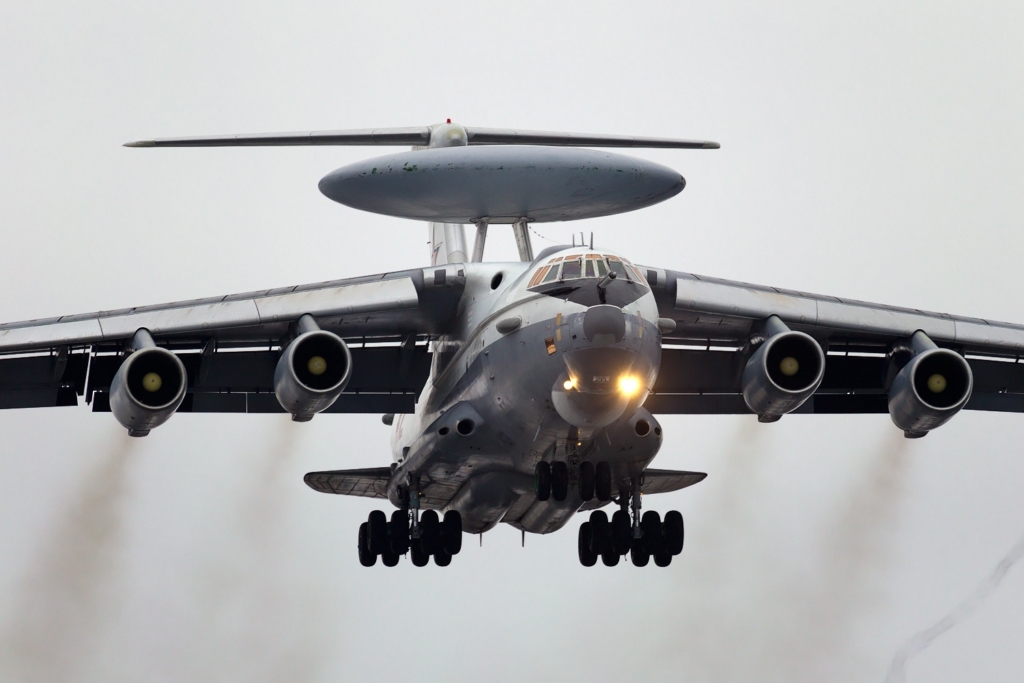
It is unclear how much Beriev is still using Taganrog as a functioning base. A successful Ukrainian strike has previously put a hole in the large aircraft repair hangar, although it was not possible to know if there was an aircraft (e.g., valuable A-50U) inside at the time.
Get the latest aerospace defence news here on AGN.
The use of decoys in Ukraine and Russia
Russia does not have a dedicated boneyard like the US’s Davis-Monthan Air Force Base (AMARG). Bussian airbases like Taganrog and Lipetsk are full of retired, stored, and derelict aircraft. These aircraft can be towed around the base to make them appear functional and absorb strikes as decoys.
Inflatable decoy of the F-16 fighter with the Ukrainian symbols at the DALO Industry Days in Denmark. pic.twitter.com/bGVevSyadn
— Special Kherson Cat 🐈🇺🇦 (@bayraktar_1love) August 22, 2024
Both Ukraine and Russia are extensively using decoys to protect their aircraft. Measures include putting tyres on the aircraft, painting aircraft on the tarmac, deploying inflatable aircraft decoys, building convincing wooden decoys, and using old retired airframes.
The latter two methods are much more convincing and pose a problem for OSINT accounts in counting how many aircraft have really been destroyed on the ground.
This weekend also marked a year since Ukraine’s successful Operation Spider Web that destroyed or damaged up to 20% of Russia’s operational strategic bomber fleet.
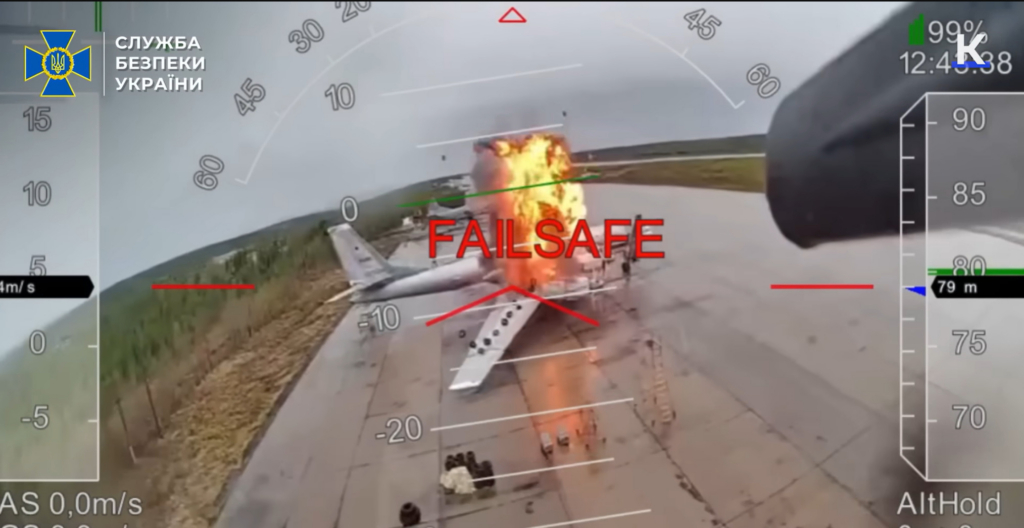
In that attack, it was often difficult to separate operational airframes from derelict ones. Some were obviously operational as they were fueled and armed; others were obviously not, as they were missing engines.
Featured image: Wikimedia Commons
Sign up for our newsletter and get our latest content in your inbox.


More from

October 4, 20264 min read


October 3, 20267 min read


