


Why Soviet transport aircraft have glass noses

7 min read

One of the most distinctive features of many Soviet-era transport aircraft is the glass nose, or more accurately, the glazed navigator’s position in the lower nose.
To modern eyes, it looks like something from a Second World War bomber. Yet aircraft such as the Ilyushin Il-76 and Antonov An-12 kept the feature long after Western military transports had moved on.
So why did Soviet transport aircraft have glass noses?
The short answer is that the glass nose gave the navigator a direct view of the ground. On large Soviet transport aircraft, that mattered for visual navigation, identifying landmarks, lining up approaches to remote or poorly equipped airfields, and helping with precision airdrops.
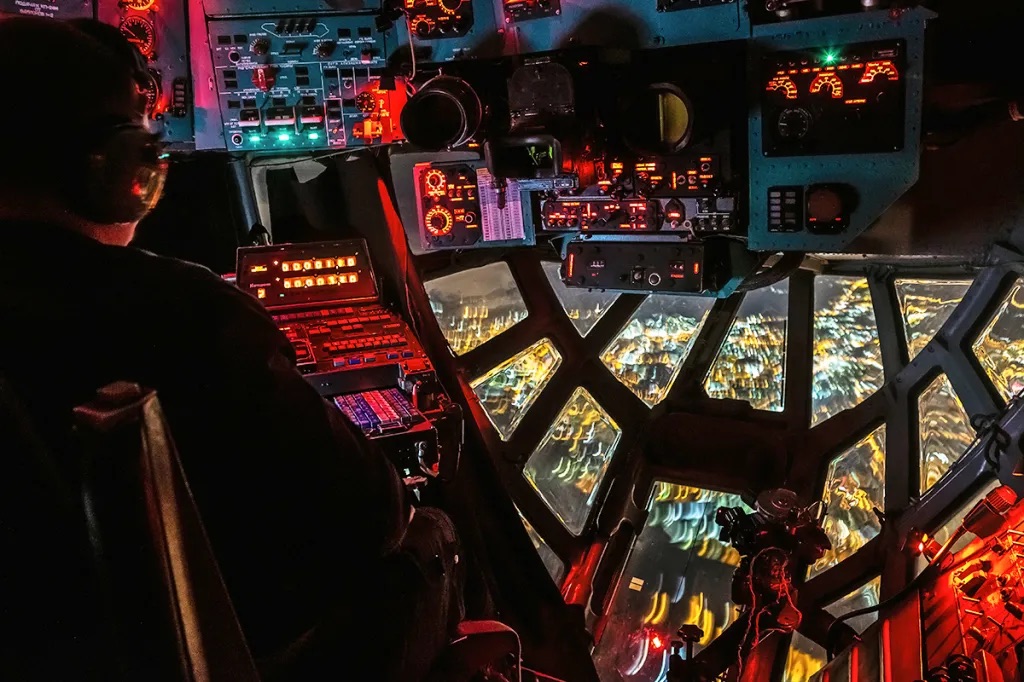
It was not simply an aesthetic hangover from wartime bombers. It reflected how Soviet aircraft were expected to operate: across vast territory, into austere airfields, in Arctic conditions, and often in military roles where crews could not always rely on modern navigation aids or well-developed ground infrastructure.
The glass nose also provided a degree of redundancy. If navigation systems were degraded, unavailable or jammed, the navigator still had a literal window on the world below.
That is why even the modernised Il-76MD-90A, currently in production, still retains its distinctive glazed chin.
Glass noses were common on Second World War bombers
Glazed noses were not unique to Soviet aircraft.
During the Second World War, various British, German and American bombers used glass nose sections. Aircraft such as the Avro Lancaster, Heinkel He 111 and Boeing B-29 included glazed areas to give crew members, particularly navigators and bombardiers, a better view outside the aircraft.
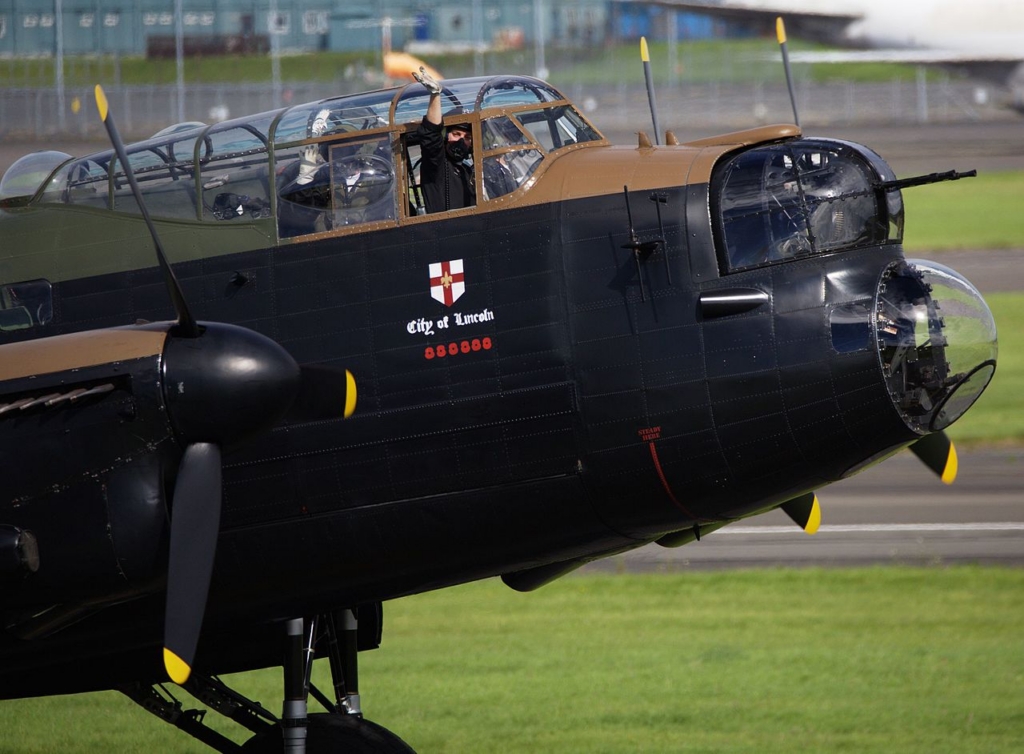
Anglo-American designs soon moved on, thanks to improvements in radar, electro-optical systems, avionics, and other developments that rendered human visual observation redundant.
For example, the famous B-52 Superfortress’s development started in the 1940s and first flew in 1952. It lacked a glass nose from the beginning, with the valuable space used for other equipment like radars.
Later Western transport aircraft like the C-130 Hercules, C-5 Galaxy, and C-141 Starlifter were never designed with glass noses.
Why Soviet aircraft kept the glass nose for longer
The Soviet Union did not retain glazed noses just because it was copying old bomber layouts. There was a legacy element, but there were also practical and doctrinal reasons.
Soviet aircraft were designed for a very different operating environment. They had to cover enormous distances across the USSR, serve remote regions, operate in harsh weather and use airfields that were often far less developed than major Western military or civil bases.
In those conditions, a navigator with direct visual access to the ground could still be useful.

The Soviets were also slower than the West in some areas of avionics, computers, digital navigation, sensor fusion and miniaturised electronics. That does not mean Soviet aerospace was backwards across the board. Far from it. The USSR produced advanced missiles, unusual aerodynamic designs, ekranoplans, heavy-lift helicopters and a wide range of robust military aircraft.
There were also doctrinal and practical reasons for the Soviets to retain glass noses. Many Soviet locations are remote with austere airfields and Arctic conditions. It was considered necessary for navigators to see the ground more clearly.
But in aircraft systems and cockpit automation, Soviet designers often relied more heavily on crew roles that Western aircraft gradually reduced or removed.
The glass nose fitted that philosophy. Instead of replacing the navigator’s visual role entirely, many Soviet aircraft preserved it.
Soviet civil aircraft sometimes had military logic built in
The glazed nose was not limited to military transports and bombers.
Some Soviet commercial aircraft also used the feature, including the Tu-114 and Tu-116, which were derived from the Tu-95 bomber, and early versions of the Tu-134 airliner.
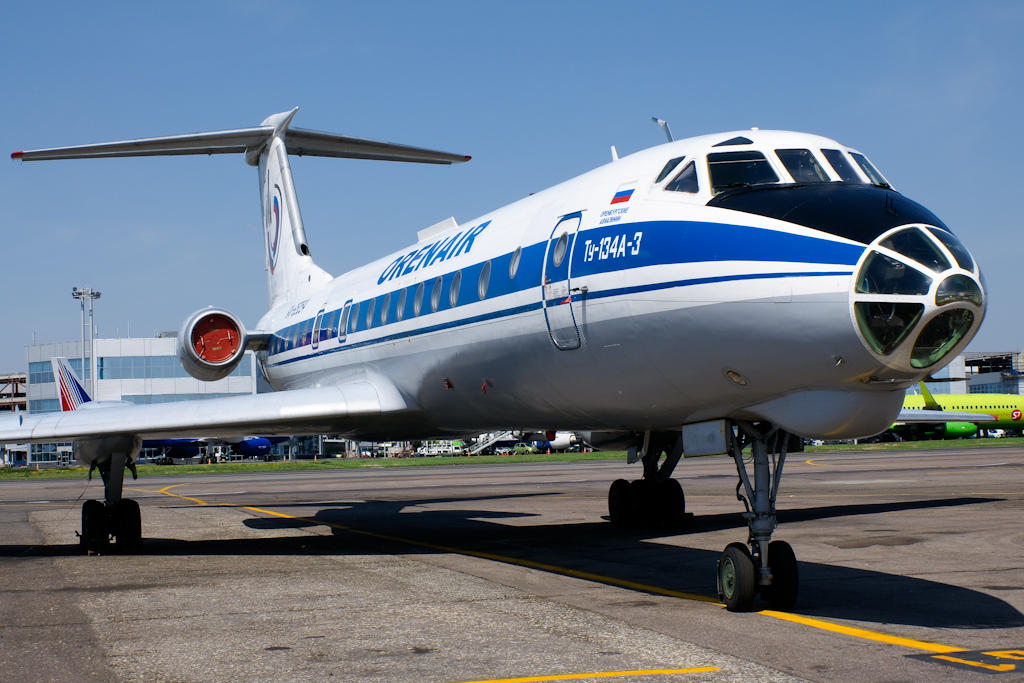
That makes more sense when seen in the context of Soviet aviation. Aeroflot was not just a normal airline in the Western sense. It was the USSR’s vast state aviation system, and its aircraft could have military or state utility beyond normal passenger service.
Soviet civil aircraft were often designed with ruggedness and dual-use thinking in mind. Strong landing gear, the ability to use less-developed airfields and military-adjacent features were part of the wider design culture.
So, yes, a glass nose on an airliner looks odd today. But in the Soviet system, the line between civil and military aviation was not always as neat as it was in the West.
Which Soviet aircraft had glass noses?
A wide range of Soviet aircraft used glazed nose or chin positions at some point.
Bombers such as the Tu-16, Tu-95 and early Tu-22 variants carried them. Several Antonov transports also used them, including aircraft from the An-8, An-12, An-22, An-24, An-26, An-30, An-32 and An-74 families.

Some aircraft later lost the feature as avionics improved or as new variants were developed. Updated Antonov types, later Tu-95MS bombers and upgraded Tu-22M aircraft moved away from the older glazed-nose arrangement.
But the feature remained strongly associated with Soviet transport design, particularly because of one aircraft: the Ilyushin Il-76.
Why the Il-76 still has its glass chin
Perhaps the most recognisable Soviet transport with a glazed nose is the Il-76.
The aircraft first flew in the 1970s and became one of the most important heavy transports in Soviet and later Russian service. It also formed the basis for specialist aircraft, including the Il-78 tanker and the A-50 airborne early warning and control aircraft.
What makes the Il-76 especially interesting is that the feature has survived into the latest production variant, the Il-76MD-90A.
This is not an untouched Cold War relic. The Il-76MD-90A has new PS-90A-76 engines, improved fuel efficiency, greater thrust, a strengthened wing, increased maximum take-off weight, improved payload capability, longer range and updated cockpit avionics.
And yet, there it is: the glass chin.

The reason is partly operational and partly practical. The navigator’s glazed position still supports direct visual observation of terrain, runways and drop zones, particularly in remote regions or during military transport operations. It can also be useful for airdrops and as a backup in degraded navigation environments.
There is also a simpler explanation: removing it would cost money.
Deleting the glazed navigator’s position would require a deeper redesign of the aircraft’s forward fuselage, crew layout and systems architecture. For Russia, modernising the Il-76 while retaining the basic nose configuration was likely a more practical trade-off than redesigning the aircraft around a completely new front end.
That is why the Il-76MD-90A can look both modernised and oddly old-fashioned at the same time.
The aircraft has new engines and avionics, but it still carries a design feature rooted in the Soviet expectation that a transport aircraft might need to find its way, line up and deliver cargo when modern infrastructure or navigation support could not be guaranteed.
The glass nose was useful enough to keep
The glass nose on Soviet transport aircraft was not just nostalgia, and it was not just a sign of technological backwardness.
It was a product of Soviet operating assumptions.
These aircraft were designed for huge distances, harsh climates, remote airfields, military logistics and a system that placed a strong emphasis on crewed navigation. The navigator needed to see the ground, and the aircraft was built around that requirement.
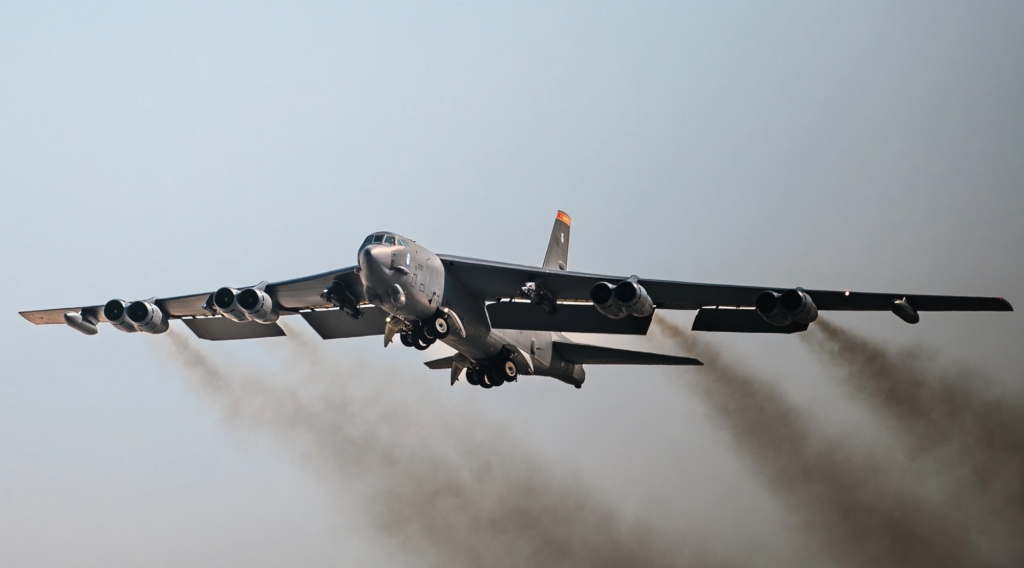
Western aircraft moved away from glazed noses as sensors, radar and navigation systems improved. Russian aircraft did too, in many cases.
But on aircraft such as the Il-76, the feature survived because it still had operational value, offered redundancy and would have been expensive to remove.
That is why one of the most modern Russian transport aircraft in production still carries a nose that looks, at first glance, like it belongs to a much older age of aviation.
Featured Image: Wikimedia Commons
Sign up for our newsletter and get our latest content in your inbox.


More from

October 4, 20264 min read


October 3, 20267 min read


