


Farewell AV-8B Harrier II ceremony to mark end of 40-year Marine Corps service

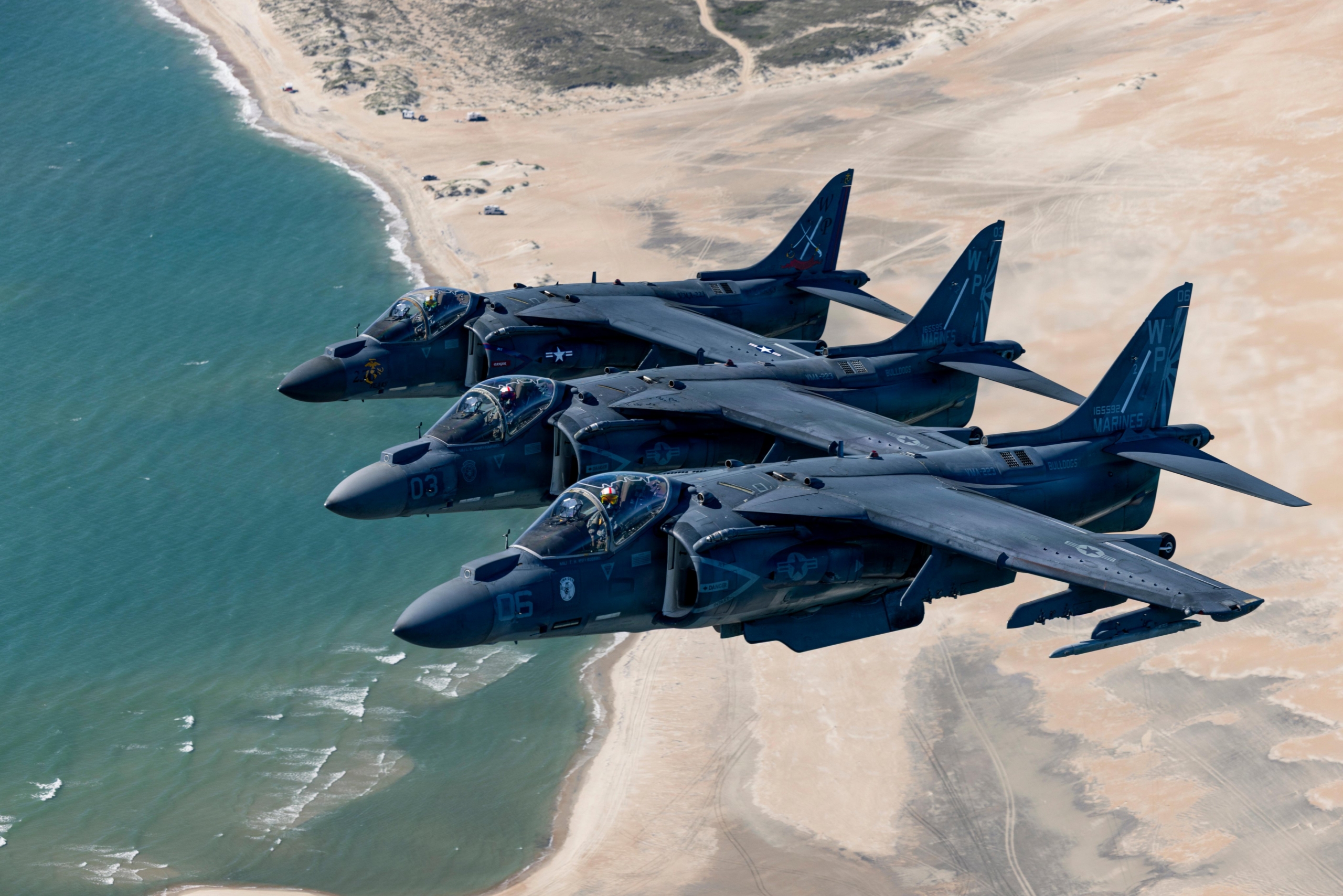
The Marine Corps AV-8B Harrier IIs are no longer combat active and are scheduled to perform their Sundown Ceremony next week as they retire and the Marines transition to F-35Bs.
Final AV-8B Harrier II ceremony to be on 3rd June
On the weekend, the Marine Corps posted, “The ‘sundown’ of the AV-8B Harrier II, an iconic aircraft that has supported joint and Marine Corps operations for over 40 years, also represents the dawn of a new era; it paves the way for 2nd MAW’s full transition to the F-35B and C Lightning II.”
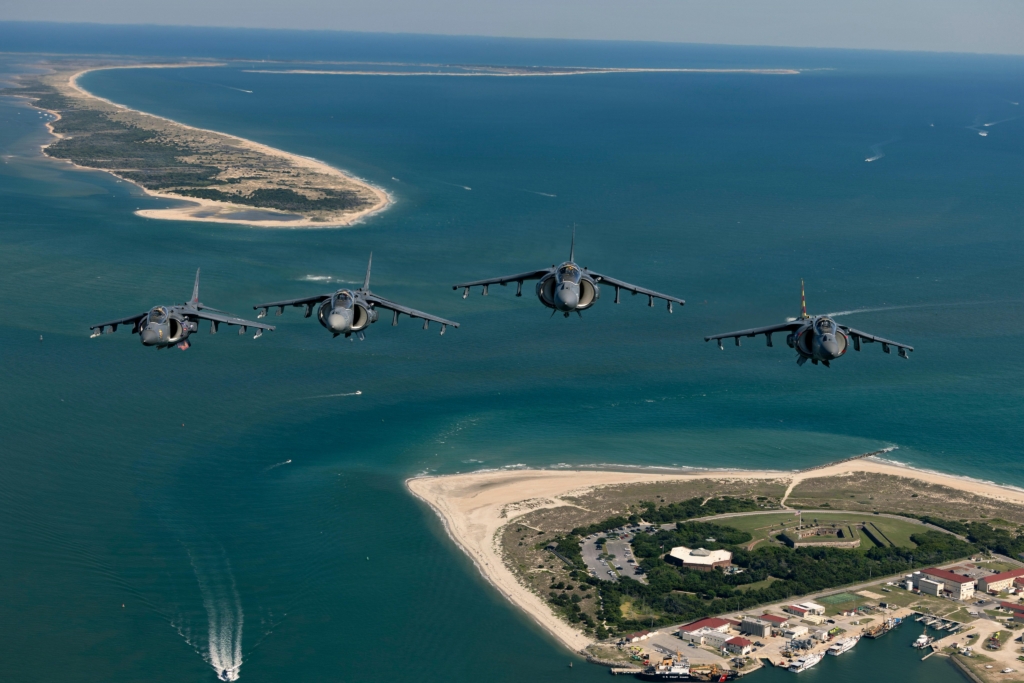
The final ceremonial official flight for the Harrier is now scheduled for the 3rd of June 2026 at Marine Corps Air Station Cherry Point in North Carolina. The final Harrier public events are expected to run from the first of June to the fourth.
It will include squadron open houses, flyover, and community events, with the official ceremony hosted by the 2nd Marine Aircraft Wing and Marine Attack Squadron 223 (VWA-223).
#MarineCorps AV-8B Harrier II aircraft with Marine Aircraft Group 14, 2nd Marine Aircraft Wing fly near the coast of North Carolina.
— U.S. Marines (@USMC) May 24, 2026
The “sundown” of the AV-8B Harrier II, an iconic aircraft that has supported joint and Marine Corps operations for over 40 years, also represents… pic.twitter.com/cb9Im8QwdO
Marines Corps released the Sundown Ceremony schedule today and said, “As Marine Corps Aviation continues the Tactical Aircraft (TACAIR) Transition Plan, the AV-8B Harrier II+ will reach the end of its planned service life in fiscal year 2026.”
Phase out of Harriers in Western navies
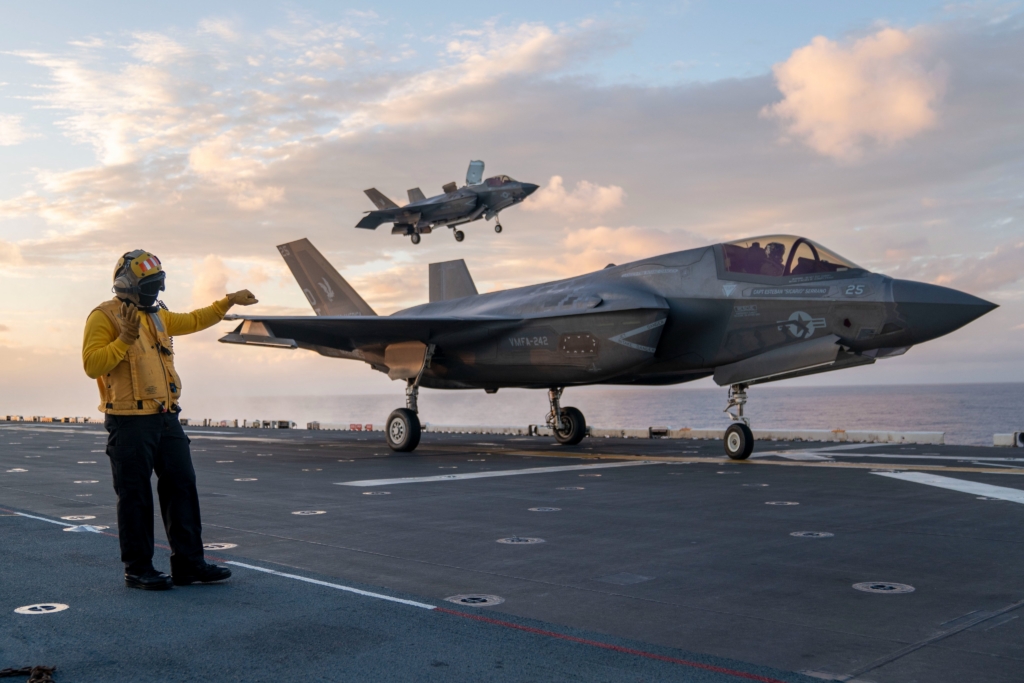
The Marines are now deep into their plans to acquire 420 F-35 fighter jets (280 F-35B and 140 F-35C). So far, the Marines have received around 240 F-35s, with the programme expected to be complete sometime in the 2030s.
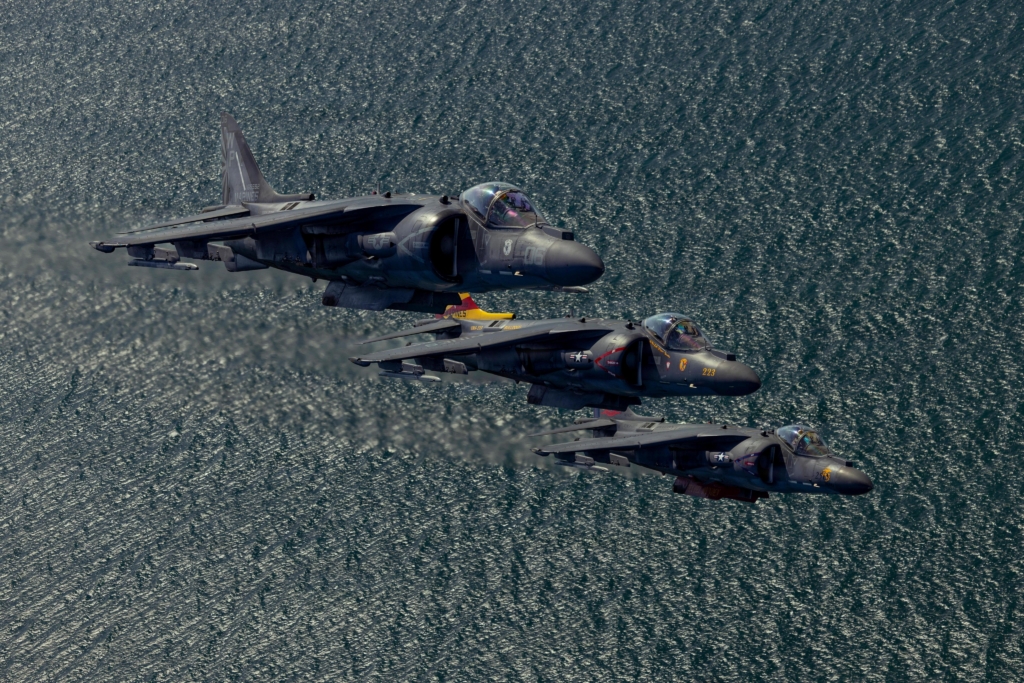
The US Marine Corps retirement follows the Royal Navy’s withdrawal of the Sea Harrier in 2006 and then full retirement of the Joint Force Harrier (GR9/GR7) with the RAF in 2010. The Harrier Jump Jet was made iconic in its performance in the 1982 Falklands War.
The British then sold 72 of these retired airframes to the US Marine Corps to sustain its fleet with spares. The Marines have kept their Harriers in service for 16 more years, but that is now ending. Next, the Marines will phase out the legacy Hornet and transition to an all-F-35 fleet.
The only Harriers remaining in combat service are now 15 or fewer examples in the Italian Navy (scheduled to retire by 2028) and around a dozen Harriers in the Spanish Navy.
Now that's just low! Ghostrider flyby, Royal Navy Sea Harrier style. Did you know the Sea Harrier boasts one of the best kill-to-loss ratios in military aviation history? During the 1982 Falklands War, it achieved an incredible 23:0 record against Argentine aircraft. pic.twitter.com/9bphTckREh
— Air Power (@RealAirPower1) February 21, 2025
The present somewhat American-sceptic Spanish government has rejected the F-35B, the only direct replacement of the Harrier. The Spanish are planning to operate their Harriers into the early 2030s.
Get the latest aerospace defence news here on AGN.
F-35B replacements & final Wasp LHD refit
The Marine Corps Harrier phase-out is tied to two major things. One is the delivery of replacement next-generation F-35Bs, and the other is the refitting of its Wasp-class amphibious assault ships to operate the F-35B.
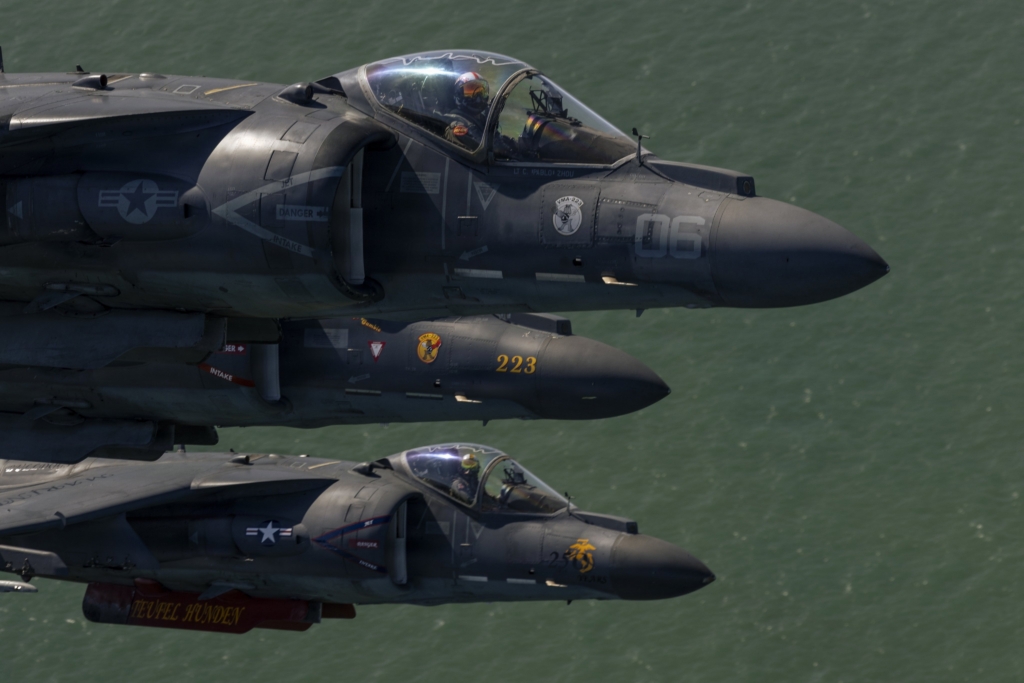
The final operational deployment of the Harrier was on the USS Iwo Jima (LHD-7) that took part in Operation Southern Spear, including the operation to snatch Venezuela’s Maduro.
The Iwo Jima is now completing her tour and is expected to head to Norfolk for a deep refit that’s expected to be completed in 2028. She is the final Marine Corps ship to be modified to carry the F-35B.
Four amphibious ships were built with F-35B capabilities: the USS Makin Island, USS America, USS Tripoli, and USS Bougainville. Three more have been retrofitted to operate them: the USS Wasp, USS Essex, and USS Boxer.
Meanwhile, the USS Kearsarge has emerged from her refit and is currently working up, and the USS Bataan is currently in refit. This leaves the USS Iwo Jima as the final vessel to be rotated through scheduled refits and emerge as an F-35B carrier.
Featured Image: Marine Corps


