


Soyuz-5: The rocket intended to reshape Russia’s medium-lift launch capability

5 min read
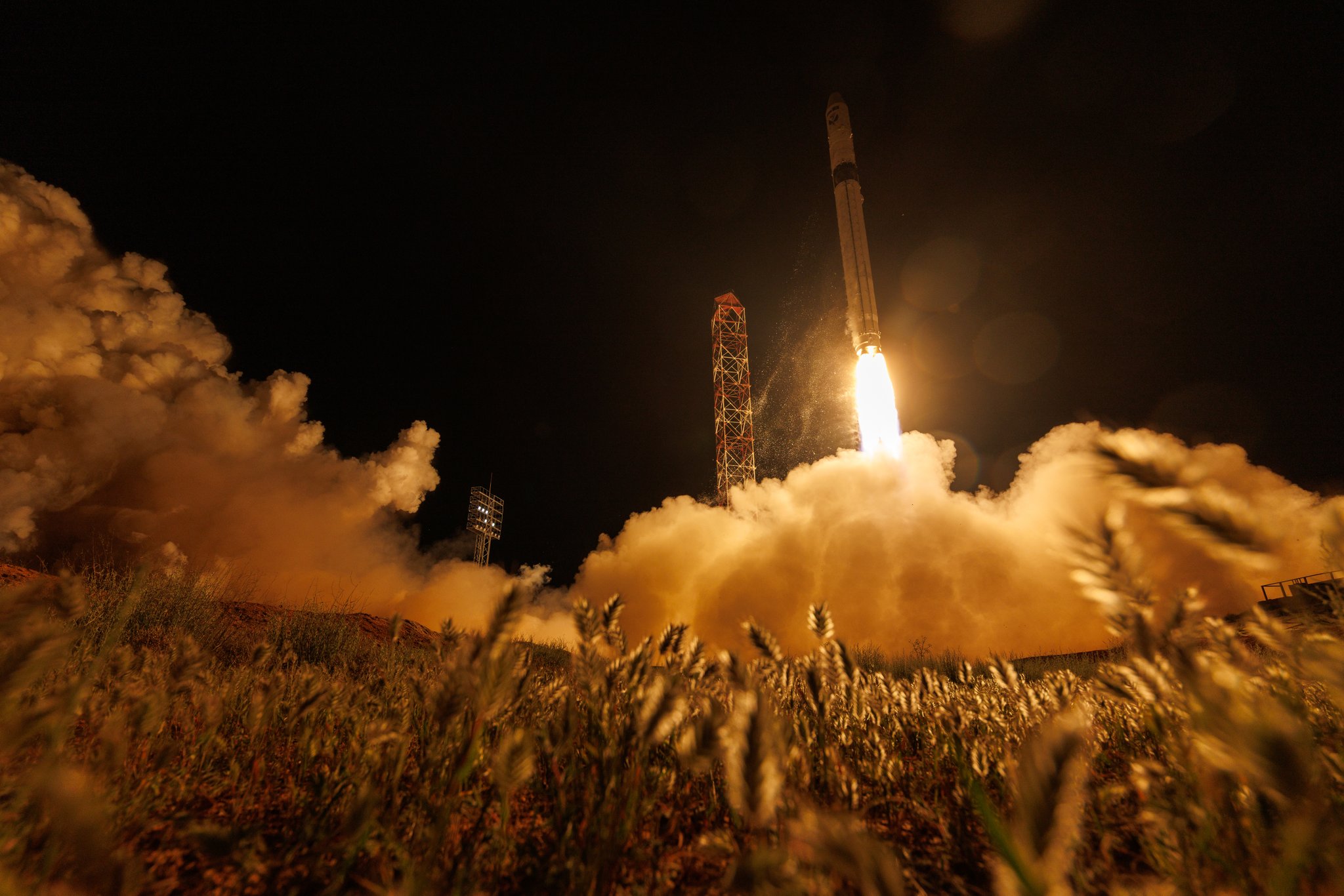
Russia has successfully conducted the first test launch of its new Soyuz-5 rocket, marking a fresh chapter in the evolution of one of the world’s longest-running spaceflight programmes.
The rocket lifted off from the Baikonur Cosmodrome in Kazakhstan during a maiden suborbital test mission in which both stages performed as planned, according to Russian officials.
The flight carried a mass simulator payload and followed a pre-determined trajectory before re-entering over a designated area, allowing engineers to validate key systems without attempting orbit.
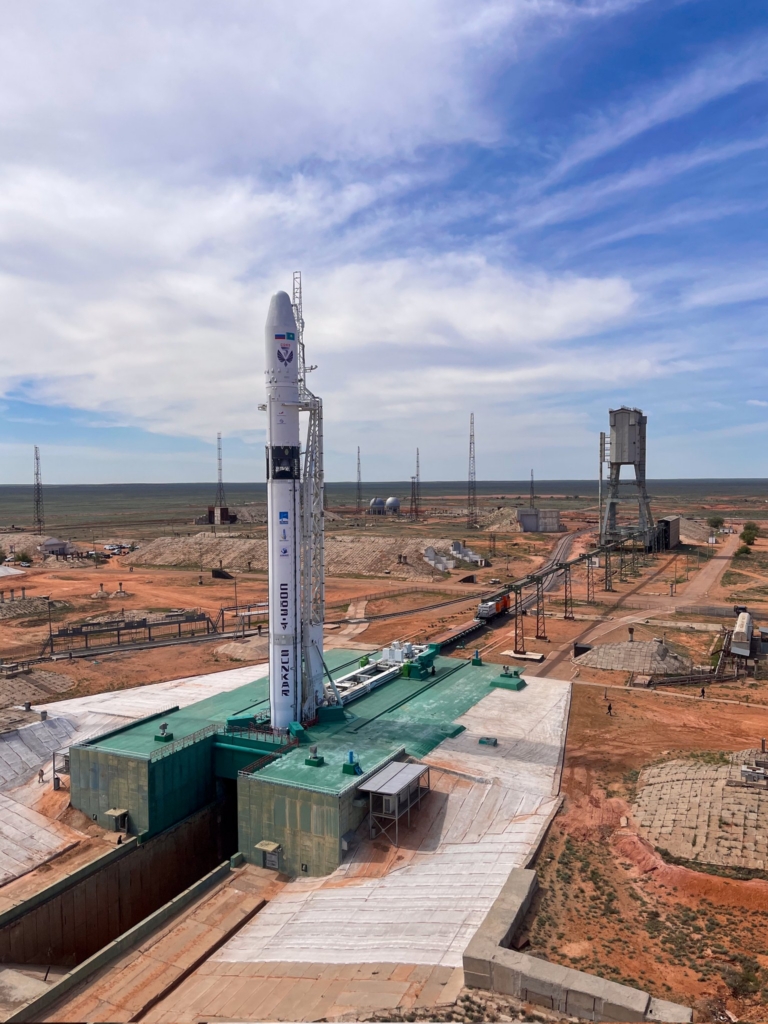
🚀 On April 30, #Russia launched its new-generation Soyuz-5 medium-lift rocket from #Baikonur Cosmodrome’s Site 45.
— Russia 🇷🇺 (@Russia) April 30, 2026
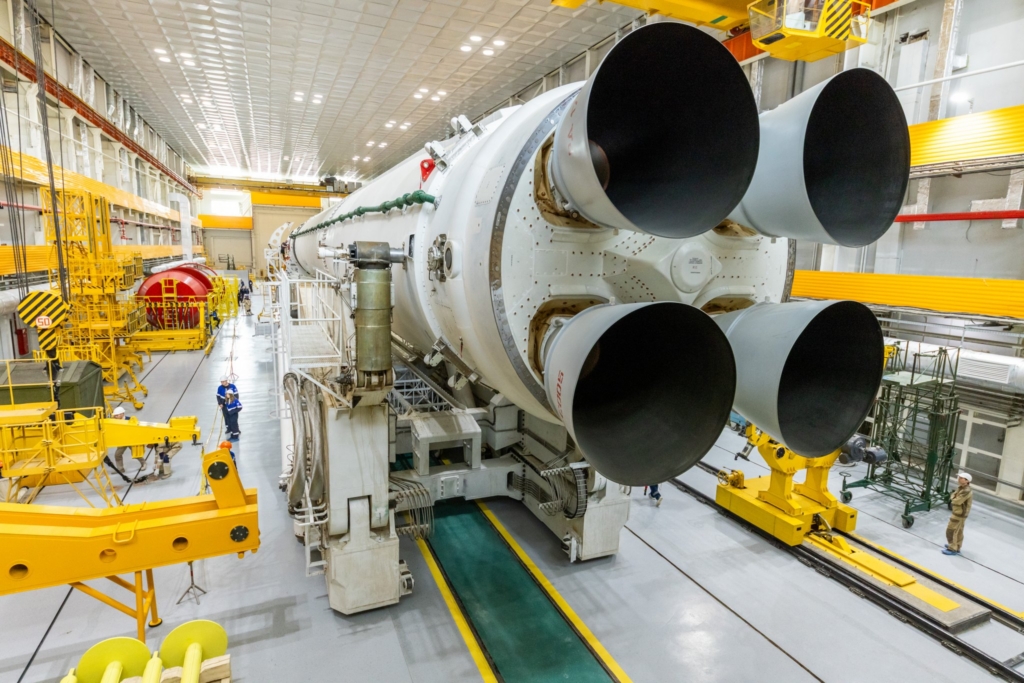
Powered by the world’s most powerful liquid-fuel rocket engine, it marks the first flight test of Russia’s next gen carrier rocket.
✊ #GO @Roscosmos! pic.twitter.com/I5lklMS2L9
Russia’s Soyuz-5 rocket aims to modernise medium-lift launch capability
Soyuz-5 is designed as a medium-lift launch vehicle capable of carrying payloads of up to 17 metric tonnes to low Earth orbit, offering improved efficiency over earlier Russian launch systems.
The rocket is expected to support satellite deployment missions while forming part of a broader effort to modernise Russia’s launch infrastructure.
Development of Soyuz-5 began in the late 2010s as a replacement for the ageing Zenit rocket family, which relied heavily on Ukrainian industrial cooperation before relations between the two countries collapsed.
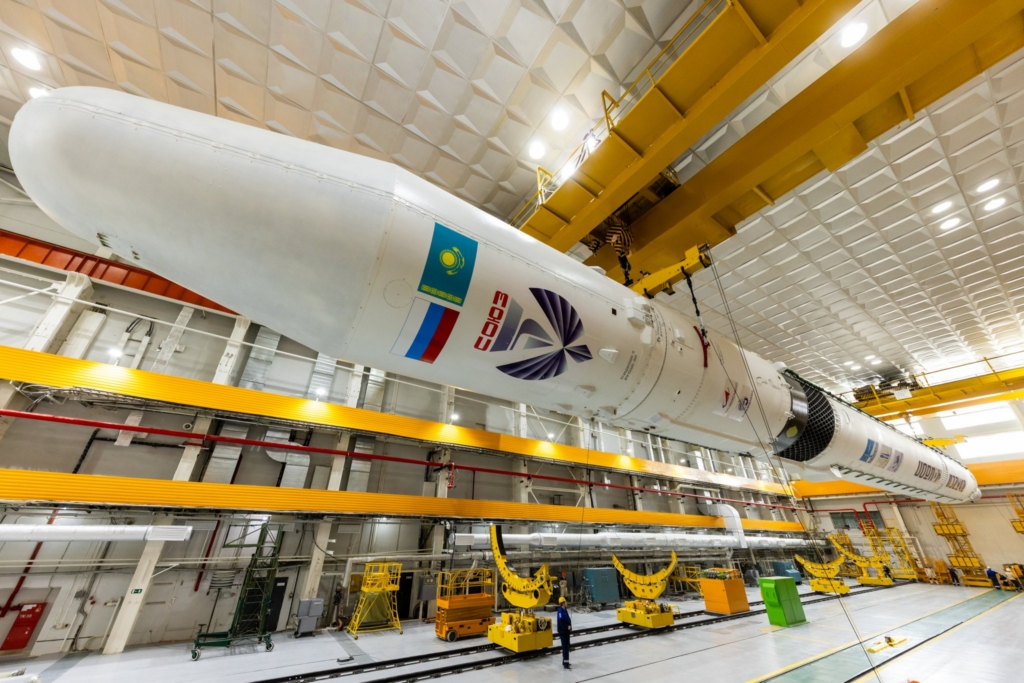
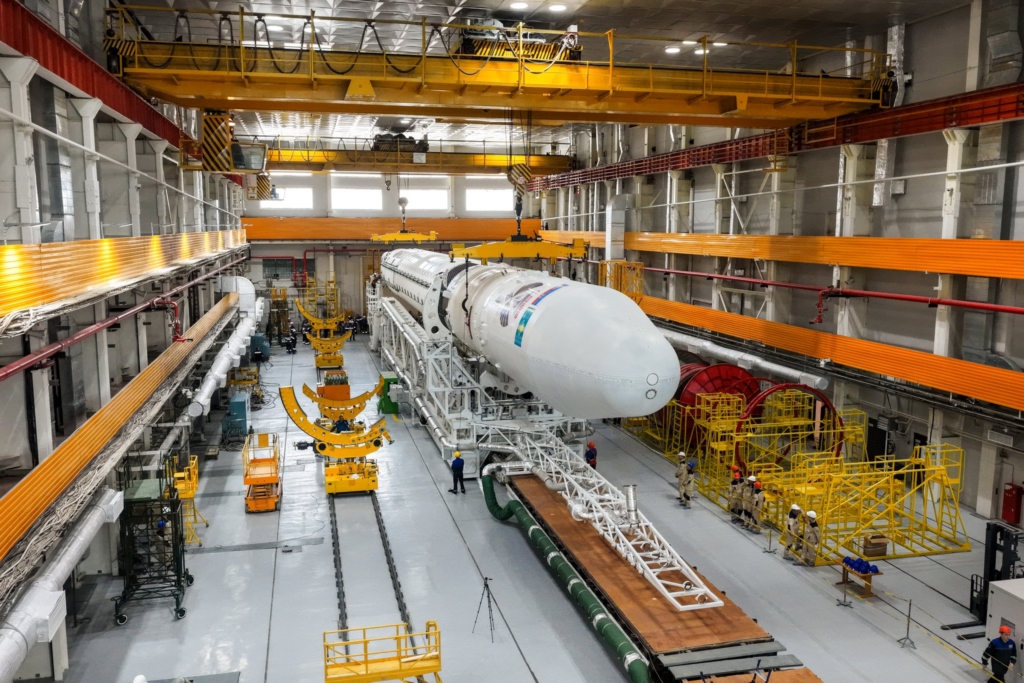
The vehicle is also intended to serve as a building block for future heavy-lift launch concepts and wider lunar ambitions outlined by Roscosmos.
Its maiden flight, following multiple delays and revised launch schedules, focused on validating propulsion, stage separation and flight control systems.
Detailed mission data released after the launch showed the first stage operated for just under three minutes before separation, with the second stage continuing along a controlled trajectory before engine cutoff and descent, completing a suborbital profile.
Soyuz-5: Developed to replace ageing Zenit-class launch systems
Soyuz-5 occupies an important position within Russia’s future launch plans, particularly as the country seeks greater independence across its domestic space industry.
The rocket uses the RD-171MV engine, an updated derivative of a Soviet-era design originally developed for the Energia programme and later used on Zenit launch vehicles.
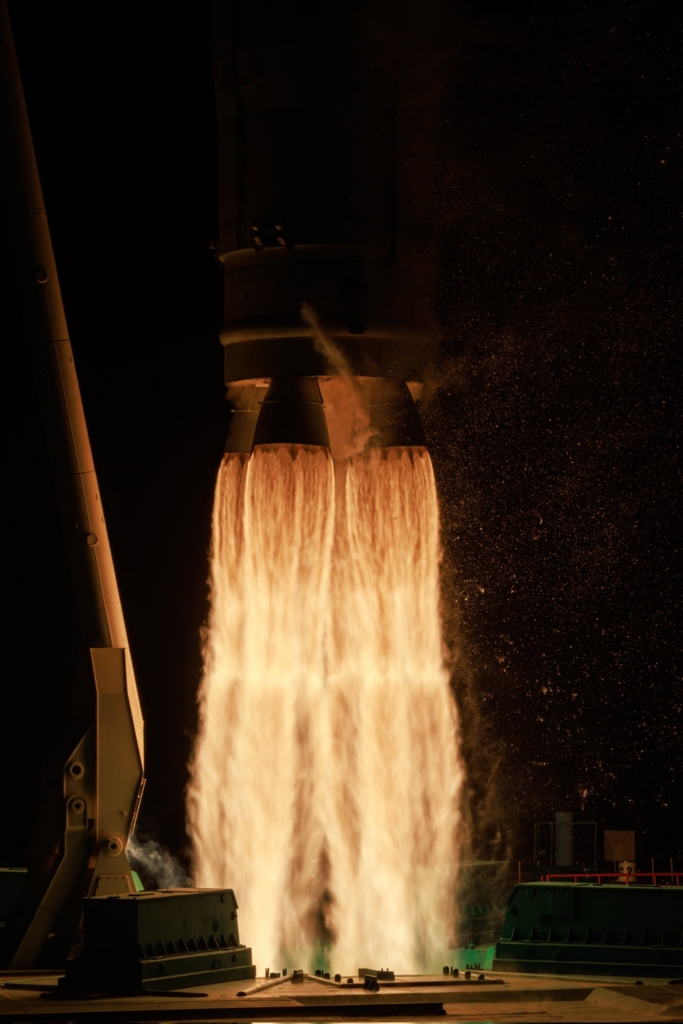
Roscosmos has described the engine as the most powerful liquid-fuelled rocket engine currently in production.
Unlike Russia’s lighter Soyuz-2 family or the heavier Angara launch system, Soyuz-5 is intended to fill the medium-lift segment for both government and commercial missions.
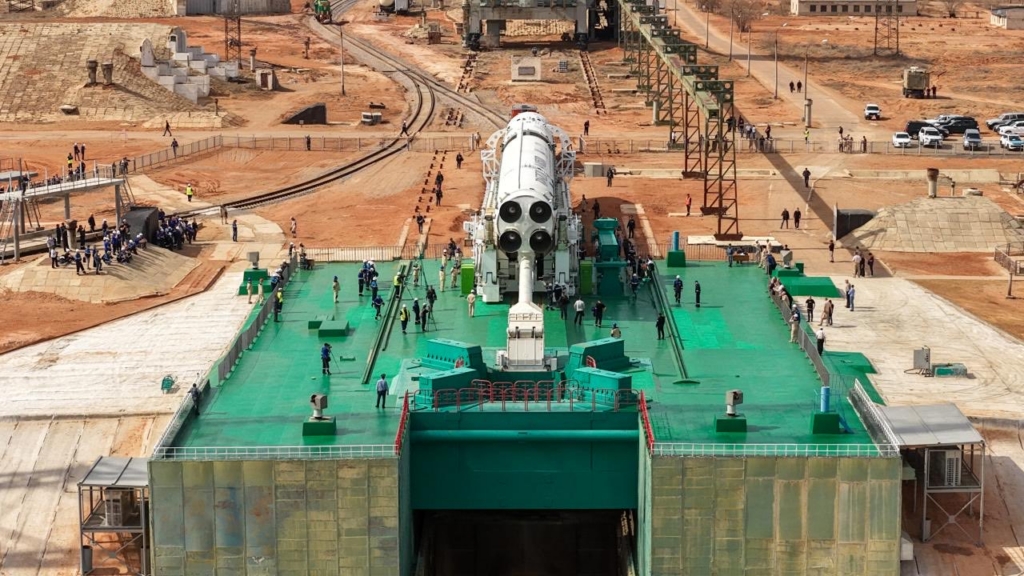
The programme has also become closely tied to the Baiterek space complex project at Baikonur Cosmodrome, a joint Russian-Kazakh initiative intended to modernise existing launch infrastructure for the new rocket.
Soyuz programme remains one of spaceflight’s longest-running systems
The significance of Soyuz-5 lies not just in its performance but in the legacy it extends.
The Soyuz programme, first conceived in the early 1960s, remains the longest continuously operational human spaceflight system.
Since its first crewed flight in 1967, Soyuz spacecraft and launch vehicles have supported missions to the Salyut and Mir space stations before later becoming central to operations aboard the International Space Station.
For years following the retirement of NASA’s Space Shuttle fleet, Soyuz spacecraft provided the only operational means of transporting crews to and from the ISS.
Over time, the system has built a reputation for reliability, with more than 1,600 launches carried out across both crewed and uncrewed missions.
The spacecraft itself follows a distinctive three-module architecture consisting of orbital, descent and service modules, each serving a specific operational role.
Despite its relatively compact size, the Soyuz spacecraft can carry up to three crew members and has been continuously upgraded over decades, evolving into the current Soyuz MS variant with improved avionics and power systems.
Soyuz-5 retains traditional Russian launch philosophy over reusability
Soyuz-5 reflects a shift towards updated launch capability while still retaining elements of the design philosophy that has underpinned the programme’s longevity.
The rocket remains fully expendable, prioritising reliability, operational familiarity and cost control over reusable launch strategies pursued elsewhere in the global market.
Russian officials have positioned Soyuz-5 as a key part of the country’s future launch portfolio as international competition in commercial launch services continues to intensify.
The programme has also faced repeated delays, reflecting the wider technical and financial pressures affecting Russia’s space sector in recent years.
Successful maiden flight clears path for further Soyuz-5 testing
The maiden mission was structured primarily as a systems validation exercise, with both stages operating nominally and the payload simulator reaching its planned trajectory before re-entry.
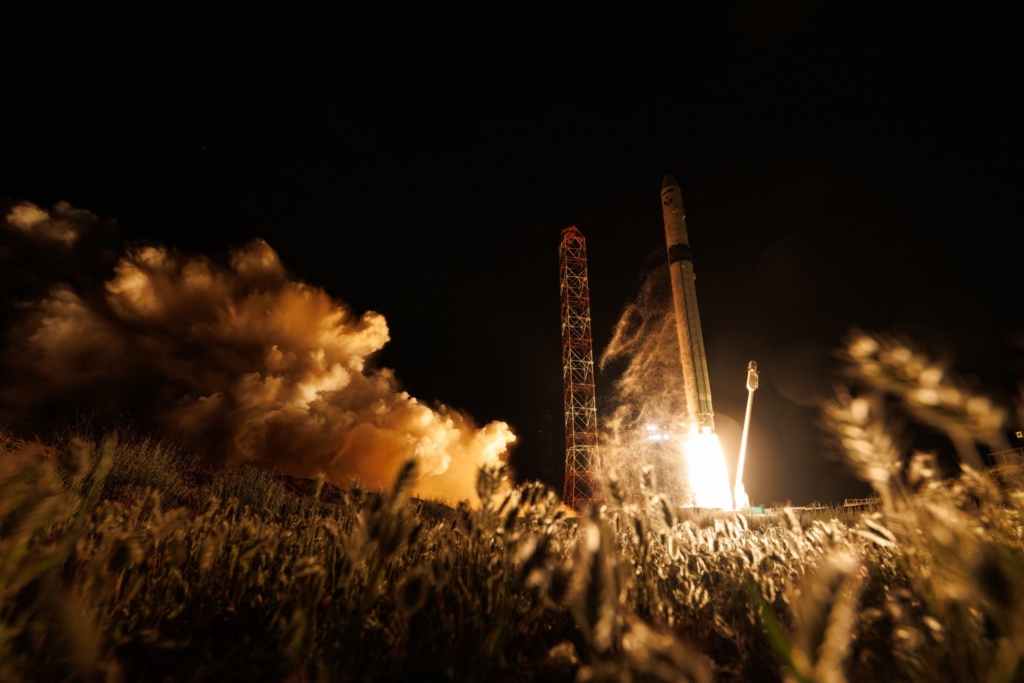
With the first test now completed, Soyuz-5 is expected to progress through additional launch campaigns before entering regular operational service.
The rocket is likely to play a significant role in future Russian launch operations, particularly within the medium-lift market segment currently occupied by ageing Soviet-derived systems.
Soyuz-5 extends a launch lineage dating back to the Soviet era
The debut of Soyuz-5 underlines a broader pattern that has defined the Soyuz programme for decades: continuous evolution built on a stable technical foundation.
From early Cold War-era human spaceflight missions to current orbital operations, the Soyuz family has repeatedly adapted to changing technological and operational requirements while maintaining much of its original design philosophy.
In that sense, Soyuz-5 represents less of a clean-sheet departure and more the latest evolution of a launch lineage that has remained central to Russian space operations for more than half a century.
Featured image: Roscosmos
Sign up for our newsletter and get our latest content in your inbox.


More from


October 25, 20266 min read

October 25, 20265 min read


