Israel to buy 50 more F-35s and F-15EXs in major fleet expansion

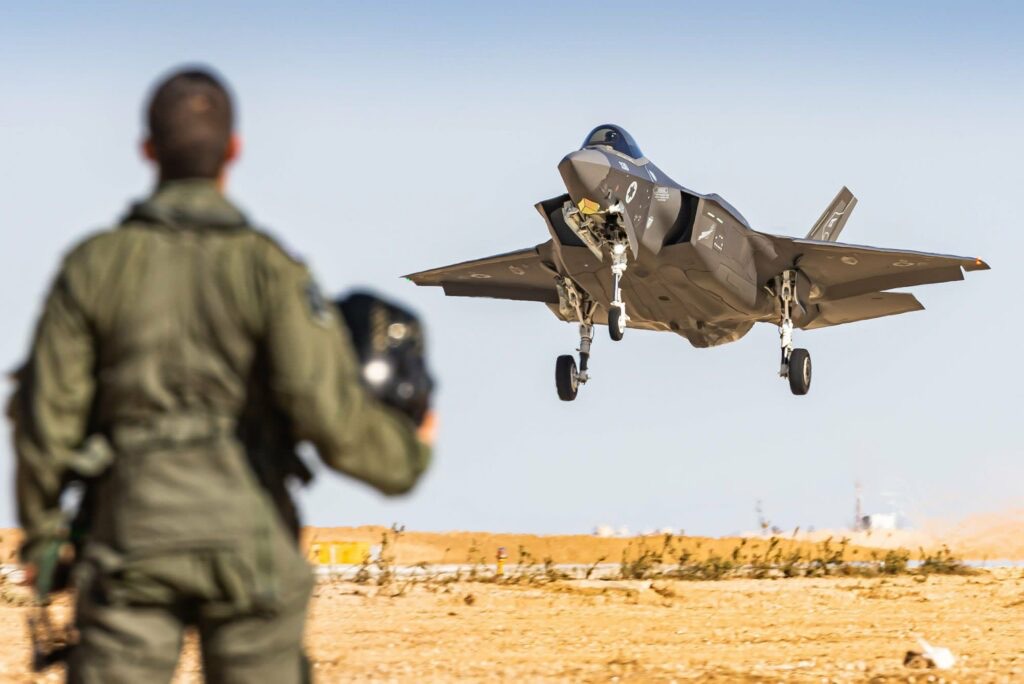
Israel is to purchase another 25 F-35As (F-35I in Israeli service) and 25 F-15EXs (F-15IA in Israeli service) to bring the total fighter jet fleet on order to around 100 fighter jets.
Israel to order 50 more F-35/F-15EXs
Israel has announced plans to purchase another two squadrons of the world’s most advanced fighter jets. These include an extra 25 F-35s and another 25 F-15EX.
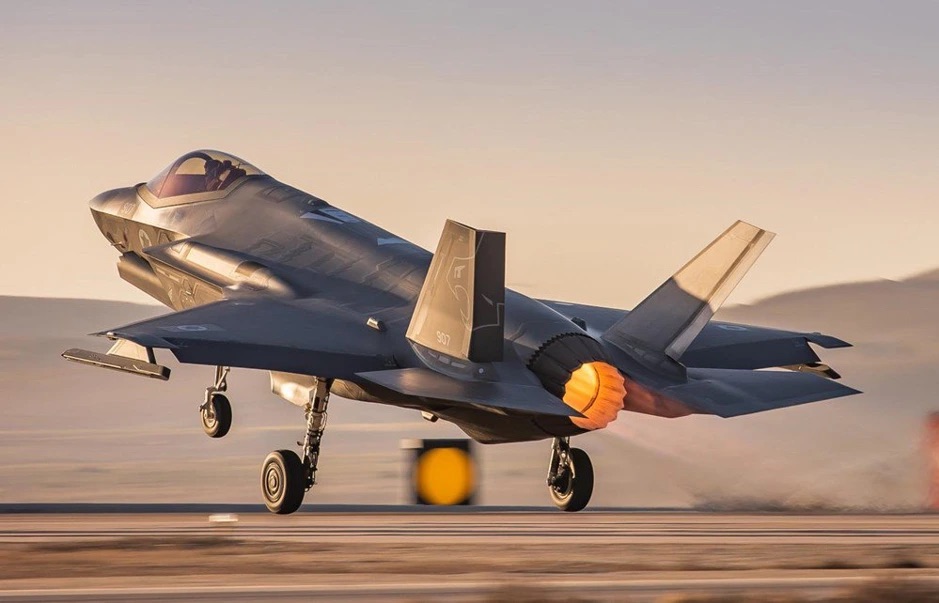
The Israeli Ministerial Committee for Acquisitions approved a Defense Ministry and IDF plan to purchase the jets.
This will eventually allow Israel to bring its F-35 fleet to 100 examples and its F-15EX fleet to 50. Israel has received a total of 48 of the 50 F-35s initially ordered. The remaining two are expected to arrive this summer.
Despite numerous Iranian and other claims, there is no credible evidence that Israel has lost any F-35s in the air campaign or suffered losses in the successful Iranian strikes on its air bases.
Israel ordered another 25 F-35s in 2023, with deliveries to begin in 2027. The fleet of 25 F-15EXs was approved in November 2024 with deliveries commencing in 2031. Israel has ordered 100 advanced fighter jets in the last few years.
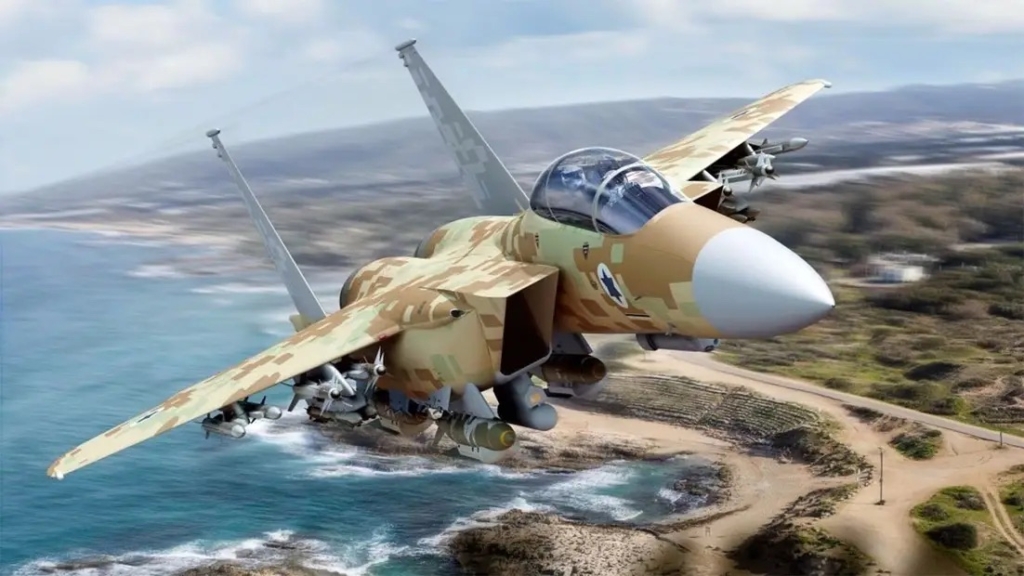
The Israeli technology news site CTech wrote that the purchase “could place the Israeli Air Force on an unprecedented expansion trajectory, with the accelerated absorption of dozens of aircraft and the development of extensive supporting infrastructure.”
This comes in the wake of the 40-day American/Israeli air campaign over Iran. And “…just ahead of a critical deadline. Under agreements with Boeing and Lockheed Martin, Israel held options to expand previous orders at fixed pricing until early June.”
Get the latest aerospace defence news here on AGN.
Israel to have one of world’s biggest F-35 fleets
A fleet of 100 F-35s will make Israel one of the top export operators of the jet. Only the UK (138) and Japan (147) have programmes of record greater, although many of these remain unordered and unfunded.

It remains unclear if the UK will purchase more than 72 jets (it has only ordered 48 so far). Meanwhile, Australia has a programme of record for 100 F-35As but appears to have stopped at 72. Italy increased its order to 90.
The F-15 is not a stealth aircraft, but it is able to carry heavy payloads, and it works well when paired with the stealthy F-35. The US Air Force is pursuing a similar strategy and has a programme of record to purchase 1,763 F-35As, while also now planning to double its F-15EX procurement to 267 jets.
Israel’s fighter jet purchases is funded with US assistance
The main reasons why Israel is able to afford operating such a large fleet of expensive fighter jets are a mixture of geostrategic imperatives and US funding. Israel is a country of around 10 million people with a nominal GDP similar to Belgium or Austria.
🇺🇸🇮🇱 CNN: The State Department notified Congress last night that they are releasing the additional $3.5 billion in Foreign Military Financing for Israel that was appropriated by the National Security Supplemental in April.
— Colby Badhwar (@ColbyBadhwar) August 9, 2024
We might see a formal notification on the F-15EX… pic.twitter.com/2TUHRUj7XJ
Israel’s third squadron of 25 F-35s ordered in 2023 cost $3 billion, but was covered by US security assistance. CTech says the latest F-35 order will have similar pricing.
Each F-15 squadron is estimated to cost around $5 billion (or $8.6 billion, depending on how the package is accounted). The first 25 examples are also being financed by US military aid.
For now, it remains unclear if Israel is financing the latest 50 fighter jets by itself or with US military aid. Israel also benefits from favourable production slots, meaning it doesn’t have to go to the back of the long backlog queue for new jets.
The US has a memorandum of understanding (MOU) to provide a baseline of $3.8 billion in annual security assistance to Israel, including $500 million for missile defence through 2028.
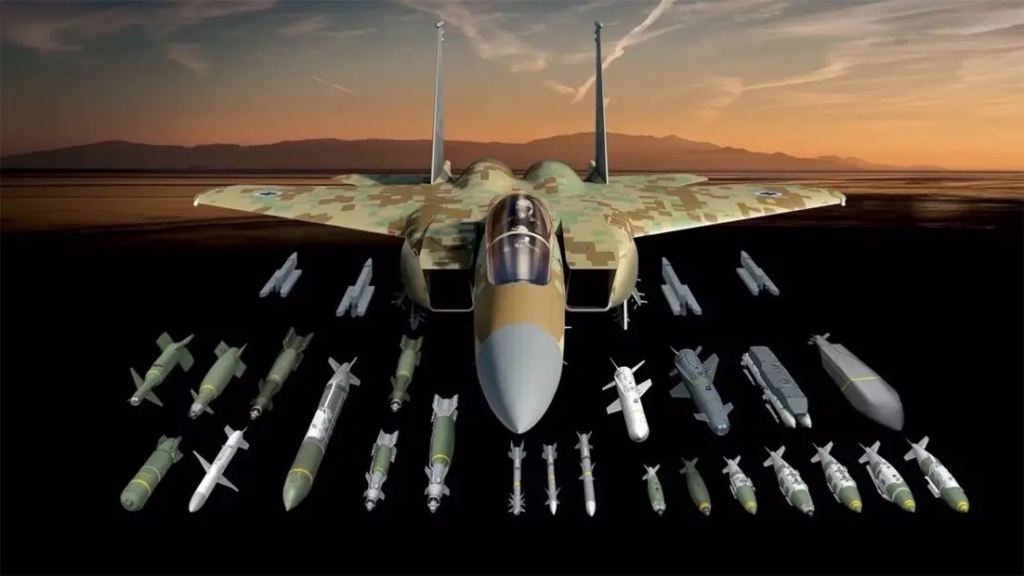
Israel and the US are about to start negotiating over a new framework to operate until 2038, when Israel is expected to fully transition away from US-funded procurement.
Featured Image: IDF