VistaJet is building the world’s largest Global 8000 fleet without buying a single new jet

3 min read
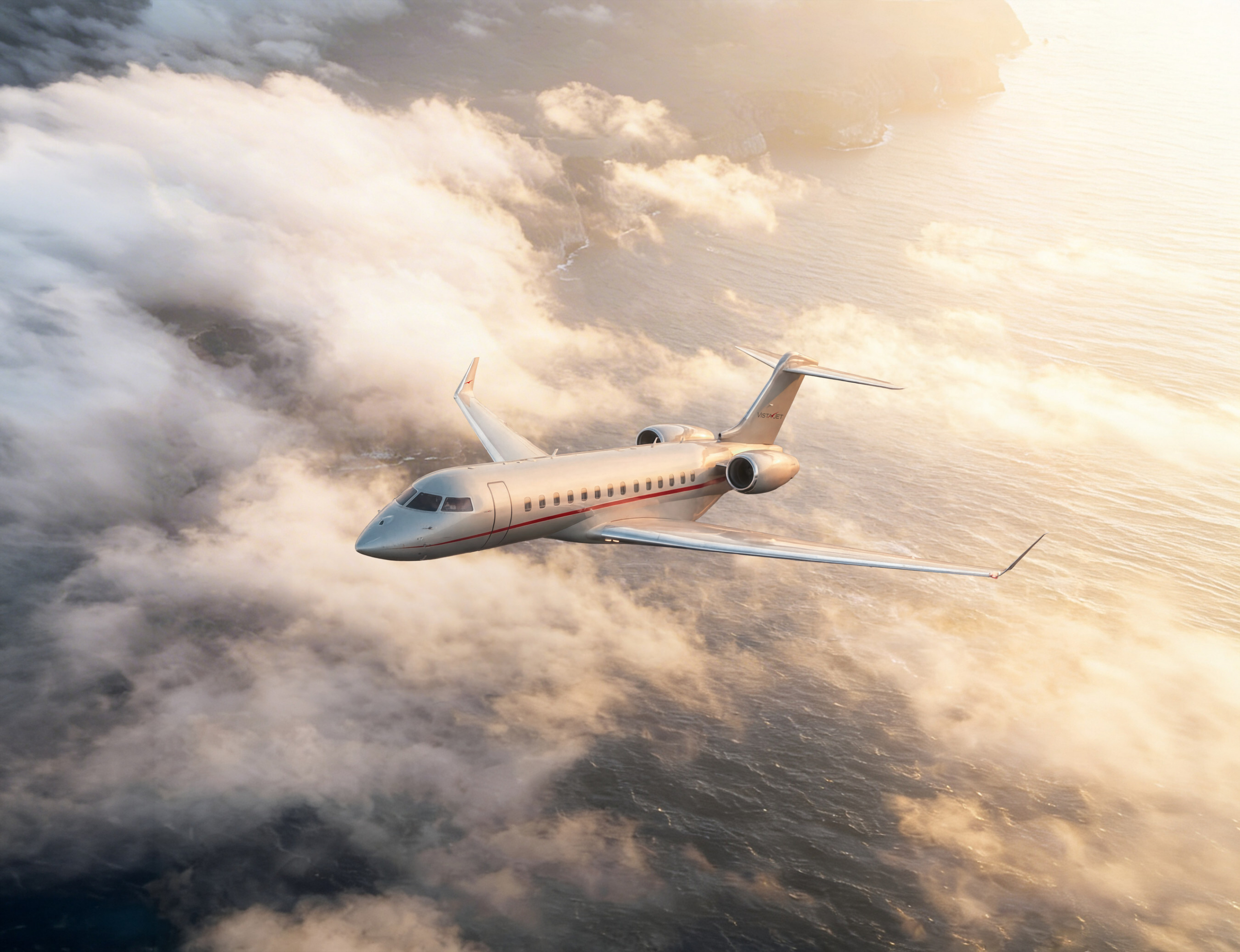
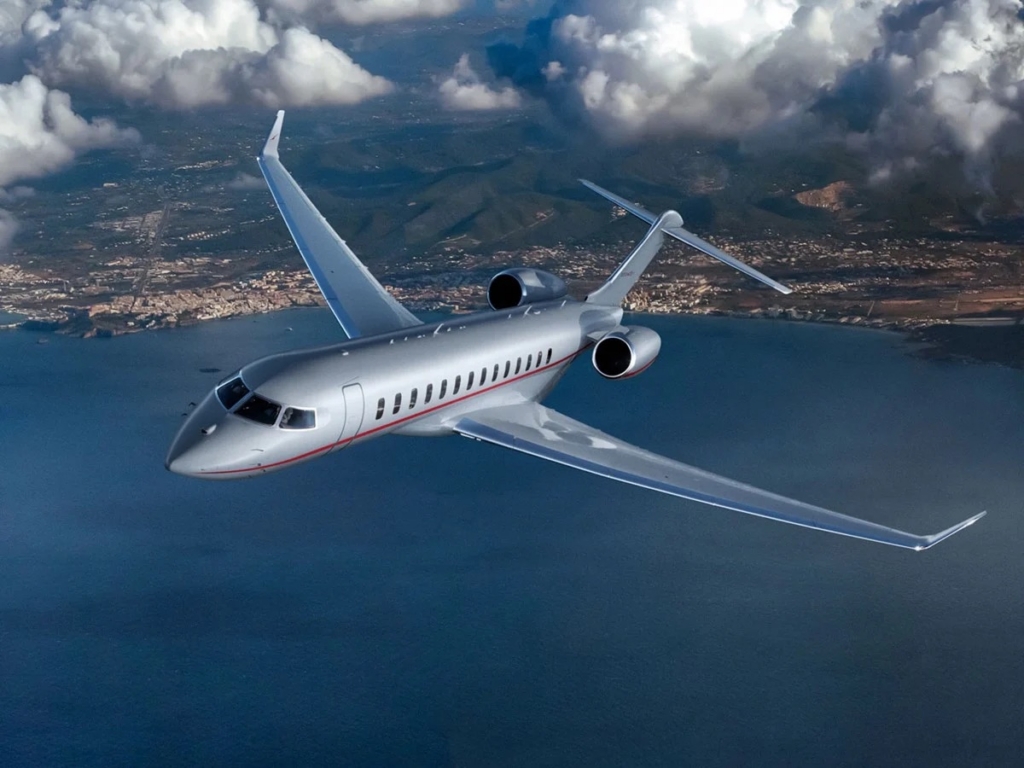
VistaJet has today welcomed its first Bombardier Global 8000 to its fleet. But this was no new aircraft delivery; rather, it marks the start of a huge upgrade programme that will see Vista converting all 18 of its Global 7500s to the 8000 standard.
The company says it is working on upgrading two aircraft a month through 2026, with the whole fleet expected to be Global 8000 standard by the end of the year.
“These developments mark another important milestone in Vista’s ongoing commitment to operating the most advanced fleet in private aviation,” said Thomas Flohr, Founder and Chairman of Vista.
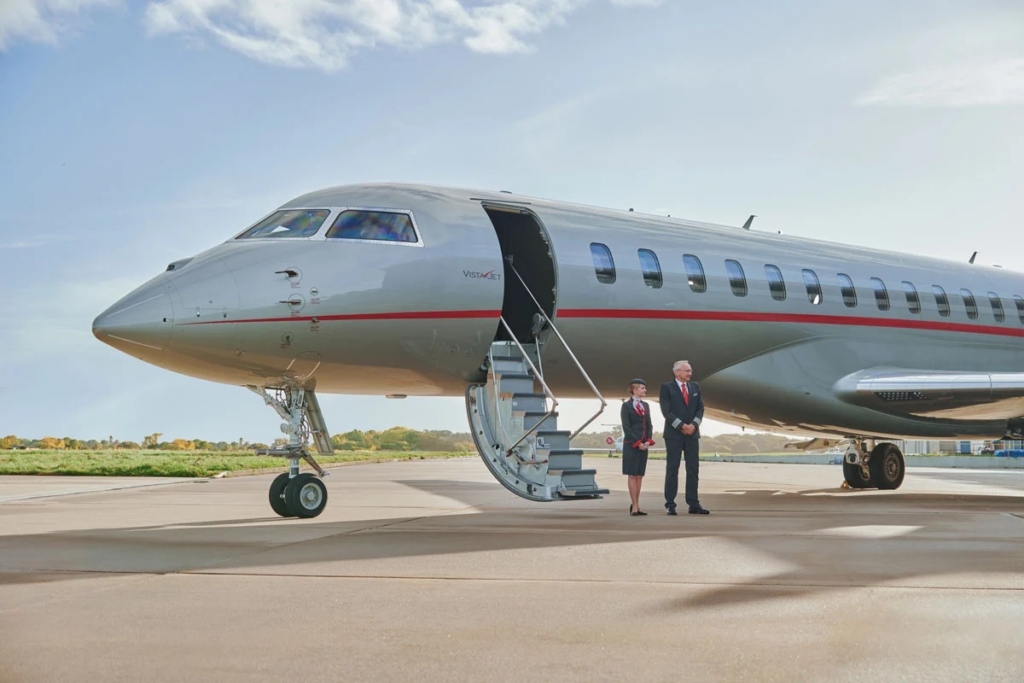
With the Global 8000 only certified in December and delivered to launch customer NetJets just last month, VistaJet’s customers will be among the first to fly the new aircraft standard. But will they actually notice the difference?
How VistaJet is converting the Global 7500 into the new 8000 standard
Although marketed as a new aircraft, the Global 8000 is really more an evolution of the 7500. The airframe, engines, core systems and architecture stay the same, with all of the benefits hidden away in software.
The biggest change is its new fly-by-wire control laws. These have been developed to optimise climb profile, boost cruise efficiency and improve high-speed handling. These allow the operator to fly closer to the aircraft’s true performance limits, as well as improving fuel burn and range.
Alongside this, updates to the Full Authority Digital Engine Control (FADEC) software improve the performance of the powerplants. This includes better thrust management, fuel efficiency and thermal margins, effectively unlocking higher cruise speeds and giving the aircraft better long-range efficiency.
The clue is really in the name: the Global 8000 was named as such because, with these improvements, its range increases to 8,000 nmi. Its top speed has also increased, from Mach 0.94 to Mach 0.95, making it the fastest business jet in the world today.
Will passengers notice any difference between the Global 7500 and the Global 8000?
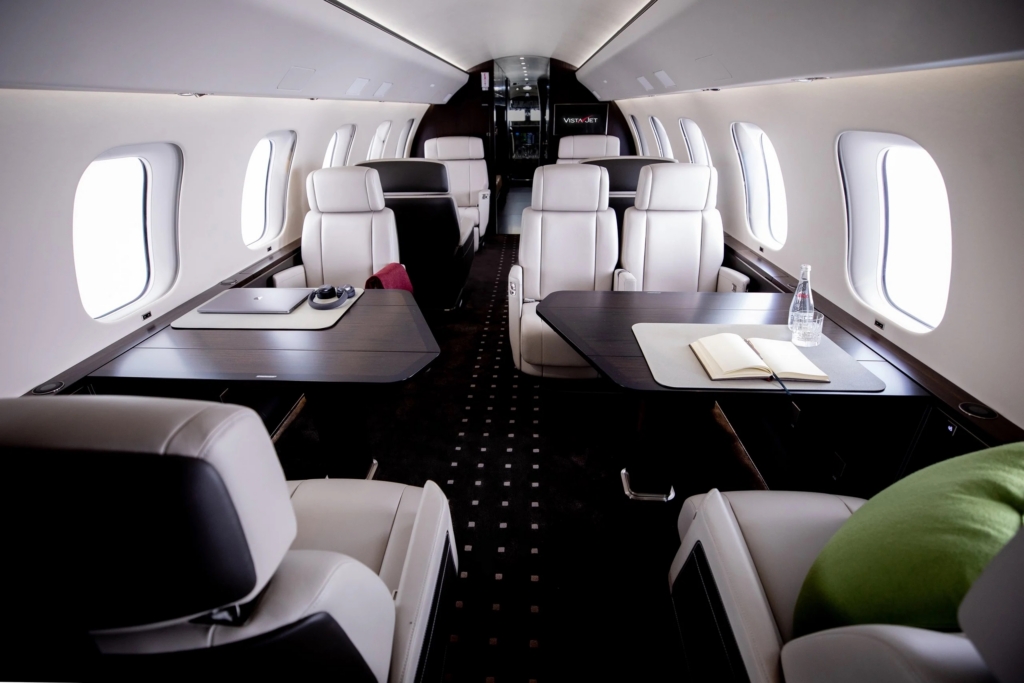
As far as passenger experience goes, not much changes. The aircraft retain their four-zone cabin layout, and Vista hasn’t indicated any changes to seating, materials, or design. The cabin altitude is marginally improved, from 2,900 ft on the 7500 to 2,700 ft on the 8000, but most people will be pushed to notice.
However, the additional speed and efficiency could make a difference to some trips. A slightly faster cruising speed may mean minutes shaved off longer journeys, while the range improvement will put more destinations within nonstop reach.
“For our Members, greater speed and extended range translate directly into practical benefits such as reaching their destination faster or travelling more efficiently with direct flights,” says Flohr.
“With more Members flying further and more frequently, these capabilities allow us to offer greater flexibility while maintaining the consistency and service that sets Vista apart.”
Crucially, the Global 7500 was already capable of much of this performance, but was not originally certified to operate within those limits. With Bombardier’s updates, operators can now upgrade existing aircraft relatively quickly rather than waiting for new deliveries.
It remains unclear whether the upgrades are being carried out by Bombardier or Vista’s own technical teams. But once complete, Vista will operate one of the largest Global 8000 fleets in the world, while many competitors are still waiting for production slots.
Featured image: VistaJet