


Boeing edges Airbus on aircraft deliveries, but 737 issues expose fragile recovery

3 min read
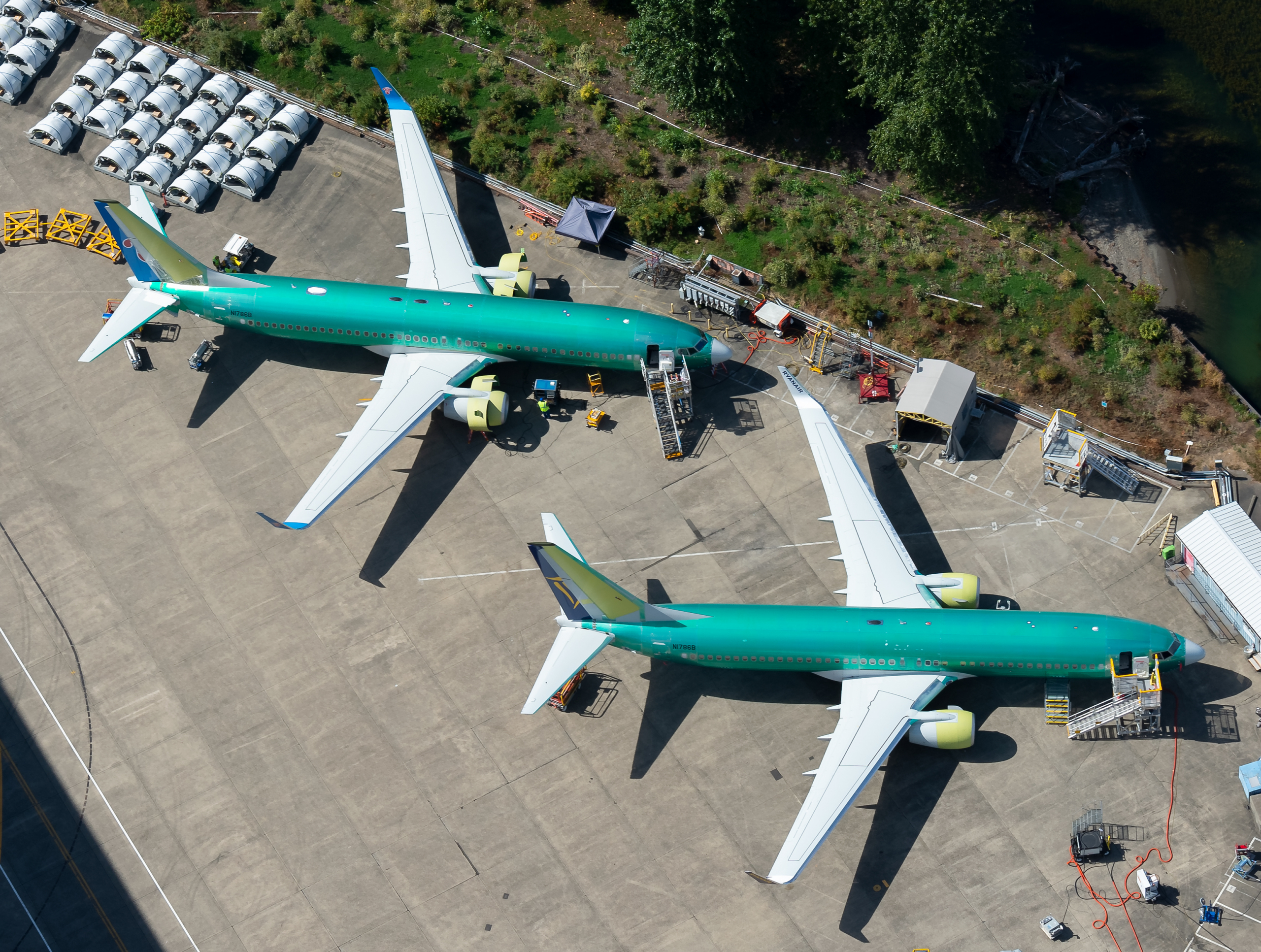
Boeing has marginally outpaced Airbus on aircraft deliveries for the first quarter of the year, signalling continued progress in its recovery. However, the strong output is somewhat overshadowed by fresh disruption on the 737 product line.
Boeing’s strong deliveries see 143 commercial aircraft handed over in Q1
In Q1 of 2026, Boeing delivered 143 commercial aircraft, ahead of the 114 handed over by Airbus. This is Boeing’s strongest quarterly performance since before the pandemic, suggesting production is finally stabilising after years of disruption.
Compared with previous first quarters, which are traditionally a little slower after the end-of-year push, the improvement is significant. In 2024, Boeing handed over just 83 aircraft, and in 2025, that rose to 130.
Important, however, is the sustained pace of deliveries. The final quarter of 2025 saw 160 aircraft handed over, suggesting the ramp-up is sustainable in the long term.
Q1 2026 Boeing commercial aircraft deliveries breakdown
| Aircraft programme | Deliveries |
|---|---|
| 737 | 114 |
| 767 | 6 |
| 777 | 8 |
| 787 | 15 |
| Total | 143 |
As expected, the 737 dominates deliveries, with 114 aircraft handed over in the quarter. But the widebodies have been ramping up too, and getting 15 Dreamliners out of the door is not to be sniffed at.
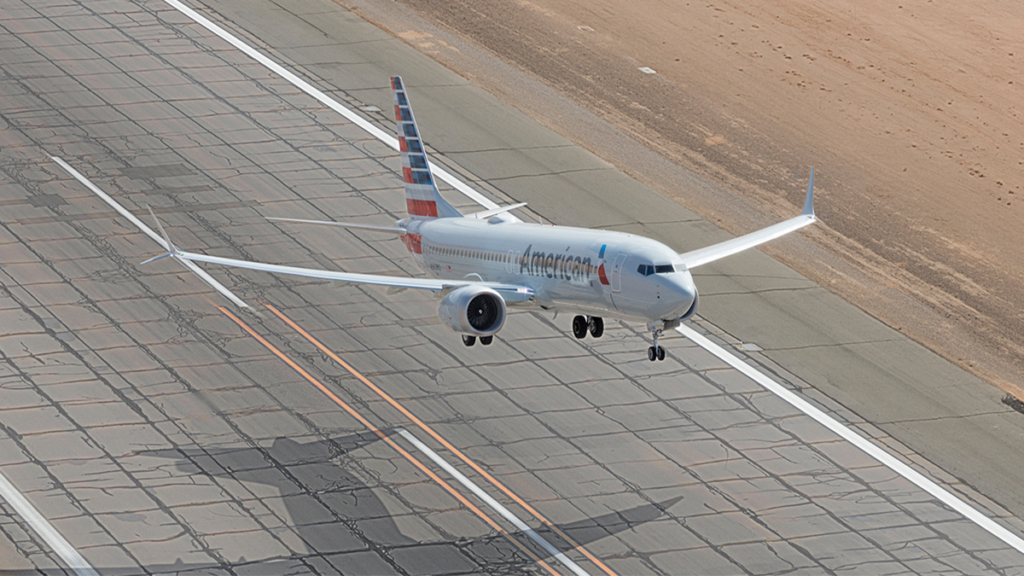
Notable deliveries include American Airlines, which took nine 737 MAX over the three months, and Indian LCC Akasa Air, which took six. Copa and Jeju took two each, while Korean Air took two plus a 787-10.
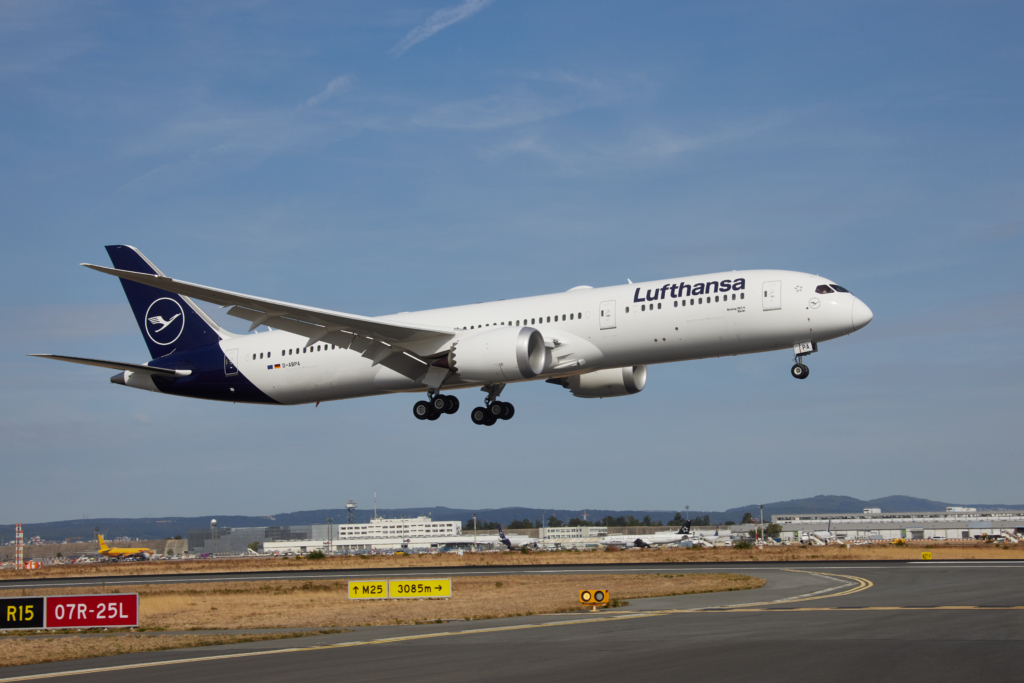
On the widebody side, Lufthansa was the largest single widebody recipient in Q1, with three 787-9s handed over. MSC Air Cargo took a pair of 777 freighters, while numerous airlines had single deliveries of Dreamliners through the quarter.
However, lessors were the biggest customers by far. In all, 25 737 MAX were delivered to lessors, including Air Lease, AerCap, ACG, Avolon, BOC and Macquarie. Only Air Lease took a widebody, a single 787-10.
All the 767s are either KC-46 Pegasus or 767F, with just one identifiable customer in the first quarter – the Embassy of Germany in the USA, which had a 767-800A delivered.
Boeing orders remain steady through Q1
Boeing’s preliminary figures for Q1 record 161 gross orders for a net of 149.
Again, the 737 MAX dominates, with 107 aircraft orders. Major orders include Aviation Capital Group (ACG) with 50, Air India with 20 and 36 sold to undisclosed customers.
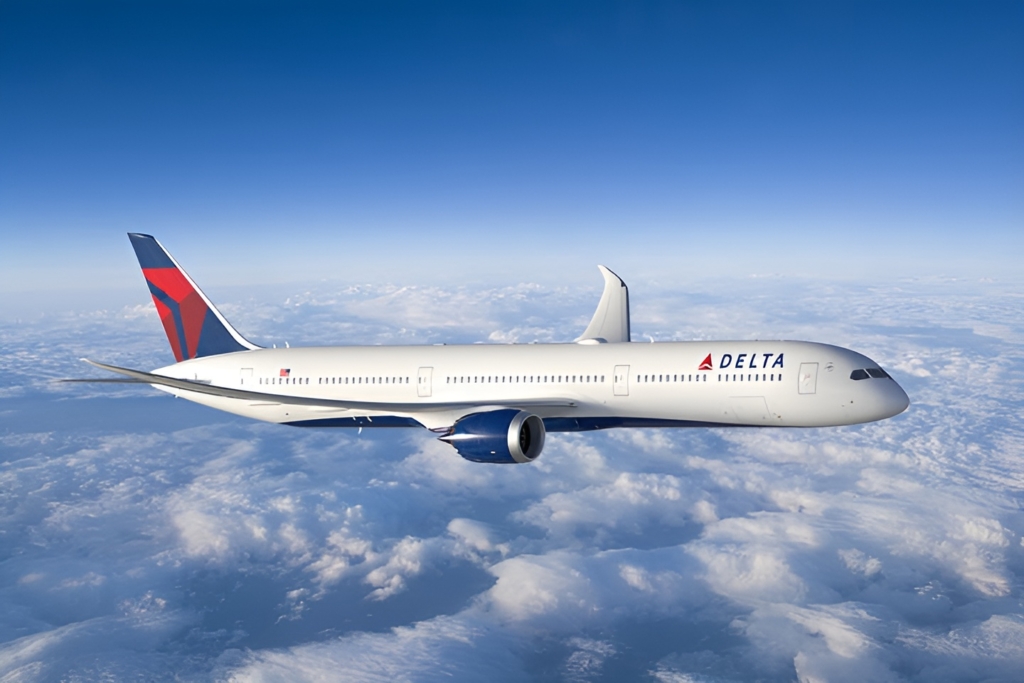
On the widebody side, 50 Boeing 787s were sold, notably to Delta Air Lines, which placed a huge order for 30 787-10s.
Air Astana, the Kazakhstani success story, added another five 787-9s to its backlog (although it is yet to receive its first) while EVA Air from Taiwan ordered four -9s. Rounding off the Dreamliner orders is WestJet with another 2 787-9s and nine listed to undisclosed customers.
Aside from the commercial aircraft, six 767-2Cs were ordered, which will become KC-46 military tankers, and five 737-800As, which will also be used for military or special mission roles. A single BBJ 737 MAX was ordered for a VIP customer.
| Aircraft programme | Orders |
|---|---|
| 737 MAX | 100 |
| 787-9 | 20 |
| 787-10 | 30 |
| 767-2C | 6 |
| 737-800A | 5 |
| Total | 161 |
Boeing cautioned that its orders and delivery figures are preliminary and subject to confirmation when it reports full quarterly financial results.
Boeing’s deliveries could have been higher if not for that pesky 737 wiring issue
Boeing notified investors of a wiring issue on the 737 product line in early March, warning that it would slow deliveries as inspections and rework were undertaken.
While not an issue for in-service aircraft, newly built 737s were found to have scratched wiring due to a machining issue, meaning Boeing needed to check and rework around 25 ready-to-deliver aircraft.
This saw monthly deliveries dropping from 51 in February to 46 in March, suggesting that without the wiring issue, Boeing’s number could have been higher.
Boeing says the issue is now resolved, so we can expect a productive second quarter barring any more unforeseen events.
Featured image: Thiago Trevisan – stock.adobe.com
Sign up for our newsletter and get our latest content in your inbox.


More from

October 3, 20267 min read


