Unusual Hungarian government aircraft movements after Orbán defeat raise questions

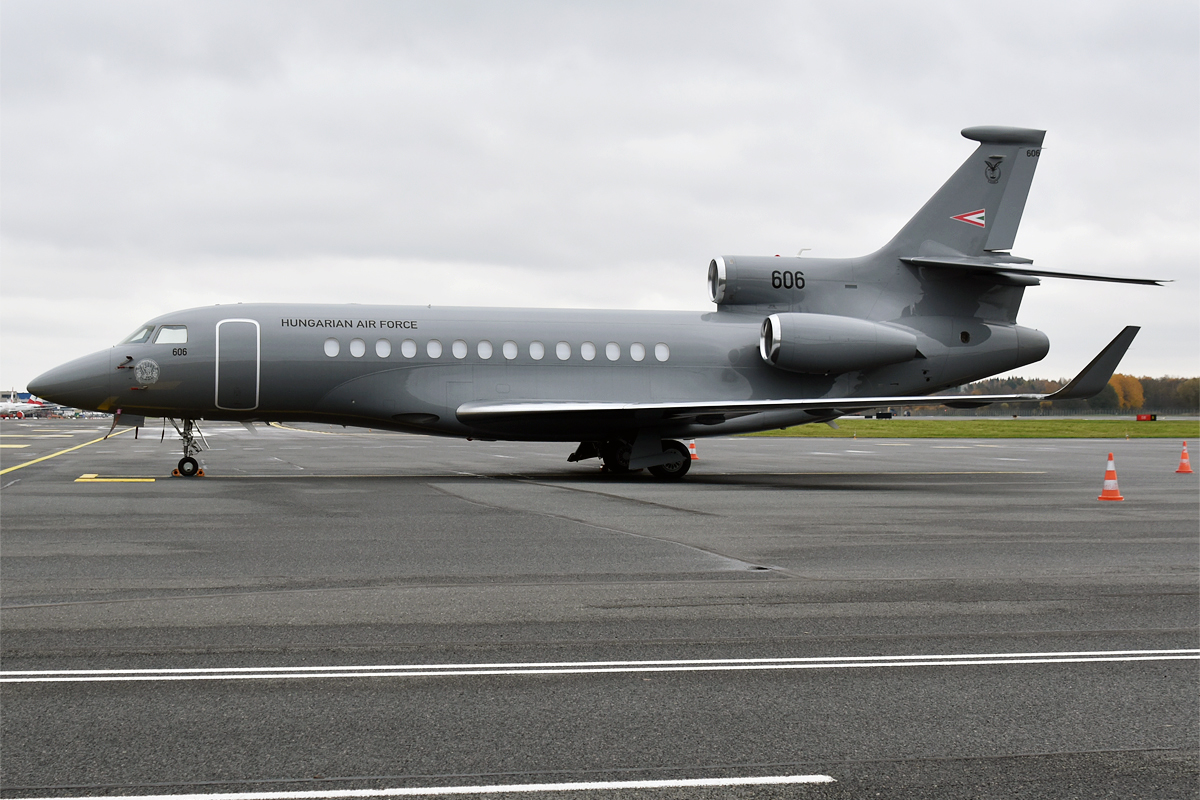
A cluster of Hungarian government-linked aircraft movements in the hours following Viktor Orbán’s election defeat has drawn scrutiny, with several military-operated jets departing the country as results became clear.
Hungarian investigative outlet Átlátszó reported that multiple government-linked aircraft took off shortly after the ruling Fidesz party lost power to Péter Magyar’s Tisza party, which is set to secure a two-thirds parliamentary majority.
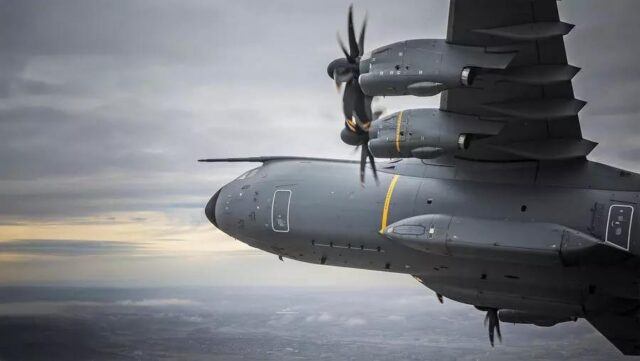
According to the publication, aircraft frequently used by senior government officials were among those tracked. These included a Dassault Falcon 7X (tail number 607) and an Airbus A319 (tail 604) heading towards Saudi Arabia, another A319 (tail 605) flying towards Italy, and an Embraer KC-390 (tail 611) conducting a flight to Libya and back.
Hours After Fidesz’s election defeat, Hungarian military aircraft departed for abroad https://t.co/DC0ZX79DjF The government refuses to disclose details about such flights, classifying all related data for 30 years on grounds of national security
— Georgi Gotev & EUalive (@GeorgiGotev) April 13, 2026
Hungary classifies details of such government and military flights for 30 years on national security grounds, limiting public insight into their purpose.
Hungarian military flight linked in excercise
The Hungarian military said the KC-390 flight was connected to Flintlock 26, an international special operations exercise taking place in Ivory Coast and Libya.
Hungary purchased two Embraer KC-390 cargo aircraft from Brazil in 2020; they asist in the military’s tactical airlift operations.

Flight tracking data shows the aircraft departed Hungary at around 02:00 local time, landed in Sirte, Libya, remained on the ground for several hours, and returned later the same morning.
Hungary’s government aircraft
Hungary’s fleet of government-operated aircraft has long been used to transport senior officials.
The Falcon 7X, for example, has frequently been used by Foreign Minister Péter Szijjártó. While the aircraft was airborne on election night, there is no indication he was on board.
The first Hungarian (🇭🇺) Air Force @embraer KC/C-390 has arrived at Kecskemét Air Base in #Hungary.
— SA Defensa (@SA_Defensa) April 12, 2024
The aircraft left #Brazil (🇧🇷) on April 10th in order to conduct trials testing in Hungary for future pilots to train with the aircraft. pic.twitter.com/0EEnPUlLcg
Hungary acquired its Airbus A319 aircraft in 2018 for military transport purposes, though they have regularly been used for government travel. The country also purchased two KC-390 tactical airlifters from Brazil in 2020 for military logistics operations.
No evidence of officials ‘fleeing’
Despite speculation circulating online, there is no evidence that members of Orbán’s government have left the country following the election result.
Reports that the foreign minister had departed Hungary have not been substantiated. However, political tensions remain high, with Prime Minister-elect Péter Magyar accusing officials of destroying sensitive documents in the aftermath of the vote.
Hungary’s Orban, Beacon to the Right, Concedes Election Defeat https://t.co/soxTqMd7Kc
— Steven Erlanger (@StevenErlanger) April 12, 2026
The monitoring of government aircraft movements following political upheaval is a common feature of open-source intelligence (OSINT) activity, particularly in countries experiencing regime collapse or instability.
In such cases, private or state aircraft are sometimes used to move officials, assets or funds out of the country. However, there is no evidence to suggest similar activity has taken place in Hungary.
Magyar to Orbán’s fugitives: Gruevski, Ziobro, Romanowski – pack your bags https://t.co/1BKvVXNYer Péter Magyar says Budapest will restore Warsaw ties, review political asylum cases, and move fast on anti-corruption and rule-of-law reforms
— Georgi Gotev & EUalive (@GeorgiGotev) April 14, 2026
Nonetheless, the timing of the flights, combined with the lack of transparency surrounding their purpose, has contributed to heightened scrutiny during what is already a politically sensitive transition.
Featured Image: Wikimedia Commons