ACI World: Airports still struggling for revenue despite full passenger recovery

3 min read

Passenger traffic has fully recovered after the pandemic, but the recovery in revenue for airports is still lagging, according to a new report from Airports Council International (ACI) World.
Globally, airports handled around 9.4 billion passengers in the 2024-25 financial year, an increase on 2019 levels of 4%.
However, revenue recovery has failed to keep pace. Total airport revenues reached $194.9 billion in 2024, still 2.1% below pre-pandemic levels in real terms.
Airports battle to recover revenue after pandemic
Core revenue streams for airports are still under pressure, ACI World said.
Aeronautical revenues (which account for 54% of the total) remain 3% below 2019 levels, and non-aeronautical revenues (37%) are 9% below 2019 levels.
ACI World has laid out a delayed timeline for the full post-pandemic recovery.
Aeronautical revenues are expected to have reached their 2019 level in the figures for the 2025-26 financial year, which will be released next March.
Less encouragingly, commercial revenues will take until mid-2026 to recover.

Profitability for the airports ACI World surveyed – 1,086 in total across the world, representing approximately 82% of global passenger traffic – remains weak.
The report noted that return on invested capital (ROIC) stood at a paltry 6.3%, still below the cost of capital (WACC), indicating ongoing financial strain for airports in the ACI data network.
They have faced continued pressures, including rising costs of labour and materials, geopolitical uncertainty and shifting travel patterns.
Additional external pressures include volatility in airspace and route networks, which continues to impact airport finances.
Outlook positive despite the challenges
ACI said the outlook was positive, but that uncertainty remained. Revenues are expected to exceed pre-pandemic levels from 2026 onward, but a full recovery depends on favourable economic and regulatory conditions.
Conflicts in the Middle East will do nothing to reassure airports that the next 12 months will see a tangible improvement to their financial position.
The message ACI is sending policymakers is that airports need supportive regulation and investment frameworks to remain resilient.
“Passenger demand has fully rebounded, but airport revenues are still catching up, underscoring the financial pressures airports continue to face,” said ACI World Director General Justin Erbacci.
“As global air travel demand is set to grow strongly in the coming decades, policymakers must support regulatory frameworks that allow airports to strengthen their financial resilience and invest in the infrastructure needed to sustain connectivity and economic growth.”
Global passenger traffic to grow in coming years
There are many reasons to be optimistic about the future, however.
Demand for air travel continues to grow in the post-pandemic landscape.
Global passenger traffic is forecasted to reach 10.2 billion in 2026, a 3.9% year-on-year increase.
And global passenger traffic is projected to double by 2045, reaching 18.8 billion, figures in ACI latest World Airport Traffic Forecasts 2025–2054 showed.

That growth will be “increasingly uneven across regions, with mounting capacity constraints”, the group warned.
“To accommodate rising demand, the industry must accelerate investment in airport infrastructure, airspace capacity, and operational resilience, while strengthening collaboration across airports, airlines, governments, regulators, and industry partners,” added Erbacci, after the data forecast was published at the start of the year.
“Without collective action, capacity constraints jeopardise the industry’s ability to meet the projected demand and create operational bottlenecks, directly affecting the quality and reliability of the passenger journey.”
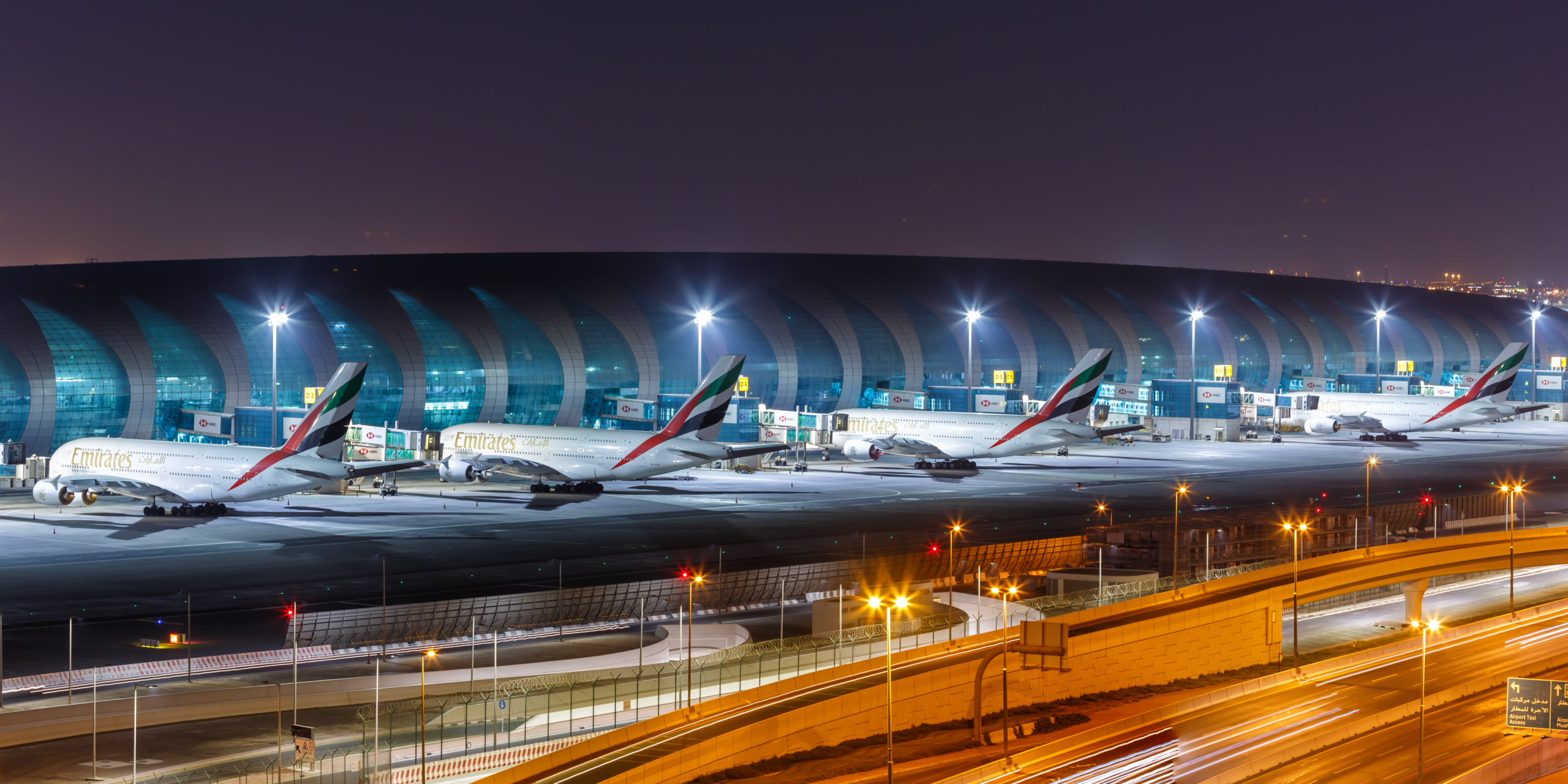
Featured image: marchello74 | stock.adobe.com