Concerns of US missile shortages in the Iran war are overstated: Here’s why

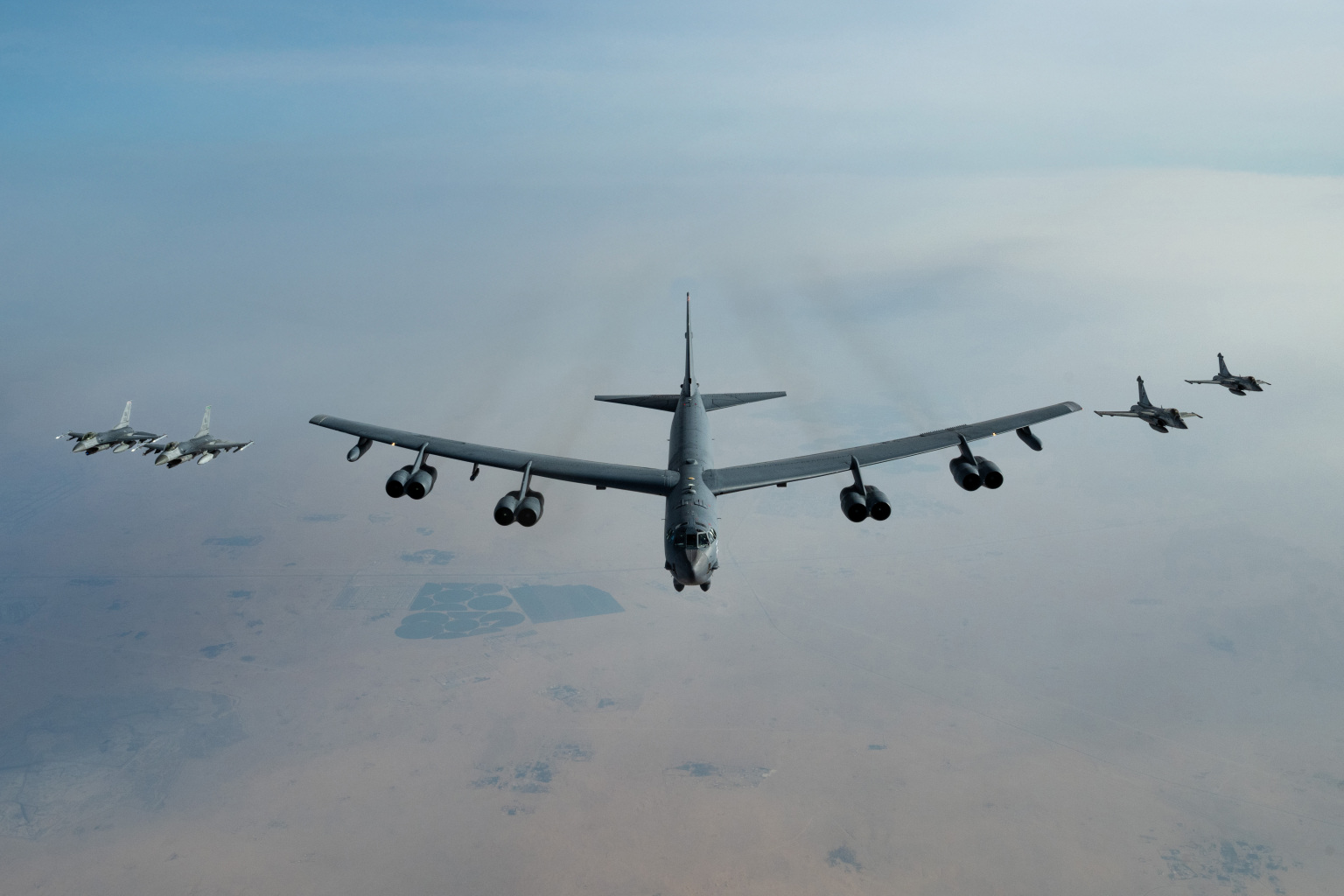
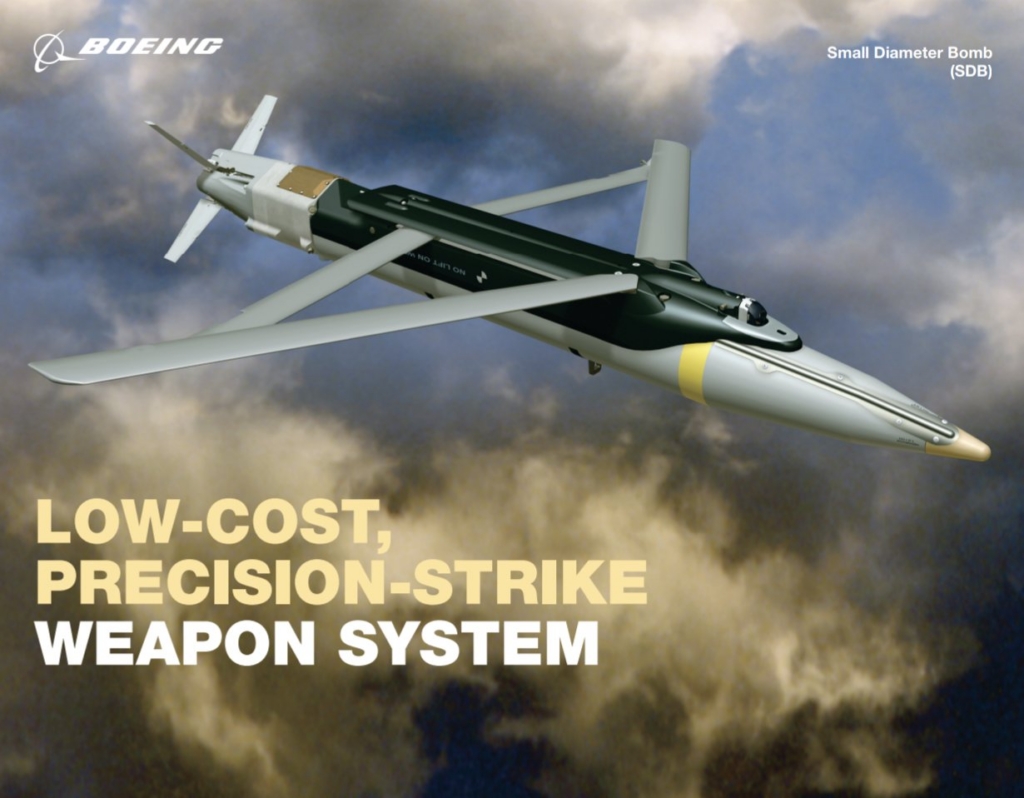
As the Iran campaign moves into its next phase, the United States is increasingly able to draw on its vast stockpiles of cheaper precision-guided bombs such as JDAMs and Small Diameter Bombs (SDBs).
The conflict is unfolding very differently from the sustained air parity seen between Russia and Ukraine, and therefore does not require the same types of munitions or the same level of reliance on high-end stand-off weapons.
New phase of war comes with plentiful munitions
Almost like clockwork, after the first phase of any conflict, headlines begin to emerge claiming that countries are running out of missiles or interceptors. The reality is more nuanced. What may be true for one country is not necessarily true for another.
Claims that the United States is about to run out of advanced missiles in its air campaign against Iran appear exaggerated.
Day 6 updates from Adm. Cooper:
— Ian Ellis (@ianellisjones) March 6, 2026
– USAF bomber force struck 200+ targets in past 72 hours; B-2s dropped dozens of 2,000-lb JDAMs
– Iranian BM attacks down 90%, drone attacks -83%
– 30+ ships sunk; drone carrier hit and on fire
– Iran’s space command targeted
“Full steam ahead.” pic.twitter.com/qEM8qm6OiY
The debate about munitions shortages often focuses on advanced stand-off weapons such as Tomahawk cruise missiles and AGM-158 JASSMs, as well as air defence interceptors like Patriot and THAAD missiles. These weapons are extremely expensive and produced in relatively limited numbers, with constrained production rates.

When analysts suggest the US or Israel may run low on these advanced weapons, they are often extrapolating from the opening phase of the conflict and projecting that pattern forward. That assumption can be misleading.
Estimated number of Iranian missile/drone launches:
- Day 1: 350+ ballistic missiles, 800+ drones
- Day 2: 150-200 ballistic missiles, 400+ drones
- Day 3: 120+ ballistic missiles, 500+ drones
- Day 4: 110+ ballistic missiles, 280+ drones
- Day 5: 40-60 ballistic missiles, 230+ drones
- Day 6: 35 ballistic missiles, 100 drones
As of 6 March, the war appears to be entering a new phase. The United States reports Iranian ballistic missile launches have fallen by roughly 90%, while drone attacks have declined by around 83%. A steady drop-off has been visible over the past week.
This came up in one of my threads yesterday as to B-52s and B-1s likely executing standoff strikes using cruise missiles fired from outside Iran, not direct attacks. This video confirms it, AGM-158 JASSMs on the wings. They were not ready to push anything but B-2s over Iran. https://t.co/iYmHgUy2jK
— Tyler Rogoway (@Aviation_Intel) March 5, 2026
The United States and Israel have been systematically targeting Iranian missile launchers, storage sites, production facilities and support infrastructure. Many missiles in Iran’s inventory may never be launched, instead being destroyed on the ground or rendered unusable as launch systems are eliminated.
Eliminating drone threats is more complicated but follows a similar logic. Iranian air defence networks have been heavily degraded, although they have not yet been fully dismantled.
What stand-off munitions are used for
Advanced stand-off weapons are typically used most heavily during the opening stages of a war.
They allow aircraft to strike high-value or time-sensitive targets from long distances, including command and control nodes, radar installations, missile sites and airfields, before air superiority has been established.
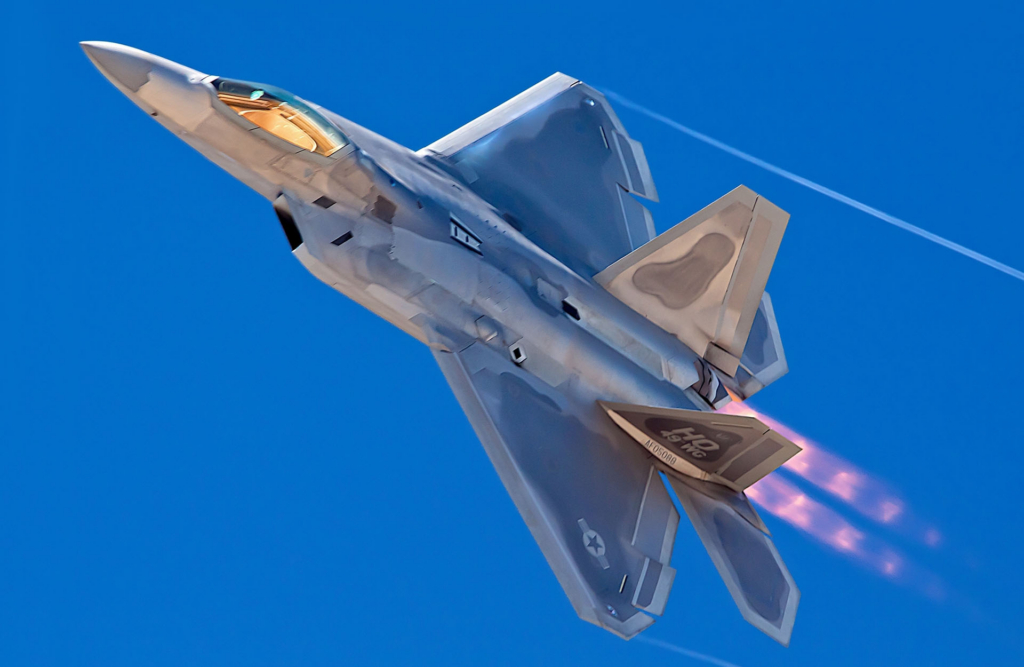
They are also often used to crater runways, destroy air defence systems and disrupt an opponent’s ability to operate aircraft effectively.
Once air superiority is achieved and time-sensitive targets become less common, the need for expensive stand-off weapons declines.
At that stage, air forces can shift increasingly toward lower-cost precision-guided bombs such as JDAMs. These kits convert conventional unguided bombs into GPS-guided precision munitions.
Fabian Hoffmann, a Doctoral Research Fellow at the Oslo Nuclear Project (ONP), wrote on the 5th of March about the Iran campaign, “From a munitions perspective, the United States can maintain the current tempo virtually indefinitely.”
🇺🇸 Is the United States going to run out of precision guided munitions?
— Colby Badhwar 🇨🇦🇬🇧 (@ColbyBadhwar) March 4, 2026
No, no they are not.
SDB production capacity: 10,000/year
JDAM kit production capacity: 25,000/year
Total combined procurement of these weapons measures in the 100s of thousands.
With air superiority… pic.twitter.com/4TPVEB3t6R
OSINT analyst, Coby Badhwar, also noted the scale of US production capacity,
“Is the United States going to run out of precision-guided munitions? No, no, they are not. SDB production capacity: 10,000/year JDAM kit production capacity: 25,000/year Total combined procurement of these weapons measures in the 100s of thousands.”
Get the latest aerospace defence news here on AGN.
What is misunderstood about interceptor missiles
Air defence is often misunderstood, particularly in public discussions of missile interception.
Air defence systems are not designed to passively intercept every incoming attack indefinitely. Instead, they are intended to buy time while offensive operations destroy the enemy’s launch systems.
I'd say that unless the Gulf states procured less than half of their authorized interceptor inventories, they should not be close to depletion, particularly given that Iran now appears barely capable of sustaining meaningful ballistic missile launches. https://t.co/rnJk34xp0n pic.twitter.com/zvnPKHdkfz
— Fabian Hoffmann (@FRHoffmann1) March 5, 2026
In conflicts such as the current campaign against Iran, this means interceptor systems may need to operate at extremely high tempo during the opening stages of the war. Once the opponent’s launch infrastructure begins to collapse, the pressure on air defence networks typically declines.
CBS News reported on 5 March that Arab states may be running dangerously low on interceptors used to shoot down Iranian missiles.
Fabian Hoffmann commented:
“Unless Gulf states procured less than half of their authorised interceptor inventories, they should not be close to depletion, particularly given that Iran now appears barely capable of sustaining meaningful ballistic missile launches.”

During the early phase of any high-intensity conflict, countries will inevitably expend munitions faster than they can replenish them. The key question is whether the stockpiles were large enough to achieve their intended operational objectives.
If the goal was to withstand the initial wave of Iranian missile attacks while offensive operations dismantled launch capabilities, then those systems appear to have performed their intended role.
Layered air defence, Patriots not intended to shoot down Shaheds
Another common misconception involves the comparison between the cost of interceptor missiles and low-cost drones such as Iran’s Shahed-type systems.
Colby Badhwar estimates the marginal cost of a Patriot PAC-3 MSE interceptor at roughly $3.9 million, while THAAD interceptors cost around $12.4 million each. By contrast, Shahed drones are believed to cost tens of thousands of dollars.
However, this comparison overlooks how integrated air defence systems are designed.

Patriot systems represent just one layer of a much broader air defence architecture. They are primarily designed to intercept aircraft, cruise missiles and short-range ballistic missiles.
At the highest level of US missile defence sits the Aegis system, deployed on naval vessels and at Aegis Ashore installations.
Below that sits THAAD, designed to intercept short-, medium- and intermediate-range ballistic missiles in their terminal phase. Patriot provides additional defence against aircraft, cruise missiles and shorter-range ballistic threats.

Fighter aircraft often form another layer, intercepting drones and cruise missiles. Some air forces are increasingly using cheaper solutions such as the laser-guided 70mm Advanced Precision Kill Weapon System (APKWS) mounted on fighters to destroy drones.
Lower-tier defences include laser weapons, anti-aircraft guns, interceptor drones, helicopters equipped with machine guns and other close-range systems designed to defeat inexpensive threats.
Expensive interceptors do sometimes get used against drones, but that typically reflects gaps in the lower layers of the defensive network rather than the intended design of the system.
The wrong lesson from Ukraine and different lessons still for Taiwan
The war in Ukraine has sometimes led observers to draw incorrect conclusions about how other conflicts may unfold.
Russia and Ukraine remain locked in a conflict between two relatively evenly matched air defence environments. Neither side has achieved lasting air superiority, forcing both militaries to rely heavily on stand-off weapons years into the conflict.
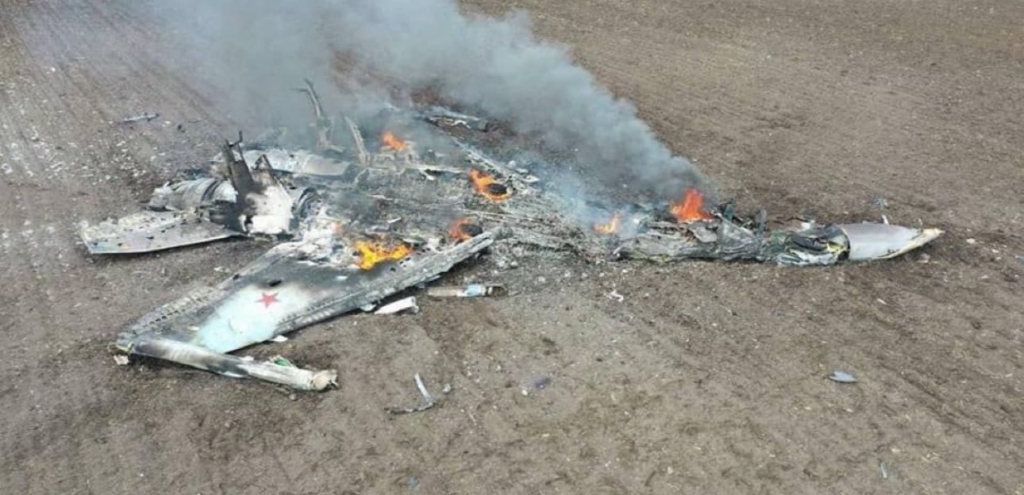
In early 2022, Ukraine successfully defended its skies, inflicting unsustainable losses on the Russian Air Force while also exposing structural flaws and fully trained pilot shallowness in the Russian Air Force.
This forced Russia to withdraw and operate out of range of Ukraine’s air defence umbrella ever since. The early Russian air campaign over Kyiv was somewhat reminiscent of the defeat of the Luftwaffe in the Battle of Britain in 1940.
Russia was unable to systematically destroy Ukraine’s missile, drone, and air force on the ground. Over the last four years, Ukraine’s missile and drone production has spiked dramatically, while its air force has turned a corner and is now recovering and able to increasingly push back against the Russian Air Force.
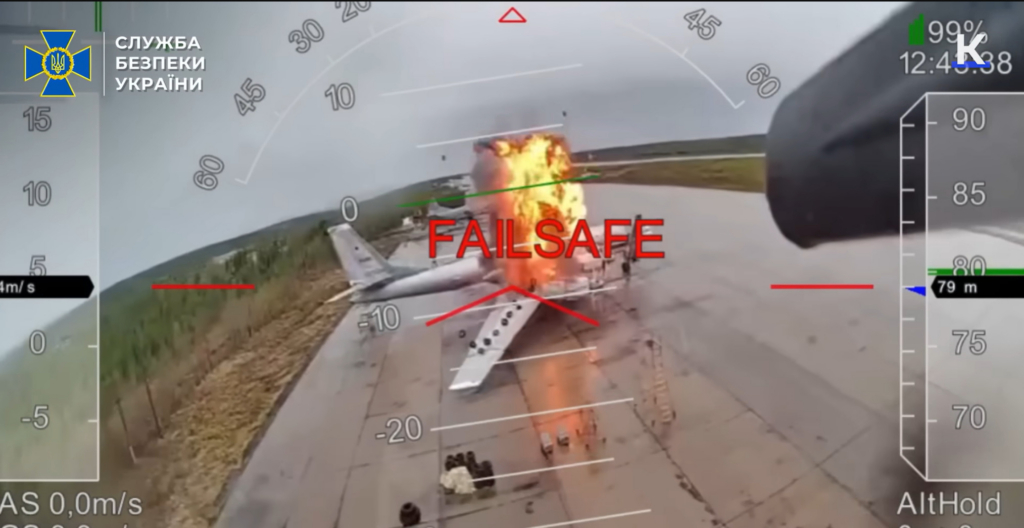
The glide bombs used by the Russian Air Force only strike areas near the front, not strategic assets in the deep rear.
This means both sides have to weather each other’s ballistic, cruise, and drone strikes, unable to destroy them en masse on the ground or destroy the facilities en masse to prevent them from being built in the first place.
Should there be a future war with China over Taiwan, drawing the US and Japan in directly, that would be a completely different type of war. It would not be the current Iranian war, and it would not be the Russo-Ukrainian war.
We have to come to terms with major deficiencies in air defense capacity and the stockpile of effectors. Yes, this has broken out into a big issue in the mainstream finally over the last couple of years, but it goes deeper than not enough missiles. This is a wounded Iran. Imagine…
— Tyler Rogoway (@Aviation_Intel) March 3, 2026
There, the emphasis of Allied action is expected to be a race to retain/recover air superiority over Taiwan and sink the Chinese Navy faster than it can supply its forces on the island.
It is important not learn the wrong lessons from each conflict and project them onto the next.
However, for the current Iran war, it appears the US and Israel are on the cusp of securing air dominance over expanding areas of the country, allowing them to use the munitions that are affordable and they have in abundance.
Featured Image: US Department of War