Spirit Airlines expects to exit bankruptcy within weeks, but at what cost?

February 25, 2026
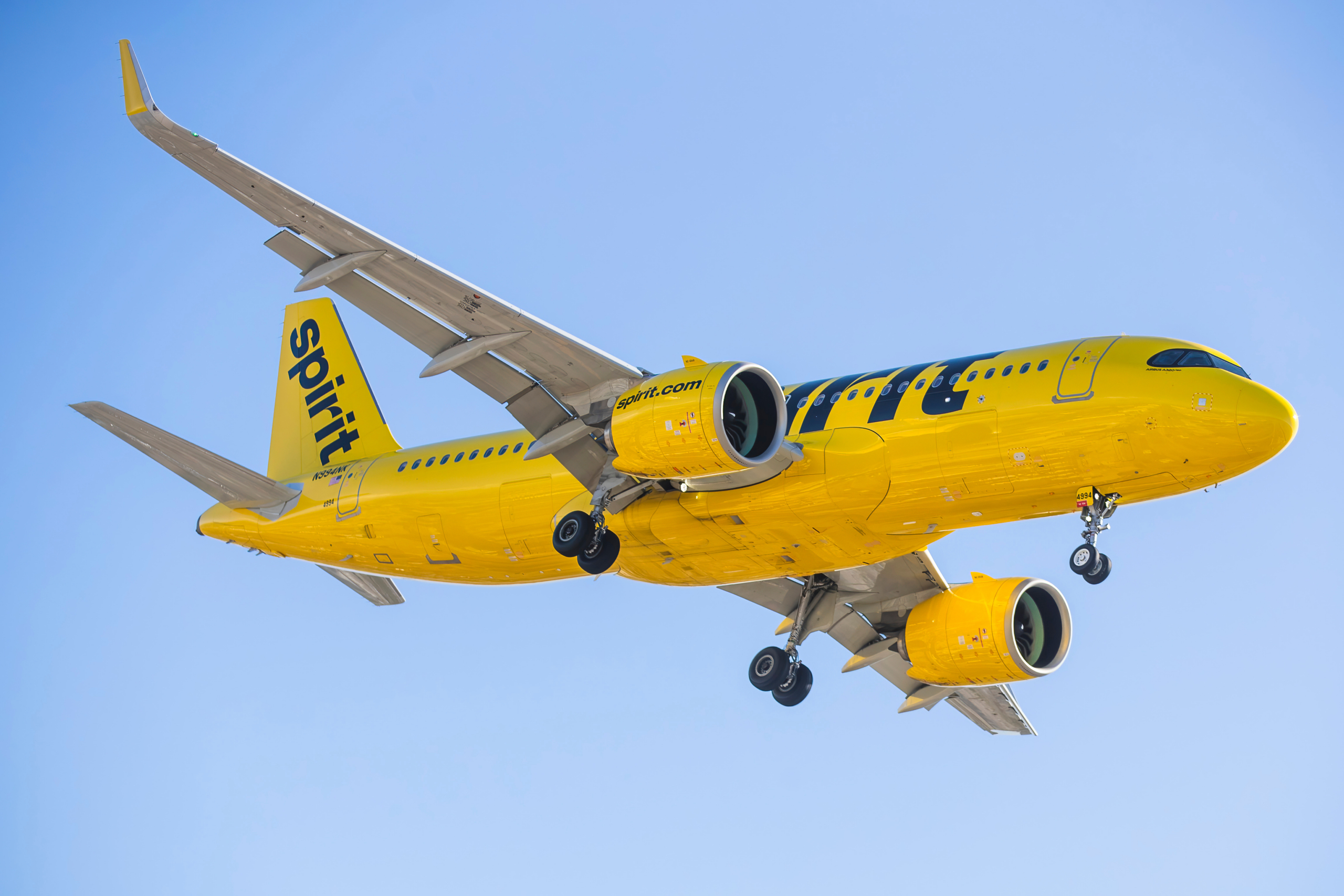
Spirit Airlines says it expects to emerge from its second Chapter 11 restructuring in late spring or early summer, after reaching an agreement in principle with creditors that would slash billions from its balance sheet and reshape the carrier into a far smaller operation.
Under the plan outlined in US Bankruptcy Court, Spirit would reduce its debt and lease obligations from around $7.4 billion to roughly $2.1 billion. Annualised fleet costs are expected to fall by more than 65% from pre-bankruptcy levels.
Chief executive Dave Davis has described the strategy as creating a “strong, leaner competitor”, but the scale of the reset raises a more difficult question: what does survival look like for a dramatically downsized Spirit?
How Spirit Airlines plans to exit Chapter 11
As it prepares to exit Chapter 11, the airline is setting out a sharply refocused strategy:
- Concentrate on core markets, particularly routes touching Fort Lauderdale and Orlando in Florida, alongside the New York area and Detroit
- Trim flying on low-demand days, cutting loss-making Tuesday and Wednesday services and increasing aircraft utilisation during peak travel periods
- Expand premium seating, including rolling out premium economy across the fleet and potentially adding more “Big Front Seat” capacity
- Shrink the fleet further, rejecting additional high-cost Airbus A320neo family leases while cutting overall debt and lease obligations
Spirit has already pared back aggressively. Its fleet has fallen from 214 aircraft to around 125, with management previously signalling an eventual target of roughly 100 aircraft.
The airline has also closed multiple bases and cut around a quarter of its summer 2025 flying programme, while shedding thousands of jobs through furloughs and redundancies.

The restructuring follows a turbulent period. Spirit first filed for Chapter 11 in November 2024 after mounting debt, rising labour and airport costs, volatile fuel prices, and the collapse of its planned $3.8 billion merger with JetBlue. Although it emerged in March 2025, losses continued, and the carrier returned to bankruptcy court just five months later.
Can a smaller Spirit really compete in a crowded market?
As the airline prepares to exit bankruptcy protection, it may argue that it now has a more realistic strategy. Yet industry commentators have already questioned whether the carrier can remain competitive after such deep cuts.
Low-cost carriers are built on scale. Large fleets allow airlines to spread fixed costs across more seats, negotiate better terms with suppliers, and maintain high aircraft utilisation. Frequency is equally important. Multiple daily departures improve load factors, attract higher-yield passengers, and reinforce network relevance in major markets.
Spirit’s restructuring moves it sharply in the opposite direction.

Its fleet is set to fall from 214 aircraft to closer to 100, with base closures and route withdrawals further shrinking its footprint. That reduction inevitably limits frequency and weakens schedule flexibility, particularly in competitive markets where passengers can choose between several carriers.
Dr James Pearson, an aviation route analyst, says that the reset changes the economics. “It’ll be a far smaller, more focused operator, but certainly with higher unit costs,” he warns.
With costs rising and the fare gap narrowing, Spirit’s “many product changes mean it’ll be chasing higher-yielding opportunities, which it must, given the higher costs.” That represents, in his view, “a radical departure from its past.”
John Grant of JG Aviation Consultants is even more sceptical about what a smaller Spirit means in structural terms. With a projected domestic capacity share of around 2.4% by August 2026, compared with Frontier’s roughly 4%, he notes that the airline will be “a marginal player in the total market.”
“Spirit certainly has a challenge ahead of it in a market where other airlines are ruthless in their commercial activities and networks,” Grant says.
Downsizing may steady the balance sheet. Whether it leaves Spirit with enough scale and frequency to sustain a viable low-cost model is far less certain.
Spirit’s deep fleet cuts leave it flying older, less efficient aircraft
If downsizing raises questions about scale, Spirit’s fleet reset introduces a different structural risk: long-term cost competitiveness.
To reduce lease obligations and conserve cash, the airline has been cancelling leases on dozens of newer Airbus A320neo and A321neo aircraft, including jets delivered as recently as 2024. At the same time, it has retained a greater share of older A320ceo variants.
Financially, this makes sense. The neo aircraft are more fuel-efficient, but they also carry higher lease costs. Rejecting those leases delivers immediate balance sheet relief and helps drive total debt and lease obligations down from $7.4 billion to around $2.1 billion under the restructuring plan.
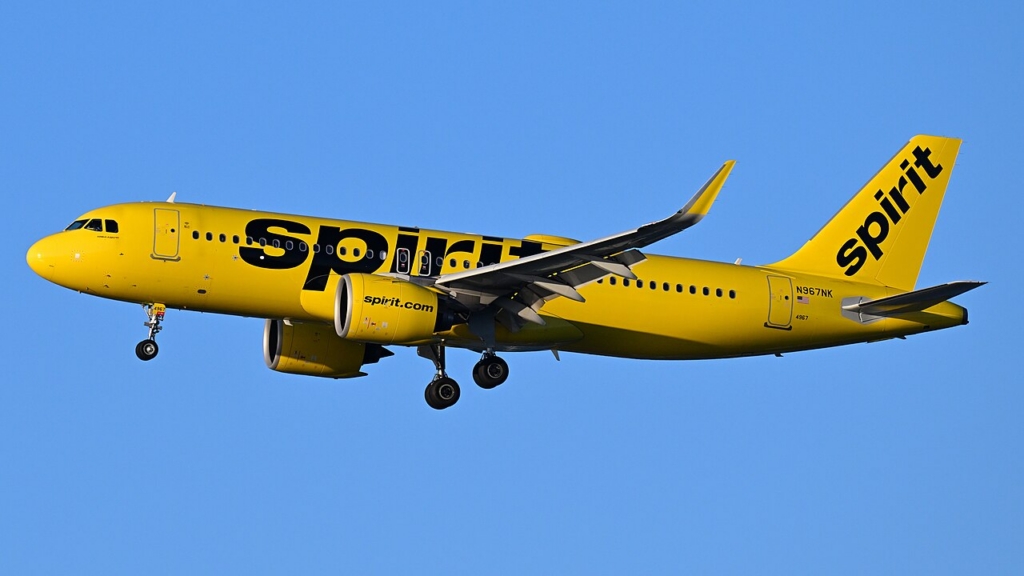
However, there is a trade-off. By leaning more heavily on older aircraft, Spirit lowers fixed leasing costs but is stuck with a fleet that burns more fuel. This increases its exposure to future fuel price volatility and could erode the savings achieved through lease reductions.
At the same time, as Spirit expands premium seating and looks to lift yields, it faces asking passengers to pay more while operating an increasingly older fleet. That shift does not make success impossible, but it reduces the margin for error in a market where larger rivals are investing in newer aircraft and upgraded cabins.
The fleet cuts may strengthen the short-term financial picture. Whether they leave Spirit structurally competitive over the next economic cycle remains an open question.
Spirit’s route network shrinks almost as fast as its fleet
Inevitably, fewer aircraft leave less capacity across an airline’s network to operate routes. During both spells in Chapter 11, Spirit has actively cut routes and closed unprofitable bases in a bid to reduce losses.
In summer 2025 alone, the airline cut around 25% of its flying programme, in a period when budget airlines in particular make the bulk of their annual revenue.
Since then, 100% of flights from 11 bases across the US have also been shed, from Portland and Oakland in the west to Chattanooga and Birmingham in the east.
According to Simple Flying, over 21 routes were cut as a result of the base closures. It is interesting to note that of these 21 routes, 67% had direct competition from other carriers, indicating that Spirit struggles to compete on routes where there are other players involved.
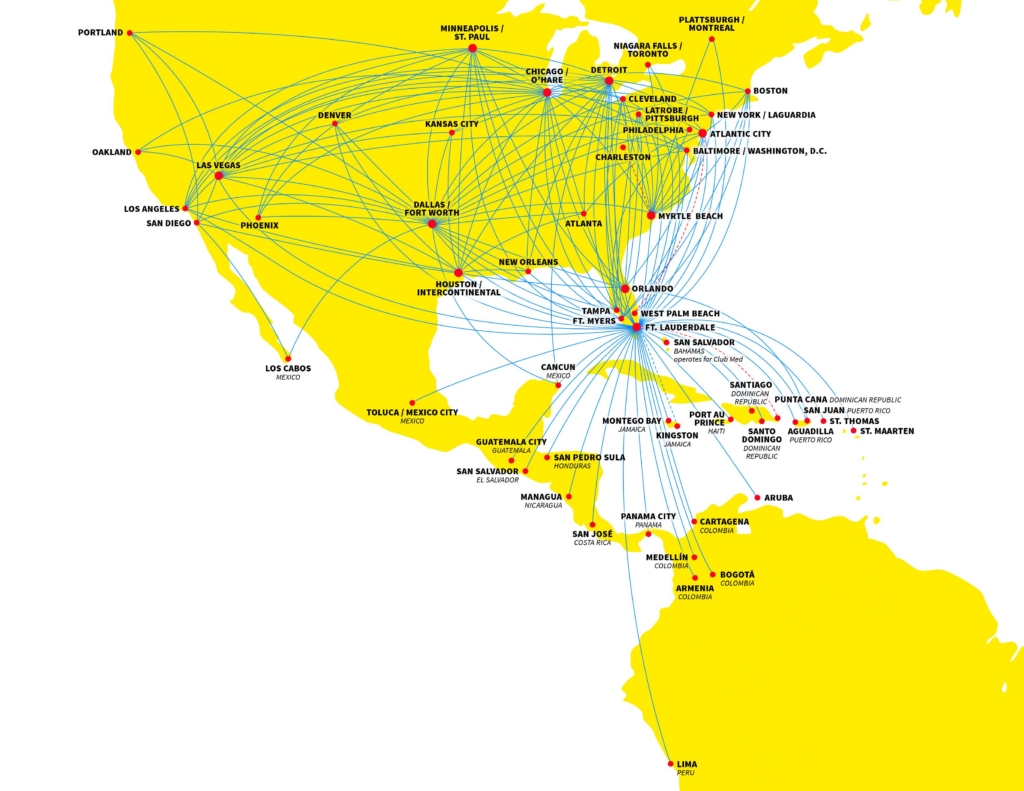
While some low-cost airlines seek out previously unserved markets with no competition in order to survive, Spirit has failed to do this, resulting in lower revenues and fewer passengers on routes where competition prevailed.
The only way to survive on such routes is through a lower cost base, allowing lower fares to be offered. However, in Spirit’s case, its elevated cost base prevented it from doing this, leading to an almost inevitable withdrawal from those markets and leaving them to their rivals.
“Spirit has not been shy of competing directly, with most of its routes having head-to-head competition,” noted Pearson. “Spirit’s offer was usually premised on being the lower-priced alternative to US legacy carriers and Southwest.”
If the revitalised Spirit Airlines is to survive, experts see a reconfiguration of its route network as vital. While this reconfiguration needs to take Spirit out of the more competitive US domestic markets, it also needs to ensure that the routes left are both sustainable and profitable – two aspects over which Spirit has struggled historically.
“If Spirit is to survive, it will need to be very selective in the markets in which it operates and avoid competitive battles as much as possible in the summer as they seek to rebuild its reserves,” Grant said. “With consumer confidence damaged by the events of the last couple of years, it is very hard to see a credible way for Spirit to survive.”
What can we expect from the ‘new’ Spirit Airlines?
The airline that emerges will look materially different from the one that entered Chapter 11.
Management is repositioning the carrier around tighter core markets, more disciplined scheduling and a greater emphasis on higher-yield passengers. Premium economy will be rolled out across the fleet, and the airline is considering expanding its “Big Front Seat” offering. Loss-making midweek flying is being cut, and aircraft utilisation will be concentrated around peak travel periods.
In short, the new Spirit is likely to fly less, charge more and aim higher.

But as Pearson notes, the landscape has shifted. “The mainline carriers’ basic economy fares have reduced the price differential,” he said. “When combined with Spirit’s well-renowned lack of comfort on board, this could continue to pull travellers away from the airline.”
When it comes to rebuilding its route, both experts agreed Spirit will need to be disciplined and laser-focused on where it can make money. Will this mean finally focusing on unserved and underserved markets? Pearson thinks not.
“Given its pretty high-capacity equipment, this is probably unlikely,” he said. “Instead, it’ll perhaps continue to focus on major markets like before, just where it thinks it can win with a higher-value offer. Time will tell whether this approach will work, but there’s no doubt those markets need an operator like Spirit or Frontier to sweep up the most price-conscious of passengers,” he concluded.
Emerging from bankruptcy gives Spirit a cleaner balance sheet. What it does not guarantee is scale, cost leadership or renewed relevance in a market that has moved on.
Featured image: KKF / stock.adobe.com