


Frozen runways: How extreme winter weather tested operations and resilience at European airports

5 min read
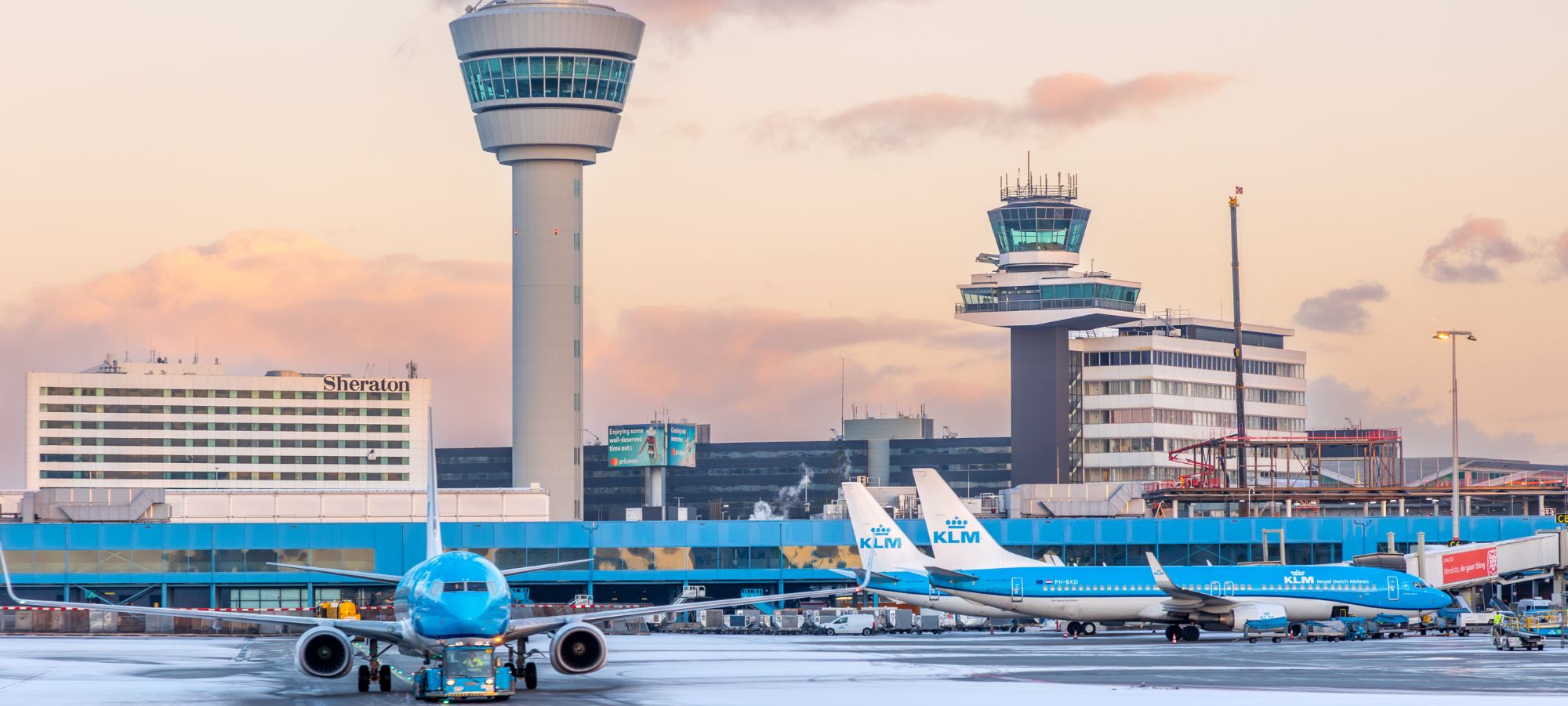
Heavy snow, strong winds and freezing temperatures caused widespread disruption across Europe last week as airports, including Amsterdam Schiphol and Riga, faced cancellations and grappled with the reality of extreme weather conditions.
Planning for winter operations begins long before the first snowflake falls on the runway. As early as spring, airports in the northern hemisphere are already preparing for the colder months at the end of the year, fine-tuning their operational procedures and testing equipment and services to maintain safe operations in icy and adverse conditions.
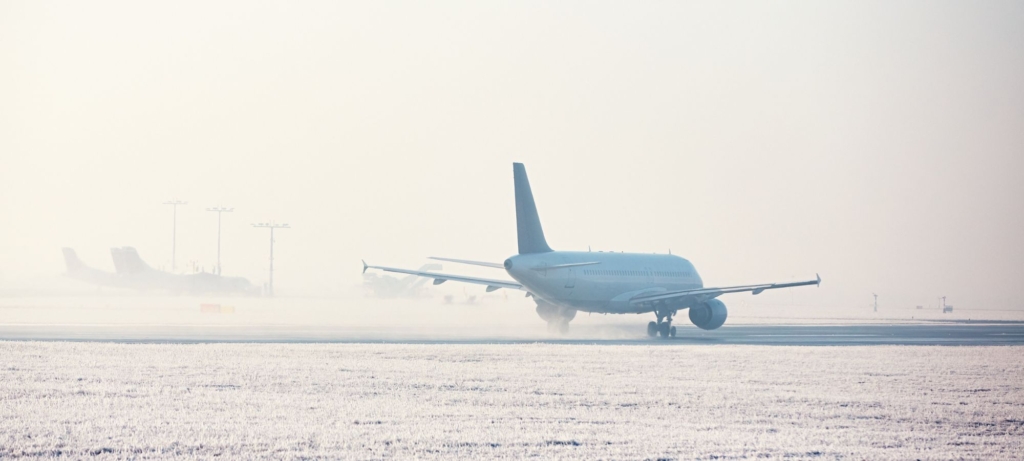
Yet even the most meticulous planning can be put to the test by the unpredictability of Mother Nature and extreme conditions. In early January, Storm Goretti brought heavy snow, ice and freezing temperatures to Europe, wreaking havoc on transport networks.
Airports and airlines across the continent were forced to suspend flights, with disruptions reported in destinations including France, the Netherlands, the Balkans, the UK and Belgium. Thousands of passengers were left stranded, many spending the night in airport terminals as operations ground to a halt.
Airports across Europe impacted by extreme winter weather
At Paris Charles de Gaulle Airport, around 100 flights were cancelled on Wednesday, 7 January, while the French capital’s Orly airport also saw around 40 flights cancelled.
In the UK, amber snow warnings were issued with wind gusts reaching up to 90 mph, while yellow weather warnings for snow and ice affected operations at airports across Scotland, Northern Ireland and the Midlands.
At the UK’s primary gateway, London Heathrow limited the number of aircraft that were able to land to ensure safe operations. Meanwhile, multiple British Airways flights were cancelled to and from UK hubs including Aberdeen, Edinburgh, Glasgow, Manchester and Inverness.
Riga’s resilience in the eye of the storm
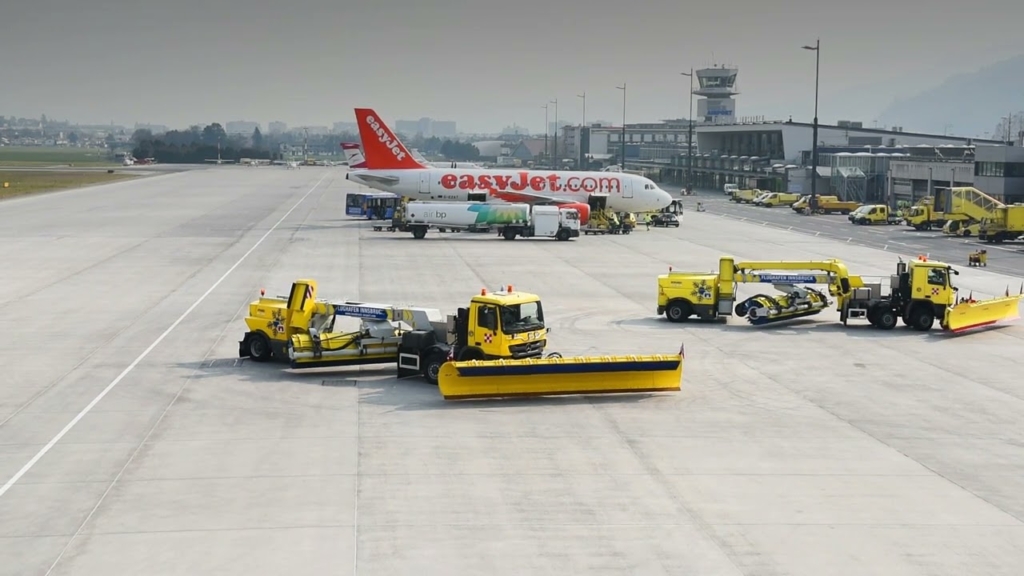
Situated in Latvia, Riga Airport is well-versed in extreme winter weather conditions. A spokesperson told Aerospace Global News, “We are fully equipped with the necessary winter airfield maintenance machinery, and we plan additional human resources for the winter season well in advance.”
They also underlined that consistent monitoring of weather is key. The winter services team closely monitor meteorological forecasts on a daily basis to ensure the winter services team is ready to respond to sudden weather changes or extreme winter conditions.
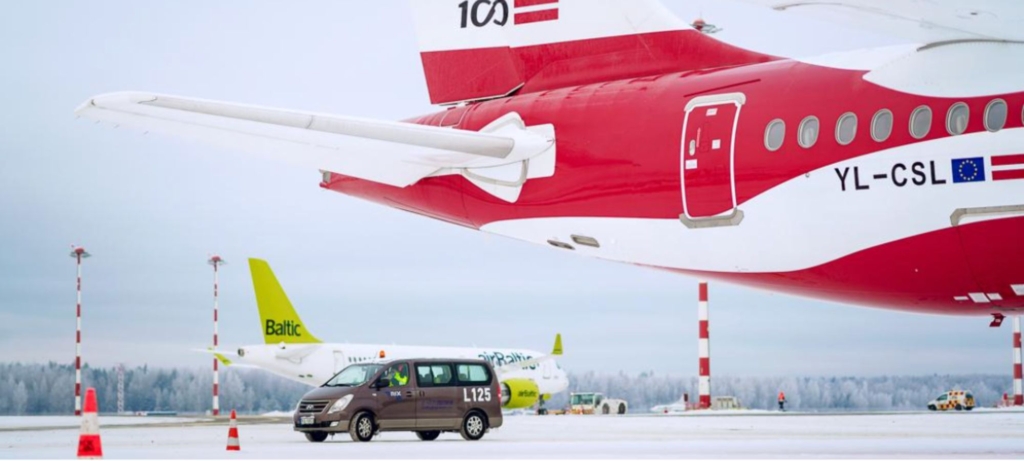
“Thanks to timely planning of equipment and staffing, Riga Airport’s operational work has so far continued without significant disruptions, and flights have operated according to schedule,” according to the airport’s spokesperson.
The airport’s advice for other air transport hubs is simple but effective. Ensuring equipment is thoroughly prepared and procuring sufficient quantities of both granular and liquid de-icing agents well in advance is key. Hiring seasonal staff to strengthen capacity and secure adequate human resources is also vital for any winter operations strategy.
“It is also essential to provide regular training for all involved in safe aerodrome operations, as well as to systematically and carefully analyse lessons learned from previous winters to prepare even better for the next season,” continued Riga Airport’s spokesperson.
How prepared was Amsterdam Schiphol for Storm Goretti?
Amsterdam’s Schiphol Airport was perhaps one of the worst affected, with around 700 flights cancelled due to Storm Goretti and passengers complaining of long lines and a lack of information. The Dutch carrier, KLM, had more than 3,200 flights cancelled across its network last week. Train services across the region were also impacted.
Winter wonderland at Schiphol. This is how we clear snow from the runways, platforms and gates and de-ice planes ❄️ pic.twitter.com/0MF11KUpdY
— Amsterdam Airport Schiphol (@Schiphol) January 5, 2025
Stefan Donker, a senior spokesperson at Amsterdam Schiphol, told Aerospace Global News: “As an airport, we are prepared for all kinds of situations, including typical Dutch winter weather. We constantly review our operations and implement improvements wherever they are needed.”
Adding that weather is “simply a factor in aviation,” he noted that the airport prepares for winter operations with a focus on snow and ice control, de-icing and “close cooperation with all our partners in the chain.”
Schiphol’s winter weather strategy
Every day over the past week, the airport, which has a winter ground services equipment (GSE) fleet of around 70 vehicles, has deployed around 250 additional colleagues on duty, including office staff who receive specialised training to clear snow and ice from the airfield.
“KLM, for instance, operates a total of 25 de-icing trucks, all of which have been in continuous use since 2 January to ensure aircraft were free of ice and able to depart safely,” said Donker.
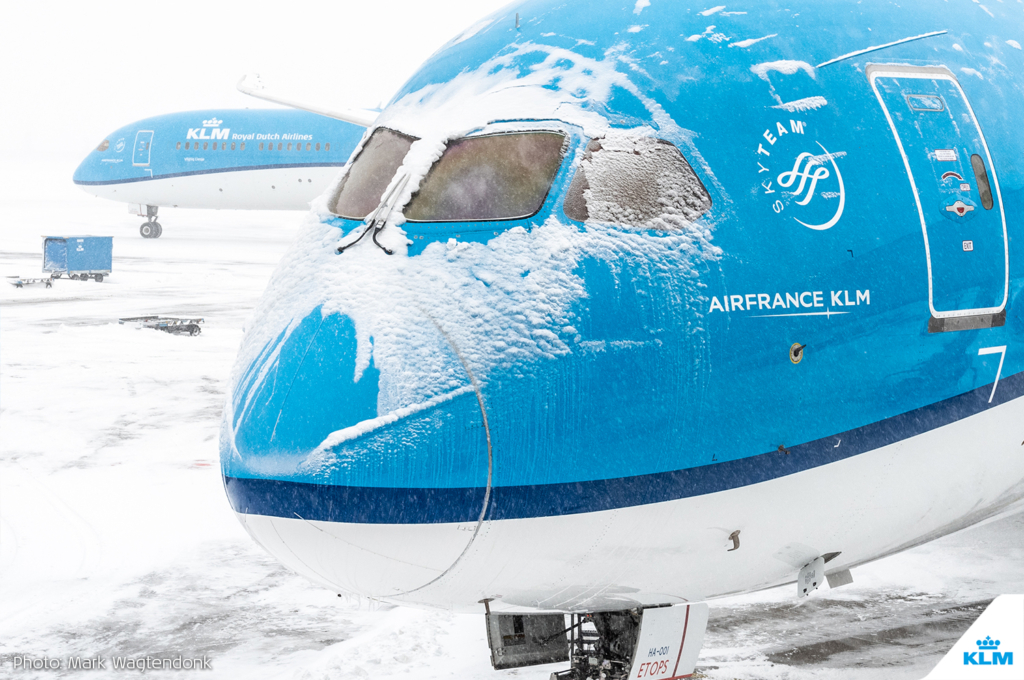
Despite these efforts, only limited air traffic to and from Schiphol was possible during the week of Storm Goretti. This, said Donker, “resulted in delays and cancellations to the flight schedule, which was very unfortunate for the affected travellers.”
How passengers at Schiphol Airport were affected
Donker also revealed that the airport team worked “around the clock” and closely with airline partners to keep passengers updated through all the available communication channels.
“When flights were cancelled, passengers were advised to contact their airline. Airlines were rebooking passengers, although this unfortunately took longer than hoped due to the high volume of enquiries, rebookings and disruptions to the flight schedule,” he explained.
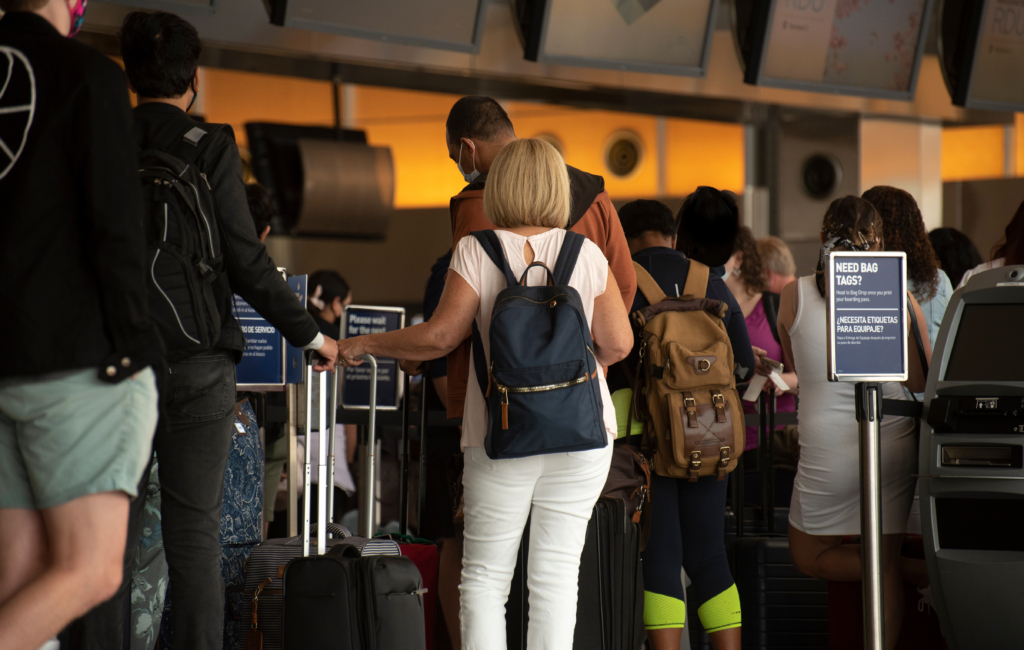
While it was reported that some 1,000 passengers were forced to spend the night at the airport, Donker confirmed that all passengers were advised to leave the airport and return home or seek alternative accommodation during the extreme weather conditions. However, some passengers were unable to leave due to visa restrictions or simply not having anywhere to go.
“We set up several hundred beds at Schiphol, provided pillows, blankets, food and drinks to support these travellers in this exceptional situation,” Donker said.
Re-evaluating airport procedures
It was also reported that there was a “critical shortage” of de-icing fluid at the airport, which further impacted operations.
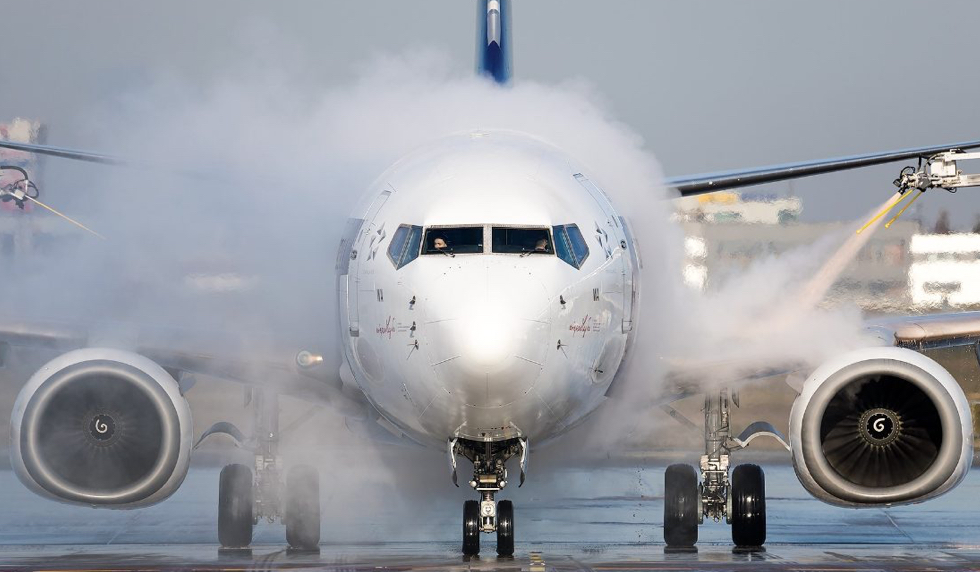
Describing last week’s winter weather conditions seen across The Netherlands and Amsterdam Airport in Schiphol as “truly exceptional,” Donker added the airport is currently assessing and evaluating its procedures to see how they can be improved for future extreme weather and winter seasons.
Featured image: Stock.adobe.com
Sign up for our newsletter and get our latest content in your inbox.


More from


September 21, 20263 min read


September 18, 20263 min read