Do aircraft engines need antifreeze in winter?

3 min read

Modern jet engines are designed to handle extreme cold, but understanding the interaction between fuel, oil and temperature is what’s really important.
Fuel freezing points in cold weather
Fuel is the big concern when it comes to cold-weather operations. Jet-A fuel, the standard for most turbine engines, has a freezing point of around -40°C, already low enough for typical winter conditions in most parts of the world.
Many commercial operators use the “upgraded” Jet-A1, which includes additives to lower the freezing point to -47°C. This provides an extra margin of safety for high-altitude flight in polar or sub-zero environments.
While the risk of fuel solidifying in the tank is minimal at these temperatures, crews still need to be vigilant when operating near these extreme limits.
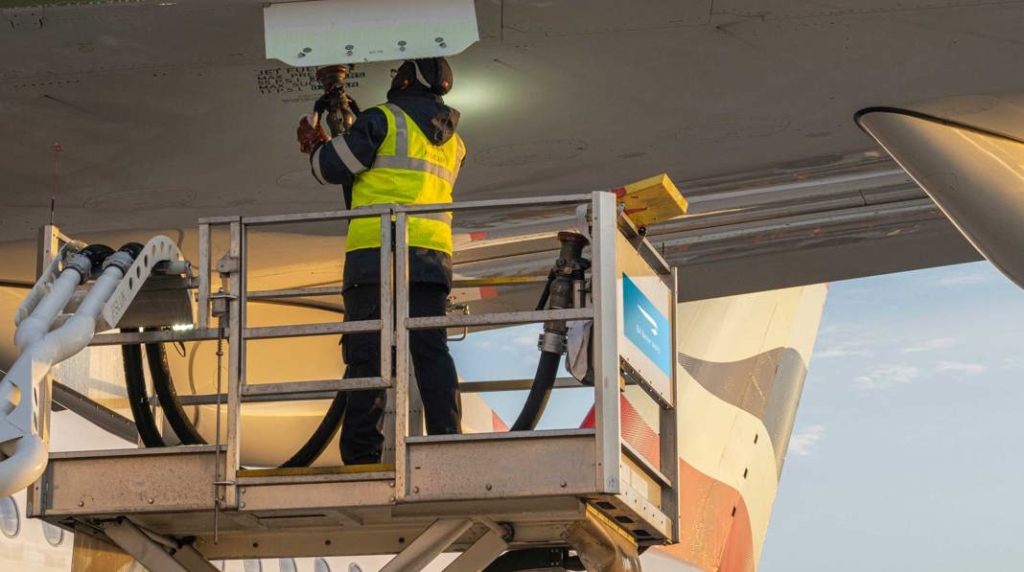
How the fuel oil heat exchanger protects engines
A key feature in many turbine engines is the Fuel Oil Heat Exchanger (FOHE). This system works by making use of the temperature differential between hot engine oil and cold fuel.
Basically, as cold fuel flows toward the combustion chamber, it passes through the FOHE where warmer engine oil heats it up. This not only keeps the fuel in a fluid state but also cools the oil in the process, maintaining optimal engine performance.
The beauty of the FOHE is that it uses the engine’s existing thermal energy rather than relying on extra chemical additives like antifreeze.
What are cold soak procedures?
Cold soak procedures are the steps pilots and ground crews follow when an aircraft has been sitting in very cold temperatures for several hours or overnight. These steps allow the airplane’s fuel, oil, hydraulic fluids and metal structures to reach ambient temperatures.
As mentioned, oil becomes very thick in sub-zero temperatures. This can cause high oil pressures when starting the engines, fuel can approach its freezing point or form wax crystals that might clog filters, hydraulic systems respond more slowly, and batteries or auxiliary power units may not perform as well.

To mitigate this, crews check fuel and oil temperatures, preheat engines using heaters or external power units if available and perform slow, controlled engine starts while monitoring oil and hydraulic pressures until temperatures stabilise.
Control surfaces are also carefully checked because they may be stiff in extreme cold, and engines are warmed gradually during taxi to avoid high thrust on cold components.
Accurate documentation of temperatures, a thorough pre-flight winter checklist, and following manufacturer cold-soak limitations mean that engines and systems can operate safely.
This helps prevent mechanical damage and maintain proper, safe fuel flow.
Cold-weather engine ops in a nutshell
While the idea of antifreeze for aircraft engines might seem intuitive, modern turbine engines are designed to handle winter extremes without it.
Fuel freezing is much less of an issue thanks to Jet-A1 additives, while FOHE systems regulate fuel and oil temperatures efficiently.
Cold oil pressures require careful attention, but with the right operational practices, engines can start reliably even in the coldest conditions – no additional antifreeze needed.
Get all the latest commercial aviation news on AGN here.
Featured image: Emma Lewis
Sign up for our newsletter and get our latest content in your inbox.


More from

October 11, 20263 min read