Why do most aircraft have engines under the wings?

December 7, 2025

Have you ever wondered why most commercial aircraft share a similar design and engine placement? Most commercial aircraft follow a conventional design where engines are mounted under the wings. The design has significant operational and safety advantages, particularly in commercial aviation.
Wing-mounted engines
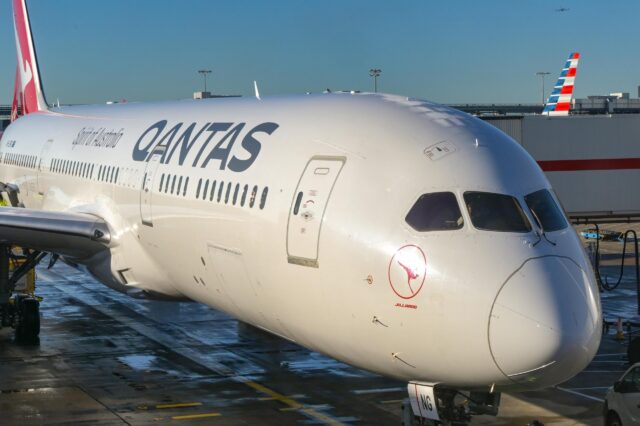
On most aircraft, the engines are suspended by pylons and hang below and in front of the wing, a design that has been popular since the 1940s. The first commercial jetliner, the de Havilland DH 106 Comet, featured four engines flush within the wing roots.
The Boeing XB-47 featured engines mounted in pods on wing pylons. Pylons are fixed within the wing structure, allowing sufficient clearance from the wing surface. The design, combined with the innovative wing sweep of the XB-47, resulted in improved speed and aerodynamic efficiency. Since then, this configuration has been the most effective design in terms of operational efficiency and flight safety.
Design considerations of wing-mounted engines
Wing-mounted engines reduce wing-bending moments caused during flight. The pressure difference between the lower and upper parts of the wing generates lift, forcing the wing to bend upwards.
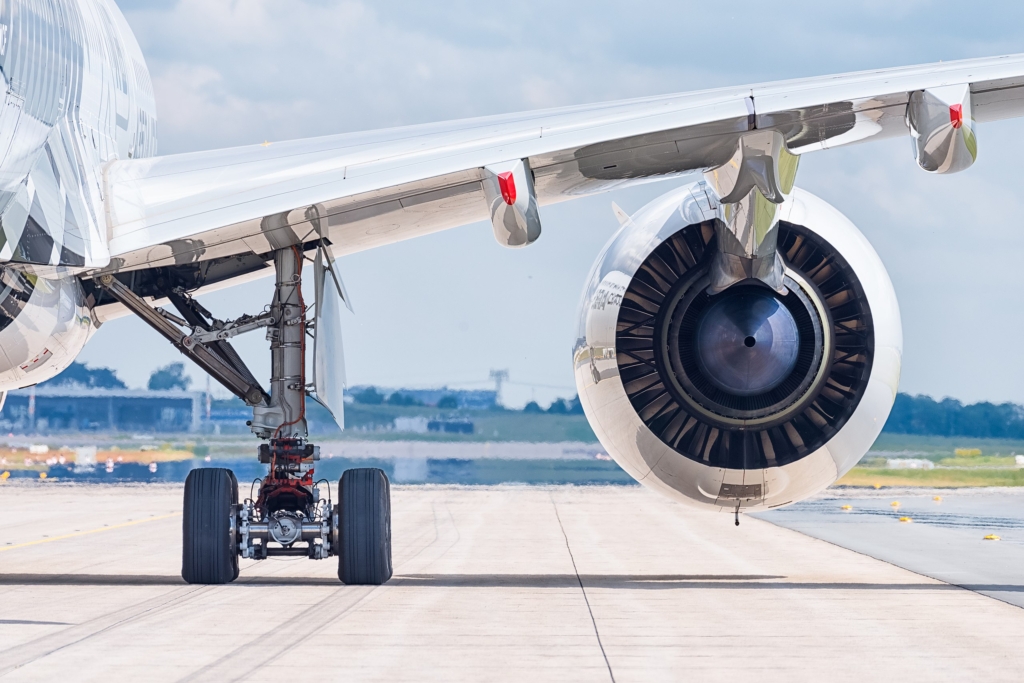
Engines weigh down the structure, significantly reducing bending loads during critical phases of flight. While wings must carry the weight of the engine, they can be structurally lighter to oppose the upward lift force.
A large amount of jet fuel is stored in aircraft wings. The engine’s location facilitates the transfer of fuel more efficiently. Moreover, engines mounted under the wings also make gravity fuel feeding possible in the event of a fuel pump failure.
With the engines placed away from the fuselage, clean and undisturbed air is sucked into the engines. With minimum interference, the air is more uniform, improving propulsive efficiency.
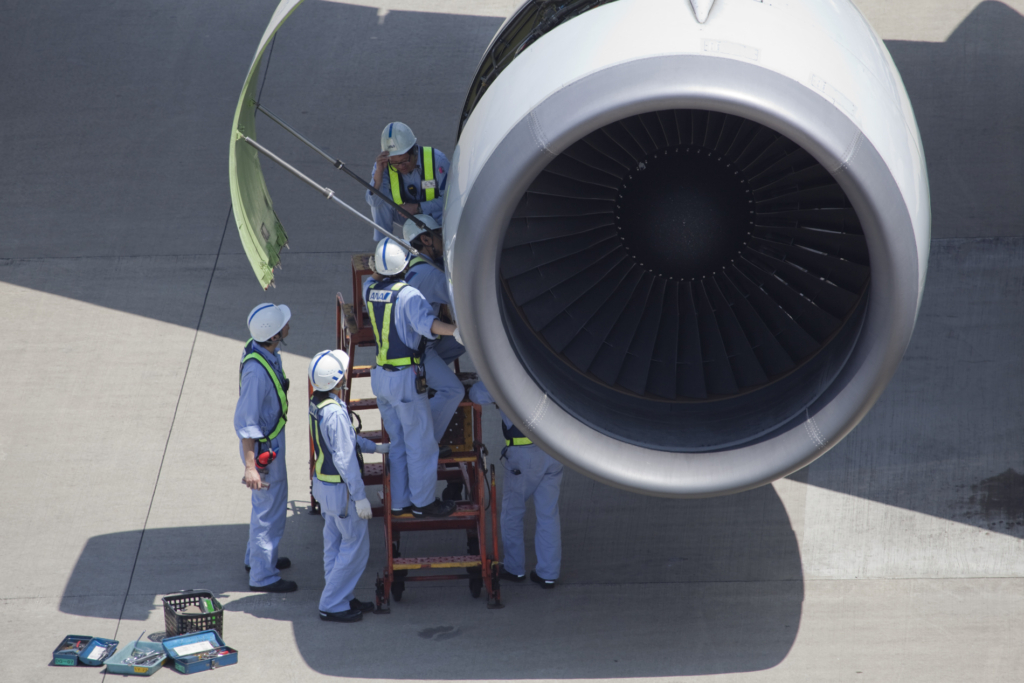
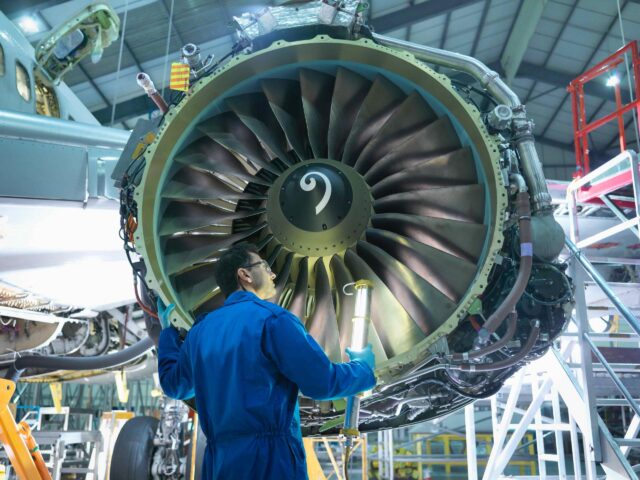
Engines mounted low to the ground make ramp checks and maintenance tasks simpler. It is common for the ground personnel to carry out minor repairs, including oil changes, on the ground between flights.
Wing-mounted engines are a design trade-off
Engine failure events are rare, but when they happen, controlling the aircraft with uneven thrust can be challenging. With wing-mounted engines installed farther away from the aircraft’s CG, pilots must counter strong, undesirable yaw moments.
Moreover, the aircraft experiences a greater nose-up moment at high thrust conditions, reducing pitch stability. The tail section (horizontal and vertical stabilisers) is designed to withstand greater forces and moments, particularly in unusual events.

With the engines hanging below the wings, the aircraft’s landing gear must offer sufficient ground clearance. The engines are more susceptible to foreign object debris (FOD) during operation. While special procedures are followed to minimise FOD risk, ingestion of unwanted debris can cause severe damage to the engine.
Other engine configurations
Some smaller aircraft types, particularly regional and business jets, feature rear fuselage-mounted engines. This configuration enables a cleaner, more structurally optimised wing design. While the engine intake is disturbed due to structural interference, the engines are attached closer to the aircraft’s CG. As such, fewer control inputs are required in the event of engine failure.
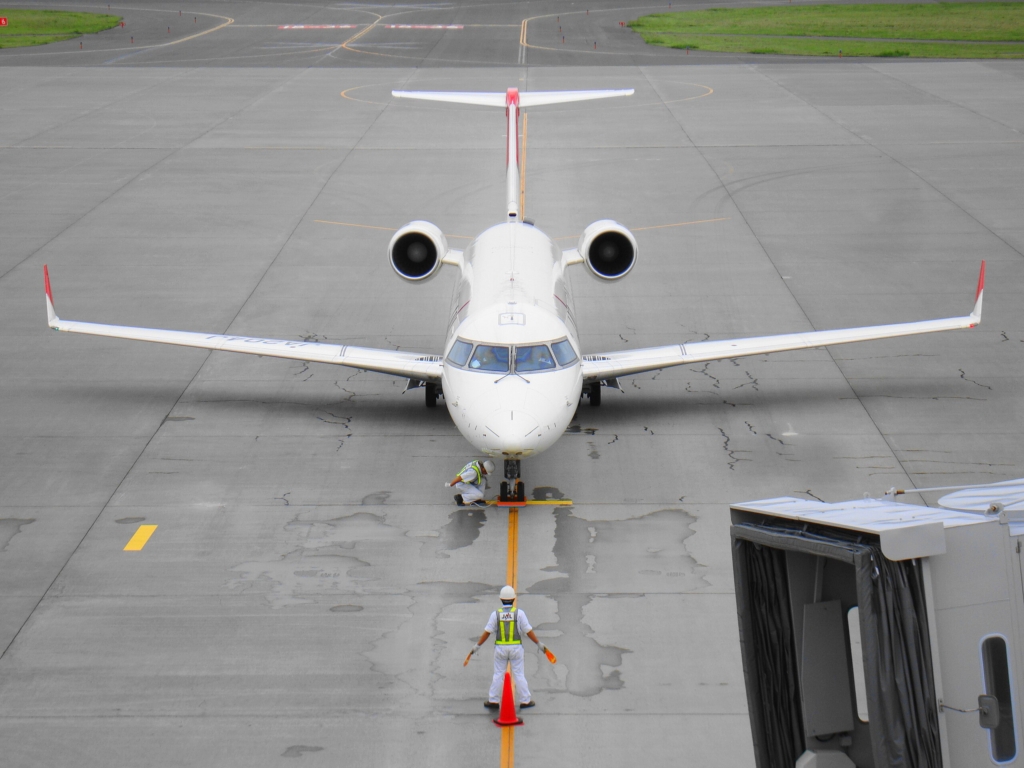
Aircraft with rear-mounted engines can be designed to sit lower to the ground, allowing simpler passenger and cargo access. Operators of such aircraft do not generally require heavy loading and service equipment. Additionally, a built-in air stair or simple ground equipment can be utilised for passengers.
Featured Image: RHL Images / Wikimedia Commons