Daily drone attacks disrupt Moscow airports as Russia readies for Orthodox Christmas

3 min read

Moscow has been targeted by Ukrainian drone attacks every day so far in 2026 as Russia prepares to celebrate Orthodox Christmas on the 7th. These attacks are causing significant flight disruptions and could herald an increasingly problematic 2026 for Russian aviation.
Ukrainian drone attacks every day on Moscow
As the world welcomed a new year last week, Russia started the new year facing the prospects of ever-increasing flight disruptions. Disruptions to civil aviation in Russia are sporadically reported in the news, not because they are uncommon, but because they have become normalised.

Today, NDTV reported that three out of four of Moscow’s airports were forced to shut air traffic on Sunday due to Ukraine launching dozens of drone attacks at Moscow. This included Vnukovo, Moscow’s second-busiest airport. The Ukrainian Week reported that almost 200 flights to Vnukovo, Domodedovo, and Zhukovsky airports were delayed.
NDTV stated, “A spokesman for Russian aviation regulator Rosaviatsia announced the closures between 1300 GMT and 1400 GMT.”
Meanwhile, The Guardian on the 5th of January quoted Russia’s defence ministry as saying Ukraine has targeted Moscow with drones every day of 2026 so far. By midnight on Sunday, Russia claims its air defences have destroyed 57 drones over the Moscow region and a total of 437 over Russia.
Disruptions for Russian New Year and Christmas
It’s worth noting that this is occurring as Russians take vacations and travel during the New Year and the Russian Orthodox Christmas break.
For the 2d day, dozens of drones targeted Moscow, forcing airport closures & causing delays to nearly 200 flights on Vnukovo, Domodedovo & Zhukovsky airports. #Ukraine regularly launches drone against Russian military facilities to reduce Russia's ability to wage its all-out war. pic.twitter.com/JM6T2ydbL6
— The Ukrainian Week / Tyzhden (@ukr_week_en) January 4, 2026
Russia, along with some other Orthodox churches, celebrates Christmas on January 7th in accordance with the old Julian Calendar. Ukraine now celebrates it on the 25th of December.
Separately, Russian jamming of Ukrainian drones, as well as measures to suppress internet access, have made cellular data disruptions a fact of life in Russia.
Since the beginning of the war, the entire airspace over Ukraine has been closed to commercial aircraft. The space of all Russian regions bordering Ukraine has also been closed. Time will tell if Russia will be forced to expand its airspace off-limits.

At the same time, Russia is facing issues with replacing its ageing fleets of aircraft, including 50-year-old regional aircraft left over from the Soviet Union. Russia is racing to put its own domestic commercial aircraft back into production.
Get the latest aerospace defence news here on AGN.
Ukraine’s burgeoning deep strike capabilities
In 2022, Russia launched its special military operation to topple the Ukrainian government. Almost four years later, Russia finds itself on the defensive as Ukraine’s long-range strike capabilities surge. Ukraine started the war with almost no deep strike capability; now, Russia’s comparative advantages are gradually eroding.
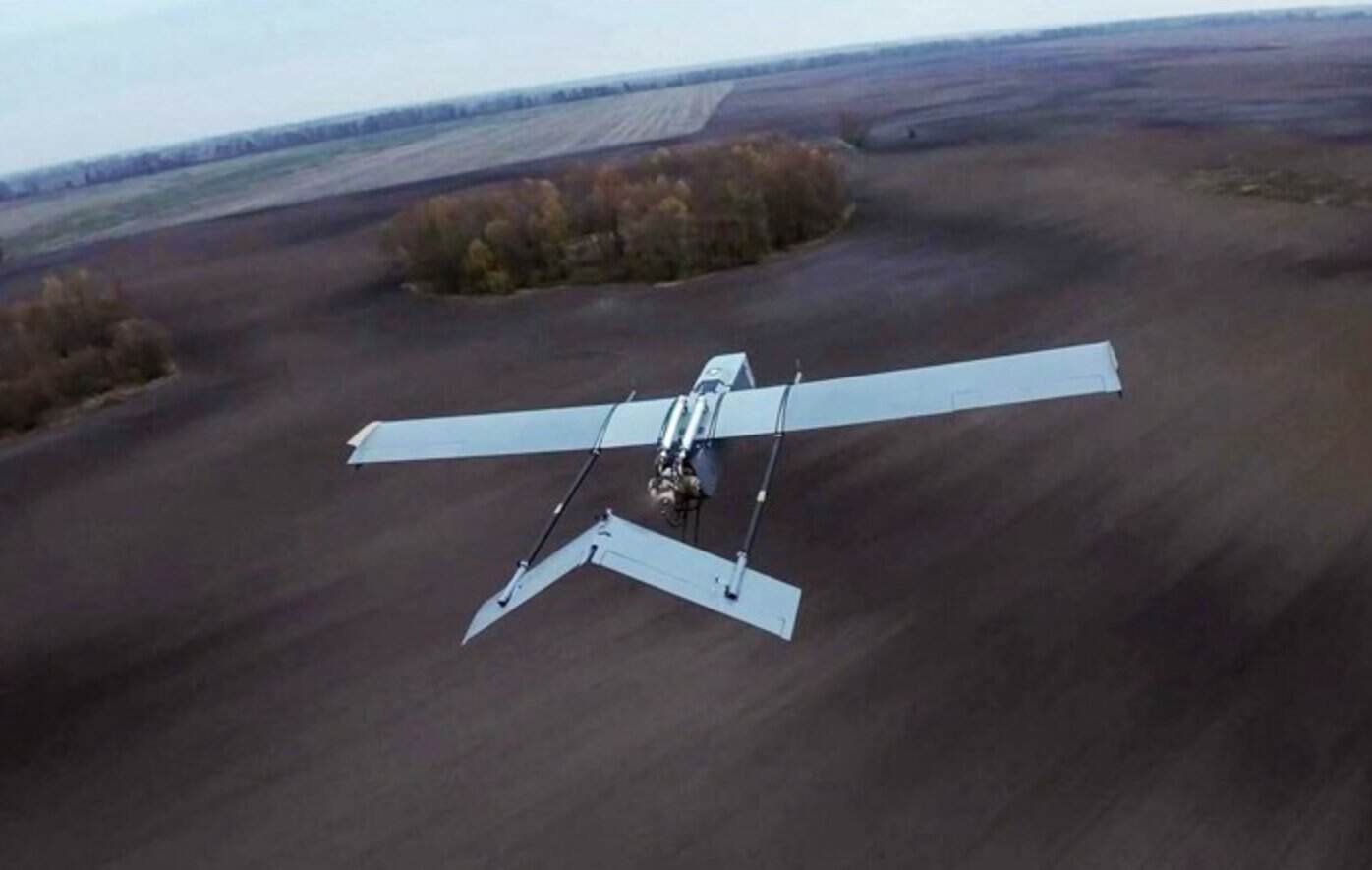
Ukraine’s Fire Point has emerged as one of the leading producers of long-range strike drones. It claims to have localized 97% of engine production for its long-range FP-1/FP-2 drones. Fire Point’s CTO, Iryna Terekh, says 80 of the 82 parts are now made in-house, from casting to final assembly.
Production for these drones, which function as a low-cost cruise missile, now tops 200 units a day and costs $58,000 each. This is reportedly cheaper than Russia’s Shahed-style drones. Ukraine still imports microchips.
Ukraine now produces over 200 FP‑1/FP‑2 long-range strike drones per day at about $58,000 per FP‑1, significantly cheaper than Russian Shaheds, Fire Point CTO Iryna Terekh said. pic.twitter.com/lTIkeptlMP
— WarTranslated (@wartranslated) January 4, 2026
The threats to commercial flights over Russia are very real. So far, Russian forces have accidentally shot down one civilian airliner (Azerbaijan Airlines Flight 8243) and hit another (Aeroflot Flight AFL1845) with flak fire as it came into land in Moscow in 2025.
Featured Image: Wikimedia Commons
Sign up for our newsletter and get our latest content in your inbox.


More from


October 17, 20264 min read