SpaceX Starship failure forced airline flights into fuel emergencies as debris rained down

December 22, 2025
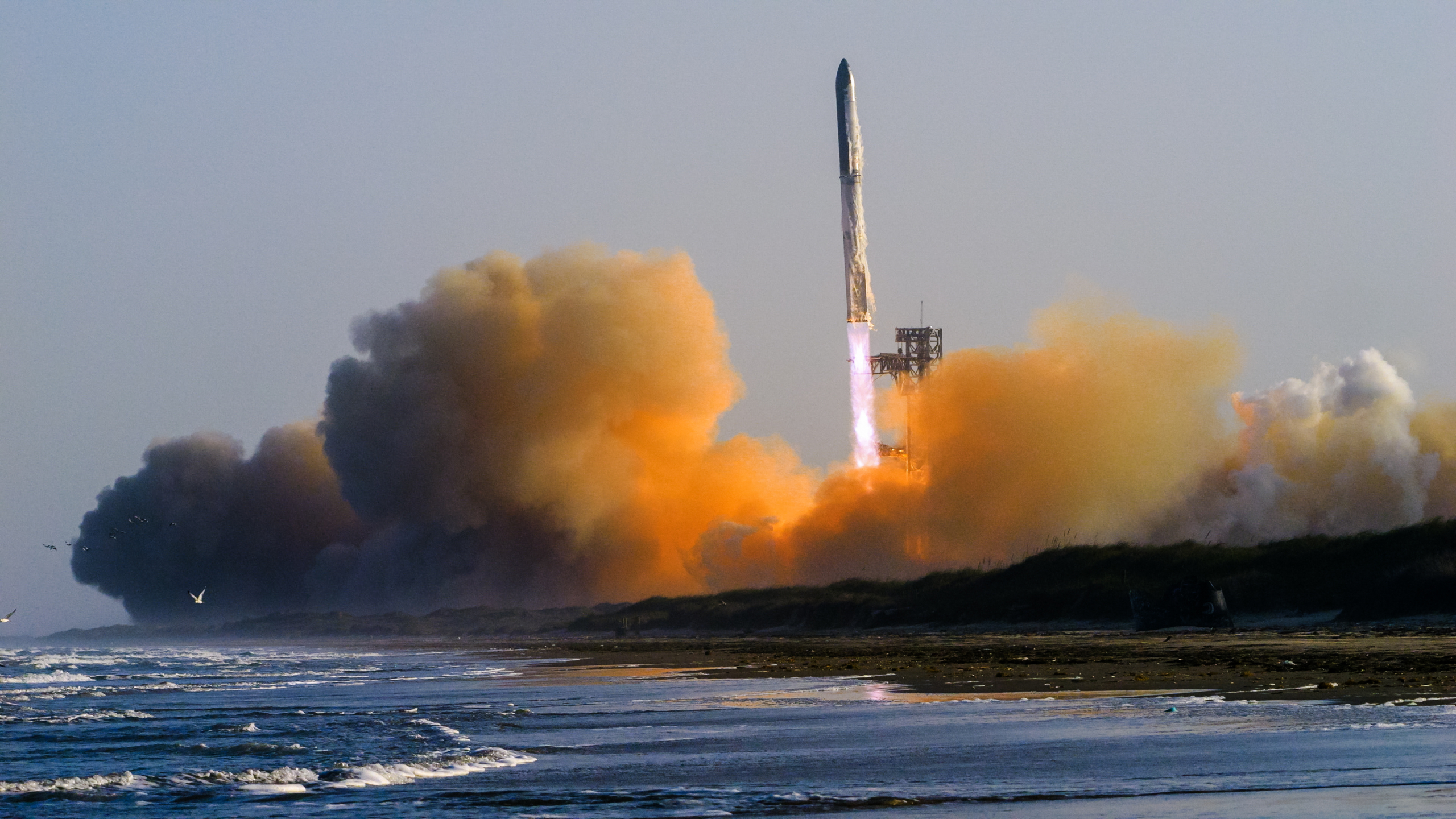
A new Wall Street Journal report claims that the explosion of a SpaceX Starship rocket on 16 January posed a greater potential risk to commercial aircraft than had previously been publicly acknowledged.
The report, based on internal Federal Aviation Administration documents, suggests falling debris from the failed test flight complicated air traffic management in the Caribbean, particularly around Puerto Rico, and significantly increased controller workload during the incident.
SpaceX’s rocket showers the airspace with debris
As the adage goes, what goes up must come down, assuming the object in question does not achieve escape velocity. During a test flight on 16 January 2025, SpaceX’s Starship suffered a mishap minutes after launch from Starbase, Texas, resulting in a dispersed debris field.
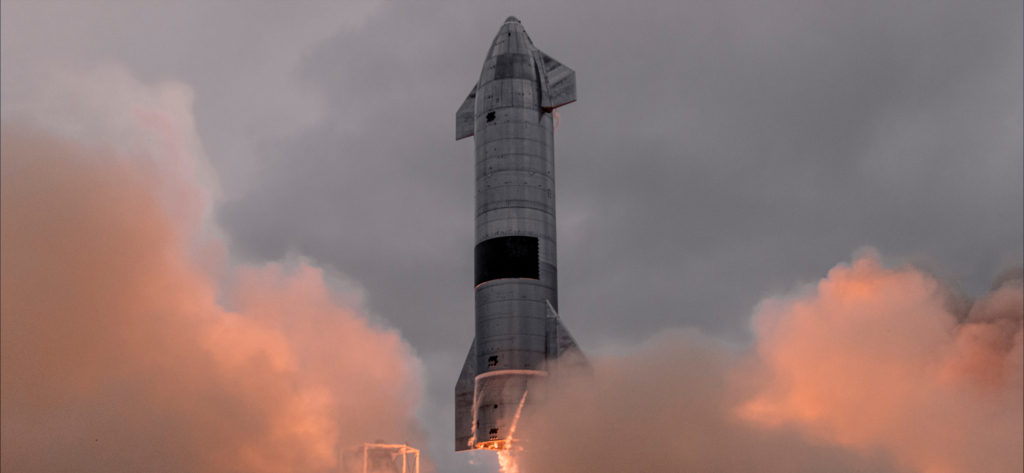
According to FAA records cited by the WSJ, debris from the failed flight persisted across parts of the Caribbean airspace for up to 50 minutes. During that time, air traffic controllers worked to slow, divert, and sequence aircraft to avoid the affected area.
The FAA documents described the situation as presenting a “potential extreme safety risk.” However, this phrasing refers primarily to systemic risk, including elevated controller workload, compressed traffic flows, and uncertainty around the debris footprint, rather than any confirmed debris strike on an aircraft.
SpaceX Starship Explosion Scattered Debris Over Caribbean, FAA Documents Show
— The Wall Street Journal (@WSJ) December 22, 2025
The added complexity contributed to one instance where two aircraft came closer than planned, prompting ATC intervention to maintain safe separation. Such interventions are part of normal air traffic management when traffic flows are disrupted, though the FAA noted the unusually high workload created by the event.
Timeline: how the SpaceX Starship January mishap affected air traffic
FAA and WSJ reporting indicate the sequence unfolded broadly as follows:
- Minutes after liftoff: Starship experienced a mishap and stopped transmitting telemetry
- Shortly afterwards: The FAA slowed and diverted traffic near Puerto Rico as a precaution
- Over the following period: Debris risk was assessed as persisting for roughly 50 minutes
- During this time: Pilots were among the first to report visible debris to ATC
- Later: Temporary no-fly debris zones were established, limited largely to US radar-covered airspace
One pilot reported “seeing pieces of debris and intense fire between the 1 and 2 o’clock position,” according to FAA records.
Get all the latest commercial aviation news on AGN here.
Commercial flights declared Mayday during the SpaceX debris incident
The event directly affected three aircraft carrying a combined total of around 450 people: a JetBlue flight bound for San Juan, an Iberia Airlines service, and a private jet.
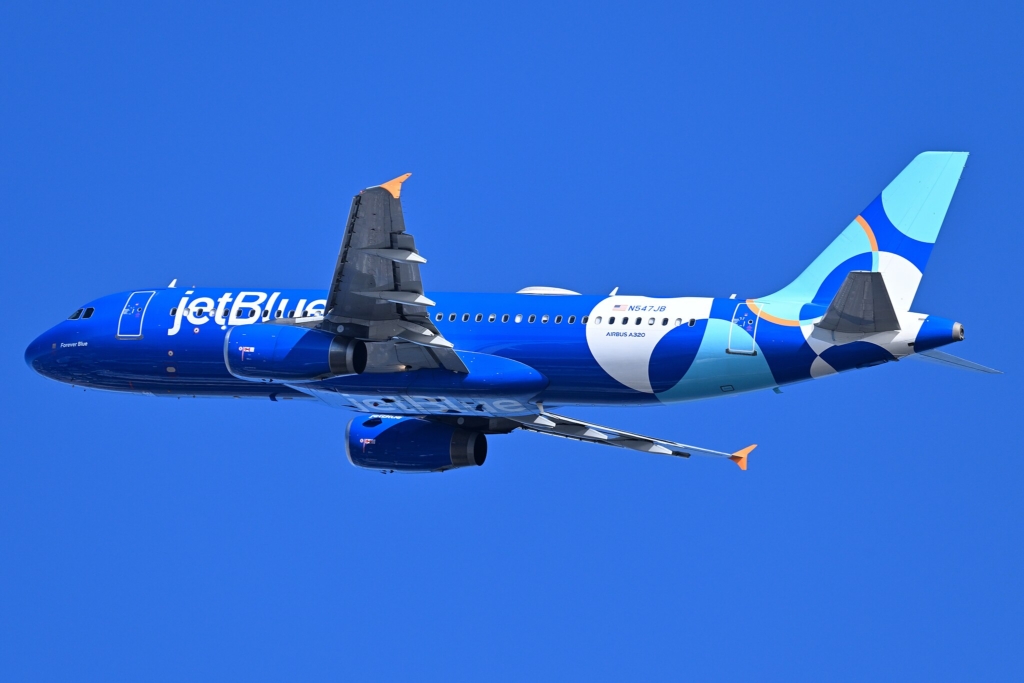
The JetBlue aircraft was warned by ATC that it was approaching a potential debris hazard area and was told continuing toward San Juan would be at the crew’s discretion. The aircraft initially entered a holding pattern.
Wreckage from the latest SpaceX explosion was seen streaming from the skies over Florida and the Bahamas.
— The Associated Press (@AP) March 7, 2025
The mammoth Starship rocket launched on Thursday but lost contact minutes into the test flight as the spacecraft came tumbling down and broke apart. pic.twitter.com/RV3v565pYQ
However, extended holding created a fuel-management dilemma. Continuing to hold risked fuel reserves falling below required thresholds, while proceeding raised concerns about residual debris risk. According to WSJ reporting, the JetBlue flight, along with the Iberia aircraft and the private jet, ultimately declared fuel emergencies and continued through the area.
Declaring a fuel emergency or Mayday in such circumstances is a procedural tool that allows pilots to secure landing priority when fuel margins are reduced. It does not necessarily indicate loss of control or immediate danger. All three aircraft landed safely.
One aircraft was told they would need to declare an emergency to land at San Juan. Pilot responded, “In that case, we declare emergency: Mayday. Mayday. Mayday.”
Yet another misleading “story” by the WSJ.
— SpaceX (@SpaceX) December 21, 2025
The reporters were clearly spoon-fed incomplete and misleading information from detractors with ulterior motives.
At best, it shows a complete lack of understanding of the robust tools used by safety officials to manage airspace,… https://t.co/tUpFA0PRL0
Did SpaceX debris put aircraft at risk? FAA and airline views diverge
Airlines involved have played down the danger posed to their aircraft. A JetBlue spokesperson said the flight safely avoided areas where debris was reported or observed, while an Iberia spokesperson stated its aircraft passed through the area only after debris had already fallen, adding there was “no safety risk.”
These statements contrast with the FAA’s internal characterisation of elevated system risk, highlighting the difference between theoretical or residual hazard and confirmed physical danger to aircraft.
FAA reviews Starship debris procedures
In the aftermath of the January incident, the FAA convened an expert panel to review how debris fields from large launch vehicles should be managed. A further Starship failure in March added urgency to the review, although that later incident caused less disruption to commercial aviation and did not result in emergency declarations.
Super Heavy caught by the tower 🤯
— SpaceX (@SpaceX) March 6, 2025
One limitation identified in January was that debris exclusion zones were initially confined to US-controlled airspace with radar coverage. This left pockets of adjacent international airspace open, despite facing similar theoretical debris exposure.
By August, the FAA suspended the formal review, stating that many safety recommendations were already being implemented and that further consultation with international partners was required.
Liftoff and the final phases of booster catch as seen from the top of our second Starship launch and catch tower at Starbase pic.twitter.com/OPwNoqqRSB
— SpaceX (@SpaceX) October 14, 2024
SpaceX rejects claims that Starship endangered airline flights
The WSJ reported that SpaceX declined to comment prior to publication. After the article appeared, SpaceX publicly criticised the piece, calling it misleading and based on incomplete information.
Responding on social media, SpaceX said:
“No aircraft have been put at risk.”
The company has not disputed that airspace disruptions occurred, but appears to reject the implication that aircraft were ever in danger of debris impact, drawing a distinction between operational disruption and physical hazard.
Featured Image: SpaceX