


Concordski? Meet the Tu-144, Russia’s reply to Concorde

4 min read
Imagine taking off from London Heathrow Airport at 08:00 and landing at New York JFK at 09:00 the same morning. It was Concorde that made the supersonic journey possible. Entering commercial service with British Airways and Air France simultaneously in January 1976, the new era of supersonic passenger travel began five decades ago.
The demise of Concorde following the crash of Air France Flight 4590 that killed all 109 occupants was a major setback in the aviation industry. What was considered a pioneer in supersonic air travel retired in 2003, 27 years after its introduction.
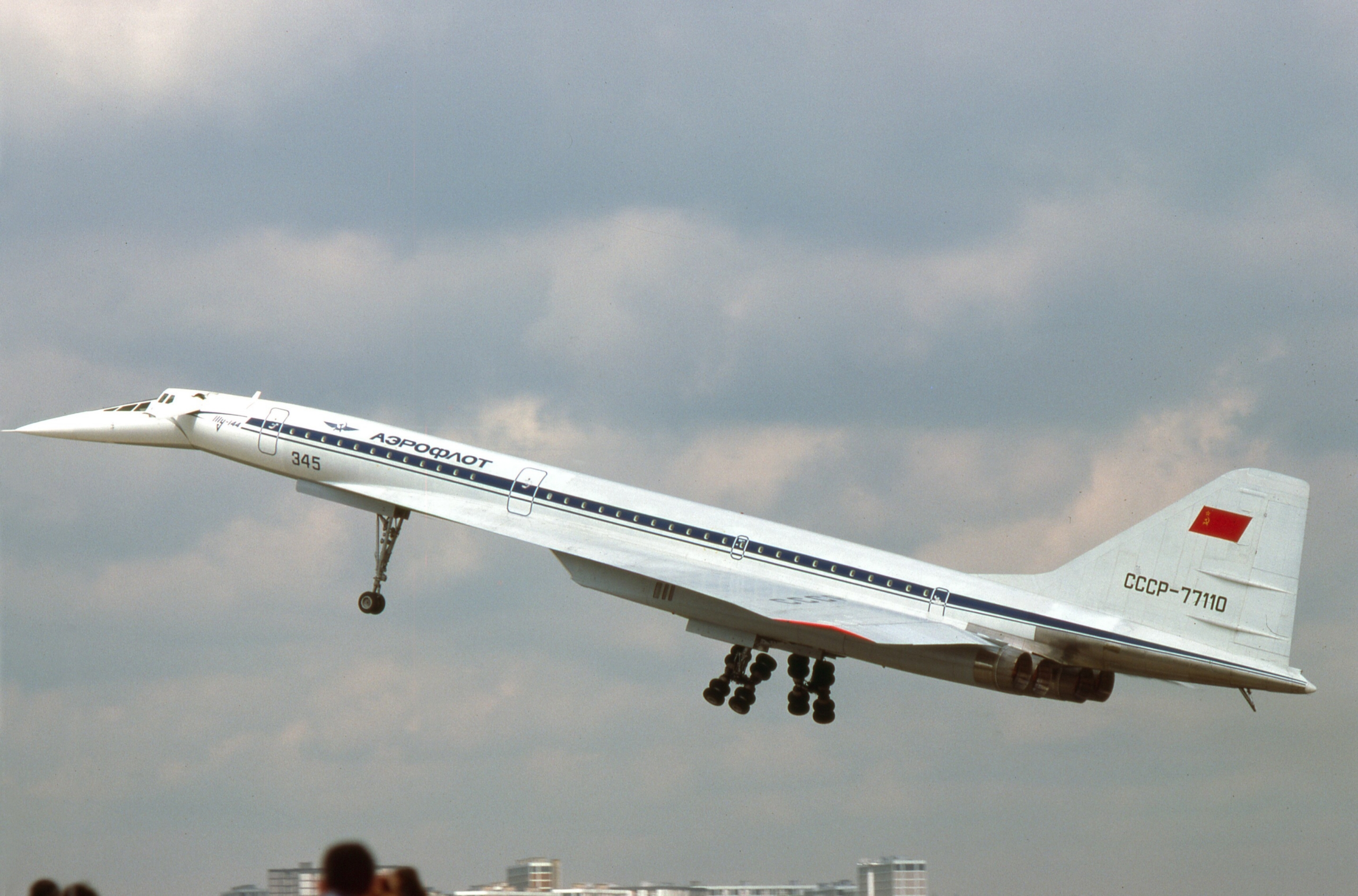
Concorde was not the only aircraft capable of flying supersonic at the time. Russia’s response to Concorde was the Tupolev Tu-144, a supersonic airliner that conducted commercial passenger and cargo flights between 1975 and 1983.
Designed by the Soviet Union’s Tupolev Design Bureau, a total of 17 units were manufactured, including prototypes. The Tu-144 achieved 102 commercial flights, of which 55 flights carried passengers.
Concorde vs Tu-144: The race to supersonic passenger flight
The design of the Tupolev Tu-144 was very similar to its British-French competitor, and hence it received the nickname “Concordski”. When it was first rolled out, both the Soviets and French were impressed by the design’s clean characteristics.
The Soviet Tu-144 beat Concorde to the skies twice.
It had its maiden flight on December 31, 1968, two months before Concorde took off for the first time. In June 1969, the Tupolev Tu-144 achieved its first supersonic flight, beating its competitor by four months. In May 1970, the Tu-144 became the world’s first commercial transport aircraft to exceed Mach 2.
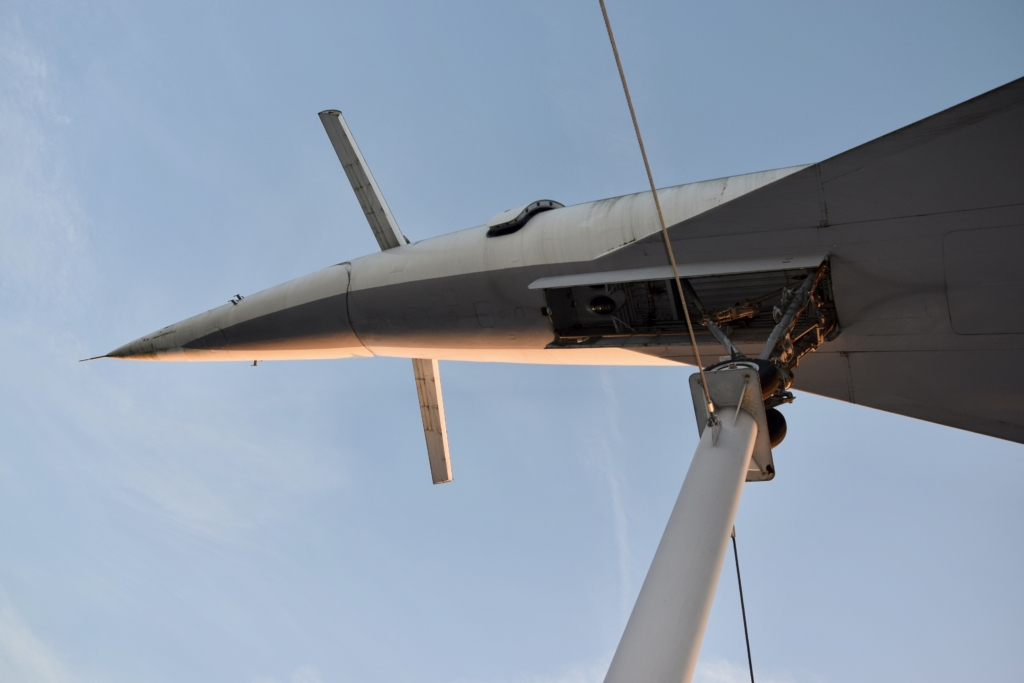
The Tupolev was slightly bigger and faster than its rival. Moreover, unlike Concorde, the Tu-144 featured a pair of canards just aft of the cockpit, delivering additional lift and improved handling at lower speeds. Soviet experts claimed that although the Tu-144 looks like Concorde, it was a very different plane based on functional criteria and design parameters.
With the type airworthy, the Soviet jet was positioned ahead of its competition in supersonic passenger travel. Ilya Grinberg, a Soviet aviation expert and engineering professor at Buffalo State University, stated to CNN,
“Expectations were high. The entire USSR was extremely proud of the Tu-144, and the Soviet people had no doubt that it was better than Concorde. And it was so pretty!”
| Specification | Tupolev Tu-144 | Concorde |
|---|---|---|
| First flight | 31 December 1968 | 2 March 1969 |
| Entry into commercial service | 1975 (cargo), 1977 (passenger) | 1976 |
| Manufacturers | Tupolev Design Bureau | Aérospatiale / BAC |
| Length | ~65.5 m (215 ft) | 61.66 m (202 ft) |
| Wingspan | 28.8 m (94 ft) | 25.6 m (84 ft) |
| Height | 12.5 m (41 ft) | 12.2 m (40 ft) |
| Maximum take-off weight (MTOW) | ~207,000 kg (456,000 lb) | ~185,000 kg (408,000 lb) |
| Engines | 4× Kuznetsov NK-144 or Kolesov RD-36-51 | 4× Rolls-Royce/Snecma Olympus 593 |
| Maximum cruise speed | Mach 2.15–2.3 (variant-dependent) | Mach 2.04 |
| Typical cruise altitude | ~52,000–65,000 ft | ~60,000 ft |
| Range | ~3,000–3,200 km (1,600–1,730 nmi) (typical figures vary by model) | ~7,200 km (3,900 nmi) |
| Typical passenger capacity | 70–120 (layout varied) | 92–128 |
| Canards | Yes (retractable) | No |
| Commercial passenger flights | 55 | ~50,000 |
| Service retirement | 1983 | 2003 |
Tu-144 Paris Air Show crash and programme setback
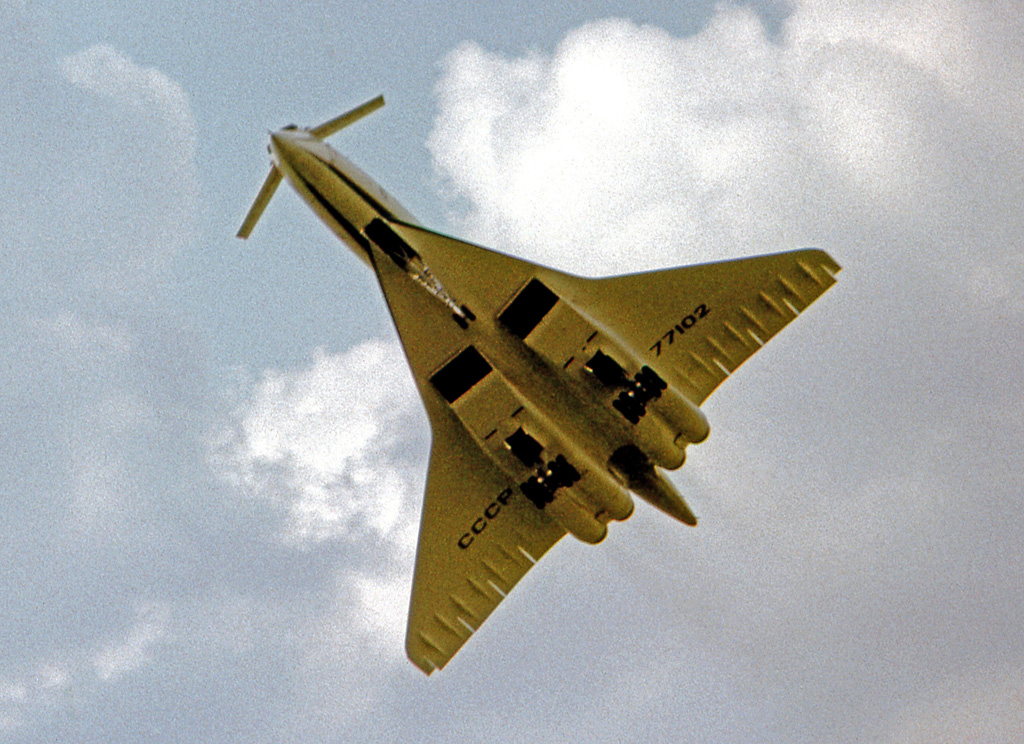
During the Paris Air Show in June 1973, the second production model of the Tu-144 crashed during the flyby performance. While showcasing extreme manoeuvres, the aircraft disintegrated midair, killing all six onboard and eight people on the ground.
Footage from the crash showed that the aircraft’s wings broke off during a nosedive stunt, presumably exceeding allowable stress limits. The crash was indeed a big blow for the Tupolev program, delaying production and entry into service by four years.
The Soviets remained adamant that their aircraft was superior to Concorde and was ready to enter commercial service. The type entered service in 1977 but was soon met with a range of operational issues. From inflight depressurisation and engine failures to malfunctioning flight deck systems, the Tu-144 quickly became a teething problem for the operators. Grinberg stated,
“The country as a whole was not ready to deploy planes like this. It had teething problems, it was not economical, and ultimately, there was no real need for high-speed passenger transportation.”
The end of the Tupolev Tu-144 supersonic airliner
On May 23, 1978, a new Tu-144 variant caught fire during a test flight near Moscow, killing two flight engineers during an emergency landing.
The accident prompted a complete ban on passenger flights, keeping only cargo operations alive. The Soviets cancelled the Tu-144 program altogether in 1983, marking the end of the era of the supersonic jet.
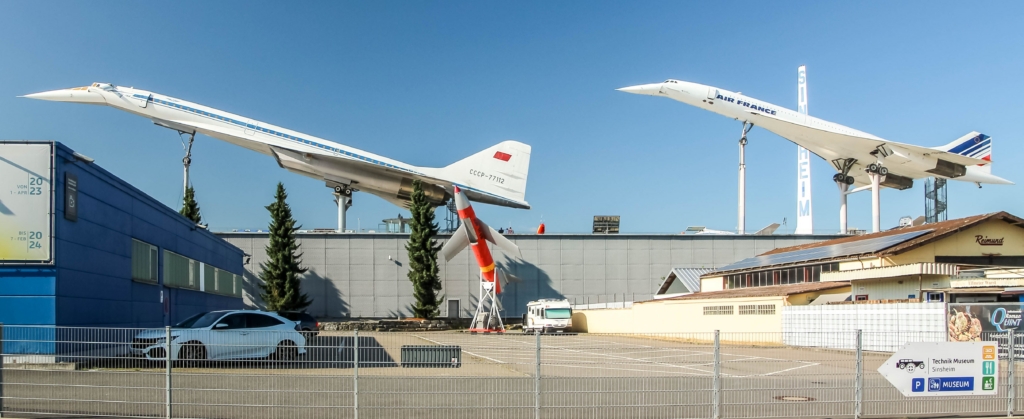
The Soviet space program and NASA used the last production Tupolev Tu-144 between June 1996 and April 1999. While most aircraft were scrapped after retirement, a few were put on display in Russia and Germany.
Featured image: clipperarctic / Wikimedia Commons


