Russia is running out of search and rescue aircraft as airlines turn down contracts

4 min read
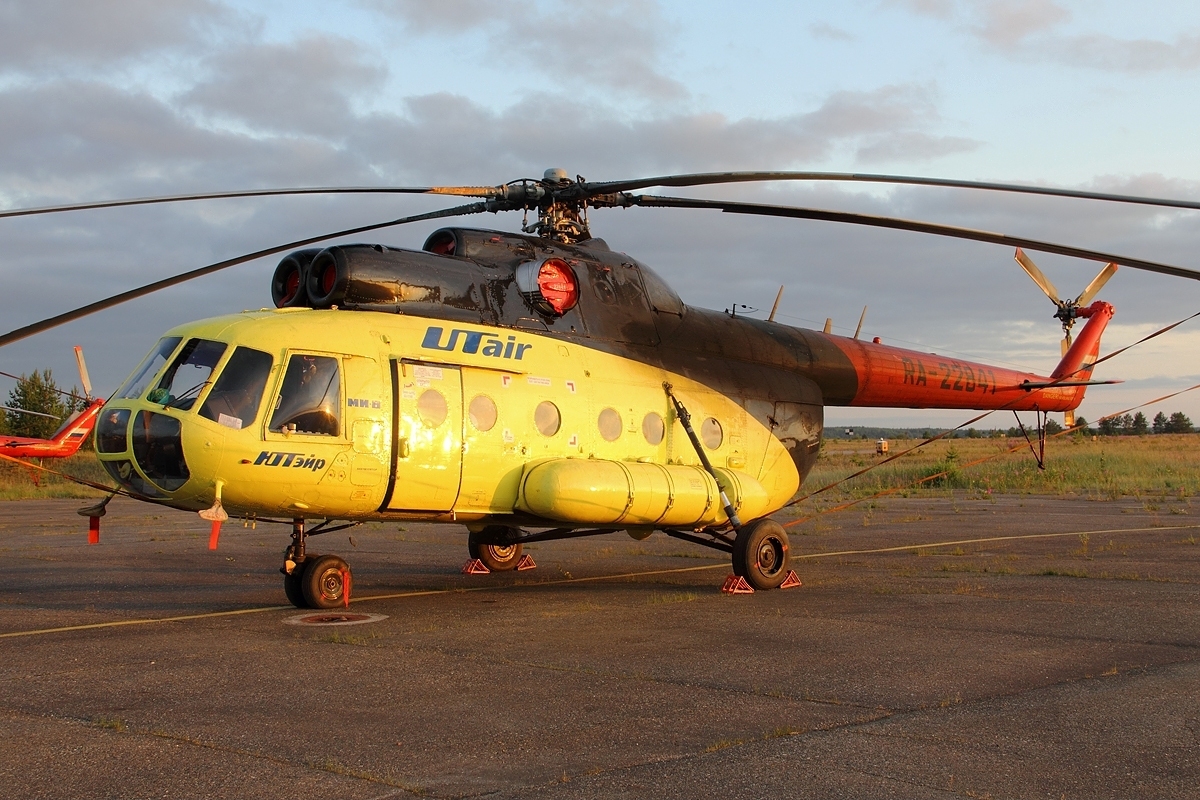
Russia’s aviation search and rescue system, a critical safety net for flights across one of the world’s largest and most remote countries, is showing growing signs of strain.
Of Russia’s 111 mandated standby locations for Mi-8 and An-26 rescue aircraft, 31 (or 28%) currently lack contracts with airlines to provide the necessary helicopters and crews for 24-hour duty. New reporting suggests this could get much worse in 2026.
Russian carriers are refusing loss-making search and rescue contracts
According to new reporting by the Russian Izvestia news outlet, more areas of Russia are left without helicopters for air rescue services.
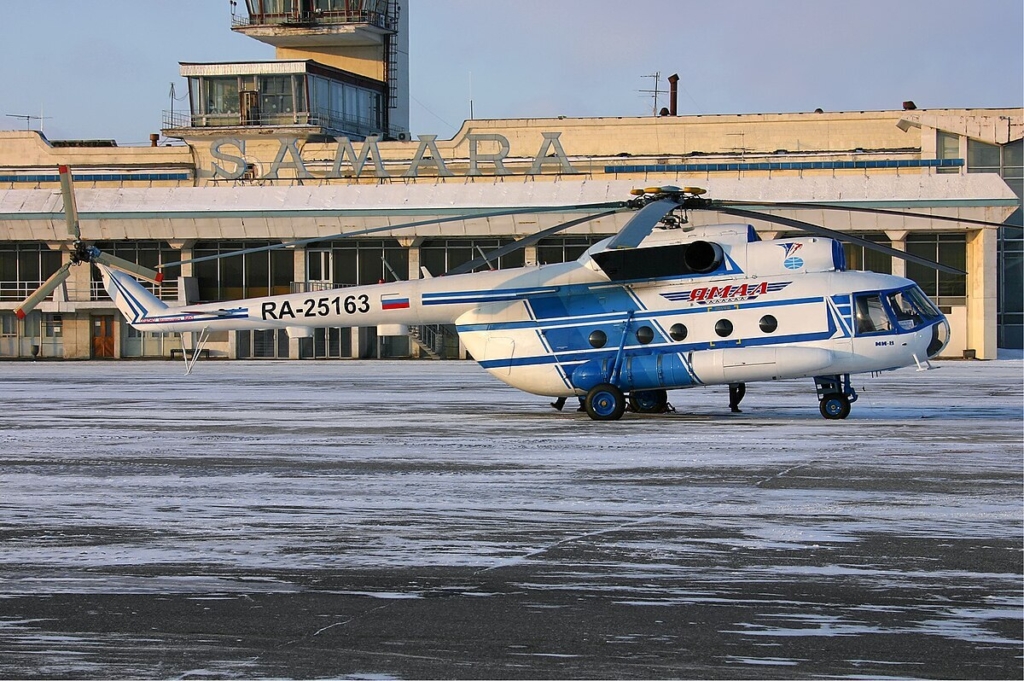
Izvestia reported that more than “30 of the 111 required rescue aircraft (Mi-8 and Ka-32 helicopters, An-26 and An-2 aeroplanes) are in short supply.”
Part of the issue is that it has become common practice for rescue services to contract out to airlines to use their aircraft. However, private carriers are increasingly refusing to provide the services as they say the rates offered by Russia’s State Air Traffic Management Corporation are 75% lower than the cost of flights.
As a result, contract tenders have repeatedly failed, and in some cities, search and rescue contracts have not been awarded at all due to a lack of willing operators. In many areas, authorities have been unable to attract any bidders, forcing the contracting process to be postponed.
🇷🇺💔 Sadly, an Antonov An-24 aircraft operated by Angara Airlines with 49 onboard, including 5 children has crashed in the Amur region, Russia.
— Spetsnaℤ 007 🇷🇺 (@Alex_Oloyede2) July 24, 2025
No survivors according to local media.
The jet disappeared from radar while attempting a landing approach at Tynda airport. Reports… pic.twitter.com/7F381c1U8h
Rescue teams at designated stations are required to remain on duty around the clock and be ready to respond to an emergency within half an hour.
It was these private contracted rescue services that responded to the crash of the Angara Airlines An-24 regional aircraft in Russia’s Far East in 2025 that claimed the lives of all on board.
Government SAR contracts don’t cover helicopter costs
According to Gelix Airlines, to make these contracts profitable, the fares don’t need to be raised by the 13-20% the government is sometimes offering, but by at least 75%.
Airlines say payroll costs have increased by 15%, airport services by 30%, travel expenses for the crew by 100%, and airworthiness maintenance costs for helicopters have also spiked.

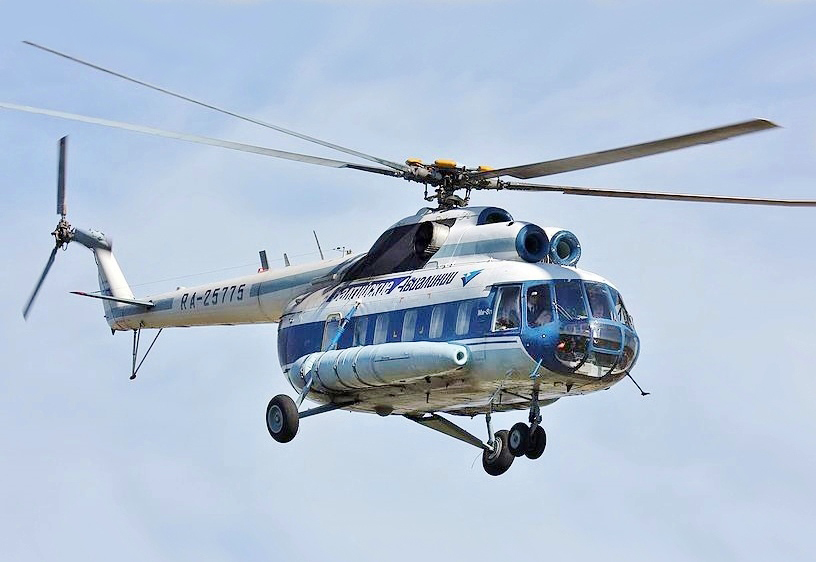
Switching to new helicopters will make the matter even worse. The helicopters used are typically around 30-40 years old and come with low capital expenses, low depreciation, and lower maintenance costs. The cost of leasing new aircraft would increase the cost of services by 1.5-2 times.
One measure to alleviate the problem is to switch from risky long-term contracts to short-term contracts. But without addressing the problem, Izvestia says the gaps in Russia’s search and rescue coverage are expected to grow 1.5-2 times in 2026.
Russian authorities say the contracts are indexed and can be adjusted higher if needed, but carriers are “unwilling to explain why they need the money.”
Contributing to the issue is the government agencies’ use of official indices published by the Ministry of Economic Development. But airlines in the real world are facing faster inflation in costs than these indices can compensate for.
Get all the latest commercial aviation news on AGN here.
A shortage of helicopters across Russia
Russia has a huge number of helicopters, but it is a vast country that needs a large number of rotor aircraft to serve remote communities.
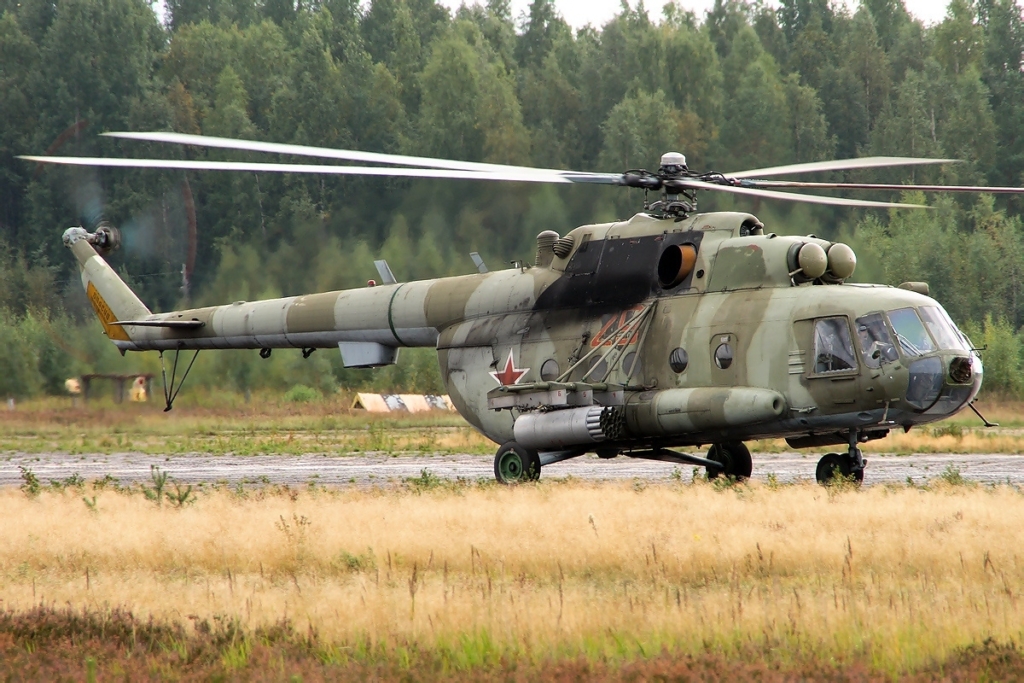
According to Russia’s Interfax, there are just over 2,400 civilian helicopters registered across Russia. The workhorse of private airlines remains the Mi-8.
Add in around 1,500 military aircraft, and Russia’s helicopter fleet grows to around 4,000. AGN has already reported how 300 aging Mi-8 helicopters face retirement in the next couple of years.
However, Interfax reports this could be as many as 600 total civilian helicopters over the next five years. Russia can produce around 40 Mi-8s annually, but these are mostly going to the military.
4/ Each helicopter requires two of these units, meaning that at least 20 Mi-8s were being built for the Defense Ministry in 2025 based on this order alone. These figures refer only to Mi-8 helicopters built for the Defense Ministry, not those supplied to other federal agencies. pic.twitter.com/R05pGKx3FX
— Tatarigami_UA (@Tatarigami_UA) December 11, 2025
Russia operates a unified aerospace search and rescue system, ultimately responsible to the Federal Air Transport Agency (Rosaviatsiya).
Featured Image: Wikimedia Commons