Russia identifies safety breaches across 480 aircraft in inspections

February 6, 2026
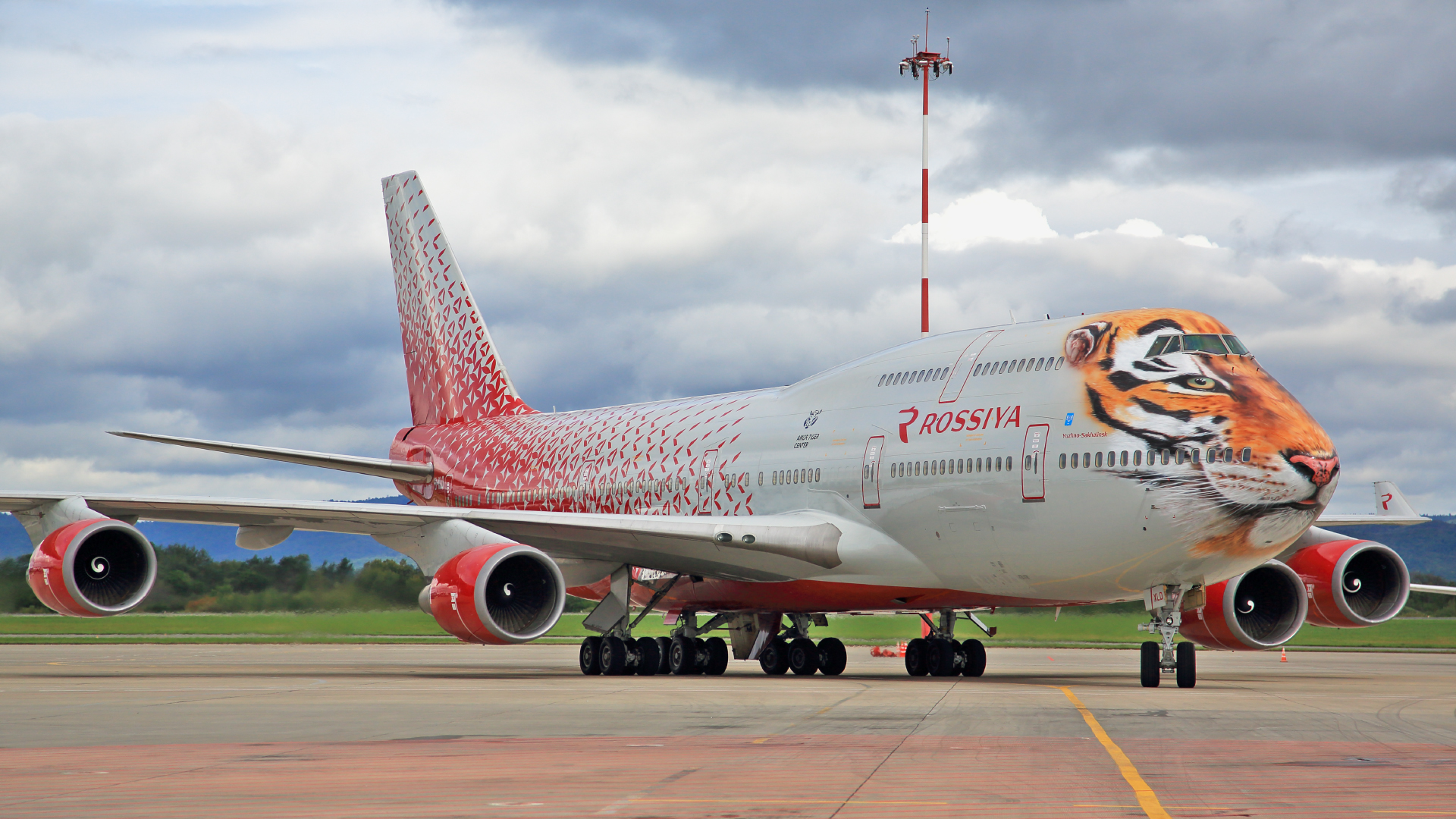
Russia’s State Aviation Supervision (Gosaviatnadzor) has reported a marked trend in mass-approving aircraft with technical malfunctions. It said between 2023 and 2025, over 480 aircraft were grounded for varying periods until identified violations were corrected.
Russia finds 480 aircraft violated safety
The statement was made by the head of State Aviation Supervision, Vladimir Kovalsky, at the “SLG 2.0: Updated Rules of the Game” session at the NAIS-2026 forum. 480 aircraft represent almost half of Russia’s 1,135-strong commercial fleet.
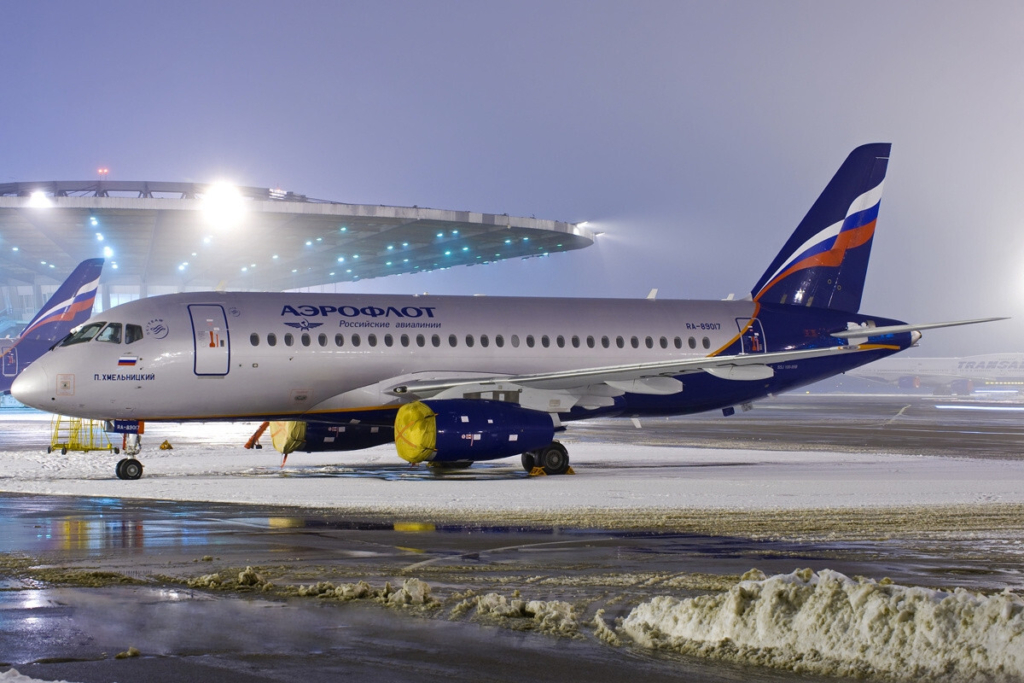
Kovalsky said, “Any violation is unacceptable. But for some unscrupulous participants, the threshold of acceptability is lowering ever lower.” He explained the mentality is “Yes, we falsified it, but this work does not pose a threat to flight safety.”
Kovalsky added, “Where does this lead? What level of degradation is this?”
This is forcing the agency to tighten regulations and apply more serious measures to counter the most egregious violations.
According to the Telegram channel Aviatorism, there is systematic authorisation of defective aircraft for flight, falsification of maintenance work, and violations during repairs.
According to Russia’s Rosaviatsiya, there are 1,088 commercial aircraft in operation.
The Moscow Times reports that inspections have found instances of modifications, upgrades, and structural repairs carried out in violation of requirements and without the involvement of authorised organisations.
The publication adds, “The regulatory agency is particularly concerned about the practice of fictitious work.”
Russia’s perfect storm of sanctions and war
The Russian commercial aviation industry is currently facing a perfect storm of adverse factors, mostly brought on by sanctions and the war in Ukraine. This has forced Russia to pull old Tu-204s, Il-96s, and 747-400s out of retirement.
Older aircraft types, like 747-400s, are simpler to maintain, and spare parts can be more easily sourced on the second-hand market from recycled aircraft. Up to a third of Russia’s civil fleet may need to retire over the next six years.
Sanctions also mean Russia has been unable to produce its old domestic aircraft, as these grew extremely dependent on imported components. Russia is rushing to Russify these aircraft, but it takes time, is inefficient, and expensive.
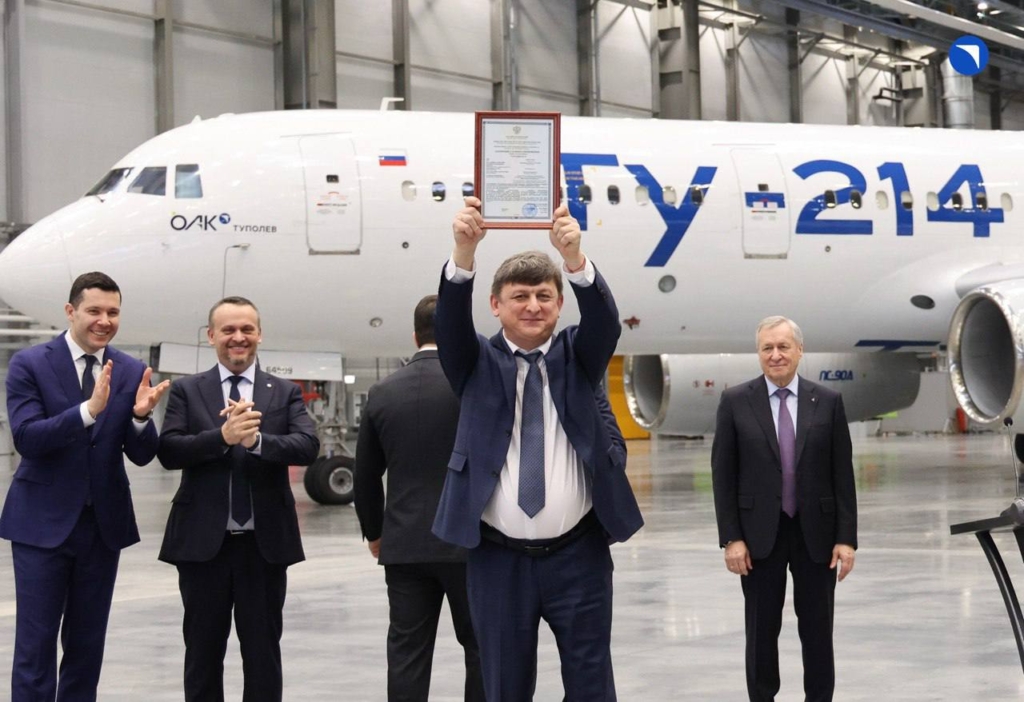
In 2022, Russia set a goal to deliver 1,000 commercial aircraft by 2030. By the end of 2026, none had been delivered except for a dozen Superjets, including those assembled with pre-stocked components and a single business jet-configured Tu-214.
At the same time, the Russian civil industrial sector is in competition for limited resources with the Russian Air Force, which Moscow may prioritise due to the ongoing war.
Russia has asked foreign airlines to lease aircraft for domestic flights, including Ethiopian Airlines. Ethiopia declined, fearing US sanctions.
Russia’s looming need to retire hundreds of aircraft
Sanctions mean it is harder to maintain foreign-supplied aircraft like Airbus and Boeing. The problem is most acute in modern aircraft like the A320neo family, which is now mostly grounded in Russia.

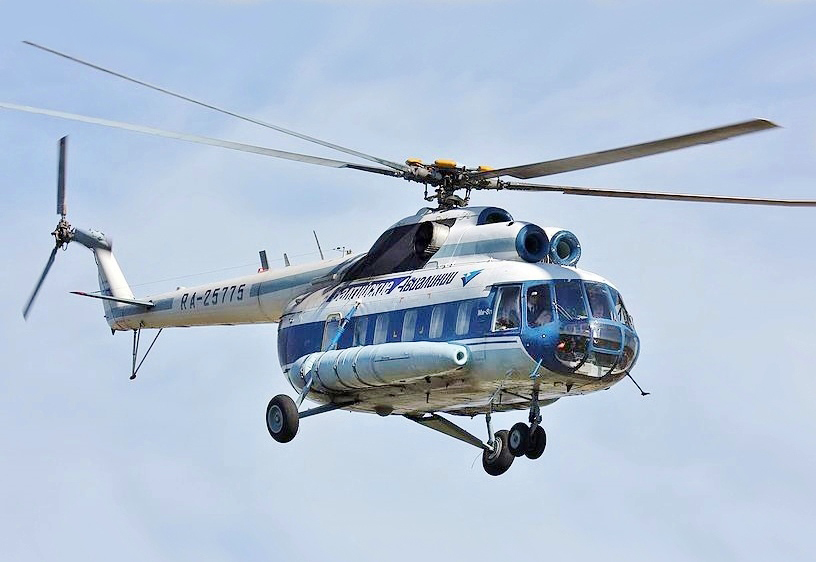
Many of Russia’s regional aircraft were built in the Soviet period and are now 50 years old and in desperate need of replacement. Something similar is true of its ageing civil helicopter fleet, with hundreds in need of retirement.
A major risk is that as aircraft are withdrawn from use, they are cannibalised to keep an ever-shrinking fleet flying. As the fleet size contracts, the pressure to keep those aircraft flying increases, while the wear and tear accelerates.
Featured Image: Wikimedia Commons