


Indra Group and ENAIRE validate integrated drone and ATC operations at Málaga Airport

4 min read
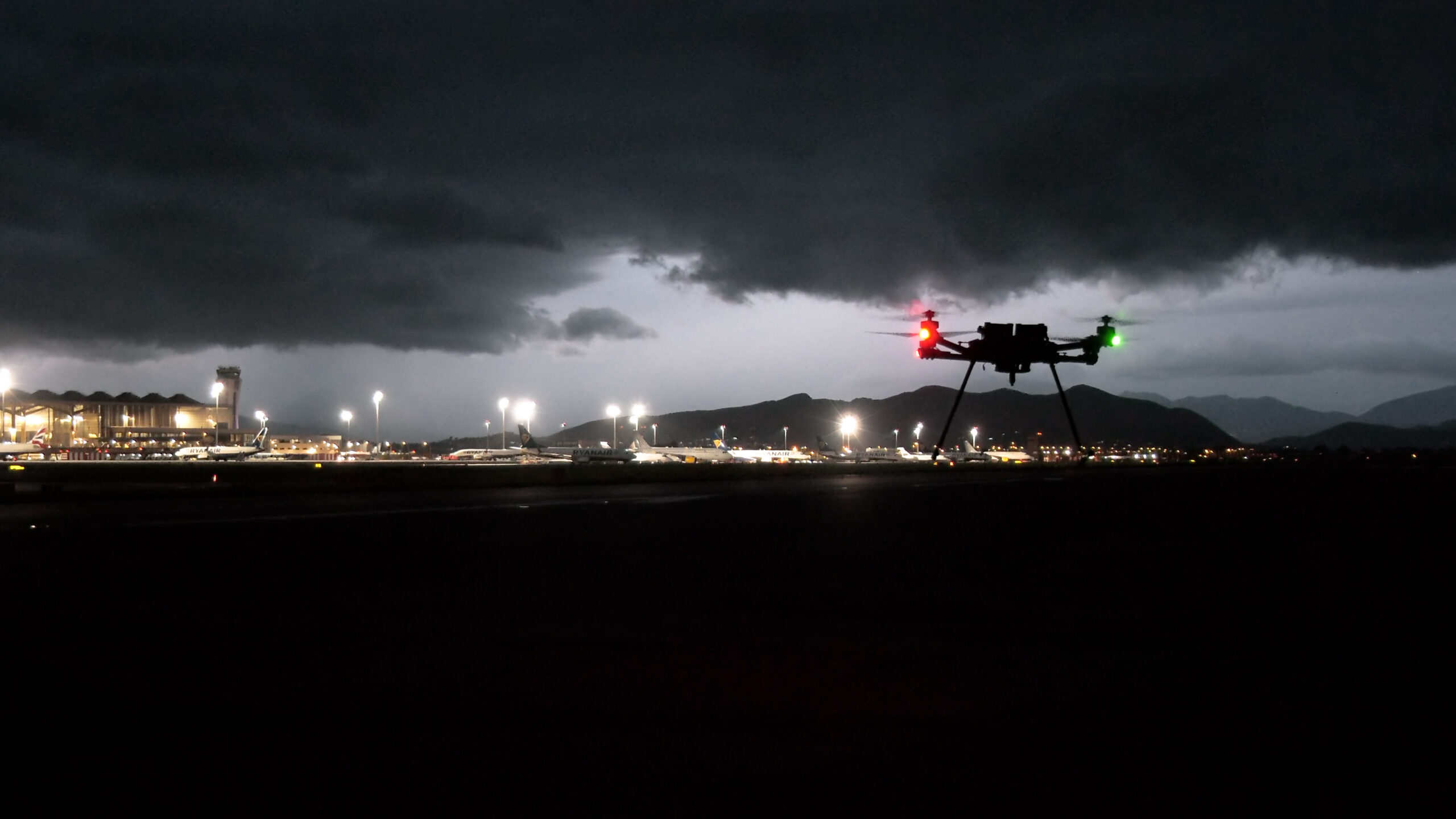
Indra Group, a multinational strategic defence, air traffic and mobility developer, has taken a key step towards the safe and effective integration of drone flights into European airspace and around busy airport infrastructure.
In partnership with ENAIRE, the Spanish air navigation services provider, the company has successfully validated the interoperability of unmanned air traffic management systems (U-space) and conventional air traffic control (ATM) in a technical and operational demonstration.
Indra Group and ENAIRE carry out integrated drone flights at Málaga Airport
Recently carried out at Málaga Airport (AGP) in Spain, the partners led validation test flights using a light drone to demonstrate how uncrewed aerial vehicles (UAVs) can co-exist in a safe and coordinated manner.
By operating the drone and managing the test flights in a fully digitalised setting, the partners said that these tests “laid the groundwork for the progressive incorporation of new drone and unmanned aircraft systems (UAS) operations into the day-to-day environment.”
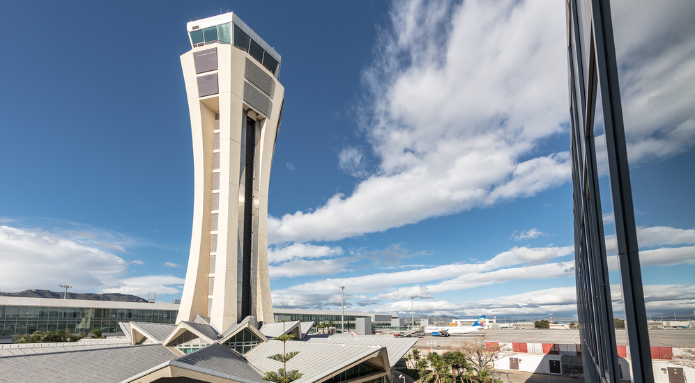
Drone-operated missions, such as infrastructure inspection, surveillance, emergency management, monitoring, and delivery services that operate in or around airports or other controlled airspace, will all become possible following the development of the test flights, which demonstrated the “orderly and reliable integration [of drones] into the airspace,” according to the partners.
Operating drones in highly complex air spaces
In a statement, Indra said that the solutions and procedures worked on with ENAIRE form an integral part of the European ENSURE project, devised to address the increasingly severe impacts of climate change across Europe, by using UAVs rather than heavier, crewed aircraft.
Additionally, following the successful testing of drones at Málaga Airport, which demonstrated the safe integration of these new UAV aircraft with conventional aviation, Indra said that this could have a direct application in drone operations in highly complex airspaces, such as the airport environment or urban areas near airports.
This, added the company, would allow for drones to potentially be used for runway maintenance and inspection work at active airfields, while sharing real-time information between U-space and ATM systems, thereby reducing downtime whilst also maintaining the safety levels of conventional air traffic.
How the drone trials were integrated with airport operations
Indra said that the demonstration flights involved a specific trial of the ATM-U-space interface developed by Indra, which allows for the coordinated integration of individual drone operations in areas of higher operational risk through an ongoing exchange of information between the two environments.
Additionally, dynamically adjusting the airspace according to the needs of each moment ensured that drones and aircraft did not interfere with each other while maintaining aviation safety standards.
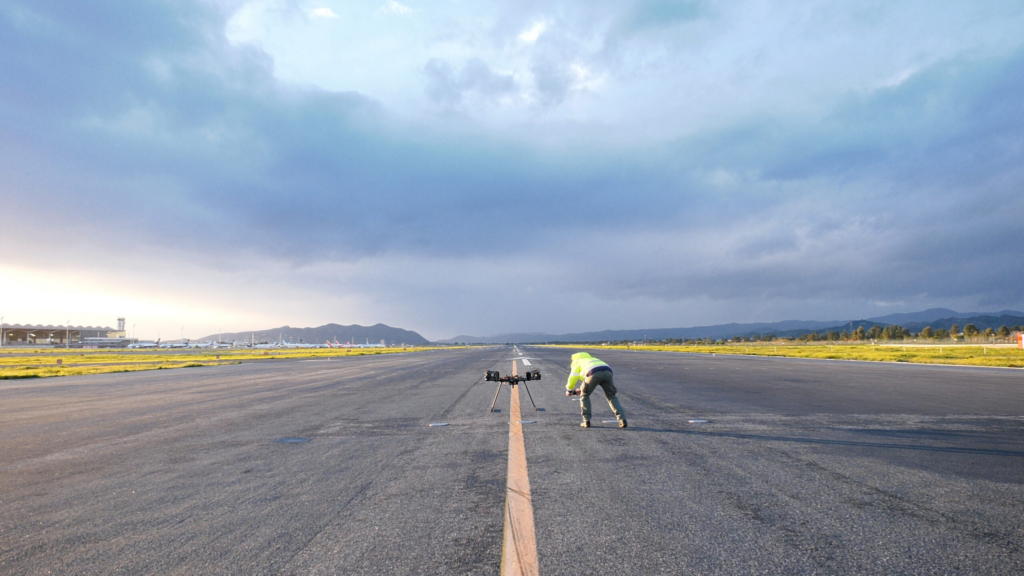
The validation exercises covered the entire operational cycle, from flight planning to real-time flight management. This necessitated a high level of constant coordination between the drone operators involved and the airport’s air traffic control service.
Simultaneously, the test flights complied with the sector’s stringent safety standards and the priority of the airport operations at all times.
Following the drone demonstration flights, the partners made a presentation of the results of the operational validations carried out in Spain to the European ENSURE project. The test flights were supported by the European Commission’s ‘Horizone Europe’ grants mechanism.
Drone testing carried out as part of a wider collaboration
Led by Indra, the project involved 18 European partners, including air navigation service providers, industry, research centres, and leading technological players.
Against this backdrop, ENAIRE’s role was key as an active air navigation service provider and, as the designated single common air traffic service provider in Spain, a core player in the operational implementation of U-space.
ENAIRE is currently developing and deploying one of the most advanced unmanned air traffic management (U-space) platforms throughout Spain, with Indra as the technology provider.
ENAIRE sees these latest trials as vital for the safe integration of drones into the airspace. “This platform will facilitate the development of a completely new sector in Spain that will lead to new services, employment, and technological know-how,” commented ENAIRE.
U-Space and ATM leadership
Indra said that the validation test flights conducted in Málaga are particularly significant within the context of the rapid growth of drone use in Europe, being driven in particular by the demand for surveillance, maintenance, inspection, and transport services in multiple sectors.
“Unmanned traffic management (U-space) systems capable of identifying, coordinating, and managing drone access and mobility safely and effectively are of utmost importance for the integration of this upturn into airspace operations,” said Indra.
According to the Indra Group website, the company has developed “far-reaching experience of air traffic management (ATM) systems.” In global terms, the company says it has “equipped over 11,000 facilities worldwide, and it boasts one of the most comprehensive portfolios of new-generation solutions in the industry, one which is capable of managing a flight from its take-off to its arrival at its destination.”
Featured image: Indra Group


